What To Wear At A Funeral Uk
So, you've got a funeral coming up. And you're probably thinking, "Right, what on earth do I wear to this thing?" It's a question that pops into many a mind, a gentle nudge from the social calendar. But honestly, it's less about a fashion show and more about showing you care. It’s a quiet moment of respect, and your outfit is part of that story.
Think of it as a subtle performance. Not for applause, of course, but for a shared understanding. Your clothing is a visual whisper, saying, "I'm here for you." It's a way of blending in while still standing out in the right way. It's about being a good guest at a very significant event.
In the UK, there's a certain unspoken etiquette that’s been around for ages. It’s not rigid, but it’s definitely there. It’s a tradition, a gentle guide to help navigate these sensitive occasions. And it’s not as complicated as you might think. It’s more about common sense and a little bit of thought.
Must Read
The most classic choice, the go-to, is naturally, black. It’s the undisputed champion of funeral attire. It’s universally recognised as a colour of mourning. It’s the safe bet, the predictable choice that rarely, if ever, goes wrong. If in doubt, black is your best friend.
But black doesn't have to be boring! You can play with textures and shades within the black spectrum. A lovely wool suit, a silk blouse, a cashmere jumper – these all add depth. It’s about finding something comfortable and elegant. Something that feels right for you and the occasion.
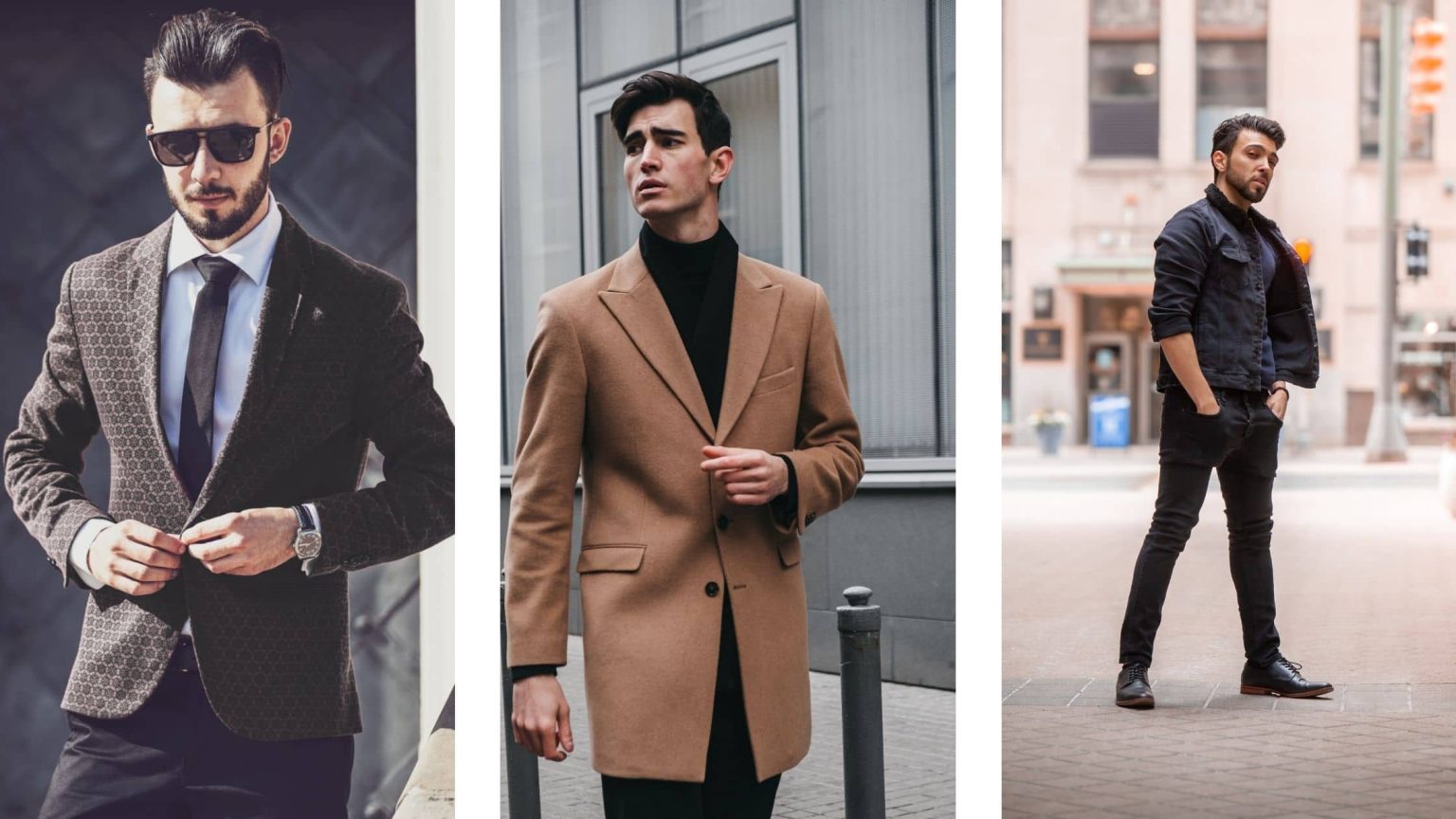
For the gentlemen, a dark suit is the usual order of the day. Think navy, charcoal grey, or, of course, black. A crisp white shirt is standard. A tie is often worn, again, in a dark or muted colour. Keep it simple, keep it smart. No flashy patterns, please!
Ladies, you have a bit more room to play. While black is primary, deep navy or dark grey are also perfectly acceptable. A smart dress, a skirt and blouse combination, or tailored trousers are all good options. Think knee-length or just below. Avoid anything too short or too revealing.
And what about those floral prints? Ah, the perennial question! Generally, if you're going for a print, keep it subdued. Think a dark floral dress, perhaps with a black base. Bright, bold, or cartoonish prints are best left for happier gatherings. Subtlety is key here.
Comfort is also a big factor. You’ll likely be sitting, standing, and perhaps even walking. Choose shoes that are comfortable and easy to walk in. Heels are fine if you’re used to them, but consider a lower heel or even flats. Nobody wants to see someone wincing in pain!
Accessories are where you can add a personal touch, but still with restraint. A simple necklace, a pair of understated earrings. Again, avoid anything too flashy or attention-grabbing. Think of them as quiet complements to your outfit.
Let’s talk about footwear. For men, polished dark shoes are essential. For women, closed-toe shoes are generally preferred. Think classic loafers, smart flats, or elegant court shoes. No trainers, no flip-flops, no towering stilettos!
Now, sometimes there are specific requests. You might see a note saying, "Wear something colourful." This is a wonderful opportunity to inject some personality and celebrate the life of the departed. It’s a modern twist, a way of focusing on the joy they brought.
If you're told to wear colour, embrace it! A vibrant scarf, a cheerful tie, a brightly coloured dress – it can be a beautiful tribute. It shows you understand and are honouring the wishes of the family. It adds a touch of lightness to a somber occasion.
Think about the season too. In summer, lighter fabrics are a sensible choice. Think breathable materials like cotton or linen. You might opt for a dark floral dress in a lighter fabric. In winter, wools and heavier fabrics are more appropriate. A smart dark coat is a must.
Footwear in winter needs to be practical. Consider something that can handle potential rain or damp conditions. Again, comfort and style go hand-in-hand. You want to look put-together, not weather-beaten.
What about makeup and hair? The rule of thumb is natural and understated. Avoid heavy makeup or elaborate hairstyles. Think of it as enhancing your natural features, not making a statement. A fresh, clean look is usually best.
For men, grooming is important. A neat haircut, clean-shaven or a well-trimmed beard. It's about presenting yourself in a tidy, respectful manner. It shows you've put thought into your appearance.
What about hats? Traditionally, women might wear a hat, especially to a more formal service. However, this is becoming less common. If you do wear a hat, ensure it's a modest one. Again, no overly flamboyant or attention-grabbing styles.
And when in doubt, ask! If you're unsure about what to wear, it’s perfectly acceptable to discreetly ask a close friend or family member of the deceased for guidance. They’ll be happy to help you navigate this. It shows you’re making an effort.
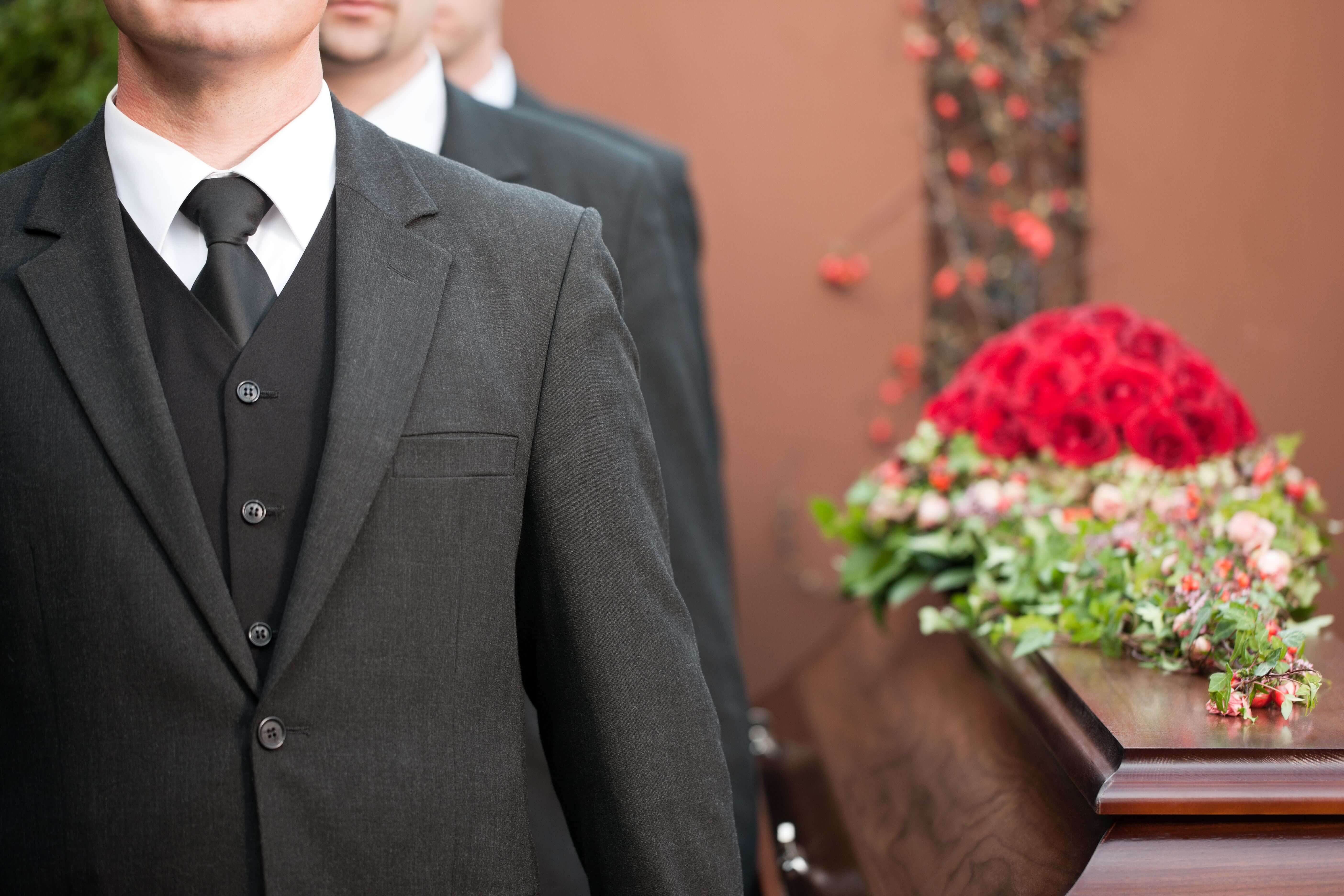
The whole point is to show respect for the person who has passed and their grieving loved ones. Your clothing is a silent acknowledgement of the solemnity of the occasion. It’s about creating a sense of unity and support amongst those gathered.
It’s not about fashion trends. It’s about understanding social cues and expressing empathy. It’s about being a considerate and supportive presence for those who need it most. Your outfit is a small, but significant, part of that support system.
So, when you're choosing your funeral attire, think about it like this: you’re dressing for someone else. You’re dressing to honour a life. You’re dressing to be a quiet pillar of strength for those who are feeling vulnerable. It’s a thoughtful act.
And remember, the most important thing is your presence. Being there, offering a hand, sharing a memory – that’s what truly matters. Your outfit is just the frame for that powerful presence. It’s the understated backdrop.
So, next time you’re faced with this sartorial puzzle, don’t overthink it. Stick to the classics, add a touch of personal elegance if appropriate, and focus on the true meaning of the day. It’s about connection, remembrance, and quiet solidarity.
Think of it as a gentle art form. A carefully composed picture where you are a respectful element. You’re contributing to the overall feeling of remembrance and respect. It’s a quiet, yet meaningful, contribution.

The beauty of funeral attire in the UK is its inherent simplicity and its focus on shared human experience. It’s a tradition that speaks volumes without saying a word. It’s a subtle nod to shared values and respect.
So, go forth, choose wisely, and remember that your thoughtful attire is a quiet testament to your care and support. It’s a small gesture that makes a big difference in how you convey your condolences. It’s a visible form of empathy.
Ultimately, what you wear is a reflection of your respect. It’s a visual representation of your understanding of the occasion. And that, in itself, is a truly special thing. It’s a meaningful way to show you care.
So next time you’re pondering the funeral wardrobe, remember the underlying sentiment. It’s not about being the best dressed; it’s about being thoughtfully dressed. It’s about showing up, with grace and respect. And that’s a style that always looks good.
The key is to be understated, respectful, and comfortable. It’s about the person you’re honouring, not your wardrobe.
Consider it a lesson in subtle elegance. A masterclass in dressing for meaning rather than for show. And it’s a lesson we all learn throughout our lives. It’s a part of growing up and understanding the world.
So embrace the challenge, find something that feels right, and know that your thoughtful appearance is a beautiful way to express your sympathy and support. It’s a powerful, silent message.