What To Put On A Mouse Trap
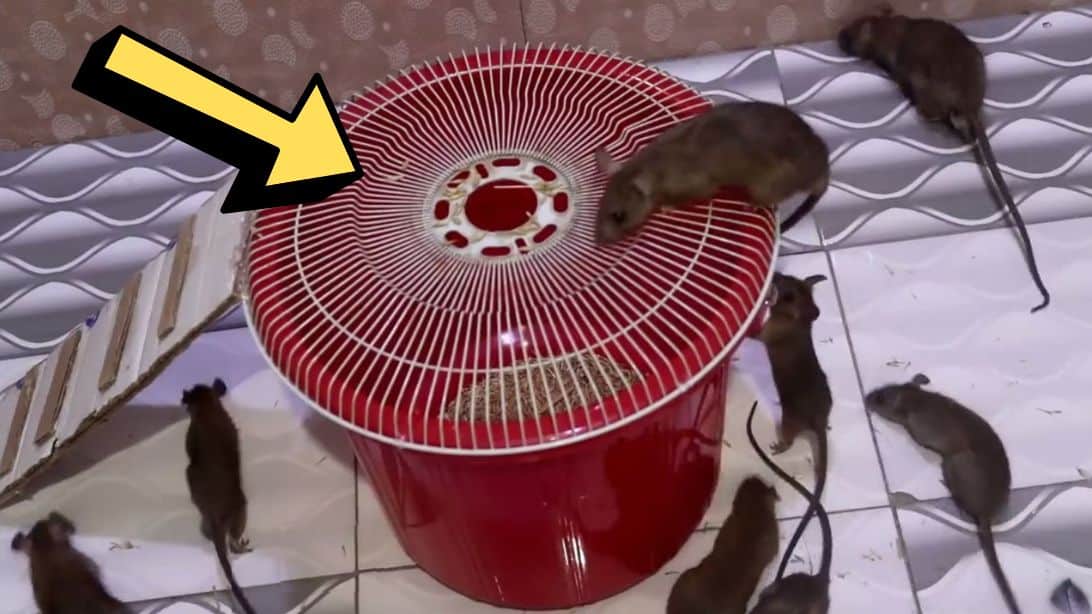
So, you've got a little intruder situation happening, huh? Don't worry, we've all been there. That tiny pitter-patter in the walls at night, the mysterious crumbs on the counter that weren't there before... it's the classic signs of a house mouse deciding your place is the new Ritz. And when you've decided it's time for them to check out, the trusty mouse trap comes out. But what, oh what, do you slather on that little trigger plate to make it irresistible? It's a question that has probably kept more people up at night than the mice themselves! Let's break it down, shall we? Think of this as your friendly neighborhood mouse-baiting masterclass, minus the tweed jacket and pipe.
First things first, let's address the elephant in the room, or rather, the mouse on the pantry shelf. Peanut butter. It's the undisputed champion, the heavyweight titleholder of mouse trap bait. Why? Because it's sticky, it's smelly (in a good way for rodents, at least!), and it's loaded with fat and protein, which are like tiny little mouse-yum-yums. Plus, it's practically a pantry staple for most of us, so you probably don't even need to pop out to the store. Just a little dab, maybe the size of a dime, is usually enough. You don't want to overload it; you want them to have to work for it a little. Make them earn that deliciousness!
Now, while peanut butter is the king, it's not the only contender for the throne. Sometimes, our little whiskered friends can be a bit picky, or perhaps they've just had too much peanut butter lately (a mouse's version of a gourmet phase). So, what else can we try? Let's dive into some other delicious options:
Must Read
The Savory Side of Things
Sometimes, the best way to a mouse's heart is through its stomach, and savory smells can be incredibly enticing. Think about what you love to eat that has a strong aroma. Now, shrink it down to mouse-size!
Cheese: The Classic, But With a Twist
Ah, cheese. It’s so cliché, isn't it? The cartoon trope of a mouse with a big wedge of Swiss cheese. But here's the thing: stereotypes exist for a reason! Mice do like cheese. However, the super hard, aged cheeses might not be the best. Think softer, more aromatic cheeses. Cream cheese is a surprisingly good option. It's spreadable, it's got a good smell, and it’s satisfyingly gooey. Think of it as a mouse’s charcuterie board. A tiny smear on the trigger, and voilà!
Other good cheese choices include cheddar (especially a sharper one), gouda, or even a bit of string cheese that’s been a little bit left out to develop a stronger scent. The key is to get them sniffing! If a cheese has been in the fridge for a while and is starting to get a bit... pungent, that might be your golden ticket. Just make sure it’s not so old that it’s developed mold, because even mice have their limits.
Nuts and Seeds: Small Bites, Big Appeal
If you're not a peanut butter fan yourself (sacrilege, I know!), or you're looking for something a bit different, nuts and seeds can be fantastic. Mice are natural foragers, and they love to hoard little treasures. So, imagine finding a tiny stash of sunflower seeds or a small piece of a walnut. Heavenly! You can use a few whole sunflower seeds, a small piece of walnut, or even some chopped-up peanuts if you're going the peanut route but want a bit of variety.
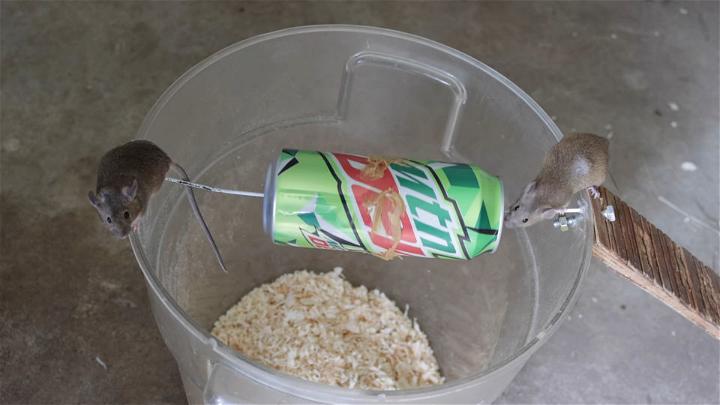
The advantage here is that they are often dry and don't stick to your fingers as much as some softer baits. Plus, they are a good source of protein and fat, just what a busy little mouse needs for its nightly scurrying adventures. Just a few strategically placed seeds or a small nut fragment can do the trick.
The Sweet Temptations
Who says it's all about the savory? Sometimes, a little bit of sweetness is all it takes to lure your little friend. Think of it as offering them a tiny dessert after their savory main course.
Chocolate: The Ultimate Indulgence
Now, here’s a bait that’s almost as irresistible to humans as it is to mice. Chocolate! A small piece of regular chocolate, or even a little bit of chocolate-flavored candy, can be a powerful attractant. Just be careful with the type you use. Milk chocolate tends to be softer and more appealing. Dark chocolate might be a bit too hard. And avoid anything with artificial sweeteners, as those can sometimes be harmful to small animals. A tiny morsel of a chocolate chip cookie or a small chunk of a chocolate bar can be a real game-changer. Just imagine: a mouse’s tiny paws, reaching for a bit of forbidden chocolatey goodness. It's almost poetic, isn't it?
Remember, we're talking about a small amount. You don't want them to just gobble it up without touching the trigger! It’s about enticing them to investigate. A little bit of melted chocolate drizzled on might also work, but that can get messy, so maybe stick to solid pieces.

Cereal and Grains: The Staple Diet
Mice are often attracted to grains and cereals. They're a good source of carbohydrates, which gives them energy for all their important mouse business. Think of a small piece of dry cereal, like Cheerios (ooh, round and enticing!) or even a small flake of oatmeal. You can even crush up a tiny bit of a plain biscuit or cracker. The key here is to use something that’s easy for them to nibble on and that has a mild, appealing scent.
This is a good option if you're worried about things getting too sticky or messy. Dry cereal is easy to handle and doesn't leave a residue on your fingers. Just a couple of pieces strategically placed can do the trick. Think of it as a little buffet laid out just for them!
Important Considerations Before You Bait
Okay, so we've got a smorgasbord of delicious options. But before you go wild with the peanut butter, there are a few crucial things to keep in mind. It’s not just about what you put on the trap; it’s how you put it on and what kind of trap you're using.
Less is More (Usually!)
I know I've said this a few times, but it bears repeating. You don't need to plaster the entire trap with bait. A small, concentrated amount is what you're after. The idea is to get the mouse to lean in, to nudge, to investigate the very thing that sets off the trap. If it's too much bait, they can sometimes just lick it off without triggering the mechanism. That’s like trying to get a free sample at a grocery store and walking away without buying anything – frustrating for everyone involved!
The "Odor" Factor
Mice have an incredible sense of smell. That's how they find food in the dark, navigate their surroundings, and, you know, avoid owls. So, whatever you choose, make sure it has a scent that's appealing to them. Unscented, plain options are generally best. Avoid anything with strong artificial fragrances that you might use for your own human consumption. We’re aiming for a gourmet mouse meal, not a perfume convention.
Hygiene is Key (For You!)
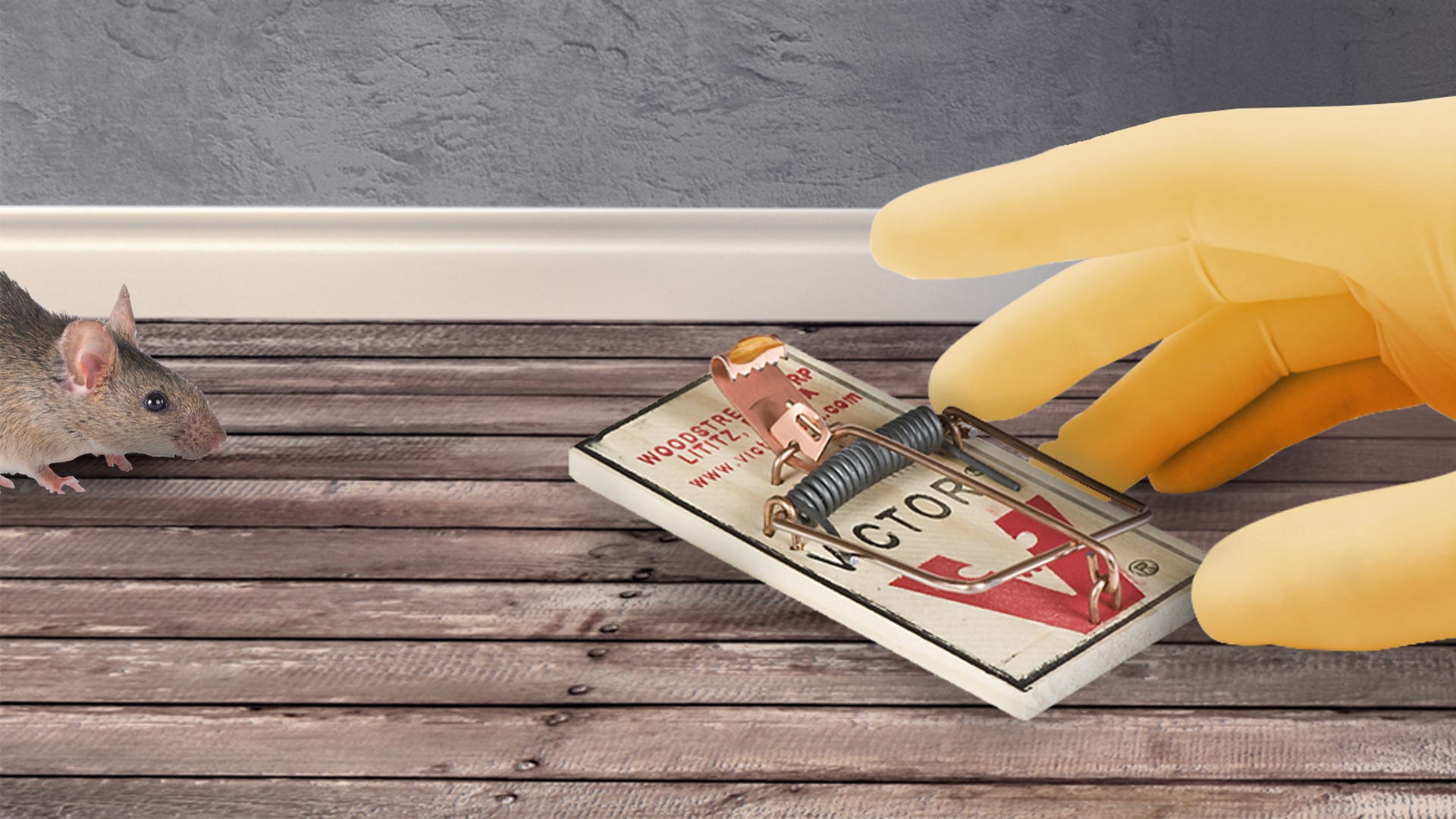
This is a big one. When you're handling bait, wear gloves. Seriously. Mice are wary of human scents. If your bait smells like you, they might give it a wide berth. Plus, it's just good practice to avoid getting whatever you're baiting with all over your hands. It’s a small step that can make a big difference in the effectiveness of your trap. Think of yourself as a secret agent, leaving no trace but the irresistible lure.
Trap Type Matters
The type of trap you use can influence your bait choice. For snap traps, you want something sticky or something that they'll have to pull at to dislodge. For live traps, you might want something a bit more substantial that they can take their time with. For the classic snap trap, that little indentation in the trigger plate is your friend. It’s designed to hold bait securely.
Consider Pre-Baiting
This is a pro tip for the dedicated pest controller! Before you even set the trap, try placing some bait near the trap for a day or two. This gets the mice accustomed to finding food in that area. Once they associate that spot with delicious treats, they’ll be more inclined to investigate the trap itself when you set it. It's like warming them up for the main event!
Beyond the Bait: Making Your Trap Successful
While the bait is crucial, it's not the only factor in trap success. Here are a few extra tidbits to ensure your little rodent rescue mission (or eviction notice) goes smoothly.

Placement is Everything
Mice tend to travel along walls and in hidden pathways. So, place your traps along the baseboards, in corners, or wherever you’ve seen signs of their activity. Don't just plop them in the middle of a room. Think like a mouse – where would you go if you were trying to be stealthy?
Check Your Traps Regularly
Nobody wants a mouse sitting in a trap for days. Check your traps daily, or even twice a day, especially if you're using bait that can spoil. Promptly removing any "catches" (or discarded bait!) is essential for hygiene and for resetting the trap for another go.
And if you’re using live traps, remember to release your little guests humanely and far from your home. Nobody wants them to find their way back for a sequel!
A Happy Ending (For You!)
So there you have it! A deep dive into the wonderful world of mouse trap bait. From the trusty peanut butter to the tempting chocolate, you're now armed with the knowledge to make your traps a irresistible buffet. Remember, it’s all about enticing those little critters to investigate the deliciousness, leading to a swift (and hopefully humane) resolution to your rodent problem.
The next time you hear that little scurry, you'll know exactly what to do. You'll be a baiting boss, a trap-setting superstar, a veritable mouse-whisperer (albeit one with a very specific and slightly dramatic goal). And as you finally enjoy a quiet night’s sleep, free from pitter-patter and mysterious crumb formations, you can do so with the smug satisfaction of knowing you’ve outsmarted a tiny, furry adversary with the power of good food. Now go forth and conquer, one delicious bait at a time! Your peaceful home awaits!