What To Do After A Blood Test

So, you've braved the needle, conquered the vein, and successfully donated a small vial (or two, or three) of your precious crimson lifeblood to science. High five! You’ve officially joined the ranks of the blood-tested, and while it might feel like the hardest part is over, there are still a few little things to keep in mind. Don't worry, it's not rocket science, and definitely not as scary as that time you accidentally wore mismatched socks to a job interview. We're talking about the delightful aftermath of your blood test, and trust me, it's smoother sailing from here on out.
First things first, let's address the elephant in the room – or rather, the tiny prick on your arm. You know that little spot where the magic happened? It's perfectly normal for it to be a little sore, maybe even a tad bruised. Think of it as a temporary badge of honor. Your body just went through a minor adventure, and it needs a moment to recover. So, what’s the best way to treat your newfound arm accessory?
Post-Prick Pampering
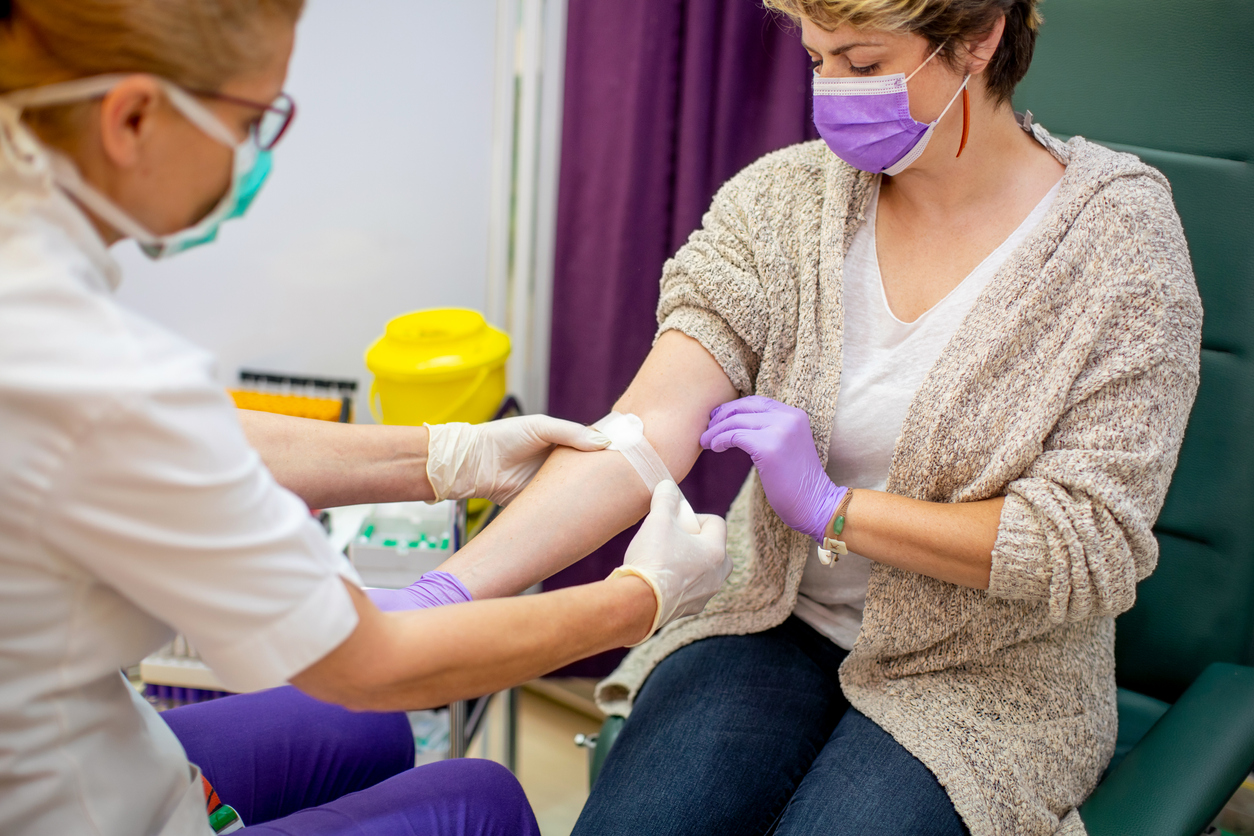
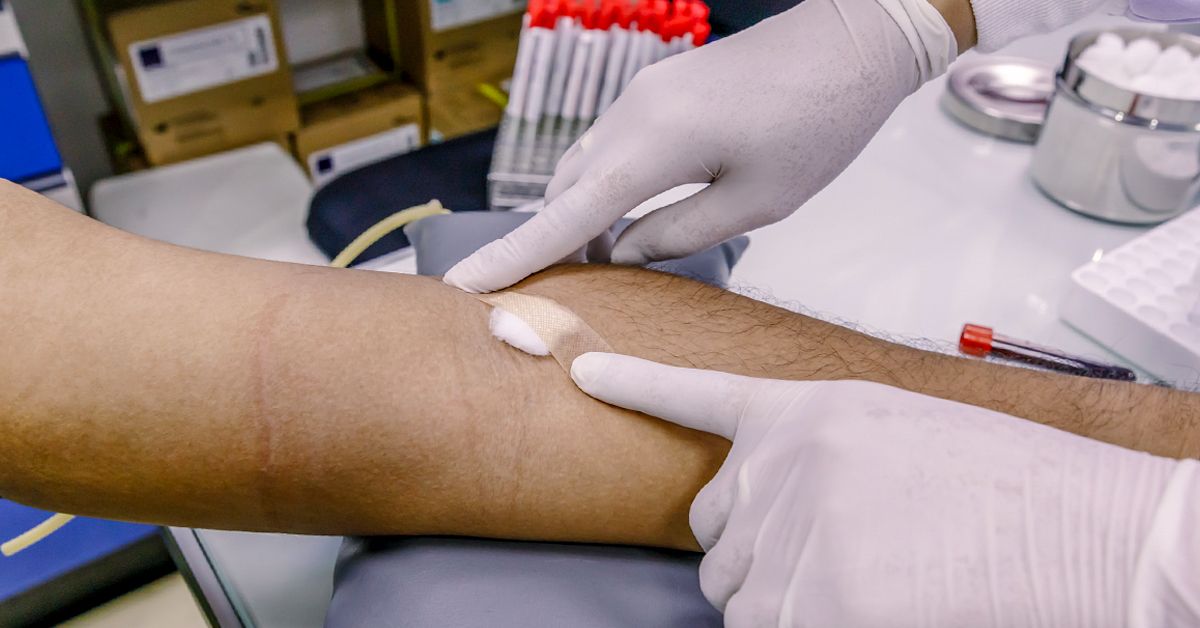
The most crucial step is to keep that bandage on for at least a few hours. I know, I know, it might feel like a fashion faux pas, especially if you’re rocking a tank top, but it’s really important to let the puncture site start to heal. Think of it as a tiny shield protecting your skin from the harsh realities of… well, anything it might bump into. Unless you’re planning on wrestling a bear, it should do the trick.
Must Read
Once you remove the bandage, give the area a gentle wash with soap and water. No need for a full-on scrubbing session; we're not trying to exfoliate your arm into oblivion. Just a gentle cleanse to keep things clean and prevent any pesky infections. And speaking of infections, if you notice any signs of redness, swelling, or unusual warmth around the site that doesn't go away after a day or two, it's always a good idea to give your doctor a quick call. Better safe than sorry, right? We don't want any drama unfolding from a little blood draw.
For any lingering soreness, apply a cold compress. Think of it as giving your arm a little spa treatment. A bag of frozen peas wrapped in a thin cloth works wonders. Just don't eat the peas afterward, unless you like your vegetables with a hint of antiseptic. Apply it for about 15-20 minutes at a time, a few times a day. It’s like a tiny, localized ice bath for your arm. Ah, pure bliss (or at least, a reduction in ouchie).
And if the soreness is really giving you grief, over-the-counter pain relievers like ibuprofen or acetaminophen can be your best friend. Just follow the dosage instructions on the package, and you’ll be back to your pain-free self in no time. It’s like magic, but with more scientific backing.
Hydration Station: Drink Up, Buttercup!
This one is super important, and it’s often overlooked. After giving up some of your precious fluids, your body might be feeling a little… parched. So, what’s the antidote to a slightly depleted fluid level? You guessed it: drink plenty of water! Seriously, chug it. Guzzle it. Become one with the H2O. This helps your body replenish the fluids lost and can also help prevent you from feeling lightheaded or dizzy.
Think of your blood as a busy highway, and the fluid in your body as the fuel for all those cars. You just took a tiny bit of fuel out, so it's time to refuel the tank. Aim for water, but juice or other non-alcoholic beverages are also good options. Just try to avoid anything too sugary or caffeinated right away, as they can sometimes have a dehydrating effect. We want to rehydrate, not dehydrate further. It's a delicate dance, people!
This isn't just a suggestion; it's a friendly nudge (or a gentle shove, depending on how much you’ve been drinking) from your body. Listen to it! Hydration is key to feeling your best, especially after a blood test. Plus, who doesn’t love an excuse to sip on a refreshing beverage?

Avoiding the Oopsies: Things to Steer Clear Of
Now, let's talk about what you should probably avoid doing for a little while. It’s not a laundry list of doom, but more of a helpful heads-up. First off, avoid heavy lifting or strenuous exercise for the rest of the day. You’ve already put your arm through enough for one day. Let it rest! Imagine trying to do a bicep curl with a sore arm that just participated in a blood donation. Ouch. Let your muscles relax and recover.
If you’re prone to feeling faint after blood draws (it happens to the best of us!), it’s a good idea to avoid driving long distances immediately after your appointment. Find a comfy spot to sit for a bit, have a sip of water, and make sure you’re feeling steady on your feet. Your driving skills are important, and we don't want them compromised by a slightly woozy sensation. Safety first, always!
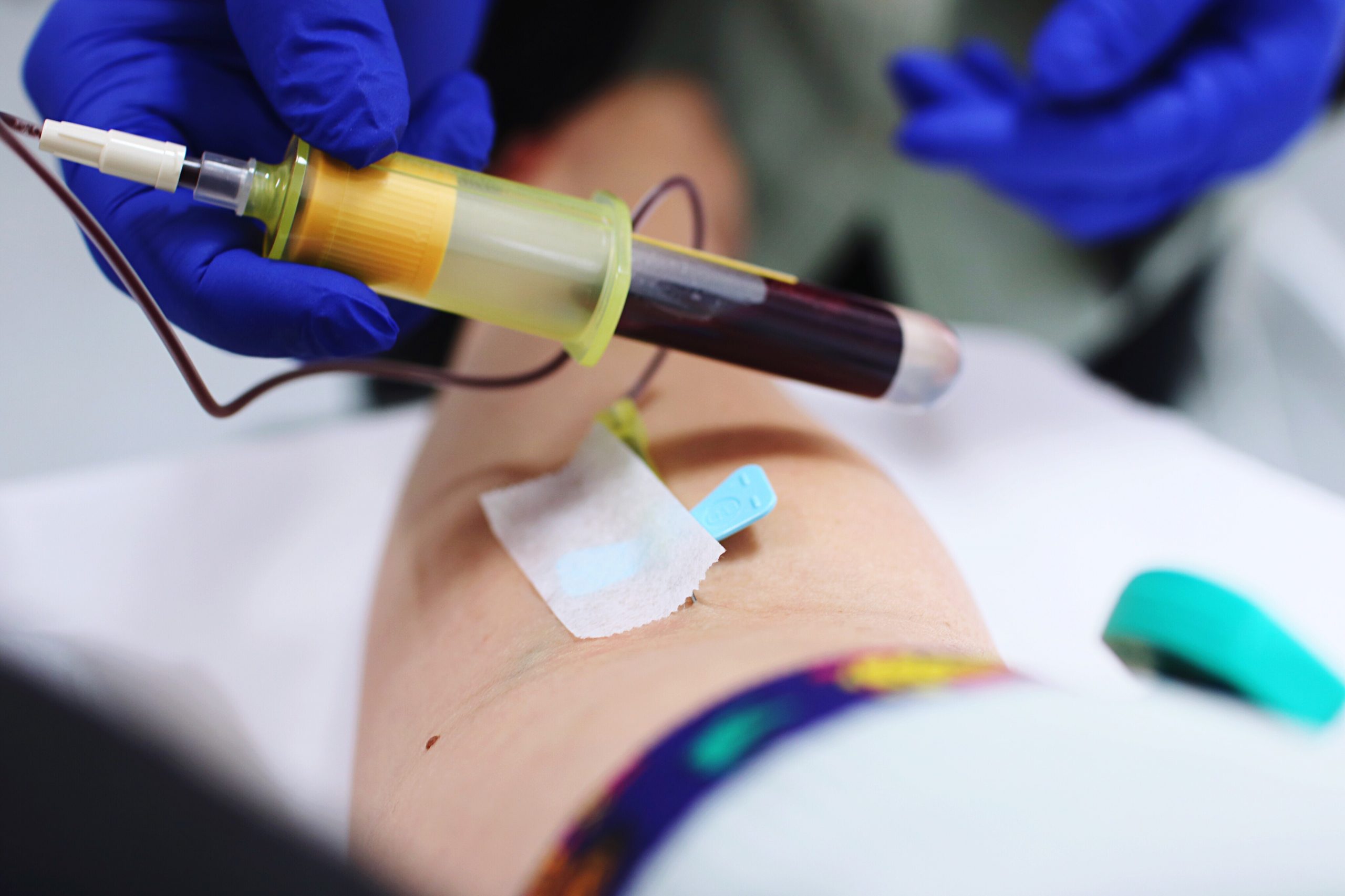
And here’s a funny one: avoid looking at the blood-collection tube. Unless you’re a vampire with a particularly refined palate, there’s really no need to stare at the little red stuff. You’ve already done your good deed; now it’s time to move on. Let the lab technicians handle the scientific analysis. Your job is done!

The Waiting Game: What Happens Next?
So, the blood has been drawn, your arm is feeling a bit better, and you’ve chugged enough water to float a small boat. Now what? Well, it's time for the waiting game. Depending on what your doctor ordered, your blood will be whisked away to a laboratory where it will be analyzed by some very clever people wearing lab coats. They'll be looking at all sorts of things, from your cholesterol levels to your vitamin D. It's like a microscopic detective agency working to give you a peek inside your body.
The time it takes to get your results can vary. Some basic tests might be back in a day or two, while more complex ones could take a week or even longer. If you’re anxious to get your results, you can always ask the phlebotomist or your doctor's office about the expected turnaround time. They can usually give you a ballpark figure. In the meantime, try not to let your imagination run wild. Your blood probably just has a minor case of the Mondays, and everything will be perfectly fine.
When your results are ready, your doctor will likely contact you to discuss them. This might be a phone call, a message through a patient portal, or an in-person appointment. Don't hesitate to ask questions! This is your health we're talking about, and you have every right to understand what those numbers and cryptic abbreviations mean. Your doctor is there to help you interpret the results and guide you on any next steps. Think of them as your personal health decoder ring.
The Bigger Picture: Why You're a Superhero
Let’s take a moment to appreciate the awesomeness that is you. You just contributed to understanding your own health, and potentially the health of others (if you’re a blood donor). That’s pretty darn incredible. Think of yourself as a tiny, walking research project, helping science and medicine move forward. You’re basically a superhero, but with less spandex and more bandages.
Blood tests are such a valuable tool for monitoring your health, detecting potential issues early, and making informed decisions about your well-being. They’re like a regular check-up for your internal systems. And by being proactive and getting your blood tested, you’re taking a huge step towards a healthier, happier future. So, pat yourself on the back! You deserve it. You’re a champion of your own health.
So, there you have it! A little post-blood test guide to keep you feeling your best. Remember to hydrate, rest up, and don't be afraid to ask questions. You’ve got this, and you’re doing a fantastic job taking care of yourself. Now go forth and enjoy your day, knowing you’ve accomplished something truly worthwhile. You’re a star, and your blood is probably pretty stellar too!