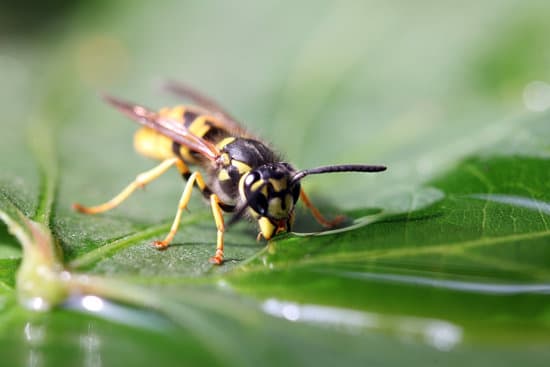
What Time Do Wasps Go To Sleep
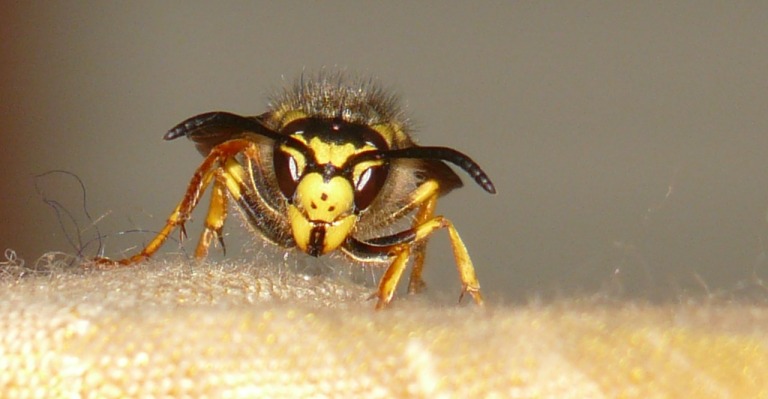
Ever find yourself staring out the window at dusk, a half-eaten biscuit precariously balanced on your plate, and you notice them? Little fuzzy bodies zipping about, seemingly with a mission? We’re talking about wasps, of course. Those industrious little aerial acrobats. And you, my friend, might have found yourself wondering, with a mix of curiosity and maybe a tiny bit of trepidation, "What time do wasps go to sleep?"
It's a question that pops into our heads, isn't it? Especially when a particularly persistent individual decides your lemonade is the hottest spot in town. Suddenly, their schedule becomes your problem. Well, let's dive into the fascinating world of wasp nocturnal habits, and trust me, it’s way more interesting (and less alarming) than you might think. Prepare to have your mind gently blown, or at least mildly amused.
The Great Wasp Shutdown: It's Not Exactly Lights Out
So, do wasps have little beds they scurry into, complete with tiny, woven blankets? Probably not. But they do have their downtime. Think of it less as a strict "lights out" policy and more as a gradual winding down. For most common wasps you’ll encounter in your garden – your yellowjackets, your paper wasps – their day typically ends when the sun dips below the horizon. It’s the ultimate natural alarm clock, wouldn't you agree?
Must Read
When the light fades, so does their foraging energy. They’re not built for navigating in the dark, you see. Imagine trying to find your car keys in a pitch-black room, and then imagine doing it while trying to dodge a hungry bird! It’s not ideal. So, as the sun goes down, they tend to head back to their nests.
Home Sweet Nest: The Wasp Sleepover
Where exactly is "home" for a wasp? It depends on the species, of course. Some, like paper wasps, build those iconic, papery nests that hang from eaves or branches. Others, like yellowjackets, might be burrowing underground. And some, like solitary wasps, might have their own little nooks and crannies, perhaps in a dead log or even in the ground. Regardless of the address, their nest is their safe haven for the night.

Once they’re inside, it’s not exactly deep sleep as we humans know it. They become much less active. Their movements slow, their metabolism drops a bit, and they essentially enter a state of rest. They might cluster together for warmth and security, which, honestly, sounds kind of cozy in a very alien, wasp-y way. Think of it as a communal nap, a buzzing, six-legged slumber party.
The Sun is Their Signal: A Masterclass in Bio-Rhythm
This whole process is driven by something called a circadian rhythm, a biological clock that’s tuned into the day-night cycle. It's a pretty amazing system. They don't need to check their smartwatches; the sun tells them when to get up and when to wind down. Pretty efficient, right? This reliance on sunlight for activity means that on cloudy days, or days with shorter daylight hours, they might head home a little earlier. Nature’s way of saying, "Eh, maybe we’ll finish that nectar hunt tomorrow."
And this is where things get really fun. Because they’re so tied to the sun, you won’t typically find them buzzing around your patio light at 10 PM. Unless, of course, you’ve really tempted them with something incredibly sweet. But generally speaking, once that twilight hits, they’re packing it in for the night. It's a predictable pattern, and knowing it can transform your relationship with these creatures from one of slight annoyance to one of curious observation.

What About Emergencies? (Or Just a Really Good Cookie)
Now, you might be thinking, "But what if I'm eating an amazing piece of cake on my porch at 9 PM, and a wasp shows up?" Well, there are always exceptions to every rule, aren’t there? A particularly enticing scent can draw them out, even if it’s pushing the boundaries of their usual bedtime. However, even then, their activity levels will be significantly reduced. They’re more likely to be slow, deliberate, and perhaps a little groggy, rather than their daytime energetic selves.
Think of it as the difference between you bounding out of bed at 7 AM ready to conquer the world, versus you at 11 PM, shuffling to the fridge for a midnight snack. Same person, different energy levels. Wasps are no different. They’re not going to be engaged in high-speed aerial dogfights after dark. They're usually just trying to get that last little morsel before they retreat to their sleepy abode.

Making Life More Fun: The "Wasp Watch" Game
Knowing when wasps typically go to sleep can actually make your outdoor experiences more enjoyable. Instead of that nagging feeling of "oh no, a wasp!", you can start playing a little game of "Wasp Watch." As dusk approaches, notice their activity levels. Do they seem a bit slower? Are they making more direct routes back to a specific area? It’s like observing tiny, winged commuters heading home after a long day of pollinating (or, you know, investigating your picnic basket).
You can even use this knowledge to your advantage! If you're planning an evening BBQ or just want to enjoy your garden with fewer buzzing visitors, timing is everything. Enjoy your early evening activities, and as the sun begins to set, you can anticipate a noticeable dip in wasp activity. It’s about understanding their rhythm, not fearing it.
A Little Respect Goes a Long Way
The truth is, wasps are fascinating creatures. They play important roles in our ecosystems, often acting as natural pest controllers. While their presence can sometimes be a bit… intrusive, understanding their basic needs, like their need for sleep, can foster a sense of respect. They’re not out to get you; they’re just living their lives, following the sun, and doing their wasp-y thing.
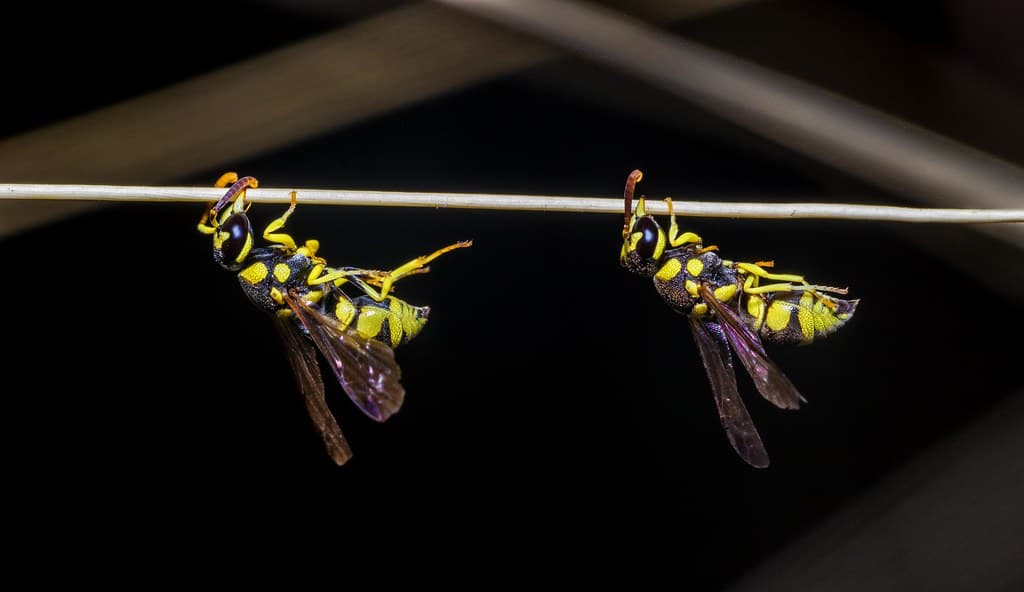
So, the next time you see a wasp, take a moment. Observe its flight patterns. Is it heading back to its nest? Is it slowing down as the light fades? You’re not just seeing an insect; you’re witnessing a tiny marvel of nature, an organism perfectly attuned to its environment. And that, my friend, is a pretty inspiring thought.
The Takeaway: Embrace the Buzz (Responsibly!)
So, to finally answer that burning question: wasps generally go to sleep (or enter a state of significant rest) as the sun sets and darkness descends. They return to their nests to conserve energy and await the dawn. It's a simple, yet elegant, part of their daily routine. It’s a reminder that even the creatures we sometimes find a little intimidating have their own rhythms, their own downtime, and their own ways of navigating the world.
Armed with this knowledge, you can approach encounters with wasps with a little more calm and a lot more curiosity. You can even feel a touch inspired, can't you? Inspired to notice the natural world around you, to understand the creatures that share our planet, and to appreciate the intricate systems that govern their lives. So go forth, observe, and let the gentle buzz of understanding make your life just a little bit brighter (and maybe a little less scary when it comes to those garden parties!). Who knows what other amazing natural wonders you'll discover when you start paying attention?