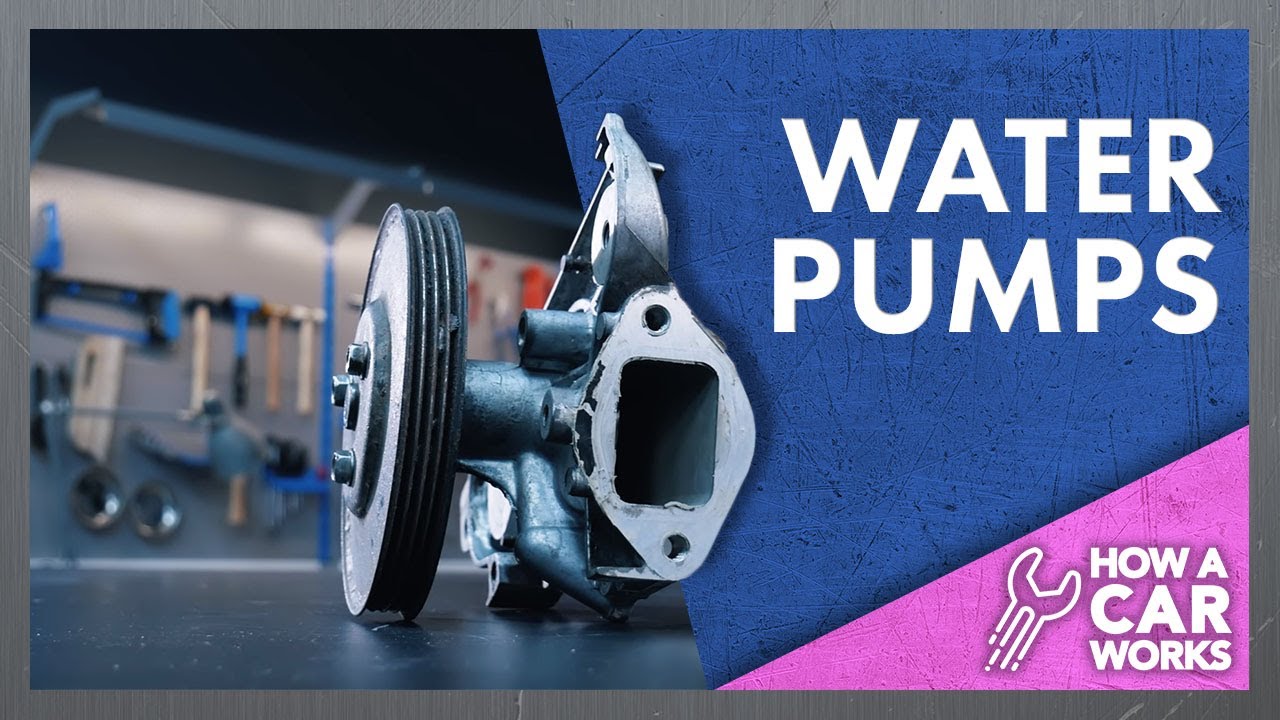
What Is Water Pump In A Car

Hey there! So, you're curious about this thing called a "water pump" in your car, huh? Good question! It’s not like your kitchen sink’s fancy gadget, but it’s seriously important. Think of it as the unsung hero of your car’s cooling system. Yeah, the one that keeps your engine from turning into a molten metal disaster. Pretty vital, right?
Ever feel that little warmth radiating from your car on a hot day? Or maybe you've seen that temperature gauge creeping up a bit too high? That's where our friend, the water pump, comes in. It’s basically the heart of your car’s cooling system. And let me tell you, it works its little metal butt off!
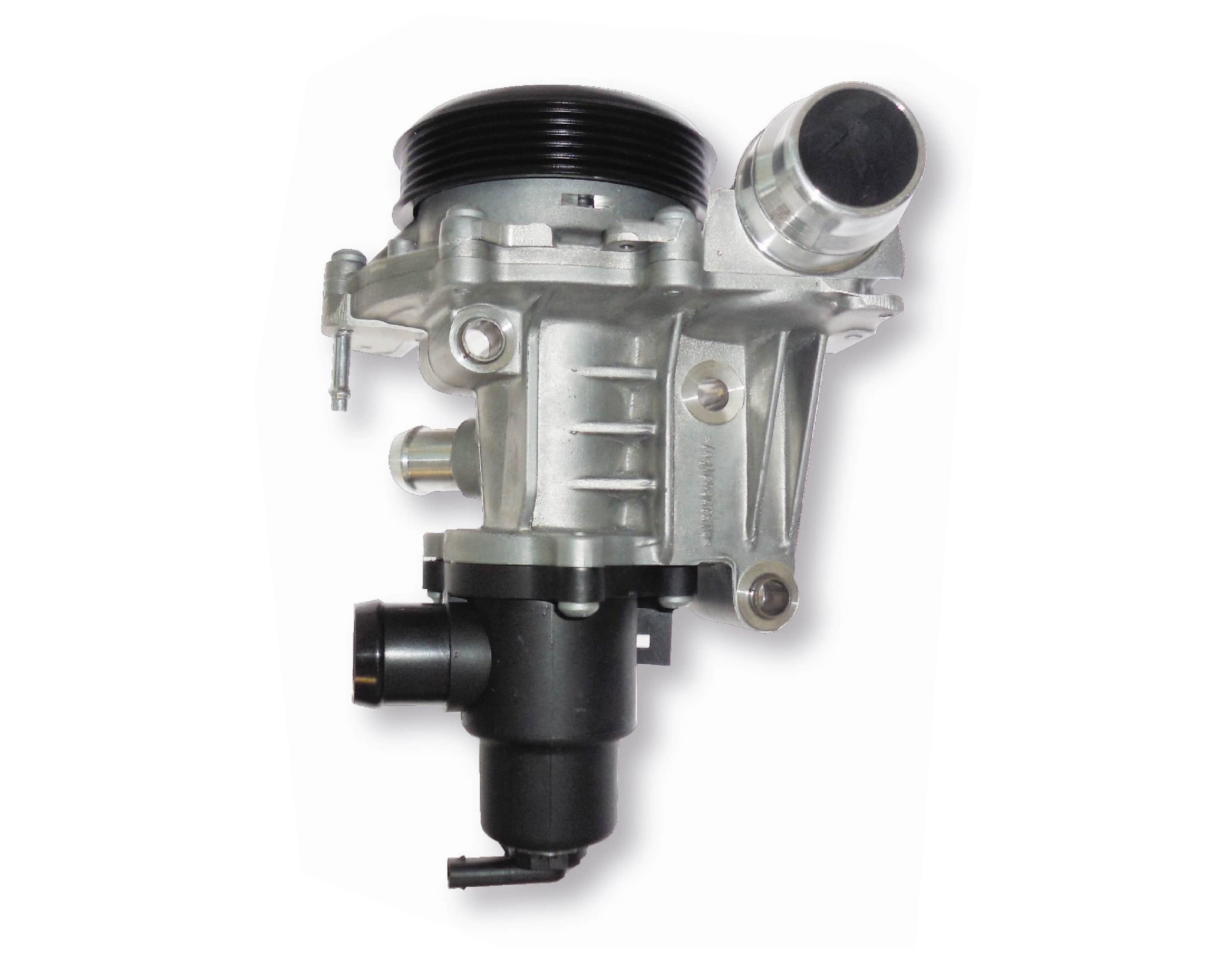
So, what exactly is it? In super simple terms, it's a pump. Mind-blowing, I know! But it’s a special kind of pump, designed to move coolant – that colorful liquid that keeps your engine from boiling over – all around your engine block. It’s a never-ending circulation party for your coolant, and everyone's invited!
Must Read
Imagine this: your engine gets hot. Like, really, really hot. All that combustion and friction, it’s a fiery business. If that heat isn’t managed, your engine would, well, spontaneously combust. Not ideal for a road trip, or, you know, driving at all. That's where the cooling system steps in. And the water pump is the key player in making that whole system actually, you know, cool things down.
It’s usually found lurking somewhere near the front of your engine. You might not even see it unless you’re really poking around under the hood. It’s often driven by a belt – sometimes the serpentine belt, sometimes a timing belt. Think of the belt as its personal trainer, giving it the juice to do its job. Without that belt, the pump is just a sad, stationary piece of metal.
Let's break down its mission. The water pump’s main gig is to circulate coolant. It sucks up the cooler coolant from the radiator (we'll get to that magical place later!) and pushes it through the engine block. As the coolant flows through the hot engine, it absorbs all that excess heat. Then, it heads back to the radiator, all warm and bothered, ready to get cooled off. It's a pretty efficient system, if you ask me. Like a never-ending hot tub, but for your engine.
Why "water pump" when it’s really "coolant pump"? That’s a fair question! Back in the day, cars just used plain old water. But as engines got more powerful and things got hotter, plain water wasn't cutting it. It would boil too easily, and in cold weather, it would freeze and expand, which is a big no-no. So, they invented coolant, which is a mix of antifreeze and water. It has a much higher boiling point and a lower freezing point. Pretty neat, huh? But the name "water pump" kind of stuck. It’s like calling your smartphone a "pocket telephone" – it gets the job done, even if it’s a bit retro.
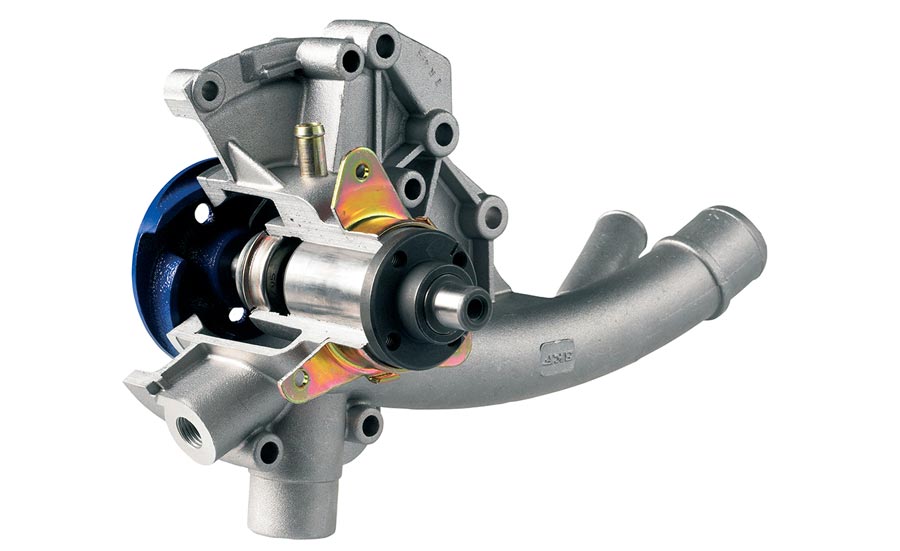
The coolant itself is a special brew. It’s not just water from the tap. It's usually a mixture of ethylene glycol or propylene glycol (the antifreeze part) and distilled water. This stuff is designed to prevent freezing, boiling, and corrosion within your cooling system. It’s like a superhero potion for your engine. And the water pump is the one making sure this potion gets to all the right places.
Think of the engine block like a complex maze of passages. These passages are where the coolant flows. The water pump’s job is to force that coolant through every nook and cranny, picking up heat as it goes. It's like a tiny, relentless delivery driver, making sure the cooling solution gets to every hot spot.
What happens when this little guy starts to get tired? Oh boy, that's when things can get…uncomfortable. A failing water pump is no joke. You might start noticing some weird noises. A grinding or whining sound is a classic symptom. It’s like the pump is groaning under the pressure, saying, "Help me, I can't do this anymore!"
Another big clue? Leaking coolant. If you see puddles of colorful liquid under your car – and no, it’s not a unicorn weeping – it’s probably a coolant leak. And guess where it’s likely coming from? Yep, the water pump. The seals can wear out, and then, uh oh, bye-bye coolant.
And then there's the dreaded overheating. This is the most obvious, and potentially the most damaging, sign. If your temperature gauge is constantly in the red zone, your water pump is probably not doing its job. Your car is basically screaming at you, "I'm too hot! I'm going to melt!" It’s a dramatic situation.
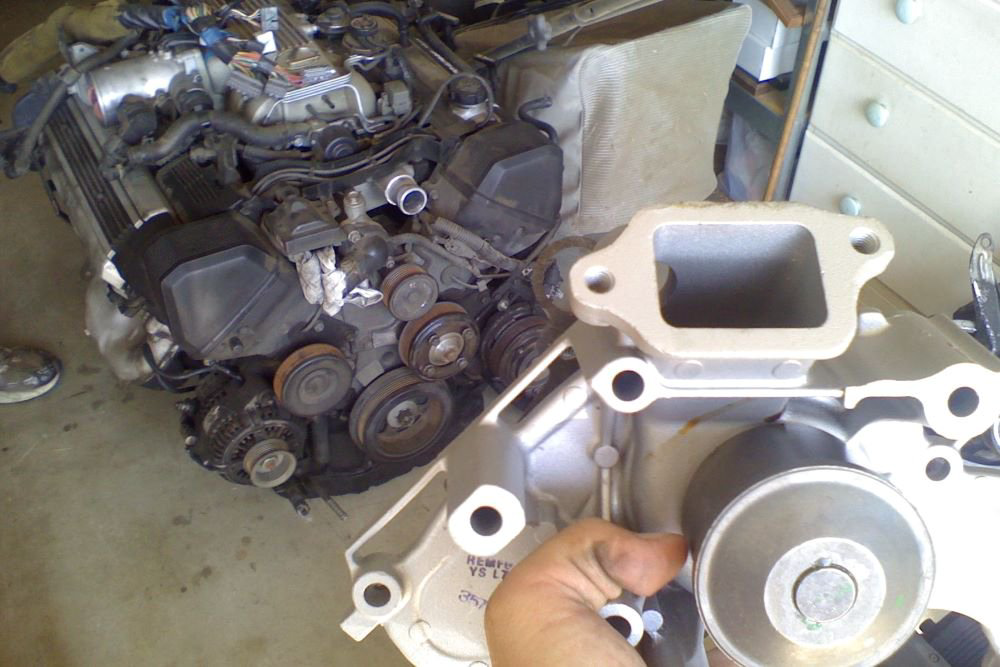
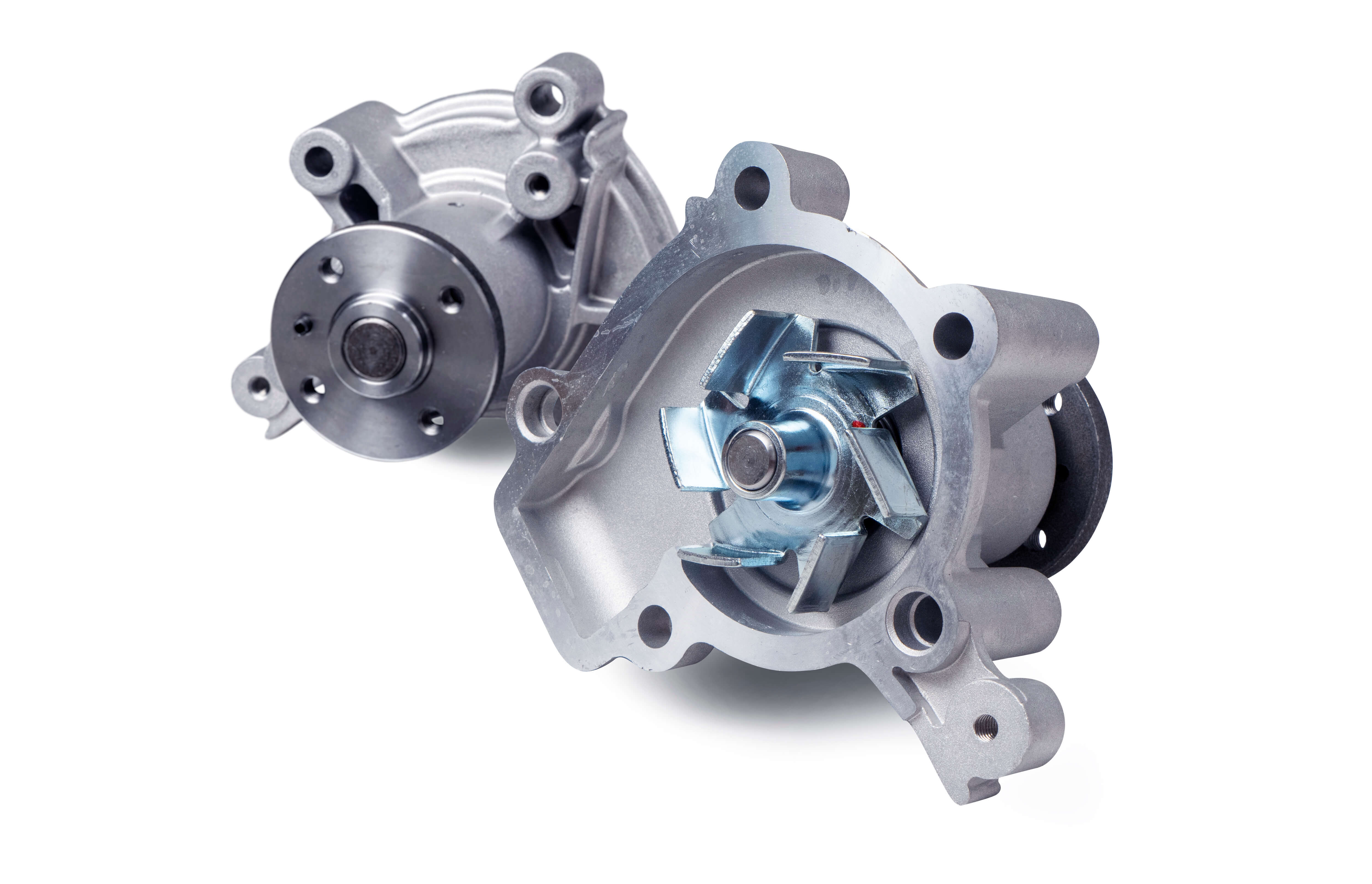
Why do they fail? Well, like anything mechanical, they don't last forever. Seals can degrade over time, bearings can get worn out, and sometimes, the impeller (that's the part that actually moves the fluid) can get damaged. It’s a tough life for a little pump, constantly dealing with hot liquids and mechanical stress. It’s not exactly a spa day for your water pump.
If you suspect your water pump is on its last legs, it's super important to get it checked out. Ignoring it can lead to some seriously expensive repairs. We're talking blown head gaskets, warped cylinder heads – the whole nine yards of automotive misery. A little preventative maintenance or a timely repair can save you a ton of cash and headaches down the road. Seriously, it’s cheaper to replace a water pump than to rebuild an engine. Just saying.
The good news? Most mechanics can spot a bad water pump pretty easily. They’ll listen for those tell-tale noises, check for leaks, and might even do a pressure test on the cooling system. It's usually a pretty straightforward diagnosis.
Replacing a water pump can be a bit of a job, though. It often involves draining the coolant, removing other parts to get access, and then putting it all back together. It’s not usually a DIY job for the faint of heart, unless you're a seasoned grease monkey. But for a professional mechanic, it’s a routine repair. They do this stuff all day, every day.
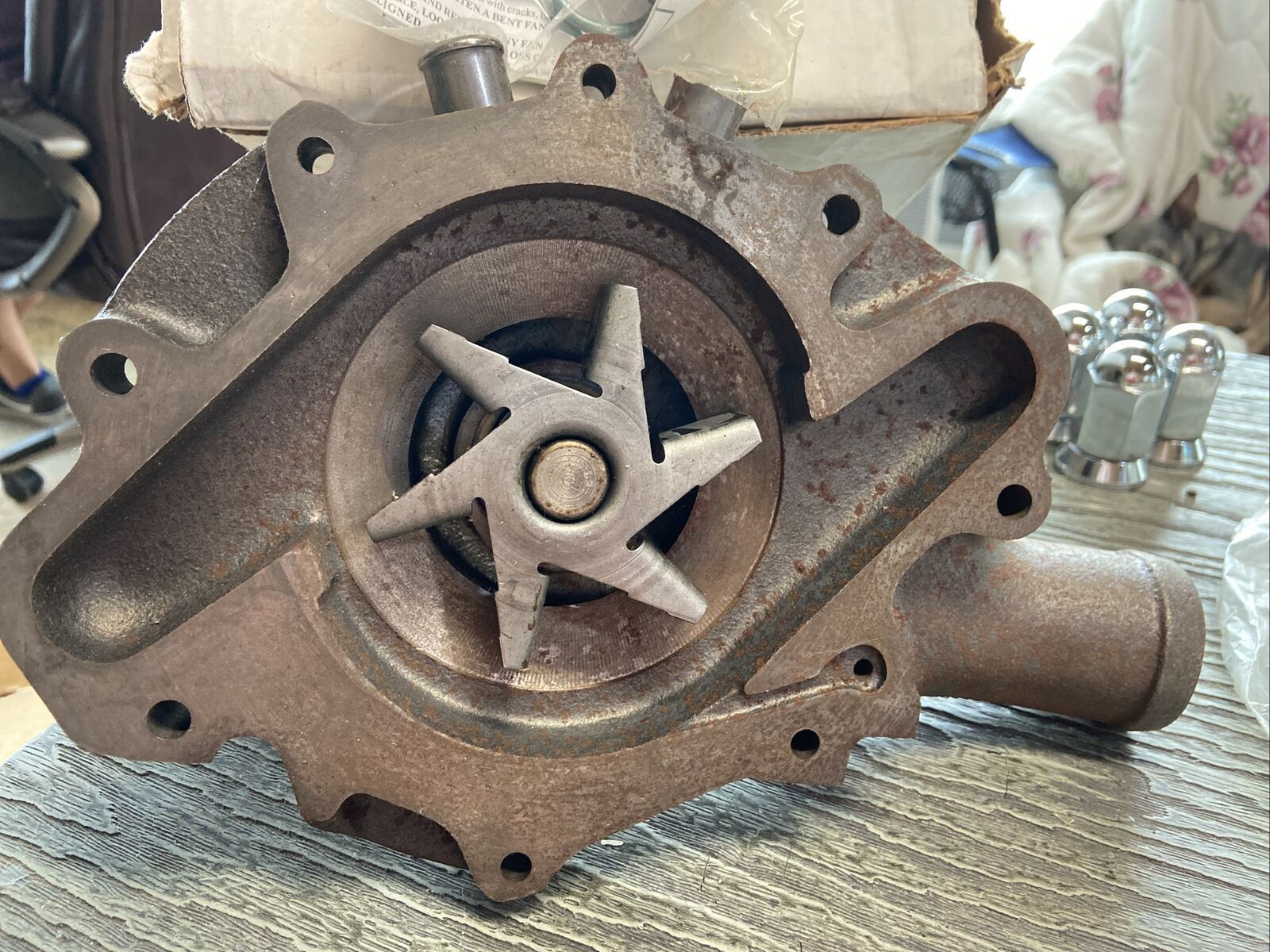
So, to recap: the water pump is the circulator of your engine’s lifeblood – the coolant. It keeps everything from overheating, which, as we’ve established, is a really, really bad thing. It’s a crucial component, often overlooked until it starts making funny noises or causing your car to throw a tantrum by overheating.
It’s a small part, but its impact is huge. Without a working water pump, your car is essentially a ticking time bomb of molten metal. Not the kind of excitement you want on your morning commute, right? So, next time you’re cruising down the road, give a silent nod of appreciation to your water pump. It’s working hard, keeping you cool and collected, literally.
Think of it like this: if your car's engine is a body, the water pump is its heart. It’s constantly pumping essential fluid to keep things running smoothly. A healthy heart means a healthy body, and a healthy water pump means a healthy engine. Simple, right?
The radiator is like the engine's air conditioner. Coolant flows through it, and air passes over it, helping to dissipate the heat. But the radiator can only do its job if the water pump is actively sending hot coolant its way. It's a team effort, really. The water pump is the delivery service, and the radiator is the cool-down zone.
Sometimes, you’ll see a dedicated thermostat in the system too. That’s like a little temperature regulator. When the engine is cold, it might keep the coolant from flowing to the radiator, allowing the engine to warm up faster. Once it reaches optimal temperature, it opens up, letting the coolant do its cooling thang. The water pump is still going, though, just directing the flow based on what the thermostat says. It’s all about efficiency!
And don’t forget about the coolant reservoir! That’s like the overflow tank for your coolant. When the coolant heats up, it expands. The reservoir gives it somewhere to go, preventing pressure buildup. When it cools down, it gets sucked back into the system. It’s like a little safety valve for your coolant’s expansion and contraction. Again, the water pump is involved in making sure things are circulating properly.
So, as you can see, it’s not just one lonely part doing all the work. It’s a whole team dedicated to keeping your engine at its happy medium temperature. But at the center of it all, making the magic happen, is that trusty water pump. It’s the engine’s best friend, working tirelessly to prevent a meltdown.
If you're ever curious, pop your hood (when the engine is cool, of course!) and take a peek. You might be able to spot your water pump, or at least the belt that drives it. It’s a good way to get more familiar with what’s going on under there. Knowledge is power, and in this case, it’s also engine-saving power!
And remember, regular maintenance is your friend. Getting your coolant flushed and replaced at the recommended intervals can help keep your water pump and the entire cooling system in tip-top shape. It’s like giving your engine a refreshing spa treatment. Who wouldn't want that?
So, there you have it! The humble, yet mighty, water pump. It’s the unsung hero of your car's cooling system, working behind the scenes to keep your engine from turning into a fiery inferno. Pretty cool, huh? Or, rather, pretty coolant.