What Is The Best Meat For Dogs
Ah, our furry companions! There's a special kind of joy that comes from seeing that tail wag furiously when you walk in the door, or the contented sigh they let out when snuggled up beside you. For many of us, our dogs aren't just pets; they're cherished members of the family. And just like we want the best for our human loved ones, we naturally want to provide our canine pals with the very best, especially when it comes to their diet. So, it's no surprise that the question of "What is the best meat for dogs?" pops up quite a bit. It’s a question born out of love and a desire to ensure our pups are healthy, happy, and thriving.
The purpose of choosing the right meat for your dog goes beyond simply filling their food bowl. A well-balanced diet, rich in high-quality protein, is absolutely crucial for their overall well-being. Meat is a powerhouse of essential nutrients that dogs need to build and repair tissues, produce enzymes and hormones, and maintain a strong immune system. It provides them with the energy they need for all those zoomies in the park and the focused attention during training sessions. For puppies, it's vital for growth and development, while for senior dogs, it helps maintain muscle mass and overall vitality.
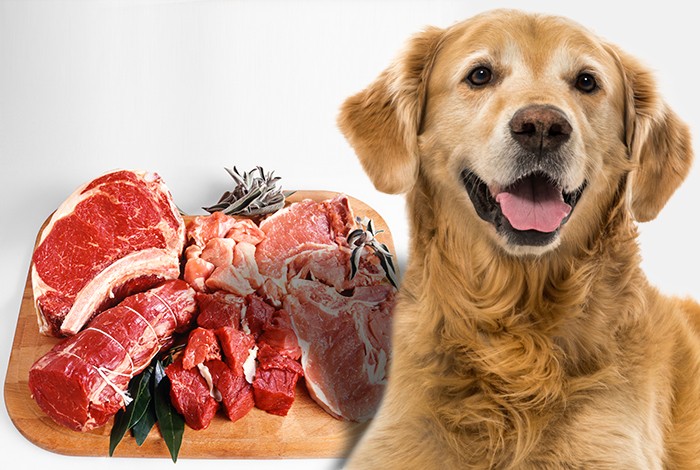
When we talk about "the best meat," it's less about a single definitive answer and more about understanding what makes certain meats beneficial. You'll often hear about various options like lean beef, which is packed with iron and protein. Then there's chicken, a readily available and digestible protein source that many dogs do very well on. Turkey is another excellent choice, often lower in fat than chicken. For those looking for something a little different, lamb can be great for dogs with sensitive stomachs, and fish (like salmon or sardines, properly prepared and deboned) offers omega-3 fatty acids, which are fantastic for skin and coat health. Many commercially available dog foods will list these as primary ingredients, but you can also explore these options if you're preparing homemade meals, always in consultation with your veterinarian, of course.
Must Read
So, how can you make the most of choosing and feeding your dog the best meat? First, variety is key, within reason. Offering a rotation of different protein sources can ensure a broader spectrum of nutrients. However, if your dog has a known allergy or sensitivity, stick to what you know works. Always ensure any raw meat is handled with the same hygiene precautions you would use for your own food to prevent cross-contamination. For cooked meats, keep them plain – no spices, no onions, no garlic, as these can be harmful. If you're feeding a commercial food, look for a high-quality brand where meat is listed as the first few ingredients. And, perhaps most importantly, listen to your dog. Pay attention to their energy levels, coat condition, and digestive health. These are often the best indicators of whether their diet is truly serving them well. Consulting with your veterinarian is always the most reliable way to determine the absolute best dietary choices for your individual dog's needs and life stage.