What Is A Cv Boot On A Car

Hey there! So, let's talk about something you probably haven't given much thought to, unless, of course, your car's been making some weird clicking noises. We're diving into the nitty-gritty of your car's guts today, and specifically, we're going to get friendly with the humble, yet oh-so-important, CV boot.
Think of your car like a really cool, mobile machine. It’s got all these moving parts, right? And some of those parts need a little… lubrication. Protection. You know, the VIP treatment. That's where our star player, the CV boot, comes in. Ever wondered what that rubbery-looking thingy is down near your wheels?
Yup, that’s probably it! Looks kinda like a deflated party balloon, doesn't it? But don't let its somewhat sad appearance fool you. This little guy is a superhero in disguise, working tirelessly to keep your car moving smoothly. Seriously, it’s the unsung hero of your drivetrain. Who knew?!
Must Read
So, What Exactly Is A CV Boot?
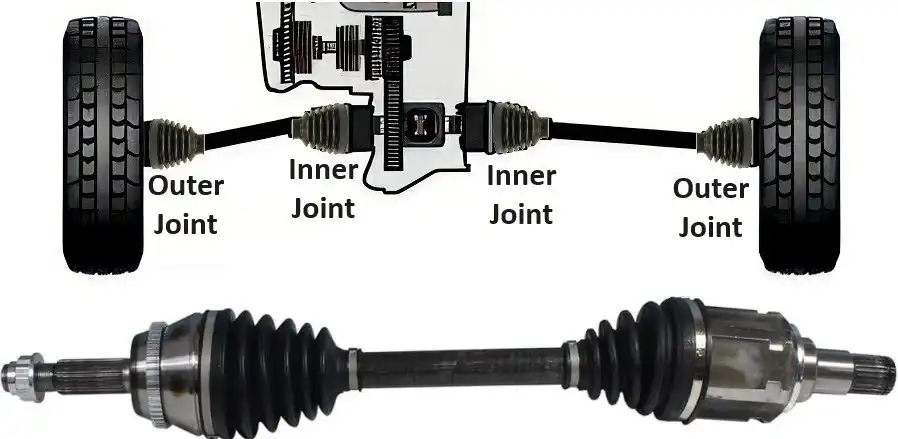
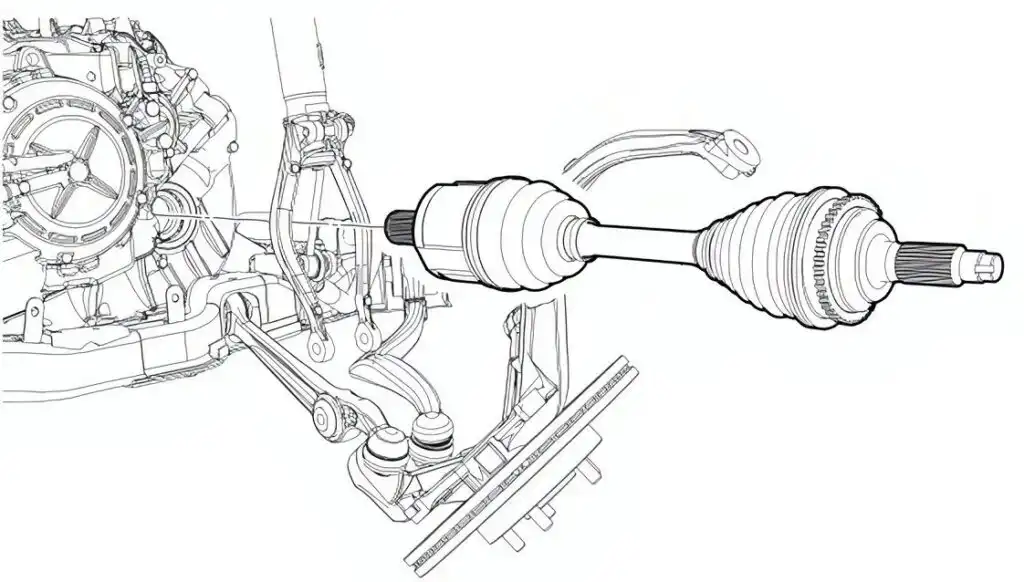
Alright, let's get down to brass tacks. CV stands for Constant Velocity. Fancy, right? And a "boot" is just… well, it's a boot! It's a protective cover, kind of like a little rubber sock, that encases a critical joint on your car's axle. These are usually found on front-wheel-drive cars, but you'll see them on all-wheel-drive and rear-wheel-drive vehicles too, particularly for the independent suspension bits.
These CV joints? They're the wizards that allow your wheels to both steer and receive power from the engine simultaneously. Pretty neat trick, huh? Imagine trying to turn your steering wheel while your car is still trying to push itself forward. It’d be a whole lot of jerky, angry metal. The CV joint makes that whole "turning and going" thing happen without a hitch. It allows for a smooth, consistent flow of power, no matter what angle your wheel is at.
And that little rubber boot we’re so fascinated by? Its sole purpose in life is to keep all that precious grease inside the CV joint and all the nasty road gunk (think dirt, water, salt, your neighbor’s questionable landscaping debris) outside. It’s like a bouncer for your car’s joints, keeping the good stuff in and the bad stuff out. Essential, really.
Why Should I Even Care About This Rubber Thingy?
Great question! It’s easy to ignore what you can’t see, right? But trust me, when this little boot decides to call it quits, you’ll definitely notice. And then you'll wish you'd paid attention to this coffee chat.
The main enemy of a CV boot is time and the elements. Exposure to sunlight, heat from the brakes and engine, and the sheer flexing and twisting your suspension does on a daily basis… it all takes a toll. Over time, that rubber can get brittle, crack, or even tear. Think of it like an old rubber band that’s been sitting in the sun too long. It loses its elasticity, becomes fragile, and snaps. Same concept, but with a lot more car parts involved.
And what happens when that boot tears? Disaster! Well, maybe not full-on disaster, but it’s definitely the start of a downhill slide. Once that protective seal is broken, the grease that lubricates the CV joint starts to escape. It's like letting the air out of a balloon, but instead of deflating, it’s just… leaking out. Slowly at first, then maybe a bit more. And as the grease leaks out, the joint starts to get dry. Dry joints are unhappy joints, folks.
At the same time, all that lovely dirt, water, and grit from the road? It's now making its way into the CV joint. Imagine sand in a very finely tuned machine. Not good. That abrasive gunk starts to grind away at the metal components inside the joint. It’s like a tiny, internal sandblaster, working away every time you drive.
So, you've got a dry, gritty CV joint that's supposed to be spinning at potentially high speeds. What do you think happens next? Yup, you guessed it: noise. And not just any noise. The classic symptom of a torn CV boot is that distinctive clicking or popping sound, especially when you're turning. You'll usually hear it more prominently when you’re turning in one direction, and it’ll be coming from that side of the car. It’s the sound of your CV joint saying, "Help me! I'm being slowly destroyed!"
The Progression of CV Boot Doom (Don't Worry, It's Not That Scary)
Let’s break down the likely progression of events if you ignore a torn CV boot. It’s not like your car is going to spontaneously combust, but it’s definitely a path you don’t want to go down.
Stage 1: The Quiet Leak. At first, you might not even notice anything. The boot has a small tear, and a tiny bit of grease is escaping. No noise yet. Your car is probably still driving perfectly fine. This is the prime time to catch it, usually during a routine inspection. A good mechanic will spot that little split and say, "Hey, we should probably get on this before it becomes a bigger deal."
Stage 2: The Lubrication Scramble. As more grease leaks out, the CV joint starts to suffer. It's running on fumes, so to speak. The metal parts are no longer nicely bathed in protective lubricant. They're starting to feel the friction. You might still not hear anything, but the internal damage is slowly progressing.
Stage 3: The Great Escape and the Grinding Begins. Now, the tear in the boot is likely getting bigger. More grease is flying out, and more road debris is making its way in. This is when the grinding and wearing starts to become more pronounced. The clicking and popping sounds when you turn will likely begin here. It’s your car’s way of giving you a polite, yet insistent, warning.
Stage 4: The Clicking Chorus. The clicking becomes more noticeable. It’s there every time you turn. It’s annoying. It's a constant reminder that something is not right. You might start to wonder if that noise is just “part of the car now.” Spoiler alert: it’s not.

Stage 5: The Catastrophic (but avoidable) Failure. If left unchecked for way too long, the CV joint can completely disintegrate. Think of it like the grease is gone, the metal is ground down to dust, and the joint can no longer do its job. In extreme cases, the axle could even break. If this happens while you’re driving… well, let’s just say it’s not a fun experience. Your car will likely lose power to that wheel, and you’ll be stranded. And the repair bill? Oh boy. Replacing a boot is one thing. Replacing a whole axle, or even more? That's a whole different ballgame, and a much more expensive one.
Can I Just Patch It Up?
So, you’ve got a torn boot. Can you just slap some duct tape on it and call it a day? In a word? No. Please, for the love of your car’s health and your wallet, don’t do that. Duct tape might hold a leaky pipe together for a bit, but it’s not going to withstand the forces and conditions your CV boot endures.
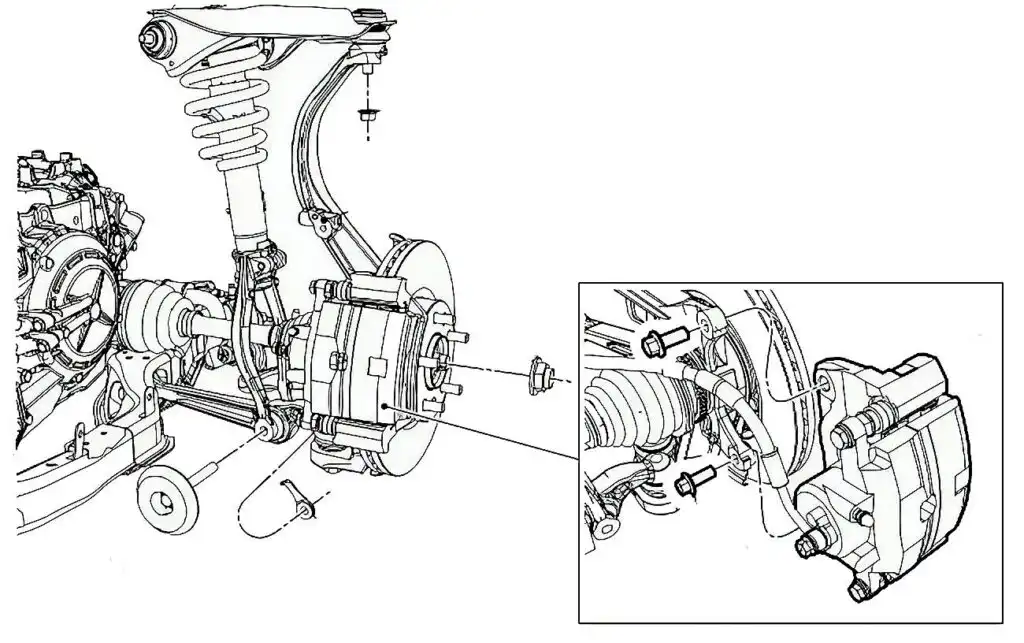
The proper repair is usually a replacement of the entire CV boot. This involves taking apart the axle assembly, cleaning out the old, contaminated grease, installing a new, shiny rubber boot, and then packing it with fresh, high-quality CV grease. It’s a detailed job, but it’s far less expensive than replacing the entire CV joint or axle.
Sometimes, if the tear is very minor and caught very early, a mechanic might be able to offer a more involved repair, perhaps involving a specialized sleeve and sealant. But honestly, in most cases, a full boot replacement is the way to go. It's the most reliable and cost-effective long-term solution.
When to Be on Alert (Besides the Clicking!)
While the clicking noise is the big flashing neon sign, there are other things to keep an eye out for:
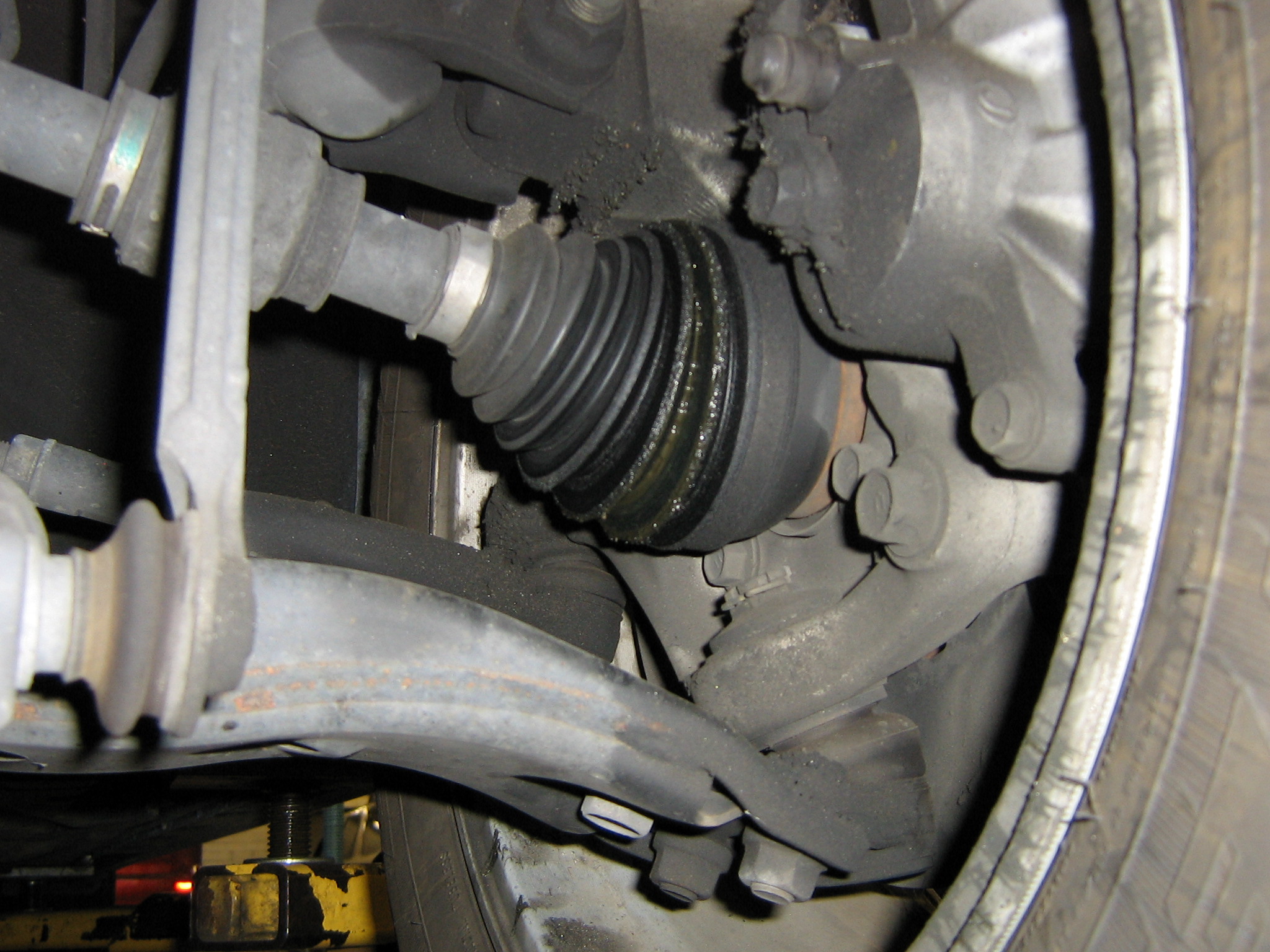
- Grease Splatter: If you see greasy splatters on the inside of your wheel or on the suspension components nearby, that's a pretty good sign that grease is escaping from your CV boots. It looks like black, sticky goo. Not pretty.
- Cracked or Dry Boots: Even without a full tear, if you visually inspect your CV boots (or have your mechanic do it) and they look excessively dry, brittle, or have visible cracks, it’s a good idea to get them replaced before they tear. Proactive is key here!
- Uneven Tire Wear: Sometimes, issues with the CV joints can lead to other suspension problems, which might manifest as uneven tire wear. This is a bit more of a downstream effect, but it's worth mentioning.
The Bottom Line: A Little Boot, A Big Difference
So there you have it. The CV boot. That unassuming rubber protector down by your wheels. It might not be as exciting as a roaring engine or sleek bodywork, but its job is absolutely crucial. It’s the guardian of your car’s smooth, powerful turns.
Ignoring a torn CV boot is like ignoring a small leak in your roof. It might seem minor now, but it can lead to much bigger, more expensive problems down the road. The clicking noise is your car’s plea for attention. Listen to it! A relatively inexpensive boot replacement can save you a fortune in potential CV joint or axle repairs.
Next time you’re getting your oil changed or your tires rotated, ask your mechanic to give your CV boots a quick once-over. It’s a small thing, a quick visual check, that could save you a world of hassle. Think of it as a friendly handshake with your car’s vital components. And who doesn’t want a friendly handshake with their car?
So, next time you hear that little clickety-clack, don't dismiss it. It's your CV boot telling you it needs a little TLC. And with a little TLC, you can keep your car rolling smoothly and happily for miles to come. Happy driving!