What Does The 30 Mean In 5w 30
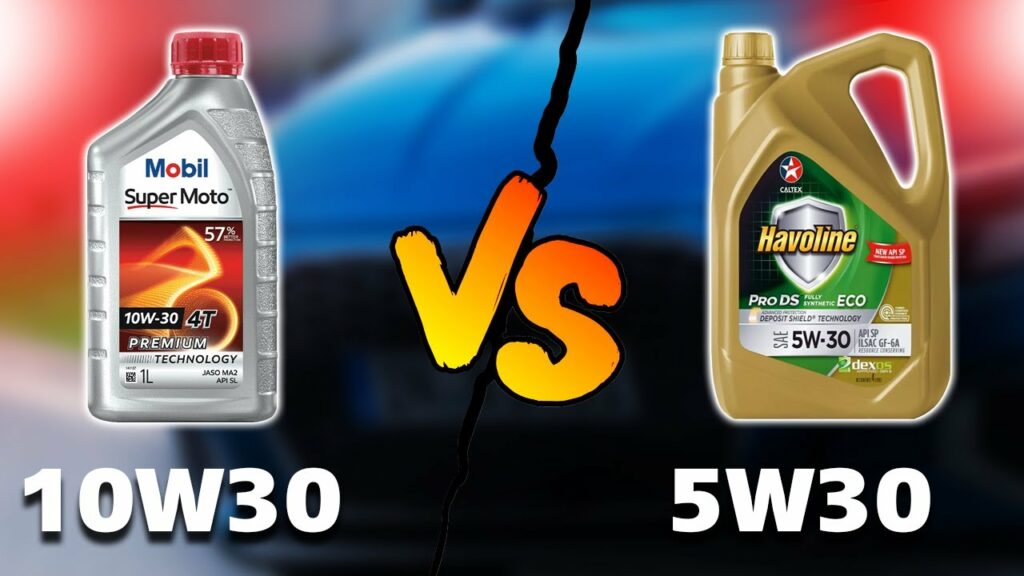
Ever glance at the label on your car's oil bottle and wonder what all those cryptic numbers and letters actually mean? If you've ever pondered the mysterious "30" in "5W-30," you're not alone! It's one of those everyday details that can feel a bit like a secret code. But understanding it is actually quite simple, and frankly, kind of neat. It’s like unlocking a little piece of engineering knowledge that directly impacts the life and performance of your vehicle.
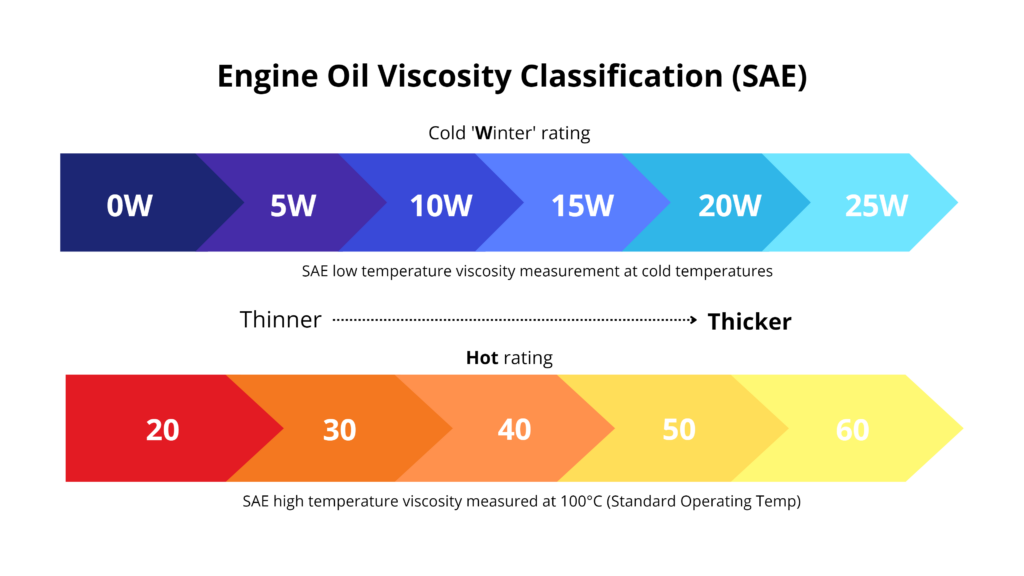
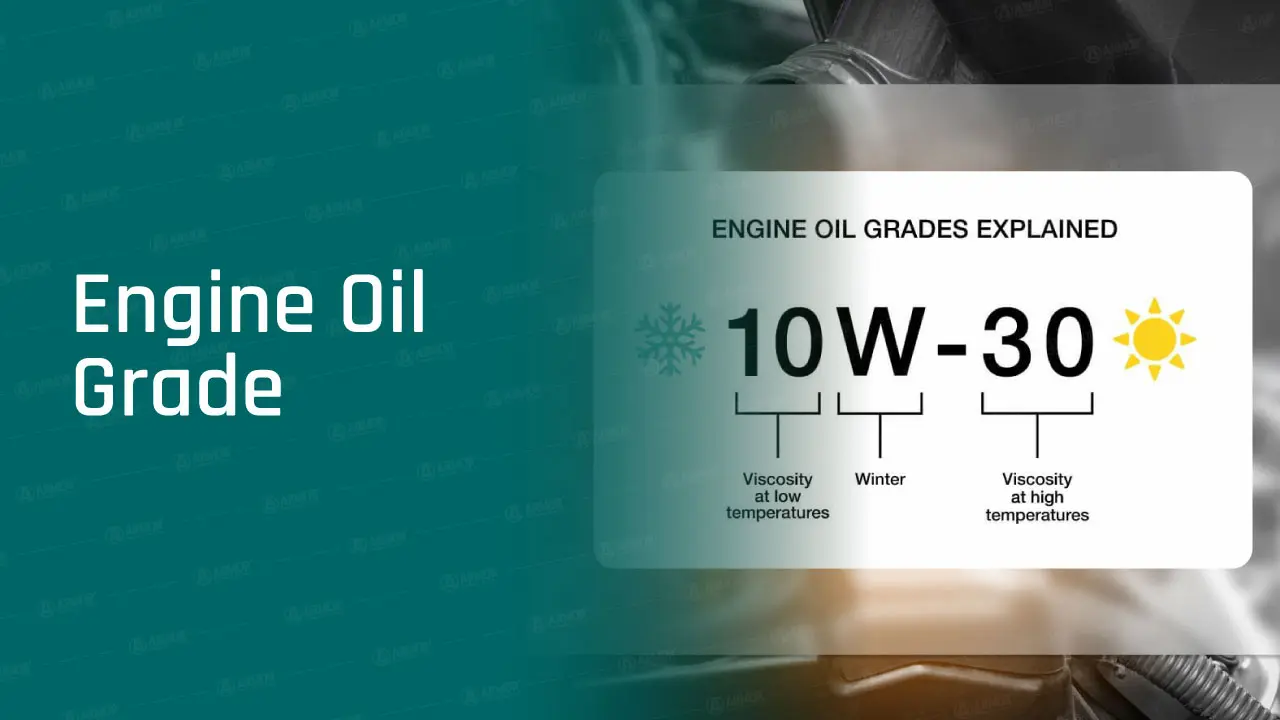
So, what exactly does that "30" signify in the world of motor oil? In simple terms, the "30" refers to the oil's viscosity, specifically its viscosity at operating temperature. Viscosity is essentially how thick or thin a fluid is. Think of honey versus water – honey is much more viscous. So, a higher number generally means a thicker oil.
Why is this important? Well, the right viscosity is crucial for your engine's health. Oil's primary job is to lubricate moving parts, reducing friction and wear. At high temperatures, when your engine is running, the oil needs to be thick enough to maintain a protective film between those metal components. If it's too thin, it can't effectively do its job, leading to increased wear and tear, and potentially even engine damage. Conversely, if it's too thick at cold temperatures, it can make it harder for the engine to start and can impede oil flow when it's needed most. The "30" in 5W-30 indicates that when the engine is warm and operating, the oil has a viscosity that's considered moderate – not too thin, not too thick. This makes it a very popular and versatile choice for many modern cars, offering a good balance of protection in a wide range of conditions.
Must Read
This concept of viscosity and its role in performance isn't just confined to car engines. Think about the fluids we use in everyday life. In the kitchen, you choose different types of cooking oil based on whether you're frying (which requires higher heat and thus a more stable oil) or making a salad dressing. Even something as simple as pouring syrup from a bottle versus pouring water demonstrates the concept of viscosity. In a more technical sense, understanding viscosity is vital in fields like engineering, chemistry, and manufacturing where the flow properties of liquids are critical to processes and product quality.
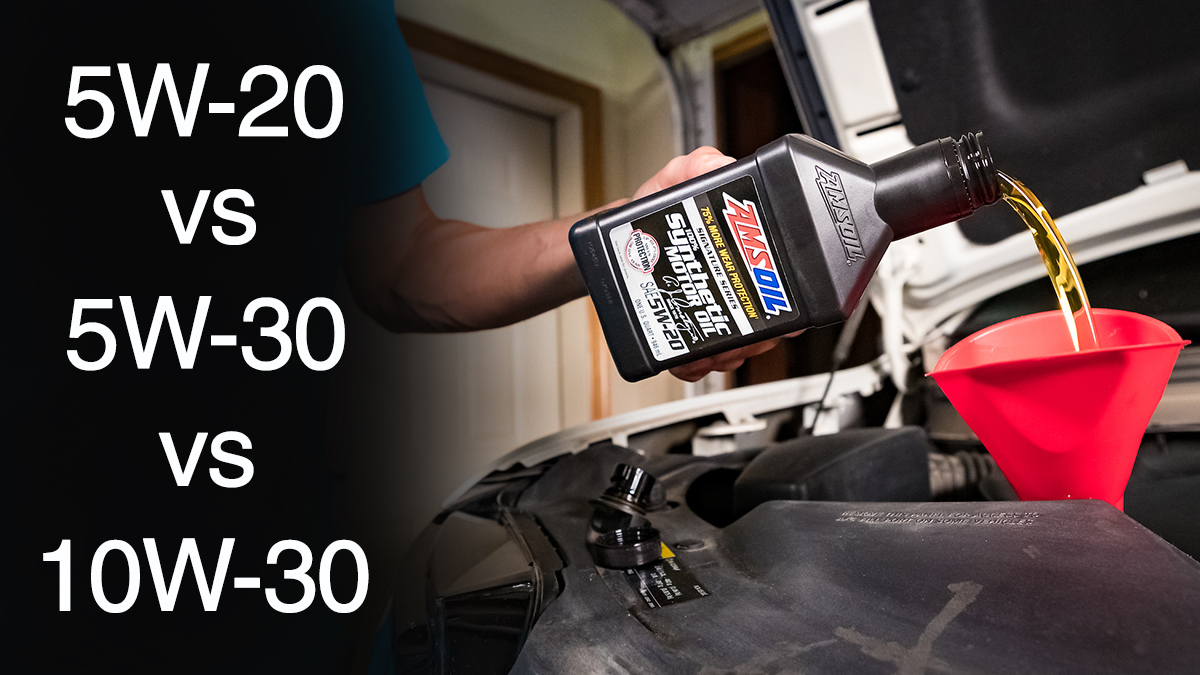
Exploring this further is surprisingly easy. The next time you're at an auto parts store, take a moment to look at the different oil grades available. You'll see numbers like 5W-20, 10W-30, and even heavier weights. You can then do a quick online search for "motor oil viscosity grades" to see charts that illustrate these differences. You might even find some fun videos demonstrating how different viscosities pour or behave at various temperatures. It’s a small dive into a fascinating aspect of the technology that keeps our world moving.