What Age Can A Male Dog Breed
Hey there, fellow dog lovers! Ever find yourself gazing into your furry best friend's adorable eyes and wondering, "When does this little dude officially become a grown-up gentleman capable of… well, you know… fatherhood?" It’s a question that pops up for a lot of us, especially when we’re considering our boy dogs. And let me tell you, it’s not as straightforward as a flick of a switch! Think of it more like a slow bloom, a gradual ripening of puppyhood into young manhood. So, grab a cuppa, settle in, and let’s have a friendly chat about when our canine chaps are ready to take on the mantle of "stud muffin."
First off, let's dispel a common myth. Just because your male dog’s testicles have dropped doesn't mean he's instantly ready to be a dad. That's like saying because a teenager has a driver's license, they're automatically a seasoned race car driver. Not quite the same thing, is it?
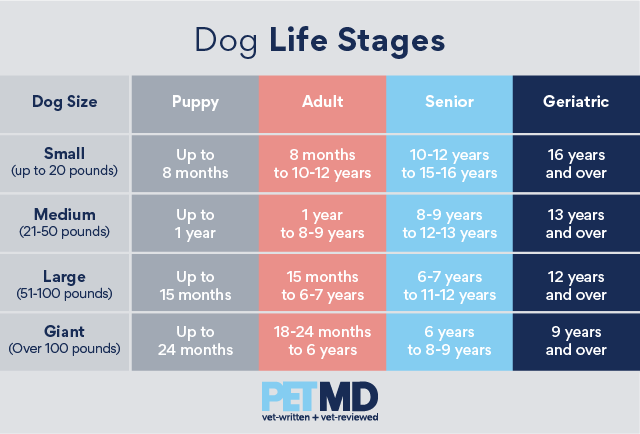
So, what is the magic number? Generally speaking, a male dog can become fertile and capable of fathering puppies anywhere from 6 months to 1 year of age. But here’s the kicker: it’s a spectrum, not a hard rule! Just like humans, dogs develop at their own pace. Some pups are early bloomers, while others take a little more time to reach maturity. It’s like a doggy puberty, and it can be a bit of a rollercoaster!
Must Read
What influences this timeline, you ask? A few things, actually! Breed plays a huge role. Smaller breeds, like Chihuahuas or Miniature Poodles, often mature sexually a bit earlier than their larger counterparts. Think of it this way: a tiny acorn might sprout faster than a giant oak sapling, right? Larger breeds, such as Great Danes or Mastiffs, might take closer to that 1-year mark, or even a little beyond, to be fully reproductively capable.
Then there's also individual genetics. Just like some humans are naturally taller or have different physical characteristics, some dogs are just genetically predisposed to mature faster or slower. So, even within the same breed, you'll see variations. It’s all part of what makes each dog so unique and wonderful!
Now, let’s talk about the physical signs that your boy is entering his fertile phase. One of the most obvious is the descent of his testicles. This usually happens within the first few months of his life. If, by some chance, they haven't descended by the time he’s around 6 months old, it's definitely worth a chat with your vet. It's called cryptorchidism, and while not super common, it's something that needs to be addressed. But assuming all is well in that department, their presence is a good indicator that his reproductive system is starting to get serious.
Another tell-tale sign? Increased interest in females in heat. If your normally chill dude suddenly starts doing his best impression of a bloodhound, sniffing every patch of grass with newfound intensity and looking at female dogs with a very specific, focused gaze, that's a pretty good hint that his hormones are kicking in. He's noticing the ladies, and they're noticing him (or at least, he thinks they are!). This is when those playful nips and chases can take on a whole new meaning.
You might also notice an increase in marking behaviour. He’ll be lifting his leg more frequently, often on vertical surfaces like fire hydrants or lampposts. This is his way of leaving his scent, communicating his presence and his availability. It’s like leaving little business cards all over town, a very canine form of social media!

And let's not forget about behavioural changes. Some young male dogs, as they reach sexual maturity, can become a bit more assertive, perhaps even a tad more prone to showing off or establishing dominance. They might be more vocal, more restless, and generally just have a different energy about them. It’s like they’re growing into their own skin, and sometimes that involves a bit of boisterousness. It's important to remember this is a natural part of their development, and consistent training and socialization are key during this time.
So, why is this knowledge important? Well, for starters, responsible pet ownership! If you're not planning on breeding your dog (and let's be honest, most of us aren't), then neutering is a really important consideration. Neutering is the surgical removal of the testicles, and it has a whole heap of benefits, not just for your dog but for the wider community. It significantly reduces the risk of certain cancers, can curb undesirable behaviors like roaming and marking, and, most importantly, prevents unwanted pregnancies. Less adorable little pups wandering the streets looking for homes is always a good thing, right?

When should you consider neutering? Again, it's a bit of a discussion, but many vets recommend it between 6 months and 1 year of age, often coinciding with when they reach sexual maturity. Some studies suggest that waiting a bit longer for larger breeds might have skeletal development benefits, but this is something to discuss with your vet. They can give you tailored advice based on your dog’s breed, size, and overall health.
Now, let's say you are considering breeding. This is a whole other ballgame, and it requires serious thought, research, and responsibility. It's not just about letting two dogs "do their thing" and hoping for the best. Responsible breeding involves health testing of both parents to ensure they don't pass on genetic diseases, understanding breed standards, planning for the puppies' future, and having the resources to care for them properly. It's a big commitment, and honestly, it’s not for the faint of heart. If you're even thinking about it, please, please, please do your homework and consult with experienced, reputable breeders and your veterinarian.
Think about it: a healthy, happy litter of puppies requires careful planning, good nutrition, proper veterinary care throughout the pregnancy and birth, and a whole lot of love and attention for both the mother and her offspring. It’s a full-time job, and then some!

Let’s zoom back out for a moment. Regardless of whether you’re planning for a future of tiny pups or a life of contented bachelorhood for your boy, understanding his sexual maturity is key to being the best dog parent you can be. It helps you anticipate changes in his behaviour, make informed decisions about his health, and ensure he’s safe and well-cared-for during this significant developmental phase.
It’s easy to get caught up in the "when." When can they breed? When should they be neutered? But the real answer, as with so many things in life, is that it's a journey. Your male dog isn’t going to suddenly wake up one morning and decide, "Right, time to start a family!" It’s a gradual process, marked by subtle (and sometimes not-so-subtle) shifts in his behaviour and physical development.
So, the next time you’re watching your furry friend chase a ball or snuggle up on the couch, remember that he’s on his own unique path of growth. Whether he’s a few months away from being a potential papa or a lifetime cherished companion, he’s doing a pretty fantastic job of being a dog. And that, my friends, is something to celebrate, no matter what age he is. Here's to our wonderful male pups, in all their stages of glorious doggy development!