Water In The Oil Of The Engine
Hey there, gearheads and curious cats! Ever looked at your car’s dipstick and seen something a little...off? Like, instead of that rich, amber goodness, it's got a weird, milky sheen? Yep, we're talking about water in your engine oil. Sounds a bit like a mad scientist experiment, right? But trust me, it’s a surprisingly common, and dare I say, fascinating little problem.
Now, before you panic and call AAA, let’s dive into this bubbly mystery. It’s not as scary as it sounds. Think of it like a tiny, unintended cocktail party happening inside your engine. Water and oil are supposed to be arch-nemeses. They don’t mix. Oil is hydrophobic, meaning it hates water. Water, on the other hand, is pretty chill and just wants to hang out. When they do end up together in your engine, things get…interesting.
Why is this even a thing?
So, how does water, this innocent liquid from the sky, even get into the secret lair of your engine oil? It’s not like your engine is taking a dip in the ocean, though wouldn't that be a sight? Usually, it’s a few sneaky culprits.
Must Read
One of the biggest offenders is condensation. Think about it. Your engine gets hot, then it cools down. This temperature swing creates moisture, just like your breath on a cold window. Over time, this little bit of condensation can build up, especially if your car sits idle for long periods. It’s like your engine is sweating internally, and the sweat is getting mixed into the oil.
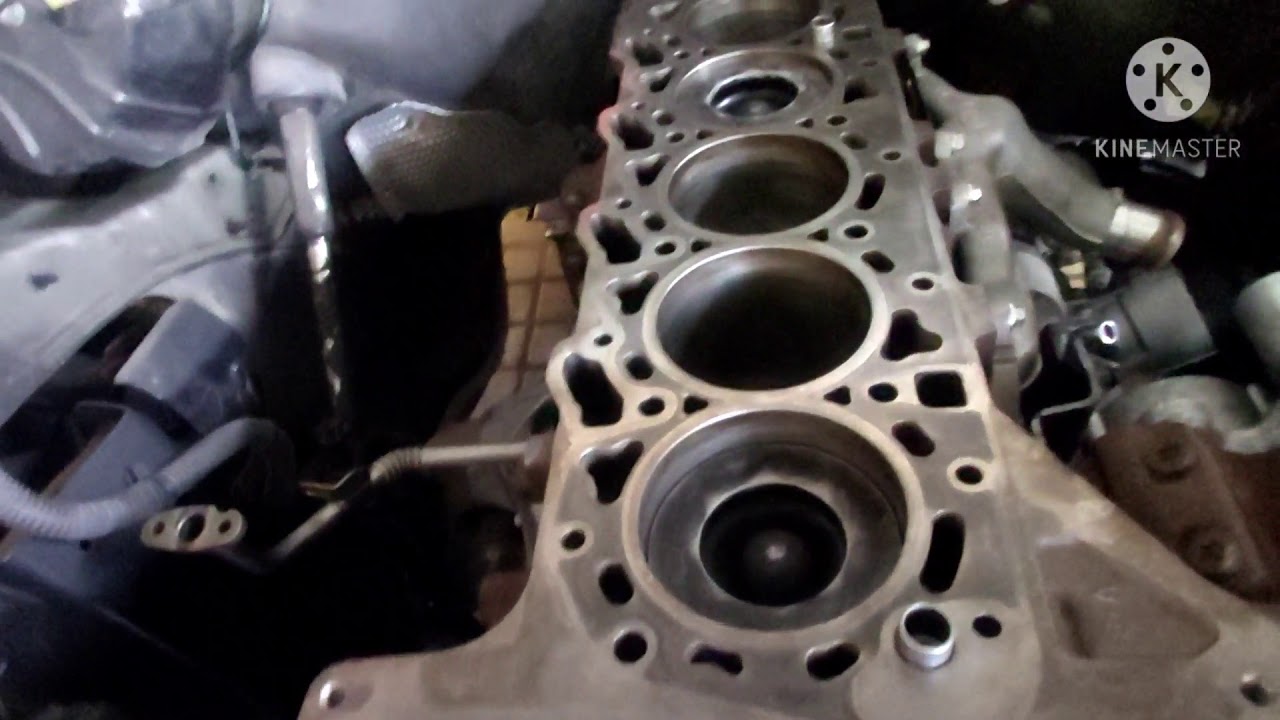
Another possibility? A leaky head gasket. This is a bit more serious, but still, part of the fun of understanding our machines! The head gasket is the seal between your engine block and the cylinder head. If it blows, coolant (which is mostly water!) can seep into your oil. Imagine your car having a little internal plumbing issue. It's a more dramatic introduction of water, for sure.
And sometimes, it’s just plain old driving habits. Short trips, especially in cold weather, are a big contributor. You drive for ten minutes, the engine gets a little warm, then you shut it off. That’s barely enough time for the engine to reach its optimal temperature and burn off any accumulated moisture. So, if you're a serial short-tripper, your engine might be feeling a bit damp.
What’s the big deal? Isn’t it just…diluted oil?
Ah, the million-dollar question! And the answer is: it’s a much bigger deal than just diluted oil. This is where the "quirky facts" really start to sparkle. When water and oil decide to tango, they create this ugly, frothy mixture called emulsion. It looks like chocolate milk, or sometimes even a tan, foamy sludge. Gross, right?
But the real problem isn’t the look, it’s the function. Engine oil is designed to be a superhero. It lubricates, cools, cleans, and protects. Water messes with all of that. For starters, it destroys the lubricating properties of the oil. Think of trying to lubricate a squeaky door with skim milk. Not gonna happen effectively. This leads to increased friction, which means more wear and tear on your precious engine parts. Ouch.
Furthermore, water can cause corrosion. Remember that whole condensation thing? Well, if that moisture sits around, especially with the heat of the engine, it can start to rust your metal components. It's like giving your engine an internal spa treatment, but instead of relaxing minerals, it's getting microscopic rust particles. Fun!

And here’s a fun, albeit slightly alarming, fact: water boils at 212 degrees Fahrenheit (100 degrees Celsius). Your engine oil operates at much higher temperatures. When the water hits those hot spots, it turns into steam. Steam expansion can put a lot of pressure on your engine parts. Imagine tiny little explosions happening in there. Not ideal.
How do I know if my engine’s having a water party?
Besides the visual clue on the dipstick (the milky, frothy oil), there are a few other signs to watch out for. Your car might start to run a bit rough. You might notice a loss of power. Sometimes, you’ll see white smoke coming from your exhaust pipe, especially on startup. It’s like your engine is trying to tell you, “Hey, I’m not feeling so great. There’s something weird in my oil.”
Listening to your car is key. Cars can be quite expressive when they’re not happy. A strange knocking sound, for instance, could be a sign of lubrication issues caused by that water-oil mix. It's like the engine is clearing its throat, but with a much more ominous tone.

So, what’s a car owner to do?
Okay, so you’ve spotted the milky menace. Don't fret! This is where the "solving the puzzle" aspect comes in, which is honestly pretty satisfying. The most common solution is a good old-fashioned oil change. Fresh oil, no water. Easy peasy.
However, if you suspect a more serious issue, like a blown head gasket, you’ll need to get it professionally diagnosed. Think of it as a detective case for your mechanic. They’ll figure out where the water is coming from and fix the root cause. It’s all part of the automotive adventure!
And remember those short trips? If that's your daily routine, consider taking your car for a longer drive occasionally. Let it stretch its legs and get nice and hot. This helps evaporate any moisture that might be lurking. It’s like giving your engine a sauna session. Good for the soul…or the engine, in this case.

The quirky side of engine oil’s watery woes
Isn't it funny how something as simple as water can cause so much drama in a complex machine? It’s a reminder that even the most sophisticated technology can be affected by the most basic elements. It’s like the universe’s way of keeping us humble.
Think about the history of engine oil itself. It’s evolved so much! From basic animal fats to sophisticated synthetic blends, each has a role in keeping our cars humming. And now we’re talking about it getting…watered down. It's a delightful paradox.
Ultimately, understanding these little quirks of your car isn’t just about avoiding costly repairs. It’s about connecting with your vehicle. It’s about appreciating the intricate dance of mechanics that keeps you moving. So, the next time you check your oil and see that unusual frothy layer, don’t groan. Smile a little. You’re witnessing a tiny, fascinating drama unfold right under your hood. It’s the stuff of roadside poetry, if you ask me!