Tea For Belly Ache

Ah, that familiar rumble. The gentle (or not so gentle) protest from your tummy after a particularly indulgent meal, a stressful day, or just… well, because. We’ve all been there. That feeling of discomfort, the kind that makes you want to curl up with a warm blanket and a good book, or maybe just disappear for a while. While modern medicine has its place, sometimes the most comforting and effective solutions are found in the simplest, most age-old remedies. And when it comes to soothing those pesky belly aches, there's one beverage that consistently takes center stage: tea.
Forget the syrupy, artificially flavored concoctions. We’re talking about the real deal. The warm, aromatic, and surprisingly potent brews that have been a staple in households and cultures for centuries. Tea isn't just a drink; it's a ritual, a moment of pause, a gentle hug for your insides. And for that queasy, gurgling, or downright painful tummy, certain teas are like little liquid superheroes, ready to come to your rescue.
The Gentle Giants: Your Go-To Teas for a Happy Tummy
So, what are these magical brews? Let's dive into the stars of our belly ache relief show.
Must Read
Peppermint: The Classic Cool-Down
If there’s one tea that instantly springs to mind when you think of digestive woes, it’s peppermint. This invigorating herb, with its bright, refreshing scent, is practically synonymous with soothing a troubled stomach. Why? It’s all thanks to a compound called menthol. Menthol acts as a natural muscle relaxant, which is fantastic news for your digestive tract. Think of it as gently unclenching those tight, spasming muscles that are causing all the fuss.
Peppermint tea is particularly effective for gas, bloating, and indigestion. It can help to relax the muscles in the stomach and intestines, allowing gas to pass more easily and easing that uncomfortable, full feeling. Plus, the aroma alone can be incredibly calming and uplifting, which is a bonus when you’re feeling a bit under the weather.
Pro Tip: For an extra punch, try steeping fresh peppermint leaves! The flavor is even more vibrant. Just crush a few fresh leaves, add hot water, and let it steep for 5-7 minutes. You’ll thank yourself later.
Fun Fact: Peppermint has been used for digestive issues for thousands of years. Ancient Egyptians, Greeks, and Romans all recognized its therapeutic properties for stomach complaints!
Ginger: The Warm Hug
Next up in our belly ache dream team is the feisty and flavorful ginger. This knobbly root is a powerhouse of digestive aid, known for its warming properties and its ability to combat nausea. Ginger contains compounds like gingerols and shogaols, which are responsible for its anti-inflammatory and anti-nausea effects.

Whether your belly ache is due to motion sickness, morning sickness, or just a general feeling of queasiness, ginger tea can be a lifesaver. It helps to stimulate saliva and bile production, which aids in digestion. It can also speed up the emptying of the stomach, which is great if you feel uncomfortably full.
Practical Tip: Don't have fresh ginger on hand? High-quality ginger tea bags work wonders too. Look for those that list ginger as the primary ingredient. You can also add a slice of fresh lemon for a zesty kick and an extra dose of Vitamin C.
Cultural Connection: Ginger is a cornerstone of traditional Chinese medicine and Ayurvedic practices, where it’s revered for its digestive and healing qualities. It’s a staple in many Asian cuisines for good reason!
Chamomile: The Calming Comfort
When your belly ache feels more like a general sense of unease, coupled with a touch of anxiety, chamomile is your best friend. This delicate, daisy-like flower has a naturally calming and anti-inflammatory effect, making it ideal for soothing both your stomach and your mind.
Chamomile tea contains compounds that can help to reduce muscle spasms in the gut and ease inflammation. It's particularly good for upset stomachs caused by stress or nervousness. Think of it as a gentle lullaby for your digestive system.

Relaxation Ritual: Make a cup of chamomile tea a part of your evening wind-down routine. The act of preparing and sipping the warm tea can be incredibly grounding and help to signal to your body that it’s time to relax. Pair it with a good book or some soft music for ultimate tranquility.
Fun Fact: The name "chamomile" comes from the Greek words "chamae" (ground) and "mel" (apple), referring to its low-growing habit and its apple-like scent.
Fennel: The Gentle Balancer
Often overlooked, but a true digestive gem, is fennel seed tea. Fennel seeds have a sweet, licorice-like flavor and are known for their carminative properties, meaning they help to expel gas from the digestive tract. This makes them excellent for relieving bloating and abdominal pain.
Fennel tea can also help to stimulate appetite and soothe an upset stomach. It’s a great choice for those who experience cramping or discomfort after meals. The aroma is also quite pleasant, offering a subtle sweetness.
Taste Test: If you find plain fennel a bit too strong, try blending it with other herbs like peppermint or chamomile for a more complex and soothing flavor profile. Fennel also pairs beautifully with a touch of honey.
Cultural Connection: In many parts of Europe and the Middle East, fennel seeds are traditionally chewed after meals as a breath freshener and digestive aid. It’s a simple, natural way to keep your gut happy.

Beyond the Basics: Other Teas to Consider
While peppermint, ginger, chamomile, and fennel are the heavy hitters, a few other teas deserve a mention in our belly ache arsenal.
Licorice Root: The Soothing Sweetness
Be cautious with this one, as licorice root can interact with certain medications and isn't suitable for everyone (especially those with high blood pressure). However, for many, licorice root tea offers a wonderfully soothing effect on the digestive lining. It’s known for its ability to coat the stomach and reduce inflammation, making it helpful for heartburn and indigestion. It also has a natural sweetness that can be quite comforting.
Important Note: Always consult with your healthcare provider before regularly consuming licorice root tea, especially if you have any underlying health conditions or are taking medication.
Lemon Balm: The Zest for Life (and Digestion!)
A member of the mint family, lemon balm offers a delicate citrusy flavor and a gentle calming effect. It's excellent for easing indigestion, bloating, and even nervous stomach issues. Its slightly sweet, lemony notes make it a refreshing and uplifting choice.
The Art of the Perfect Brew: Tips for Maximum Relief
Simply steeping a tea bag in hot water is a good start, but a little extra care can elevate your tea-drinking experience and ensure you’re getting the most out of its therapeutic benefits.
Water Temperature Matters
While boiling water is often recommended for black teas, for many herbal infusions, slightly cooler water is ideal. Around 175-195°F (80-90°C) is generally perfect for most herbal teas. Boiling water can sometimes scorch delicate leaves, diminishing their flavor and potentially their beneficial compounds. For ginger, however, you might prefer a slightly hotter brew to extract more of its potent properties.
Steeping Time is Key
Don't be afraid to let your tea steep! Herbal teas generally benefit from a longer steeping time than black or green teas. Aim for 5-10 minutes, or even longer if you prefer a stronger flavor. This allows the beneficial compounds to fully infuse into the water. Over-steeping can sometimes lead to a bitter taste, so experiment to find your sweet spot.
Quality Counts
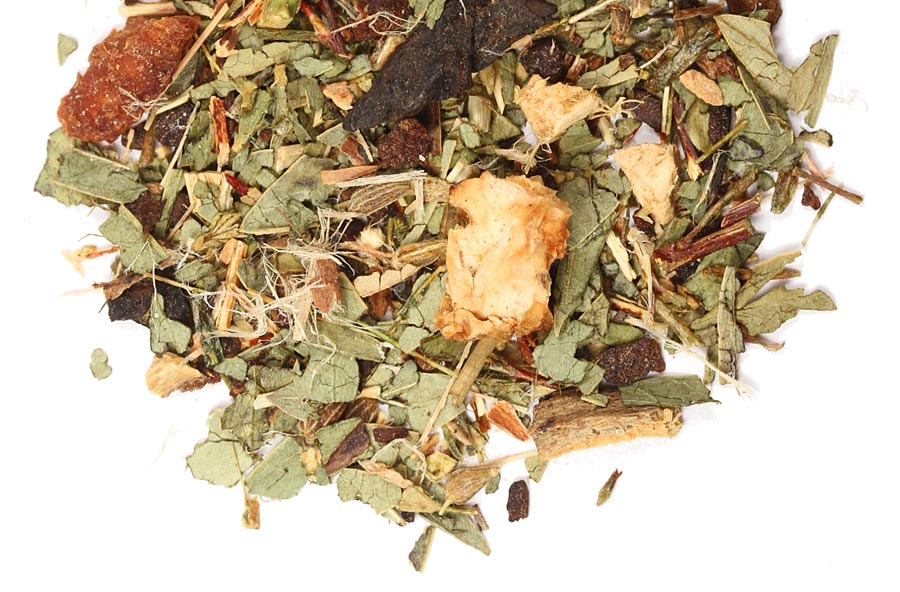
Just like with food, the quality of your tea matters. Opt for organic, loose-leaf teas whenever possible. Loose-leaf teas tend to offer a richer flavor and are often packed with more essential oils and beneficial compounds compared to tea bags, which can sometimes contain fannings (dust and smaller pieces of tea leaves) and have a less vibrant taste.
Listen to Your Body
Ultimately, the best tea for your belly ache is the one that works for you. Pay attention to how different teas make you feel. Some people find peppermint a bit too strong, while others swear by it. Experimentation is part of the journey!
A Moment of Calm in a Hectic World
In our fast-paced, always-on world, it's easy to overlook the simple pleasures and the power of natural remedies. A belly ache, though unpleasant, can be a gentle reminder to slow down, to be kind to ourselves, and to listen to what our bodies are telling us.
The act of preparing and sipping a warm cup of tea is more than just a way to alleviate discomfort. It’s a moment of self-care. It’s a pause button in your day. It’s a signal that you’re taking a moment to nurture yourself, from the inside out. So, the next time your stomach starts to complain, reach for your favorite teapot, steep a soothing brew, and allow the warmth and wisdom of nature to work its magic. It’s a small, simple act, but in its gentleness lies a profound power to bring comfort and balance back to your day.