Star Wars Ring Theory
Have you ever watched a movie or read a book and felt like there was more going on? Like a secret layer of meaning hidden just beneath the surface? Well, get ready, because we're about to dive into something really cool that applies to our favorite space saga: Star Wars Ring Theory. It's not some official Lucasfilm thing. It's a fan idea. But it's an idea that makes Star Wars even more fun to think about.
Imagine this: What if the original trilogy, the prequels, and even the sequels are all reflections of each other? Not just similar characters or plot points, but deeper echoes. That's the basic idea behind the Ring Theory. It suggests that the stories are structured in a circular way. Like a ring, where the beginning and the end can look surprisingly alike.
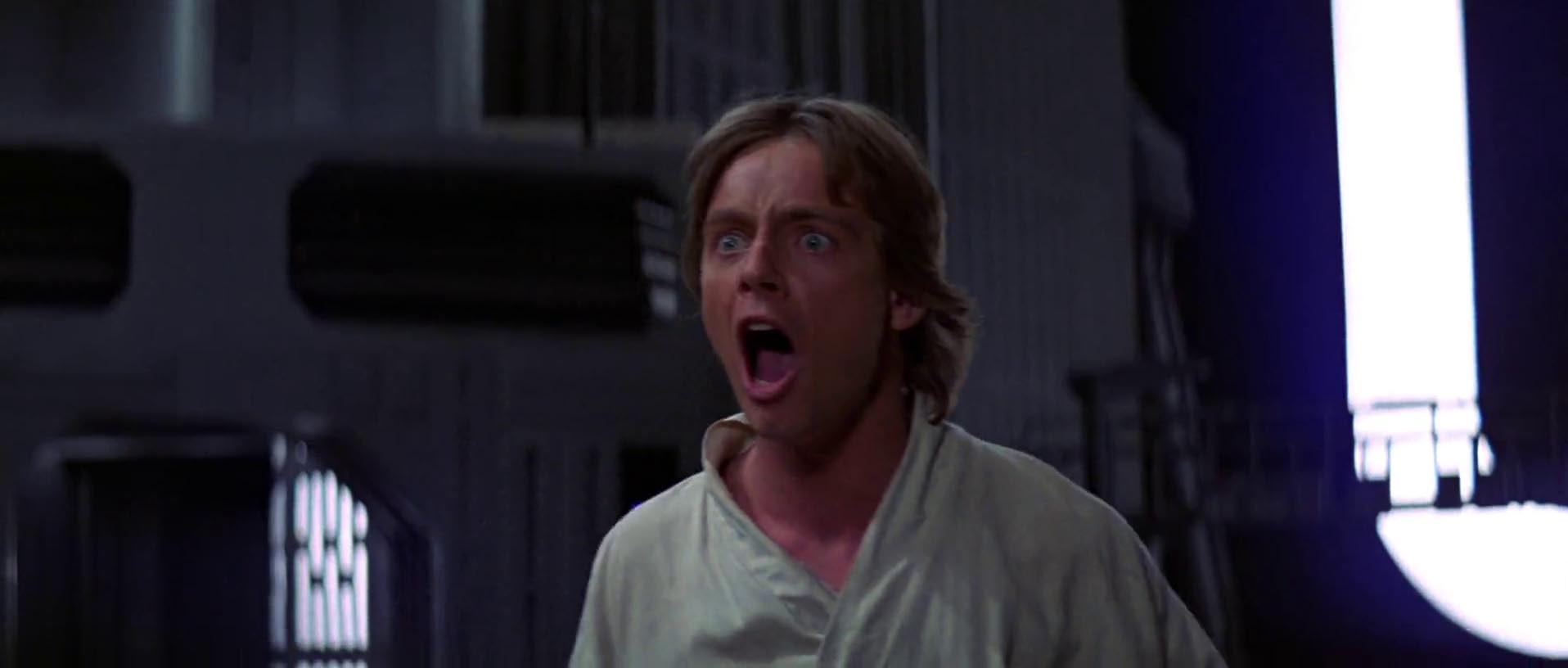
So, how does this work with Star Wars? Think about Luke Skywalker. He's the farm boy with a big destiny. Then we have Anakin Skywalker. He's also a boy from humble beginnings with a huge destiny. See the parallel? It's like a mirror image.
Must Read
The Ring Theory suggests that each part of the saga has a corresponding part in another. The original trilogy is like the central part of the ring. The prequels are the inner loop, reflecting and commenting on the outer loop. And the sequels? They're sort of the outer loop, mirroring the original again. It’s a bit mind-bending, right? But in a good way.
Let's take Darth Vader. He’s the ultimate villain in the original movies. He’s all about darkness and control. But in the prequels, we see the tragic story of how Anakin Skywalker became Darth Vader. It’s the same character, but seen from opposite ends of his life. The theory says this isn't an accident. It’s by design.
It's like looking at a story from two different angles. One angle shows you the end result. The other shows you how that result came to be. The Ring Theory argues that George Lucas, or maybe just the storytelling itself, has this kind of deliberate symmetry. It makes the whole Star Wars universe feel more connected. Like a giant, intricate puzzle.
Think about Emperor Palpatine, or Darth Sidious. He's the ultimate evil mastermind pulling the strings. In the prequels, we see him masterfully manipulating events to gain power. In the original trilogy, he's the established dark lord. The theory points out how his rise and reign mirror each other in surprising ways. The same schemes, the same manipulative tactics, just at different stages.
This idea makes you rewatch the movies with a new perspective. You start spotting these echoes everywhere. It's not just about "Oh, that looks familiar." It's about seeing how a theme or a character arc plays out in reverse, or in a different context. It adds so much depth. It’s like finding Easter eggs in every scene.
What about Princess Leia and Padmé Amidala? Both are strong female characters who are leaders and deeply care about their people. They both face difficult choices and immense loss. The Ring Theory would say these parallels are intentional. They highlight different aspects of leadership and love across the different eras. One is the determined rebel, the other the compassionate queen.
It's the kind of thing that sparks endless discussions among fans. You can spend hours debating these connections. Is it a coincidence? Or is it genius storytelling? The beauty of the Ring Theory is that it invites you to explore. It doesn't give you all the answers. It gives you a framework to find them yourself.
Let’s consider the heroes’ journeys. Luke's journey from Tatooine to Jedi Knight is epic. Anakin's journey from Jedi to Sith Lord is equally epic, but in a tragic way. The Ring Theory suggests these journeys are not just separate stories. They are two sides of the same cosmic coin. One is about hope and redemption. The other is about the fall from grace.
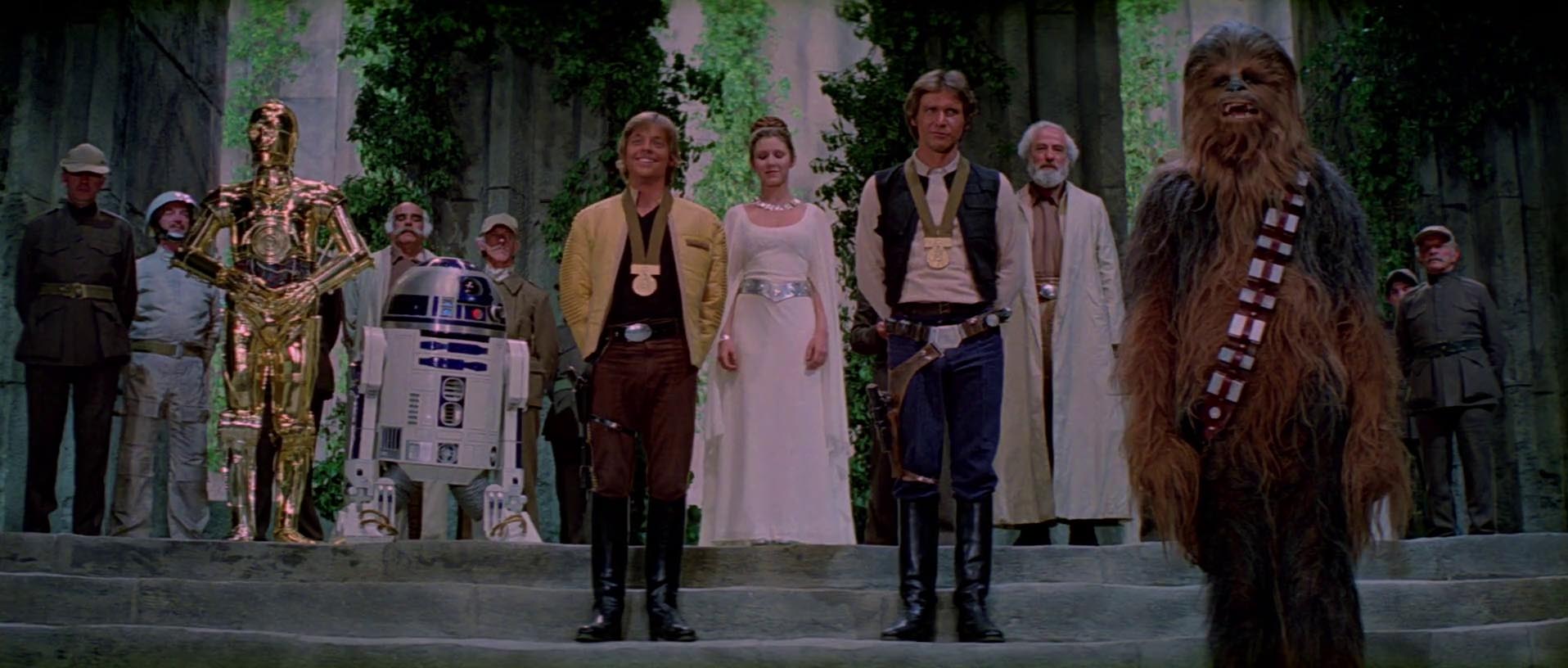
And what about the droids? R2-D2 and C-3PO are with us through most of the saga. They’re like our guides. They witness all these major events. The Ring Theory sees them as constant threads. They connect the different parts of the story, linking the past, present, and future. They’re the silent observers, the reliable companions.
This theory also helps explain why some people connect with certain trilogies more than others. If you see the prequels as a mirror to the originals, you might appreciate them differently. You might see them as essential to understanding the full picture. It’s like reading a novel and then reading a prequel to that novel. You gain a richer understanding.
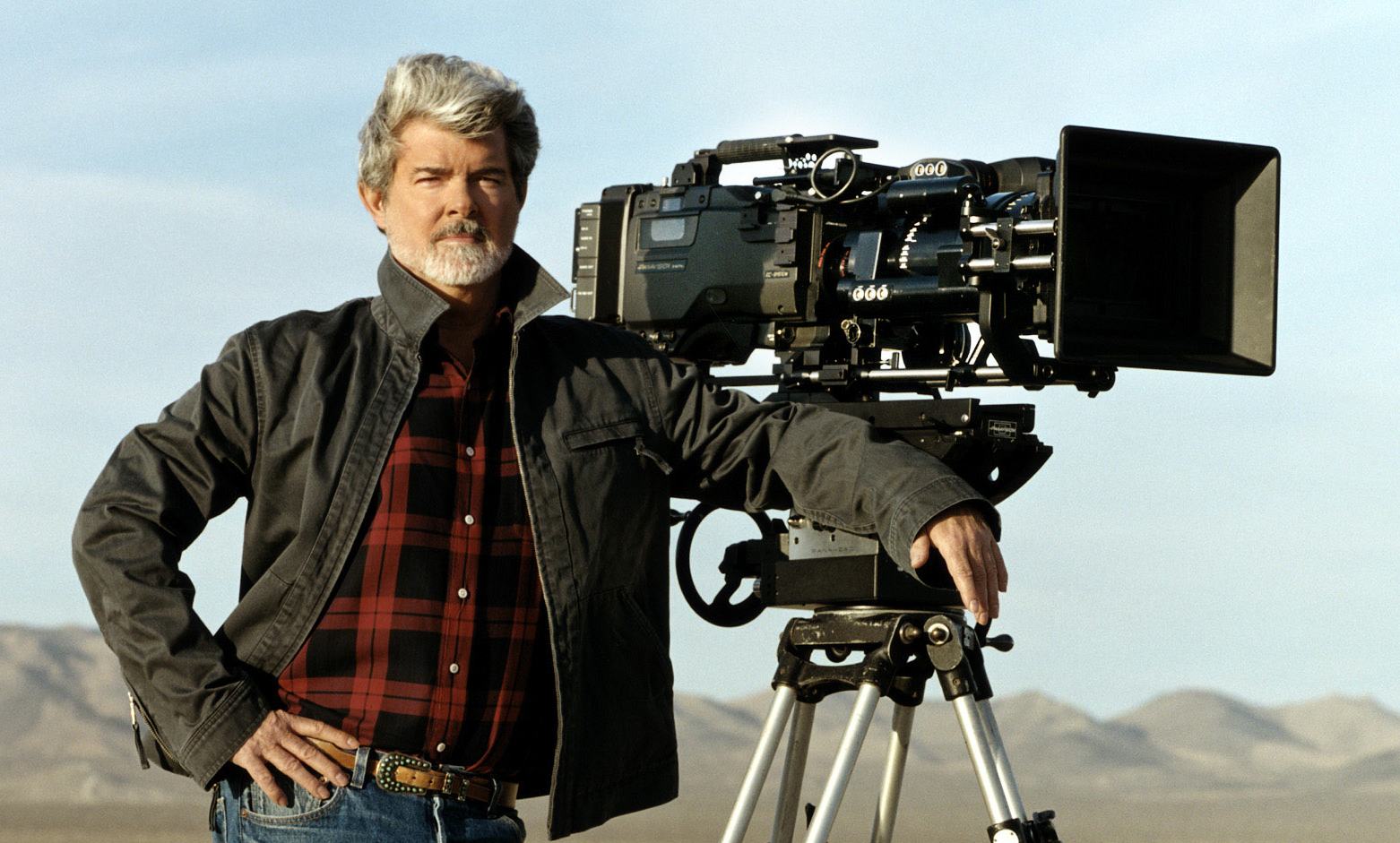
The concept of the Ring Theory really took off thanks to a fan named “Darth_Vader” on the internet. He wrote a really detailed breakdown. He argued that the prequel trilogy is essentially the original trilogy played in reverse. It’s a bold claim, but it’s also a really fun way to look at it. He calls it the “Ring Structure.”
Think of it this way: If the original trilogy is A-B-C, then the prequels might be C-B-A. The characters, their relationships, the major conflicts. They all have their mirror images. For example, Obi-Wan Kenobi is the wise mentor in the original. In the prequels, he’s the apprentice learning from a different mentor. It’s a fascinating symmetry.
The sequels, too, can be seen as continuing this ring. They revisit themes and characters. They offer new perspectives. They can be seen as another iteration of the same cosmic dance. The Ring Theory suggests that the whole Star Wars saga is like a Mobius strip of storytelling. It keeps looping back on itself in unexpected ways.
What makes the Ring Theory so entertaining is that it encourages you to be an active participant. You're not just a passive viewer. You're a detective. You're looking for these connections. You're finding the hidden patterns. It’s like a treasure hunt through the galaxy.
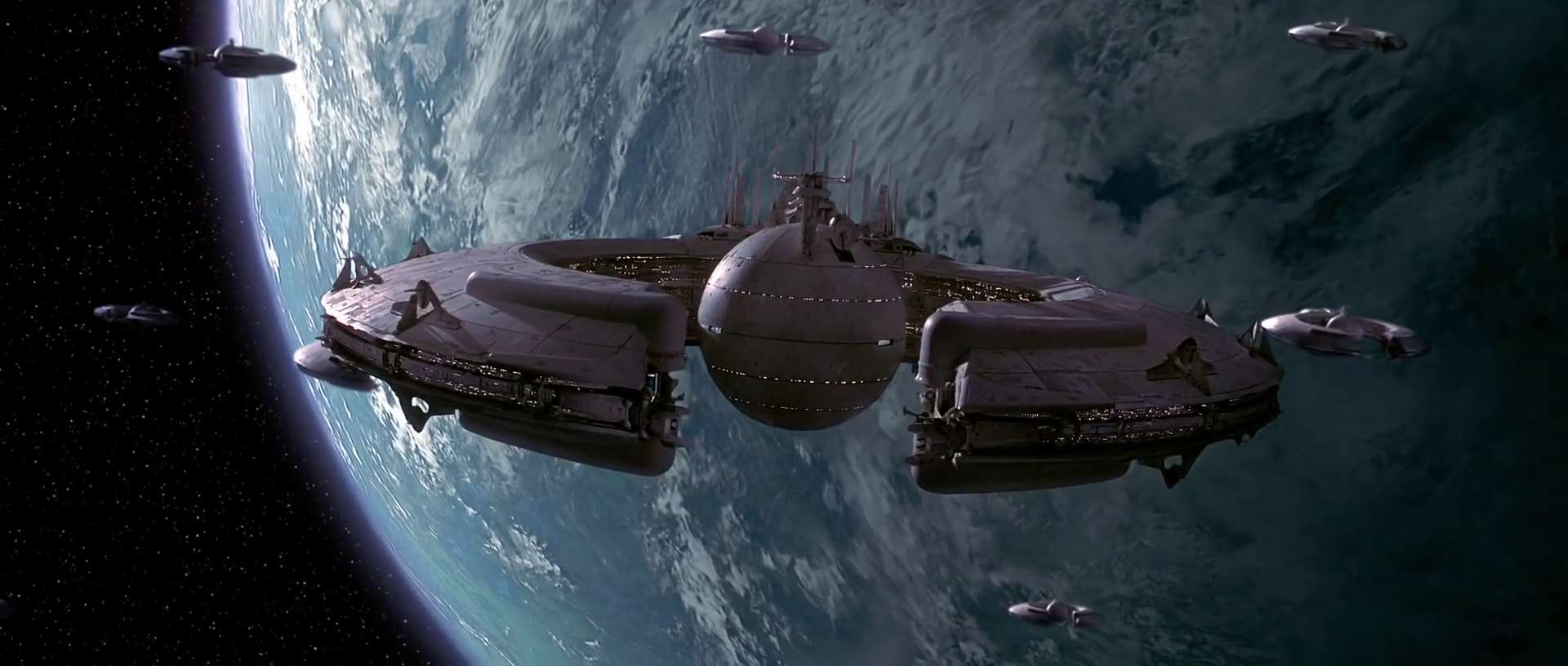
It adds a layer of intellectual engagement. It makes you think about storytelling on a deeper level. It’s not just about lightsaber duels and space battles. It’s about archetypes and narrative arcs. It’s about how stories can echo and reflect each other across time. It’s a beautiful idea for a grand, sprawling story like Star Wars.
So, the next time you watch Star Wars, whether it’s Episode IV or Episode I, try to see if you can spot these rings. Look for the mirrored characters. Look for the reversed plot points. Look for the thematic echoes. It’s a game that can make your next marathon even more rewarding.
The Star Wars Ring Theory might not be an official roadmap. But it's a fan-made lens. It’s a lens that can bring the entire saga into sharper focus. It can reveal the intricate beauty of its construction. It's a way to fall in love with Star Wars all over again. And that's pretty special. It makes you appreciate the vastness and the interconnectedness of that galaxy far, far away.
Give it a try. You might just discover a whole new universe within the one you already love. It's a fun way to explore the magic of storytelling.