
Signs Of A Blockage In A Dog
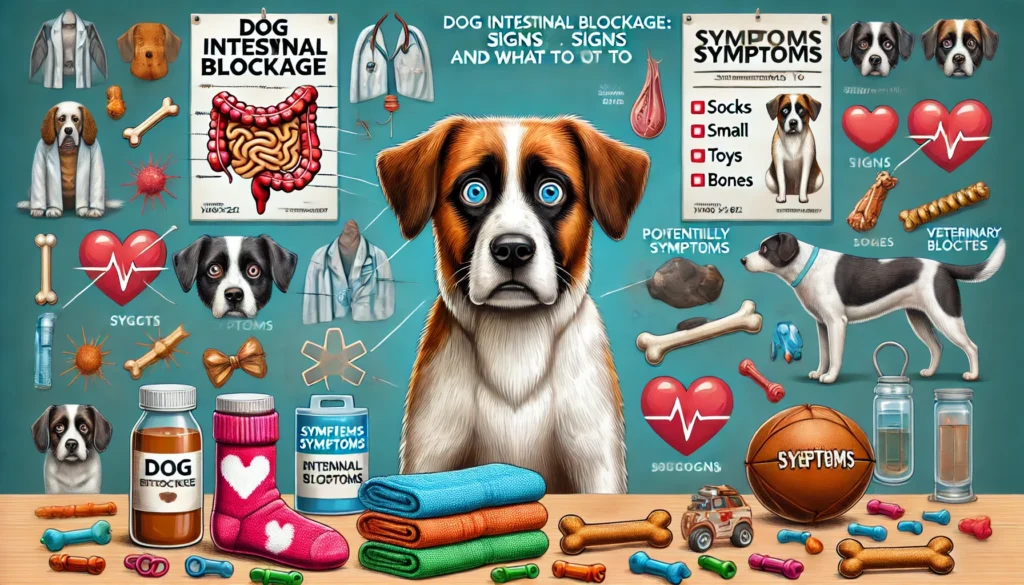
Hey there, fellow dog lovers! So, let's talk about something a little… less glamorous but super important: the dreaded intestinal blockage in our furry best friends. It’s not a fun topic, but knowing the signs can literally save your dog's life. Think of this as your friendly, no-panic guide to spotting when something might be stuck where it shouldn’t be. We're going to break it down in a way that's easy to digest (pun intended, sorry not sorry!), so you can be the superhero your pup deserves. Grab a cup of coffee, maybe a dog treat for motivation, and let’s dive in!
First off, what exactly is a blockage? Basically, it's when something gets lodged in your dog's digestive tract, preventing food, water, and, well, the other stuff, from moving through. This could be anything from a swallowed toy (oh, the joys of puppyhood!) to a piece of bone, a sock (seriously, where do they find these things?), or even a clump of hair if you have a serious groomer at home. It’s a serious medical emergency, but don't let that scare you. Knowledge is power, and we're here to arm you with it.
So, how do you know if your dog has decided to become a human-style "digestive pipeline" for a squeaky toy? It usually starts with their tummy. You'll probably notice some nausea and vomiting. Now, a little bit of puke now and then isn't always a catastrophe. Dogs are notorious for eating grass and regretting it instantly, bless their little hearts. But if the vomiting is frequent, forceful, or if they're bringing up bile (that yellowish-green stuff), and it happens after they've eaten or even tried to drink, that's a big red flag waving in your face.
Must Read
Think about it: if your own stomach was all jammed up, you’d feel pretty rubbish, right? Your dog feels the same. They might become incredibly lethargic. That happy-go-lucky pup who usually greets you at the door like you've been gone for a decade might suddenly decide that the couch is the most exciting place in the universe, and even getting up for a potty break feels like a monumental effort. They might be uninterested in playing, their tail might be tucked, and their overall demeanor will be just… off. It's like their internal battery is draining faster than a phone on social media overload.
Another classic sign is loss of appetite. If your dog normally inhales their food like they haven't eaten in a week, and suddenly they're sniffing their bowl with a look of mild disgust, pay attention. Even if they do eat a little, they might leave food behind, which is almost unheard of for most dogs. The discomfort in their abdomen can make eating a painful or nauseating experience, so they might just give up altogether. Their usual enthusiasm for dinner? Gone. Poof. Like a magician's rabbit, but way less fun.
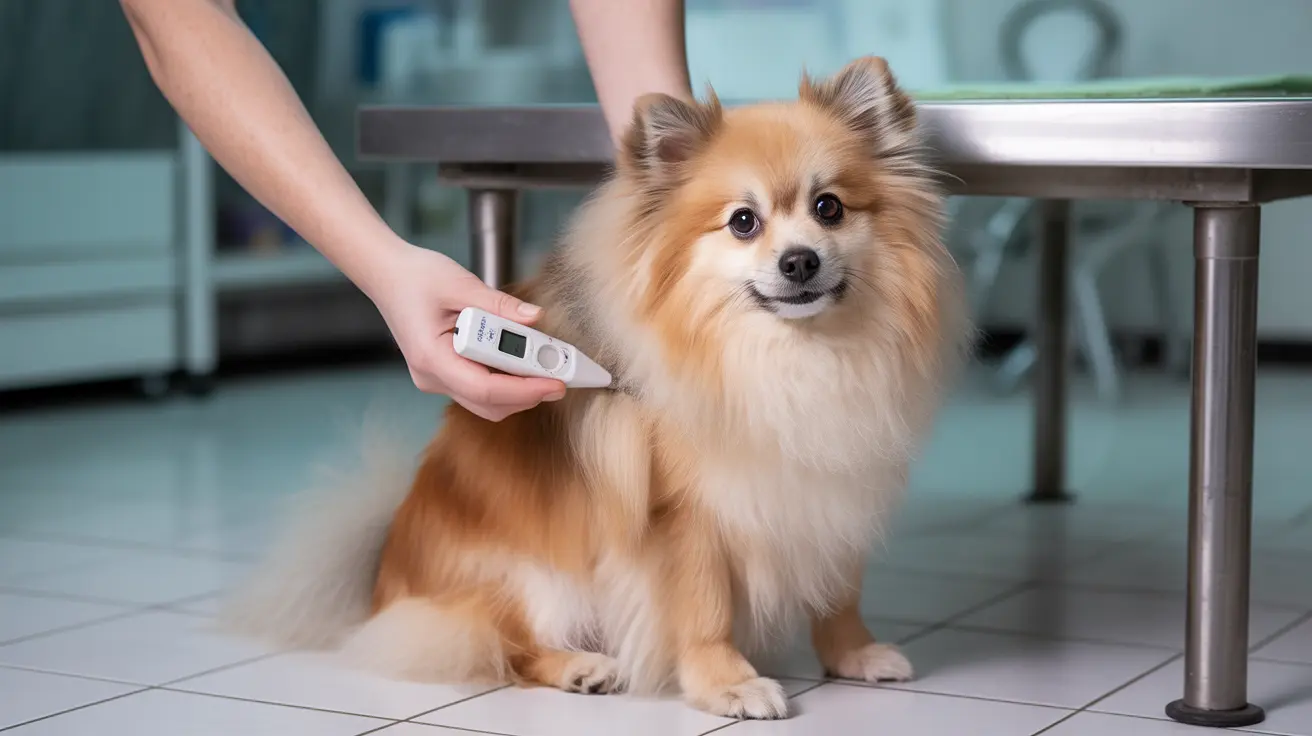
And speaking of their tummy, let's talk about abdominal pain or tenderness. If you try to pet your dog and they flinch, yelp, or tense up when you touch their belly, this is a major clue. They might also seem restless, pacing, or trying to get into unusual positions, like a classic "prayer position" (front end down, bum in the air) which can sometimes indicate abdominal pain. It’s like they’re trying to find a comfortable spot, but nothing works. Their belly might also feel hard and distended, almost like a drum. So, if your usually cuddly canine suddenly acts like a prickly hedgehog when you go near their middle, it’s time to be concerned.
Now, let’s get down to the nitty-gritty: changes in bowel movements. This is probably the most obvious, and often the most worrying, sign. If your dog is straining to poop, or if they're producing very small, hard, or watery stools, it could indicate an obstruction. Sometimes, if the blockage isn't complete, they might manage to pass a little bit of something, but it's often accompanied by great effort and discomfort. Other times, there will be absolutely no bowel movement at all, even though they might feel the urge. This can be especially concerning if they normally have a regular schedule. It’s like their internal plumbing has sprung a leak… or, more accurately, is completely clogged.

We also need to consider dehydration. When a dog is vomiting frequently or unable to keep fluids down, they can become dehydrated very quickly. You can check for this by gently pulling up the skin on their scruff (the loose skin on their neck). If it snaps back into place quickly, they're likely well-hydrated. If it stays tented or slowly returns to normal, it's a sign of dehydration. Their gums might also feel tacky instead of moist, and their eyes might appear sunken. Dehydration is serious business on its own, but when combined with other symptoms, it ups the urgency.
So, who’s more at risk? Well, puppies are prime candidates. They’re curious little creatures, and their mouths are their primary tools for exploring the world. This means they’re more likely to chew on and swallow things they shouldn't. Think of them as tiny, furry wrecking balls of destruction. Also, dogs with a history of eating non-food items (we call them "scavengers" or "hoarders of the household") are at higher risk. And breeds that tend to gulp their food can sometimes be more prone to certain types of blockages, though this is less common than something being swallowed.
Let's talk about what not to do. The most important thing is: don't wait to see if it gets better on its own. If you suspect a blockage, the best course of action is to contact your veterinarian immediately. Do not try to give your dog laxatives or induce vomiting unless specifically instructed to do so by your vet. Some things can cause more harm than good. For example, if your dog swallowed something sharp, inducing vomiting could cause it to damage their esophagus on the way back up. Trust your vet; they’ve seen it all before and know what’s best.
What happens at the vet? They'll likely perform a thorough physical exam, asking you all sorts of questions about your dog's recent history and behavior. They'll probably want to do some diagnostic imaging, like X-rays or an ultrasound. These imaging techniques are super helpful because they can actually show the obstruction or give strong indications of its presence. Sometimes, depending on the situation and the object, surgery might be required to remove the blockage. It sounds scary, but modern veterinary medicine is incredible, and many dogs recover beautifully after surgery.
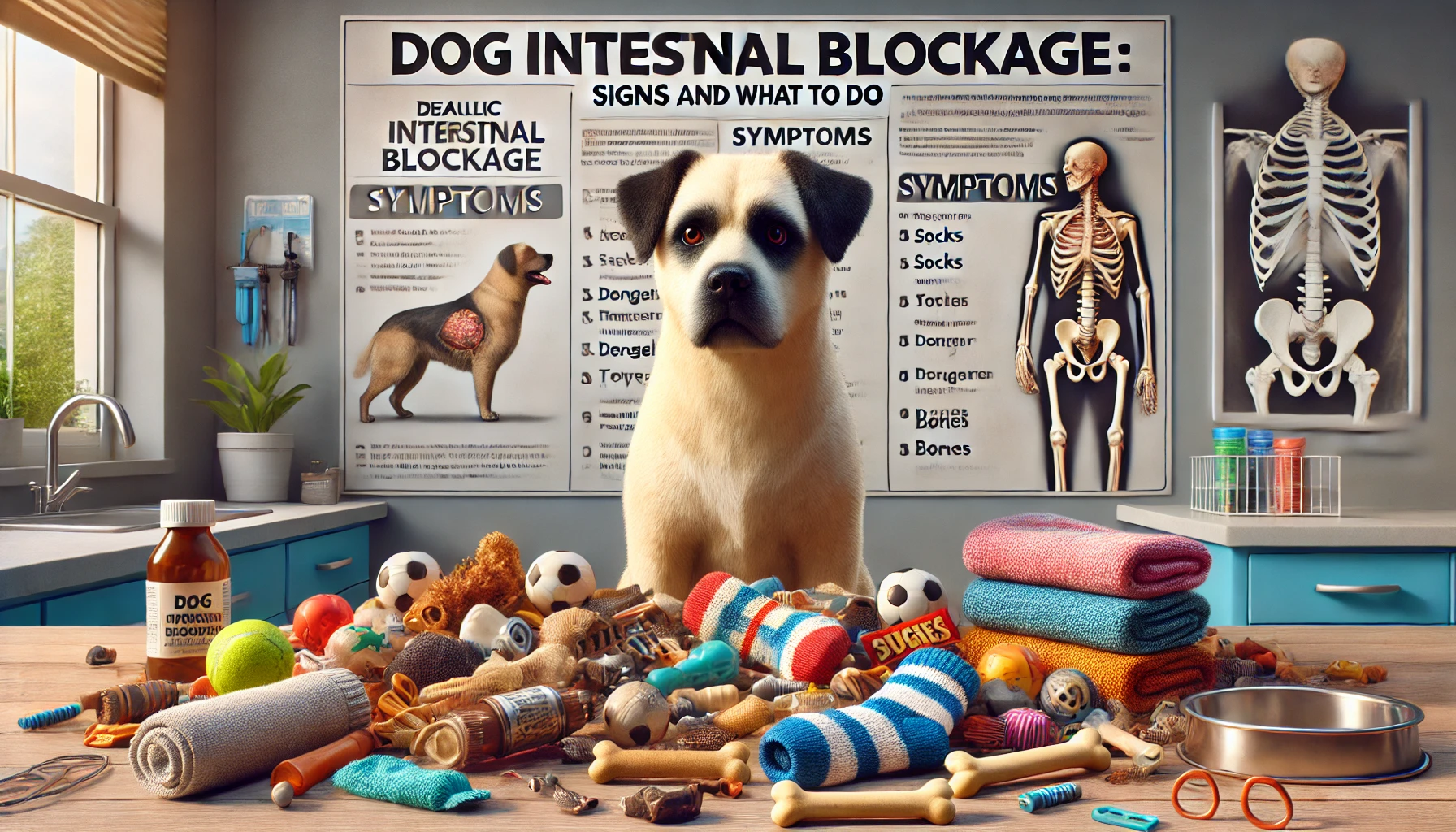
Let's recap the key signs to watch out for:
- Persistent Vomiting: Especially if it's forceful or includes bile.
- Lethargy and Depression: Your usually energetic dog is suddenly a couch potato.
- Loss of Appetite: Even their favorite treats are no longer appealing.
- Abdominal Pain/Tenderness: They react negatively to belly rubs or seem uncomfortable.
- Changes in Bowel Movements: Straining, small/watery stools, or no stool at all.
- Dehydration: Check their skin tent and gums.
Remember, this isn't about making you a nervous wreck. It's about empowering you with knowledge so you can be proactive. Most of the time, our pups are perfectly healthy, zooming around, chasing squirrels, and generally being their adorable selves. But on the rare occasion when something’s not right, being able to spot these subtle (and not-so-subtle) cues can make all the difference. It’s like being a super-sleuth for your dog’s well-being. You’re their guardian, their advocate, and their best friend. You’ve got this!
So, the next time your dog looks a little under the weather, or you find a mysterious piece of something in their vomit, take a deep breath. Observe them closely. If you see multiple signs that align with a potential blockage, don't hesitate to call your vet. They are there to help, and your quick thinking can lead to a much faster recovery. You’re doing a fantastic job just by caring enough to read this! Your furry friend is lucky to have you, and with your watchful eye, they'll continue to live their happiest, healthiest, and most treat-filled lives. Now go give your pup an extra cuddle – they deserve it!

