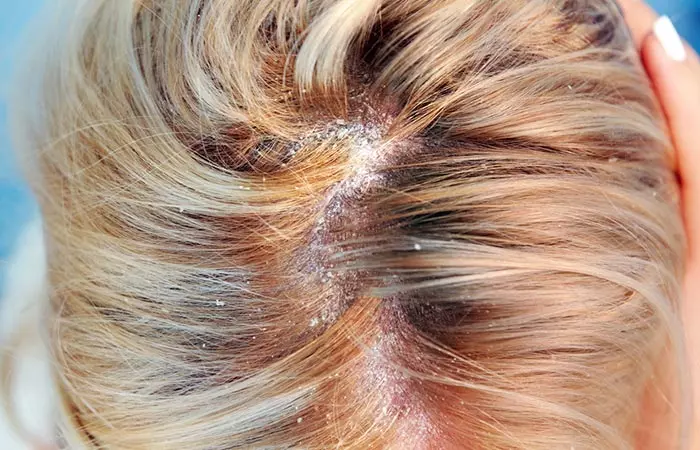
Scalp Is Oily But Hair Is Dry
Ah, the age-old hair conundrum! You know the one: that maddening contradiction where your scalp feels like it’s hosting a perpetual oil slick, yet the lengths of your precious mane are as parched as a desert landscape. It’s a struggle that’s as common as a bad hair day on a Monday, and one that can leave you feeling a little… confused about your hair’s true identity. But fear not, fellow follicularly-challenged adventurers! This isn't a sign of a rebellious head of hair, it's simply a case of your scalp and strands having different needs. Think of it like having a perpetually peckish toddler and a teenager who’s forgotten what sustenance is – both require entirely different approaches.
We’ve all been there, right? You wash your hair, and within hours, your roots are looking suspiciously shiny. But run your fingers down the length, and it’s a different story. Brittle. Frizzy. Even a little… straw-like. It’s enough to make you want to pull your hair out (but please, don't do that – we're trying to solve problems here!). This isn't some rare genetic anomaly; it's a fairly widespread phenomenon, and understanding it is the first step to taming your mane into submission, or at least, a state of pleasant cohabitation.
The Great Scalp Oil Divide
So, why does this happen? Let’s break it down. Your scalp is a living, breathing organ, complete with sebaceous glands that produce sebum – the natural oil that keeps your skin and hair moisturized. When these glands go into overdrive, you get that greasy feeling. This can be influenced by a bunch of things: genetics (thanks, Mom and Dad!), hormonal fluctuations (hello, monthly cycle!), diet, stress, and even the weather. Think of it as your scalp’s way of saying, "I’m feeling vibrant today!"
Must Read
But here’s where things get interesting. The sebum produced at your roots doesn't always travel down the hair shaft effectively. The longer your hair, the more opportunity there is for it to get lost in translation. Dry, damaged, or chemically treated hair simply doesn't have the smooth cuticle – that outer protective layer – to allow the oil to glide down. Instead, it gets trapped near the scalp, leaving the ends begging for moisture. It's like a beautiful waterfall that dries up halfway down the mountain.
Cultural tidbits often touch on this! Ancient beauty rituals, from the Egyptians to the Romans, often involved oils for both scalp health and hair conditioning. They understood the duality of hair care long before we had fancy chemical names for it. They were masters of understanding natural resources and applying them strategically. Imagine Cleopatra, with her almond oil scalp treatments and olive oil hair masks – she was onto something!
Decoding the Dryness
What contributes to this dryness? Oh, the usual suspects. Heat styling: curling irons, straighteners, blow dryers on high heat. They’re the vampires of moisture, sucking the life right out of your strands. Chemical treatments like coloring, perms, and relaxers can also strip your hair of its natural oils and weaken its structure. Even environmental factors like sun exposure, wind, and dry air can take their toll. And let’s not forget over-washing! It seems counterintuitive, but stripping your scalp of its natural oils too frequently can actually stimulate it to produce even more oil in an attempt to compensate.
Think of your hair shaft like a delicate ecosystem. When it’s healthy, the cuticles lie flat, creating a smooth surface that reflects light and retains moisture. When it’s dry or damaged, the cuticles lift and fray, creating a rough, porous texture. This is where frizz is born, and where moisture escapes faster than a secret at a party.
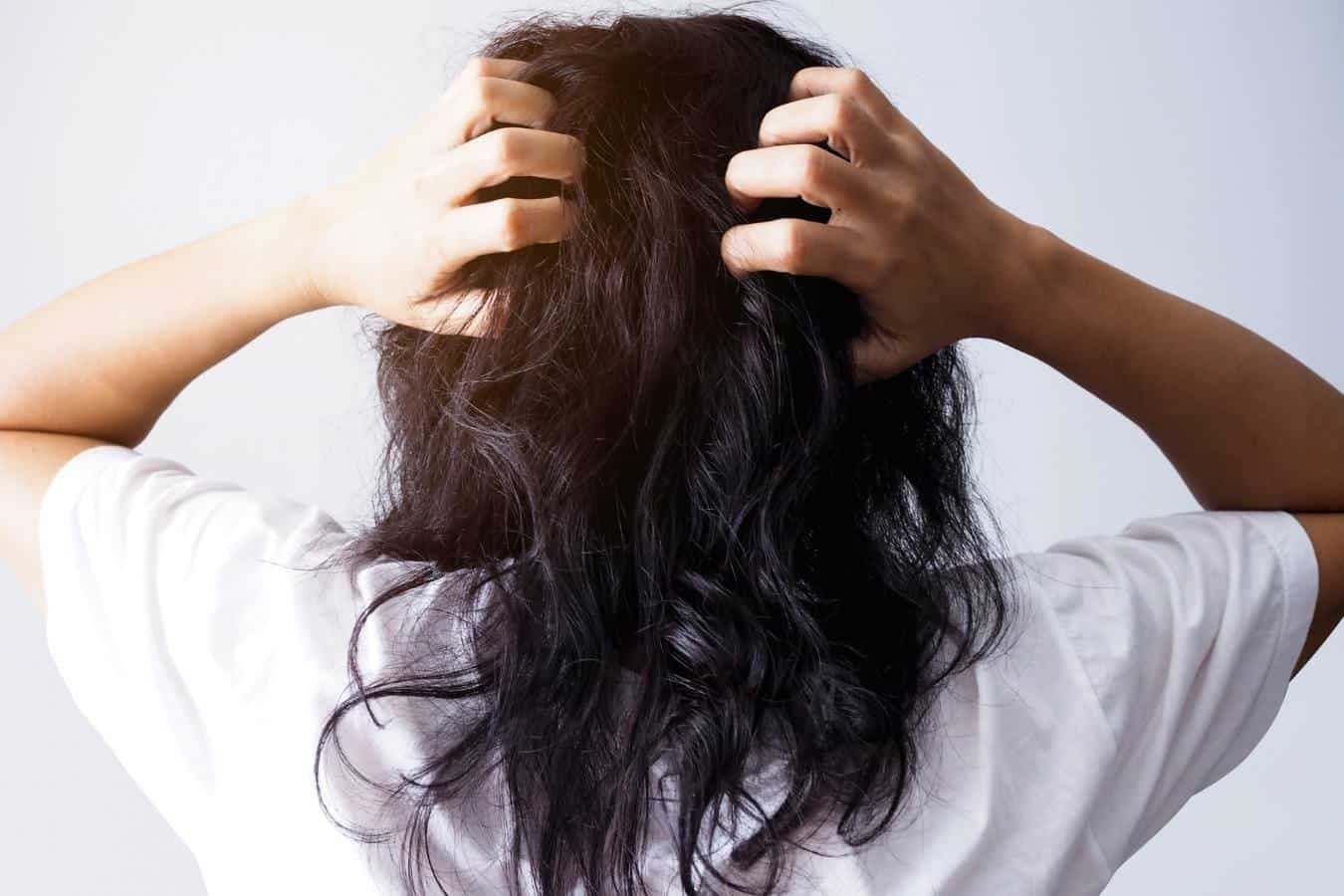
Did you know that a single strand of human hair can stretch up to 30% of its length when wet? That’s some serious elasticity! But this elasticity is compromised when the hair is dry and brittle. It becomes less forgiving and more prone to breakage. So, that feeling of dryness isn't just an aesthetic issue; it's a sign of compromised hair health.
The Strategic Solutions: A Dual Approach
The good news is, you don’t need a magic wand (though one wouldn't hurt!). You need a strategic approach, one that addresses both your oily scalp and your dry ends. It’s all about balance, darling!
Scalp Savvy: Taming the Oil Spill
Gentle Cleansing is Key: Ditch those harsh, clarifying shampoos for daily use. They strip your scalp, triggering more oil production. Instead, opt for a mild, sulfate-free shampoo specifically designed for oily scalps. Focus the shampoo on your roots, massaging gently to lift excess oil. Think of it as a refreshing cleanse for your scalp’s pores.
The Rinse and Repeat (Wisely): While over-washing is a no-no, sometimes a second lather can be beneficial, especially if you’ve used a lot of product. However, ensure your second rinse is thorough to avoid residue. And always use lukewarm or cool water. Hot water can stimulate oil glands.
Targeted Treatments: Consider incorporating a scalp scrub or a clay mask into your routine once a week or every two weeks. Ingredients like kaolin clay or charcoal can help absorb excess oil and detoxify the scalp. It’s like a spa day for your roots!

Dry Shampoo Savvy: Dry shampoo is your best friend between washes, but use it strategically. Spray it onto your roots before you go to bed. This allows the product to absorb oil overnight, and you can then brush it out in the morning for a cleaner look. Avoid spraying too much, which can lead to a chalky residue.
Avoid Over-Touching: We know it’s tempting, but constantly touching your hair and scalp can transfer oils from your hands and stimulate oil production. Try to keep those hands to yourself!
Diet Matters: Believe it or not, your diet plays a role. Reducing your intake of greasy, processed foods and increasing your consumption of fruits, vegetables, and lean proteins can help regulate sebum production. Hydration is also crucial – drink plenty of water!
Hair Haven: Nourishing the Dry Ends
Conditioner Consciously: This is where you need to be smart about your conditioner. Apply it only to the mid-lengths and ends of your hair. Never apply conditioner directly to your scalp if your goal is to reduce oiliness. Look for conditioners that are rich in moisturizing ingredients like shea butter, argan oil, or glycerin.
Leave-In Love: A good leave-in conditioner or a hair oil is your dry ends' knight in shining armor. Apply a small amount to damp hair after washing, focusing on the tips. This provides continuous hydration and protection throughout the day. Think of it as a comforting hug for your parched strands.

Deep Conditioning is Divine: Treat your hair to a deep conditioning mask once a week. This is a more intense treatment that can penetrate the hair shaft and provide deep nourishment. You can find fantastic masks at your local drugstore, or you can even whip up your own DIY versions with ingredients like avocado, honey, or yogurt.
Heat Styling Habits: If you must use heat, always apply a heat protectant spray first. This creates a barrier between your hair and the heat, minimizing damage. Also, try to use the lowest effective heat setting on your styling tools.
Gentle Drying: When drying your hair, blot it with a microfiber towel instead of rubbing vigorously. This reduces friction and frizz. Air-drying is always the best option when time permits.
Trim Regularly: Split ends are a sign of severely dry and damaged hair. Regular trims (every 6-8 weeks) will help remove these damaged ends, preventing them from traveling further up the hair shaft and making your hair look healthier and feel softer.
Silk or Satin Pillowcases: Cotton pillowcases can absorb moisture from your hair overnight. Switching to a silk or satin pillowcase can help retain moisture and reduce friction, leading to less frizz and breakage.
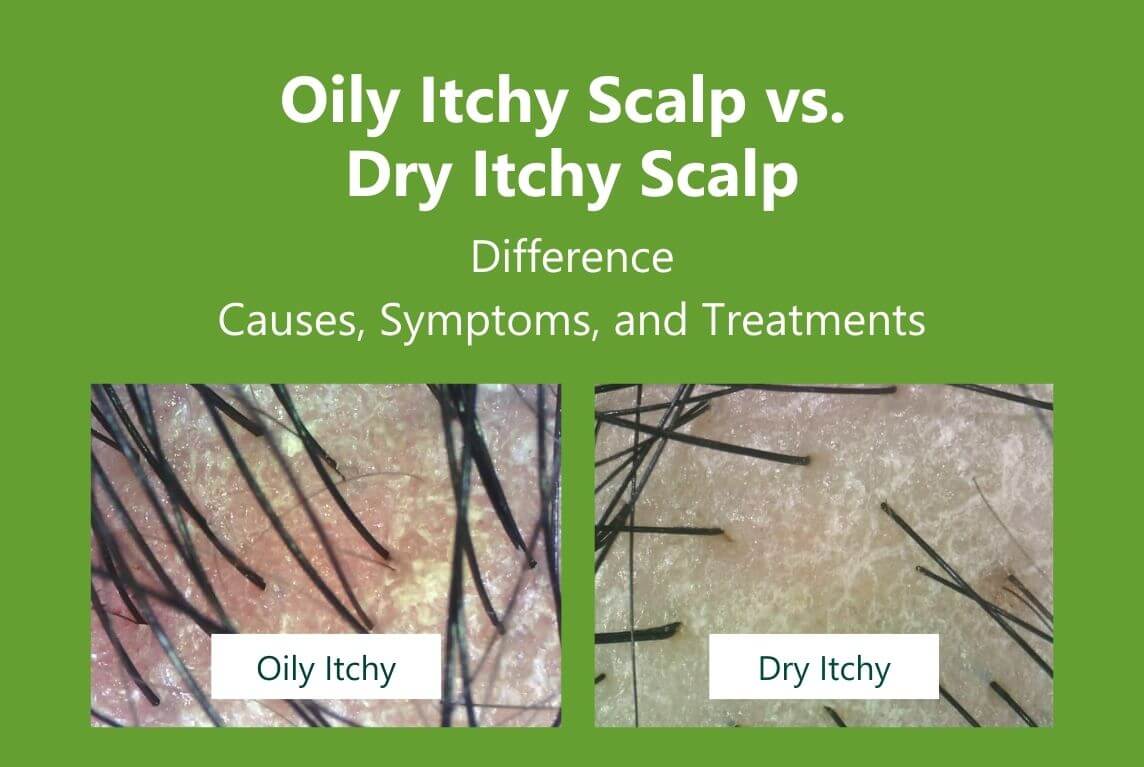
The Cultural Connection: Hair as a Symbol
Throughout history, hair has been more than just something on our heads; it's been a symbol of status, beauty, and even spiritual connection. In many cultures, long, healthy hair was revered. Think of Rapunzel, the ultimate symbol of luscious, flowing locks. Or the intricate hairstyles of ancient African civilizations, often adorned with beads and shells, signifying lineage and social standing.
Even in the modern era, our relationship with our hair is deeply personal. It’s often the first thing people notice about us, and it can be a powerful tool for self-expression. When our hair isn’t cooperating, it can impact our confidence. That's why finding the right balance for our specific hair needs is so important. It’s about feeling good, inside and out.
Consider the concept of 'flow' in various philosophies. When your hair is balanced, it flows. When it’s oily at the roots and dry at the ends, it’s like a river that's been dammed at the source and then suddenly dries up. It's not harmonious. The goal is to restore that natural, healthy flow.
A Moment of Reflection
Navigating the world of hair care can sometimes feel like a complex puzzle, especially when you’re dealing with seemingly conflicting needs. But at its core, it’s about understanding and honoring your body’s signals. Your oily scalp and dry hair aren't a mistake; they're a conversation your body is having with you. And like any good conversation, it requires a little attention, a little empathy, and the right approach.
So next time you’re staring at your reflection, feeling that familiar frustration, remember this: you're not alone. And with a few mindful adjustments to your routine – a gentle shampoo here, a nourishing conditioner there, a mindful approach to heat – you can coax your hair into a state of happy equilibrium. It’s about embracing the duality, finding the perfect harmony, and ultimately, feeling fabulous from root to tip. Because when your hair feels good, you feel good, and that, my friends, is the ultimate lifestyle upgrade.