
Lump On The Gum Below A Tooth
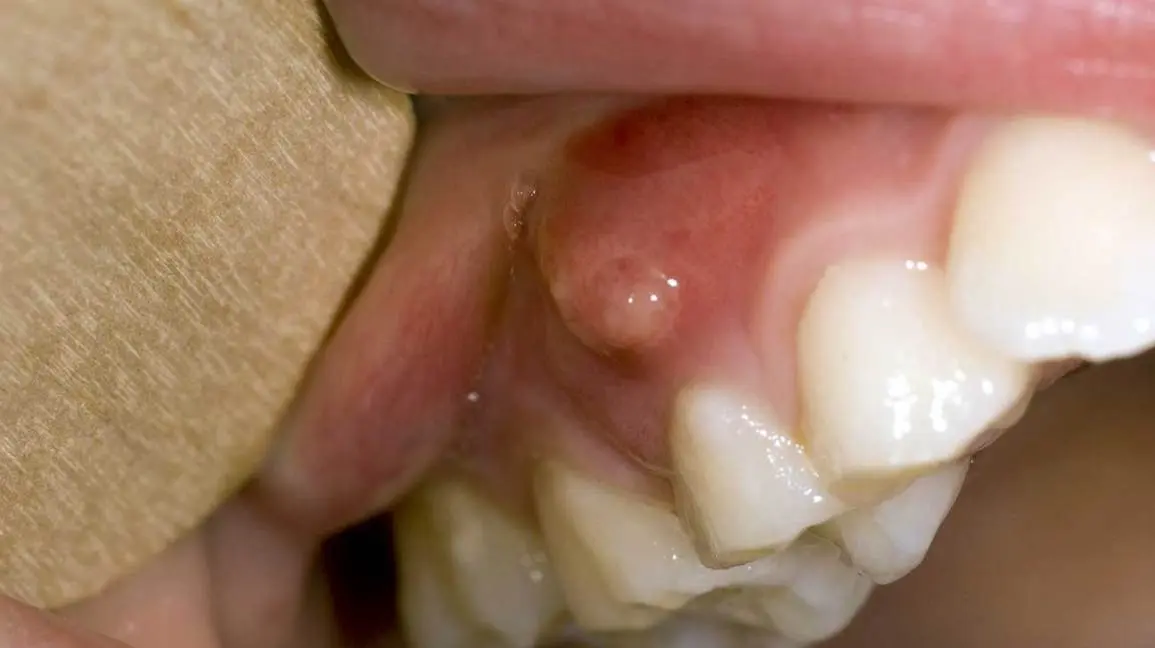
Okay, so picture this. I’m mid-sandwich, a glorious, cheesy, perfectly toasted ham and cheese, and suddenly I feel… a thing. Right there, on my gum, just below a tooth. It’s not exactly painful, more like a subtle, unwelcome bump. Like finding a rogue pebble in your sock. You know the feeling? Annoying, a little mysterious, and you just want it gone. My first thought? “Oh joy, what fresh dental drama is this?”
And if you’re here, reading this, chances are you’ve had a similar “oh joy” moment. That little lump on your gum below a tooth. It’s not exactly a headline-grabbing event, is it? But it’s definitely there, and your brain, like mine, starts doing a frantic little internal Google search. Is it serious? Is it just… a zit for my mouth? Let’s dive into this slightly weird, slightly unsettling, but ultimately very common dental situation.
The Mysterious Bump: What Exactly Is It?
So, that little enigma nestled on your gum? It’s not just a random flesh blob that decided to move in. There are a few main suspects when it comes to these gum lumps. Think of them as the usual suspects in a dental whodunit.
Must Read
The most common culprit, and often the most concerning to us non-dental professionals, is something called a gum boil. Or, if you want to sound fancy, a parulis. Catchy, right? Basically, it’s a little abscess. Your body is trying to fight off an infection, and this is where the pus decides to hang out. It’s like a tiny, unwelcome eviction notice for bacteria.
Another possibility is a mucocele. These are a bit different. Imagine a tiny cyst, usually filled with clear fluid. They’re often caused by a minor injury to a salivary gland duct, like biting your cheek a bit too enthusiastically. They can be a bit squishy and, thankfully, often resolve on their own. Still a bump, though, and still a bit… there.
Then there are things like gingival cysts or even fibromas. These are generally benign growths. A gingival cyst is similar to a mucocele, but often forms on the gum itself. A fibroma is a more solid lump of fibrous tissue. Again, usually not a cause for panic, but definitely a reason to get it checked out.
And, of course, there’s always the chance it’s related to a deeper dental issue. Like a problem with the tooth’s root. Your dentist will be able to tell you for sure, but that’s where we’re heading next.
When Does a Lump Become a “Uh Oh” Moment?
Now, I’m not trying to be a scaremonger here, but it’s always good to know when to wave the little white flag and call your dentist. Most of these lumps are pretty harmless and will go away with proper care. But there are a few red flags to keep an eye on.
First off, pain. If that little bump is throbbing, aching, or causing you significant discomfort, that’s a pretty clear signal that something is up. A little tenderness is one thing, but sharp, insistent pain? That’s a dentist’s cue.
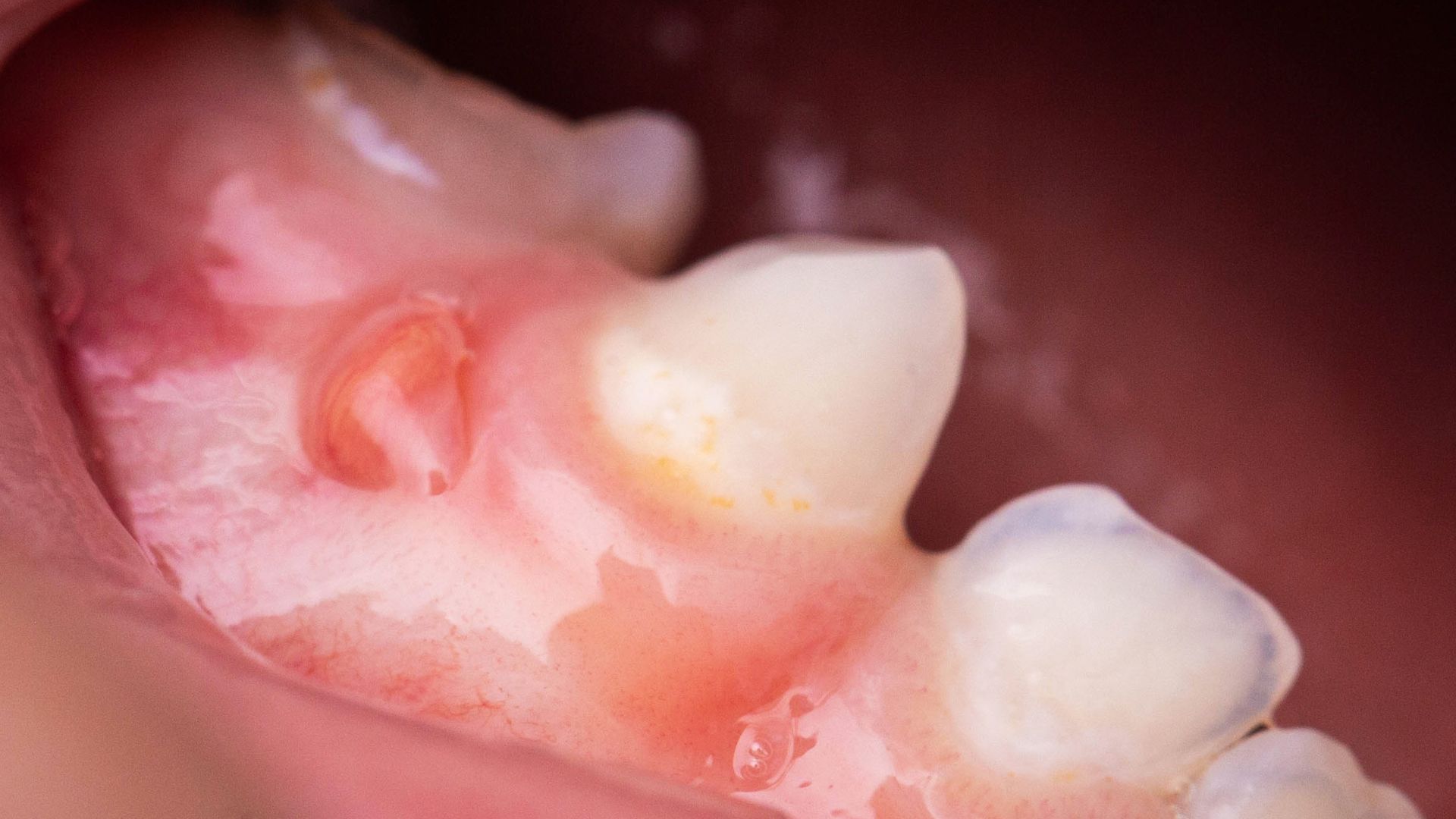
Next, swelling and redness. If the area around the lump is looking angry and inflamed, it’s your body’s way of saying, “Hey, there’s an invasion happening!” This often goes hand-in-hand with pain and is a strong indicator of infection.
Fever or general malaise. If you start feeling generally unwell, like you’ve caught a bug, and you’ve got a gum lump? That’s your body fighting something bigger, and the gum lump might just be a symptom. Don’t mess with that.
Changes in the lump itself. Is it growing rapidly? Changing color? Bleeding easily? These are all things to report to your dentist. It’s like a mysterious rash – you notice the changes, and you tell the doctor.
And, of course, if you have any underlying health conditions, especially those that affect your immune system or healing, it’s always wise to be a bit more proactive. Don’t assume it’s nothing. Better safe than sorry, right? Especially when it comes to your mouth.
The Great Gum Boil Debate: To Pop or Not to Pop?
Okay, confession time. When I had my own little gum lump situation, the urge to… well, you know… was strong. Like, super strong. It’s that primal instinct, isn’t it? See a lump, think about popping it. But as tempting as it is, and as satisfying as it might seem in the moment, do not, I repeat, DO NOT try to pop a gum boil yourself.
Why? Because you’re not a sterile environment. Your fingernails are tiny germ highways. And that little boil is your body’s way of containing an infection. If you burst it prematurely, or in an unsterile way, you risk spreading that infection deeper into your gum tissue, or even into your bloodstream. Yikes. That’s a recipe for disaster, not relief.
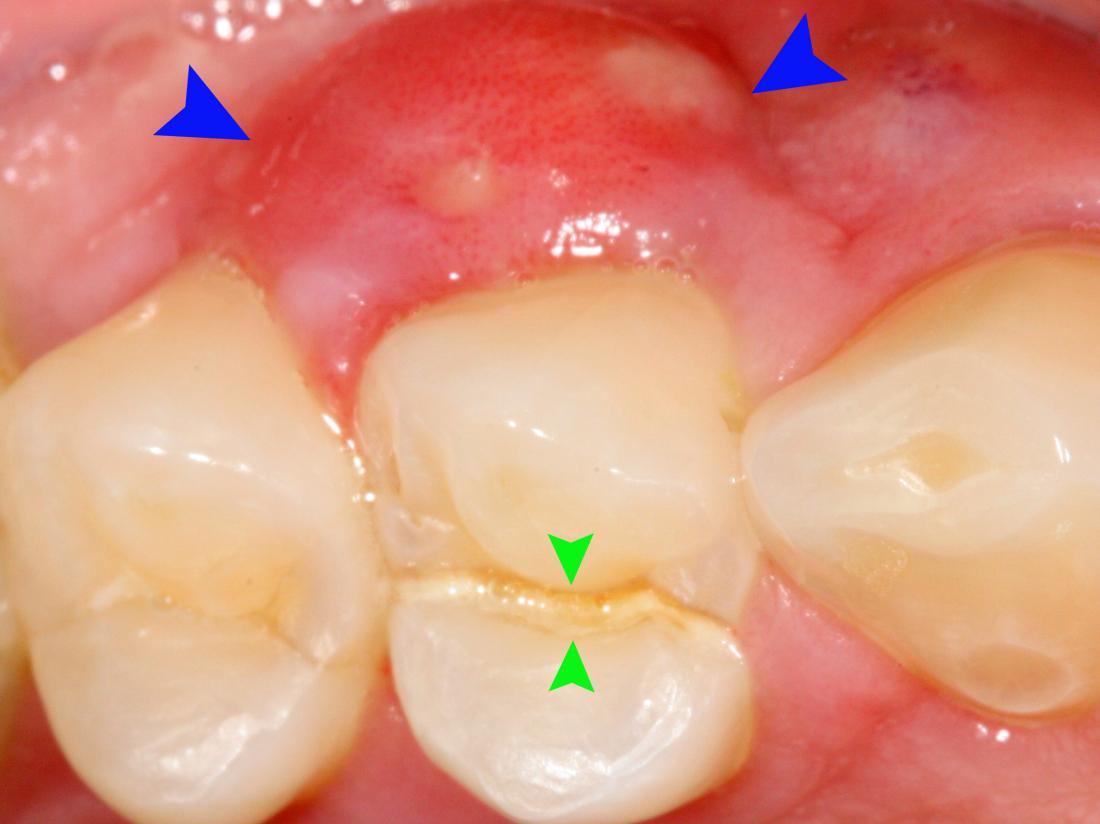
Think of it like this: your body has built a little dam to hold back the bad guys. If you just smash the dam, the bad guys get everywhere. Your dentist has the tools and the knowledge to deal with it safely and effectively. They can drain it properly, clean it out, and ensure the infection doesn't come back with a vengeance.
So, resist the urge. Seriously. It’s a test of willpower, I know. But your future dental self will thank you. Just imagine the satisfaction of having a professional handle it, and then feeling that relief without the added worry of making things worse.
What Your Dentist Will Do (and Why It’s Important)
So, you’ve made the sensible decision and booked that dental appointment. Phew! Now what? Your dentist is your best friend in this situation.
First, they’ll ask you questions. When did you notice it? Is it painful? Have you had any recent dental work? They’re gathering clues, like Sherlock Holmes of the molars.
Then, they’ll take a look. A good, thorough look. They might use a little dental mirror to get a better angle. They’ll be assessing the size, color, and texture of the lump.
Depending on what they see, they might recommend an X-ray. This is crucial for determining if the lump is related to a problem with the tooth’s root or surrounding bone. That little bump on your gum could be a sign of a deeper issue, like a root canal gone wrong (or needing doing!).

If it’s a simple abscess, they’ll likely drain it. This is usually a quick and relatively painless procedure. They’ll make a small incision, allow the pus to drain, and then clean the area. You might be prescribed antibiotics to help clear up any remaining infection. It’s like a tiny internal cleanup crew.
If it’s something else, like a mucocele or a fibroma, they’ll discuss the best course of action. Sometimes, these just need to be monitored. Other times, they might need to be surgically removed, especially if they’re causing discomfort or interfering with function. Again, your dentist will guide you through this.
The key takeaway here is that your dentist has the expertise to diagnose the problem accurately and treat it effectively. Trying to self-diagnose or self-treat is rarely the best approach when it comes to your oral health. They’ve seen it all, and they’re there to help.
The Root of the Problem: Can a Lump Signal Deeper Issues?
This is where things get a little more serious. While many gum lumps are relatively benign or easily treatable, some can be indicators of more significant underlying dental problems. It’s like a smoke alarm going off – it might be a minor issue, or it might signal a full-blown fire.
The most common deep-seated issue that can manifest as a gum lump is a tooth abscess. This happens when an infection starts inside the tooth, at the root. If it’s not treated, the infection can spread out of the root and into the surrounding bone and gum tissue, creating that familiar little bump – the gum boil.
This can happen for several reasons. A deep cavity that reaches the pulp of the tooth can lead to infection. A cracked or chipped tooth can expose the pulp to bacteria. Even trauma to a tooth, where the nerve dies over time, can eventually lead to an abscess. It’s like a silent time bomb ticking away, and the gum lump is the final visible sign.

Another possibility, though less common for a small lump, could be related to gum disease. Severe gum disease can lead to pockets of infection that can sometimes present as swelling or lumps on the gums. This is why regular dental check-ups are so important – they catch these issues before they escalate.
Occasionally, persistent lumps or growths on the gums can even be a sign of something more serious, like oral cancer. Now, I’m not saying every gum lump is cancer, absolutely not! But it’s one of the reasons why it’s so important to get any new or unusual growths checked by a dental professional. They are trained to spot the subtle signs of more serious conditions.
So, when you go to the dentist, remember that they’re not just looking at the lump itself. They’re looking at the whole picture. They’re checking the tooth it’s near, the surrounding gum tissue, and your overall oral health to make sure there isn’t a bigger problem brewing beneath the surface.
Prevention is Better Than a Pimple… on Your Gum
While you can’t always prevent a random mucocele from forming, you can significantly reduce your risk of developing those infection-related gum lumps, like gum boils. And, as you know, prevention is always better (and less annoying) than cure. Or, in this case, less annoying than a little white bump on your gum!
The golden rules of oral hygiene are your best defense. This means:
- Brushing twice a day with fluoride toothpaste. Don’t just go through the motions; give those teeth a good scrub, getting all the surfaces.
- Flossing daily. This is non-negotiable! Flossing gets to those tricky spots where your toothbrush can’t reach, removing plaque and food particles that can lead to infection.
- Regular dental check-ups and cleanings. Aim for every six months, unless your dentist recommends otherwise. These appointments are your superhero shield against oral health problems. Your dentist can spot issues early, remove plaque and tartar you can’t, and give you personalized advice.
- Limiting sugary and acidic foods and drinks. These feed the bacteria that cause cavities and can contribute to overall oral health issues.
- Avoiding tobacco products. Smoking and chewing tobacco are huge risk factors for a whole host of oral health problems, including gum disease and oral cancer.
Think of your oral hygiene routine as an investment. An investment in a healthy mouth, a confident smile, and avoiding those surprising little lumps that can cause so much unnecessary worry. It’s a small effort for a big payoff.
So, the next time you feel that familiar bump on your gum, take a deep breath. It’s probably nothing to panic about. But it is something to get checked out. Your dentist is there to help you navigate these little dental mysteries, ensuring your smile stays healthy and happy. And who knows, maybe you’ll even leave with a fun new dental fact to share at your next dinner party. You’re welcome!

