Is My Hair High Or Low Porosity
Let's talk about something that might sound a little scientific, but trust me, it's actually incredibly relevant to your daily life and something many of us spend a good chunk of time thinking about: hair porosity! Ever find yourself wondering why some products work wonders for your friend's hair but leave yours feeling like a straw-filled scarecrow? Or maybe you're constantly battling frizz or dealing with hair that just won't soak up moisture? Well, the secret might just lie in understanding your hair's porosity.
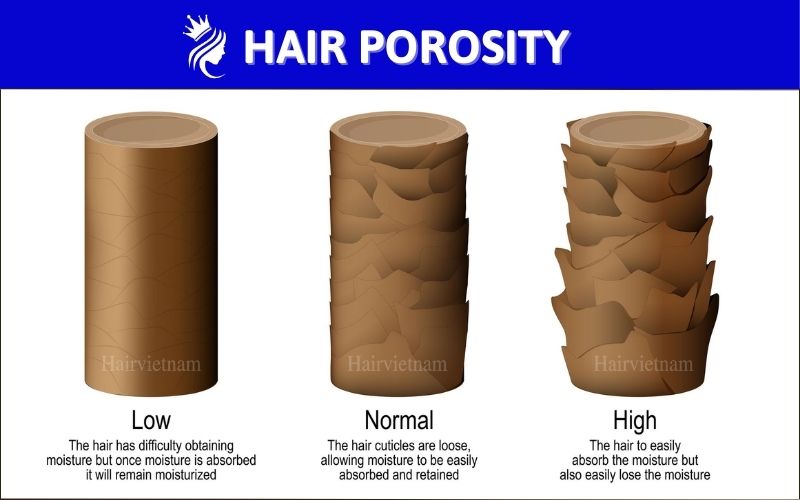
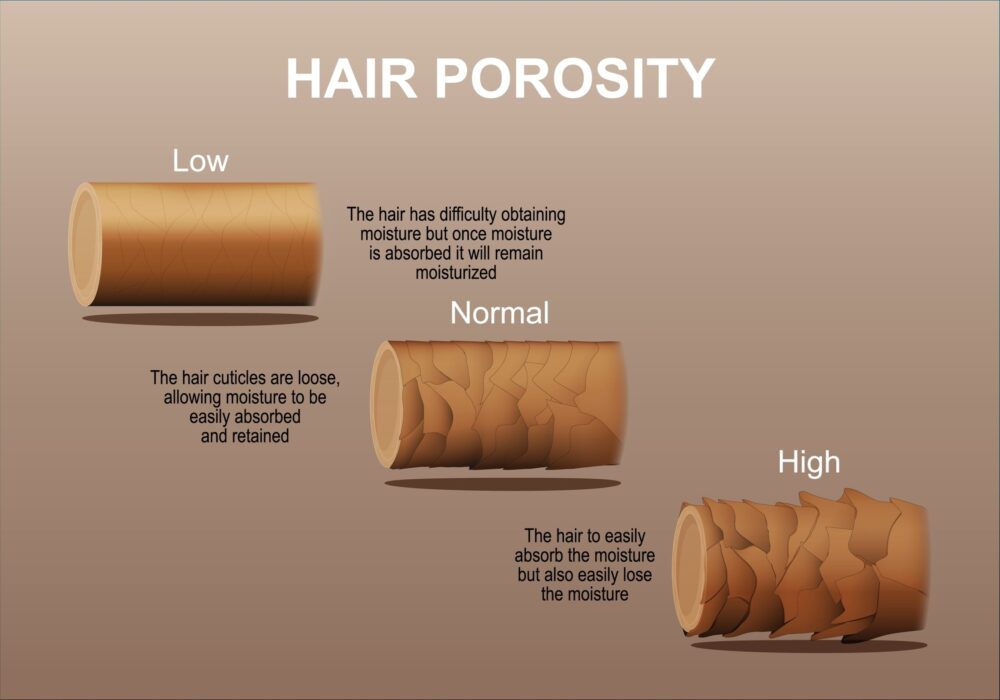
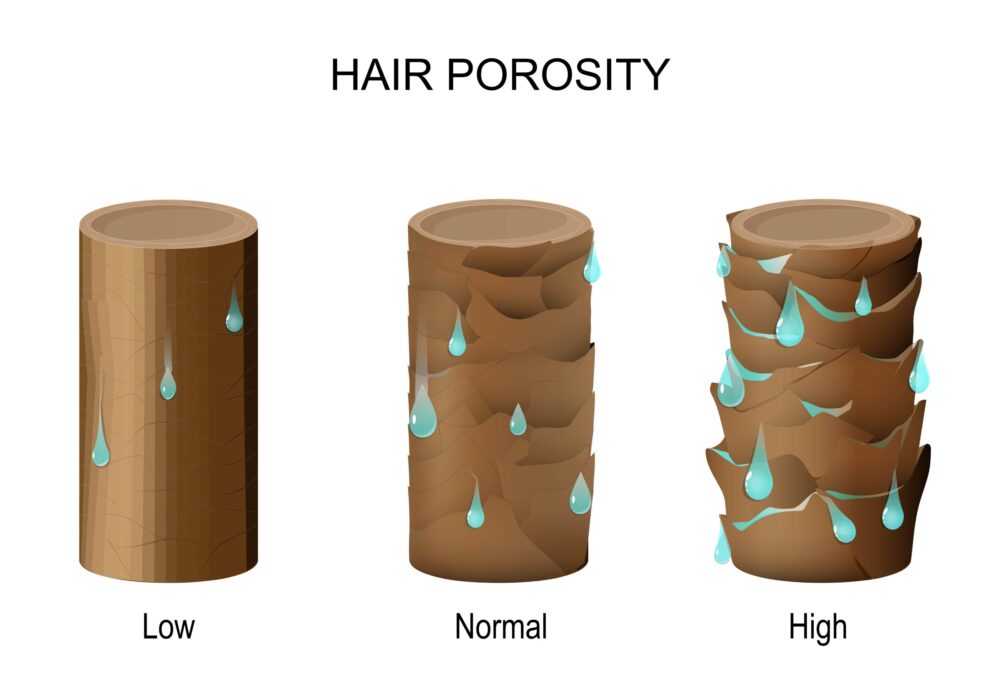
So, what exactly is hair porosity? Think of your hair cuticle – the outer protective layer – like a set of shingles on a roof. Porosity refers to how well your hair is able to absorb and retain moisture. This is determined by how much your cuticle is raised or lies flat. High porosity hair has cuticles that are raised or have gaps, making it easy for moisture to get in but also to escape quickly. Low porosity hair, on the other hand, has cuticles that lie very flat and tightly packed, making it difficult for water and products to penetrate, but once they're in, they tend to stay put. Medium porosity hair falls somewhere in the middle, with cuticles that are neither too tight nor too open.
Why should you care? Understanding your hair's porosity is like having a secret cheat code for hair care. It allows you to tailor your product choices and routine to your specific needs, leading to healthier, happier hair. For those with high porosity, the goal is to seal in moisture and prevent it from evaporating. This means using richer creams, oils, and leave-in conditioners, and perhaps avoiding harsh sulfates. For low porosity hair, the challenge is getting moisture in. Lighter products, heat application (like a warm towel or steamer), and avoiding heavy oils that can just sit on top are key. And for the lucky ones with medium porosity, you likely have a bit more flexibility!
Must Read
The beauty of this knowledge is that it's not some exclusive club; it’s a practical tool for everyday hair management. Common examples include noticing how quickly your hair dries (super fast? likely high porosity) or how long it takes to get truly saturated when wet (takes ages? possibly low porosity). You might also observe how products behave – do they just sit on the surface, or do they seem to sink in? Figuring this out can dramatically improve your hair's texture, shine, and overall manageability, reducing breakage and making styling a breeze.
Ready to put this into practice? Here are a few tips to enjoy your porosity journey more effectively. First, try the water test: fill a glass with water and place a clean, dry strand of hair in it. If it floats, it's likely low porosity. If it sinks slowly, it's medium. If it sinks quickly to the bottom, it's high porosity. Don't rely on just one test; try it with a few strands. Second, pay attention to how your hair feels after washing and conditioning. Does it feel dry and thirsty soon after, or does it feel weighed down? Listen to your hair! Finally, experimentation is key. Don't be afraid to try different product types and see what your hair responds best to. Embrace the process, and you'll be well on your way to understanding and loving your unique hair like never before!


![How To Test Your Hair Porosity - The Easy Way [Expert Method]](https://www.coloredhaircare.com/wp-content/uploads/2023/02/What-is-your-hairs-porosity.png)