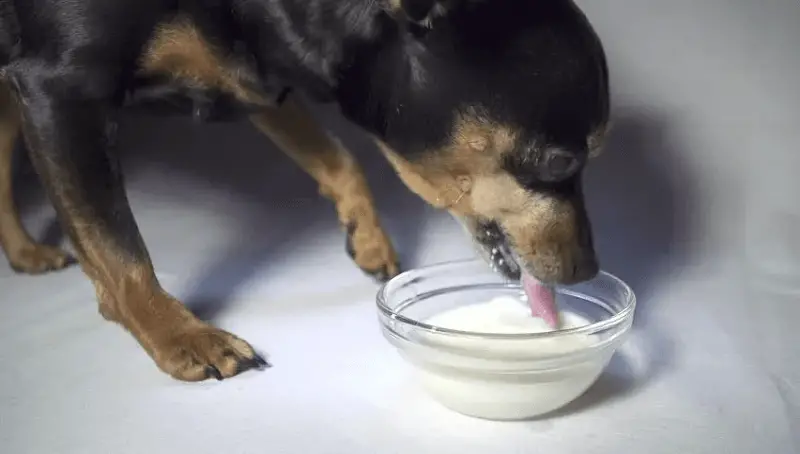
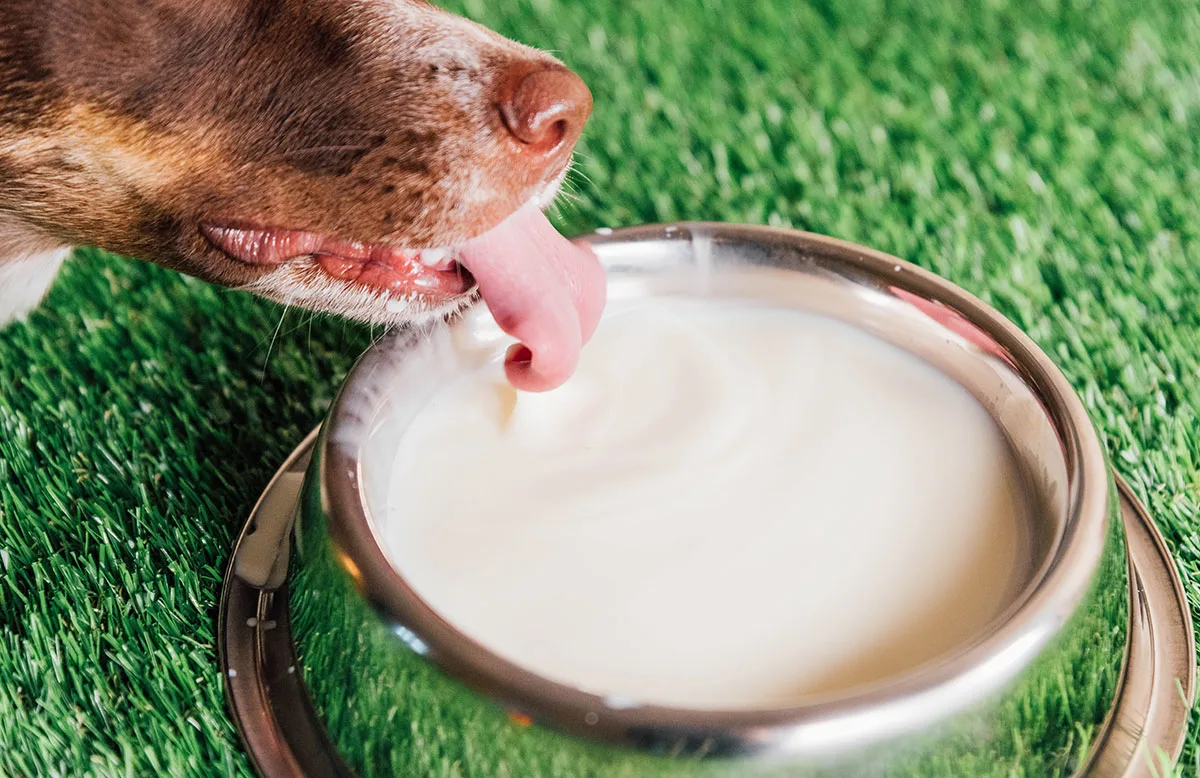
Is It Ok To Give Dogs Cows Milk

Hey there, fellow dog lover! So, you’re probably sitting there, maybe with a cute doggo snoozing at your feet, and a glass of milk in your hand. And then, a thought pops into your head, right? "Can my furry best friend enjoy a little sip of this moo-juice with me?" It’s a classic question, and honestly, a totally understandable one. After all, dogs are part of the family, and we want to share everything with them, don't we?
But before you go pouring out that creamy goodness for your canine companion, let’s have a little chat. We're going to dive into the nitty-gritty of whether it's a resounding "yes," a cautious "maybe," or a definite "nope" when it comes to giving your dog cow's milk. And don't worry, we'll keep it light, fun, and totally jargon-free. Think of it as a friendly chat over a cup of coffee... or maybe a bowl of kibble!
So, What's the Deal with Dogs and Milk?
Alright, let's get down to business. The short answer is… it’s complicated. It’s not a simple black and white situation, like whether your dog prefers chasing squirrels or vacuum cleaners (though some might argue about that too!). For most adult dogs, giving them cow's milk isn't necessarily toxic or immediately life-threatening. So, you won't have to rush them to the vet after a tiny accidental spill. Phew!
Must Read
However, and this is a big however, it's generally not recommended as a regular part of their diet. Why? Well, it all boils down to a little thing called lactose. Ever heard of lactose intolerance? Yep, humans can have it too! And guess what? A lot of dogs are basically lactose intolerant.
Lactose Intolerance: The Big Buster of Milk Dreams
Think about it. Dogs, in their wilder days, weren't exactly hanging out at dairy farms, were they? They were more focused on, you know, surviving. And when they were puppies, they got milk from their moms. This mother's milk is specifically formulated for puppies, with the right balance of nutrients and, importantly, the enzymes needed to digest lactose.
As puppies grow into adult dogs, their bodies tend to produce less lactase, the enzyme that breaks down lactose. So, when they drink cow's milk, which is full of lactose, that undigested sugar can wreak a bit of havoc in their digestive system. It's like trying to fit a square peg into a round hole – it just doesn't quite work out.
What does this "havoc" look like, you ask? Well, it can lead to some pretty unpleasant situations for both your dog and, let's be honest, for you. We're talking about things like diarrhea, vomiting, and general stomach upset. Nobody wants their furry friend feeling poorly, and nobody wants to be cleaning up unexpected "accidents," right? It’s a double whammy of unhappy.

The Dairy Dilemma: Beyond Just Lactose
Now, it's not just about the lactose, although that's the main culprit. Cow's milk is also quite rich. Even if your dog can tolerate lactose pretty well, the high fat content in whole milk can sometimes be a bit much for their digestive system. This can also lead to tummy troubles, and in some sensitive dogs, it might even contribute to a condition called pancreatitis, which is a serious inflammation of the pancreas.
So, even if your dog laps up that tiny lick of milk you gave them without an immediate protest, it doesn't mean it's entirely beneficial. It’s like giving a kid a whole bag of candy – they might enjoy it for a moment, but it's not exactly good for their long-term health. We're aiming for wagging tails and happy tummies, not tummy rumbles and sad eyes.
Are There Any "Safe" Dairy Options?
Okay, so cow's milk is generally a no-go. But what about other dairy products? You might see things like yogurt or cheese in your fridge. Can Fido have a little nibble of those?
This is where things get a smidgen more nuanced. Some dogs might be able to handle small amounts of certain dairy products. For example, plain, unsweetened yogurt (especially Greek yogurt, which has less lactose) can sometimes be okay in very small quantities for some dogs. The beneficial bacteria in yogurt can even be good for their gut health. However, this is a HUGE "if" and depends entirely on your individual dog. Some dogs will still react poorly.
And cheese? Well, cheese is usually high in fat and can be quite salty. Again, a tiny, tiny taste of a very mild, low-fat cheese might not cause immediate harm, but it's definitely not a health food for your dog. And forget about anything with added flavorings, onions, or garlic – those are definite no-nos for dogs!
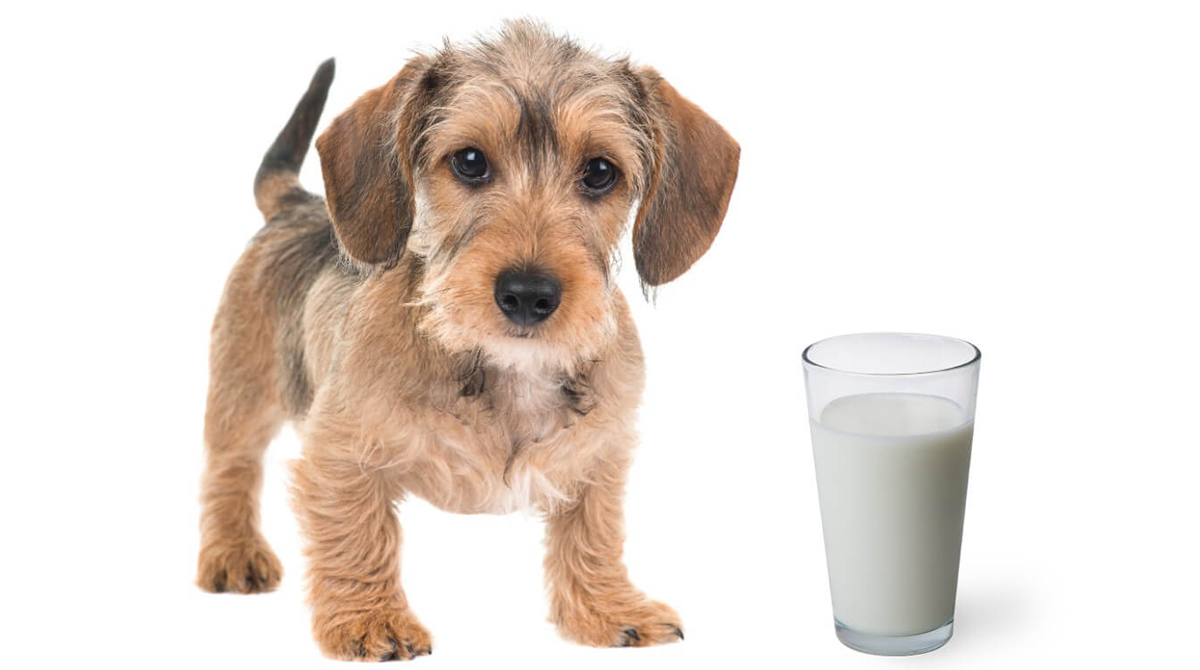
The key takeaway here is moderation and observation. If you absolutely feel the need to give your dog a tiny taste of something dairy-adjacent, start with a minuscule amount and watch them like a hawk. Any signs of digestive upset, and it's back to the drawing board.
Puppies vs. Adult Dogs: A Crucial Distinction
Let's circle back to puppies for a moment. As we touched upon, puppies rely on their mother's milk for essential nutrients and to build their digestive systems. If a puppy is orphaned or their mother can't produce enough milk, vets will often recommend specialized puppy milk replacers. These are formulated specifically for puppies and are designed to be easily digestible and provide the correct nutritional balance.
Cow's milk, even puppy-friendly versions of cow's milk, is simply not the same as a mother's milk for a newborn puppy. It can lead to serious nutritional deficiencies and digestive problems that can be detrimental to their growth and development. So, if you have a little fluffball who needs milk, always consult your veterinarian. They are the experts and will guide you to the safest and most effective options.
What About Dogs That Seem to Tolerate Milk?
You might know a dog, or perhaps your own dog, who happily laps up milk without any visible ill effects. How is that possible? Well, as we mentioned, some dogs do have a higher tolerance for lactose than others. It’s a spectrum, and some individuals are just built a little differently. They might have more lactase enzymes or a more resilient digestive system.

However, even if your dog doesn't seem to react negatively, it doesn't automatically make cow's milk a good dietary choice. They might be coping with it rather than thriving on it. Think of it like this: you might be able to eat a whole pizza by yourself every night and not immediately feel sick, but it's probably not the healthiest long-term strategy, right?
Their bodies might be working harder to digest it, and the fat content could still be contributing to issues down the line that aren't immediately apparent. So, while you might get away with it, it's still generally best to err on the side of caution and provide them with dog-specific foods that are nutritionally complete and easy on their systems.
The Healthier Alternatives: Making Your Dog Happy and Healthy
So, if cow's milk is out, what can you offer your thirsty canine companion? Plenty of things! Water is, of course, the absolute best and most essential beverage for your dog. Always make sure they have access to fresh, clean water.
If you're looking for something a little more exciting for a treat, there are fantastic dog-specific milk alternatives available. These are formulated to be lactose-free and often contain beneficial ingredients like probiotics. You can find them in various flavors that dogs tend to love. It's a win-win: they get a tasty drink, and you know it's good for them!
Another fun idea is to make your own doggy treats. You can blend plain, unsweetened yogurt with some dog-safe fruits like blueberries or a tiny bit of banana, and then freeze them into little ice pops. These are a wonderful, refreshing treat on a warm day and are packed with goodness. Just remember to always do your research on what fruits are safe for dogs!

And let's not forget about the sheer joy of a good old belly rub or a fun game of fetch. Sometimes, the best "treat" you can give your dog isn't something they consume, but rather something you share – your time, your attention, and your love. These are the things that truly fuel their happiness and well-being.
When in Doubt, Ask Your Vet!
We've covered a lot of ground, and I know you're a smart cookie, but when it comes to your dog's health, there's no shame in seeking professional advice. If you have any lingering questions or concerns about your dog's diet, including whether they can tolerate certain human foods or dairy products, your veterinarian is your absolute best resource.
They have the knowledge and experience to assess your individual dog's needs based on their breed, age, health status, and any existing sensitivities. They can offer tailored recommendations and ensure you're providing your furry friend with the healthiest and happiest life possible. A quick call to your vet can save you a lot of worry and potential tummy troubles!
The Verdict: Sip Safely!
So, to wrap it all up with a wagging tail and a happy bark: While a tiny, accidental lick of cow's milk probably won't send your dog to the doghouse of doom, it's generally not a good idea to make it a regular part of their diet. The lactose intolerance and high fat content can lead to digestive upset and other health issues.
But hey, that doesn't mean your dog can't enjoy a special, delicious drink! Opt for dog-specific milk alternatives or create some homemade frozen treats. The most important thing is to prioritize your dog's health and happiness. And remember, the love and companionship you share are far more nourishing than any dairy product could ever be. So go give your pup an extra scratch behind the ears – they deserve it!