Is Cedar A Hard Or Soft Wood

Ever wondered if that lovely smelling wood in your closet or outdoor furniture is a tough guy or a softie? Let's dive into the wonderful world of cedar and find out if it's more of a gentle hug or a sturdy handshake. It's a question that pops up more often than you might think!
So, is cedar a hardwood or a softwood? Drumroll please... cedar is actually a softwood! Yep, that's right. It might feel surprisingly solid and stand up to a lot, but botanically speaking, it falls into the softwood category.
Now, you might be thinking, "But wait, it feels pretty tough!" And you're not wrong! The terms hardwood and softwood don't always describe how hard or soft the wood feels to the touch. It's all about how the tree grows.
Must Read
Think of it like this: Hardwoods come from trees that are typically deciduous. That means they lose their leaves every year. Think of oak, maple, or cherry trees. They're like nature's deciduous dancers, shedding their leafy outfits seasonally.
On the flip side, softwoods come from trees that are usually evergreen. These are the ones that keep their needles all year round, like pines, firs, and, you guessed it, cedars! They're the steadfast sentinels of the forest, always dressed for the occasion.
So, even though cedar is classified as a softwood, it has some pretty amazing qualities that make it feel and perform like a champion. It's not just about being soft or hard; it's about what makes cedar so wonderfully special.
One of the most famous things about cedar is its incredible, unmistakable scent. It's a fragrance that many people absolutely adore. It's fresh, a little bit spicy, and just downright pleasant.
This delightful aroma is actually a natural insect repellent. How cool is that? Moths, in particular, really dislike the smell of cedar. That's why people have been using cedar chests and lining closets with cedar for generations to protect their clothes.
Imagine, your sweaters are safe and sound, not because of a chemical spray, but because of the fragrant gifts of a tree! It’s like having a tiny, natural bodyguard for your favorite woolens. And that lovely smell? It just keeps on giving.
Beyond its fragrant talents, cedar is also known for its impressive durability and resistance to decay. Even though it's a softwood, it doesn't rot easily. This makes it a fantastic choice for outdoor projects.
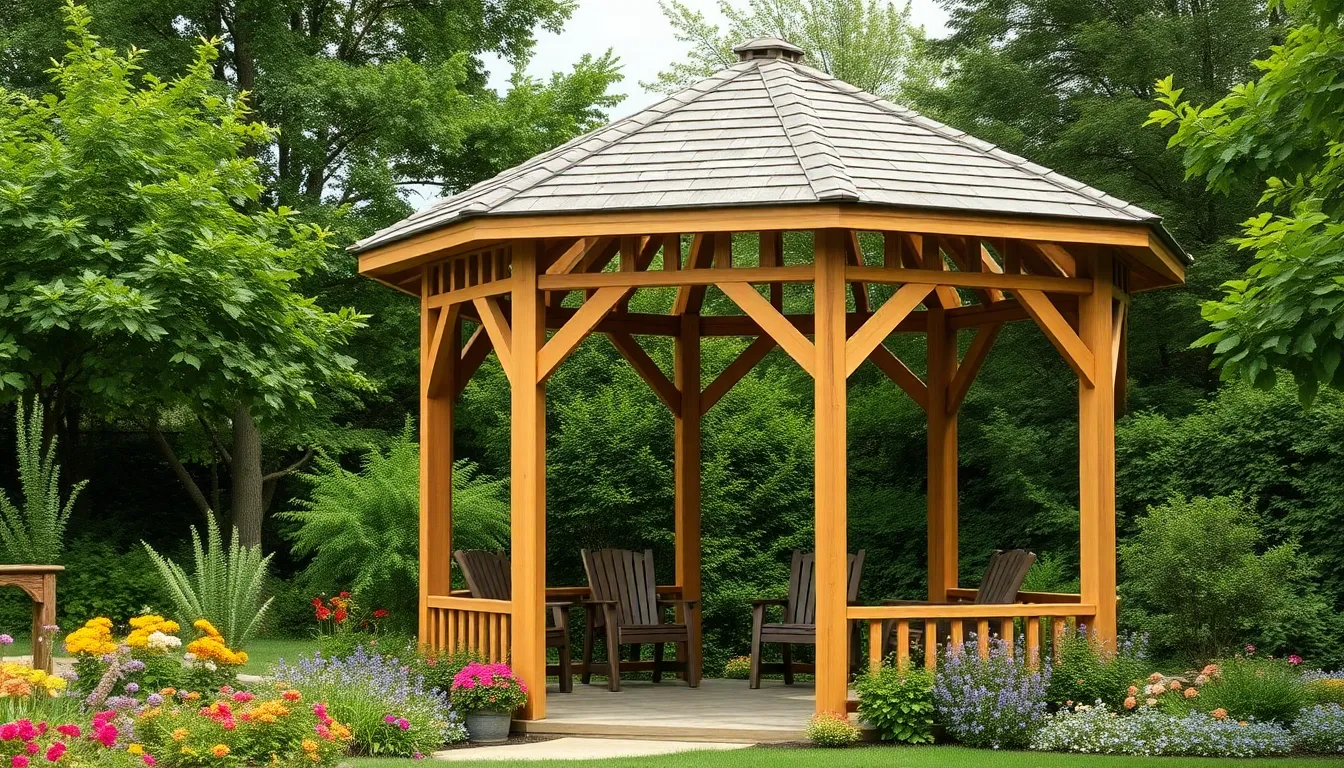
Think about beautiful cedar decks that withstand the weather. Or charming cedar fence posts that stand tall for years. Or even those gorgeous cedar shingles that crown a roof with natural elegance.
This natural resistance to rot and insects means that cedar projects can last a really long time. You get beauty and longevity, all wrapped up in one naturally gifted material. It’s like nature saying, "Here, have something beautiful that lasts!"
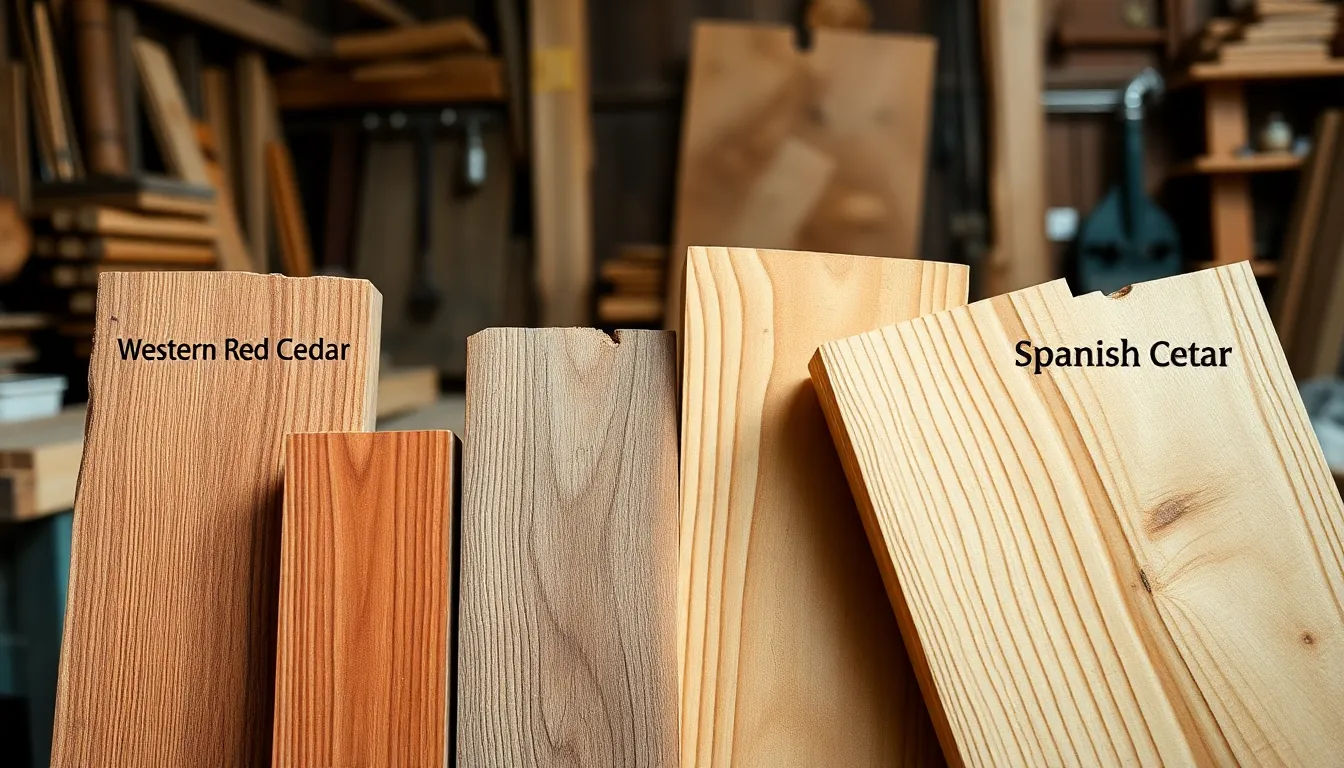
There are actually many different types of cedar trees. Each has its own unique characteristics, but they all share that wonderful cedar essence. Some of the most common ones you might hear about include Western Red Cedar, Eastern Red Cedar, and Aromatic Cedar.
Western Red Cedar, for instance, is a superstar in the world of outdoor construction. It's lightweight yet strong, and its natural oils make it highly resistant to moisture and decay. It's the go-to for many builders who want something that looks amazing and lasts.
Then there's Eastern Red Cedar. This wood is famous for its rich color, often a beautiful reddish-brown. It's also incredibly aromatic and is a favorite for making small items like pencils, chests, and even decorative pieces.
And Aromatic Cedar? Well, the name says it all! This type is prized specifically for its strong, pleasant scent. It's the kind of wood you'd definitely want in your closet or for lining drawers to keep things fresh and protected.
So, when you see a beautiful piece of cedar furniture, or a stunning cedar fence, remember that you're looking at a softwood that punches way above its weight class. It's a testament to the amazing engineering that nature provides.
Its workability is another fantastic feature. Despite its durability, cedar is relatively easy to cut, shape, and work with. This makes it a favorite for both professional woodworkers and DIY enthusiasts.
You don't need super-powered tools to get great results with cedar. It’s forgiving and cooperative, which makes projects more enjoyable. Imagine creating something beautiful without a wrestling match!
The natural beauty of cedar is also a big draw. It often has lovely grain patterns and a warm, inviting color that ages gracefully. It's the kind of wood that gets better with time.
It’s not just about function; cedar adds a touch of natural elegance to any space. Whether it’s inside your home or gracing your garden, cedar brings a piece of nature's artistry with it.
Think about the feeling of walking onto a cedar deck on a warm evening. The scent fills the air, and the wood feels solid and inviting beneath your feet. It's an experience that engages all your senses.
Or imagine opening a closet lined with cedar. That subtle, refreshing aroma is like a welcoming breath of fresh air. It’s a small detail that makes a big difference.
The fact that cedar is a sustainable choice is also a huge plus. Many cedar trees are grown and harvested responsibly, making it an environmentally friendly option. It's a win for your project and a win for the planet.
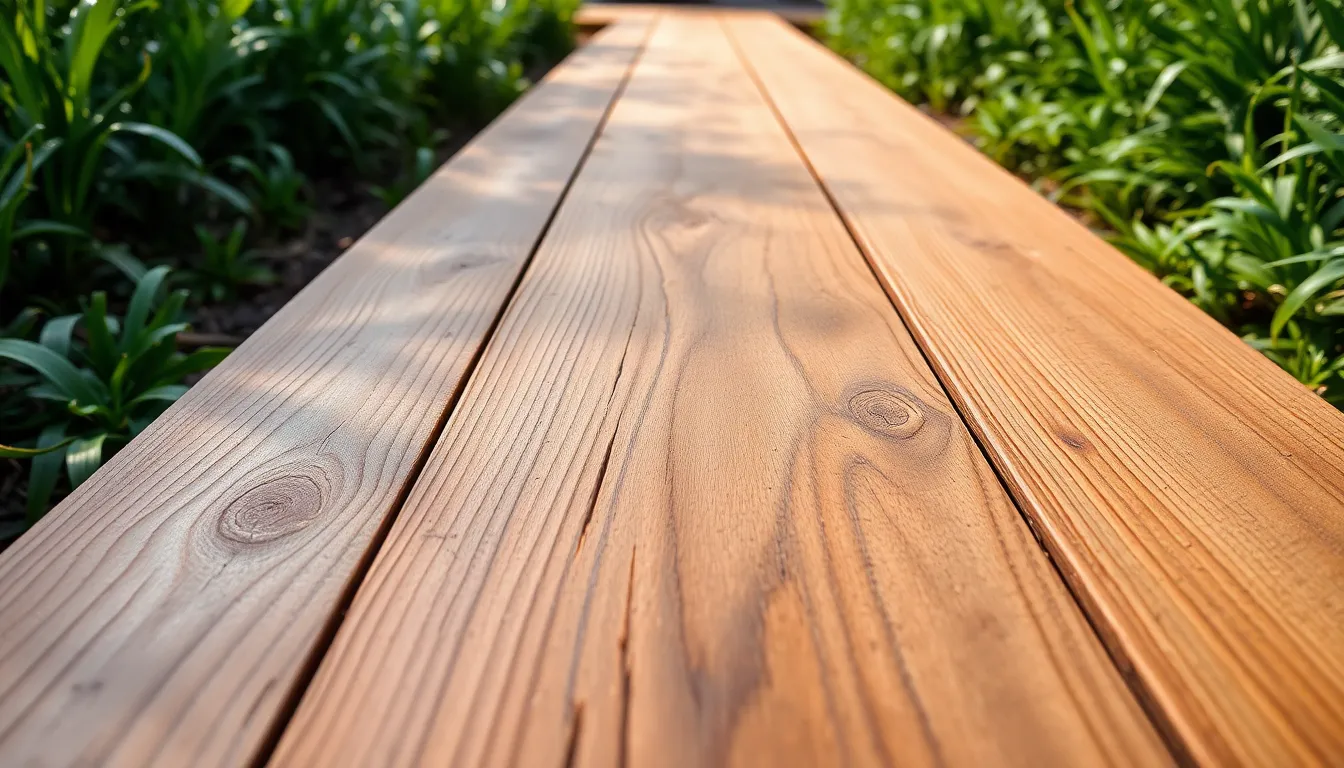
So, next time you encounter cedar, whether it's a birdhouse, a garden bench, or a beautiful wooden chest, you’ll know its secret. It’s a softwood that boasts the strength, beauty, and delightful scent of a true natural wonder.
It’s a wood that proves that sometimes, the gentlest options can be incredibly robust and profoundly charming. Cedar is a reminder that nature has a way of creating materials that are both practical and truly enchanting.
It's the kind of material that inspires you to create, to build, and to simply enjoy the natural world around you. So go ahead, explore the world of cedar. You might just fall in love with its enduring appeal.
So, there you have it! Cedar: a softwood with a heart of gold and a nose for pest control. It’s a material that truly stands out for all the right reasons.
The way cedar is harvested and processed often emphasizes retaining its natural qualities. This means less need for artificial treatments, which is good for both the environment and for you. It’s a natural marvel.
The unique interlocking structure of cedar fibers contributes to its natural resistance to warping and splitting. Even with changes in humidity, it tends to hold its shape remarkably well. This is a big deal for any construction or crafting project.
This stability makes cedar a joy to work with. Projects made from cedar are less likely to develop unsightly cracks or misshapen parts over time. It's built to last, naturally.
Consider the rich history of cedar use. Indigenous peoples have used it for centuries for its durability and spiritual significance. It's a wood with deep roots in human civilization.
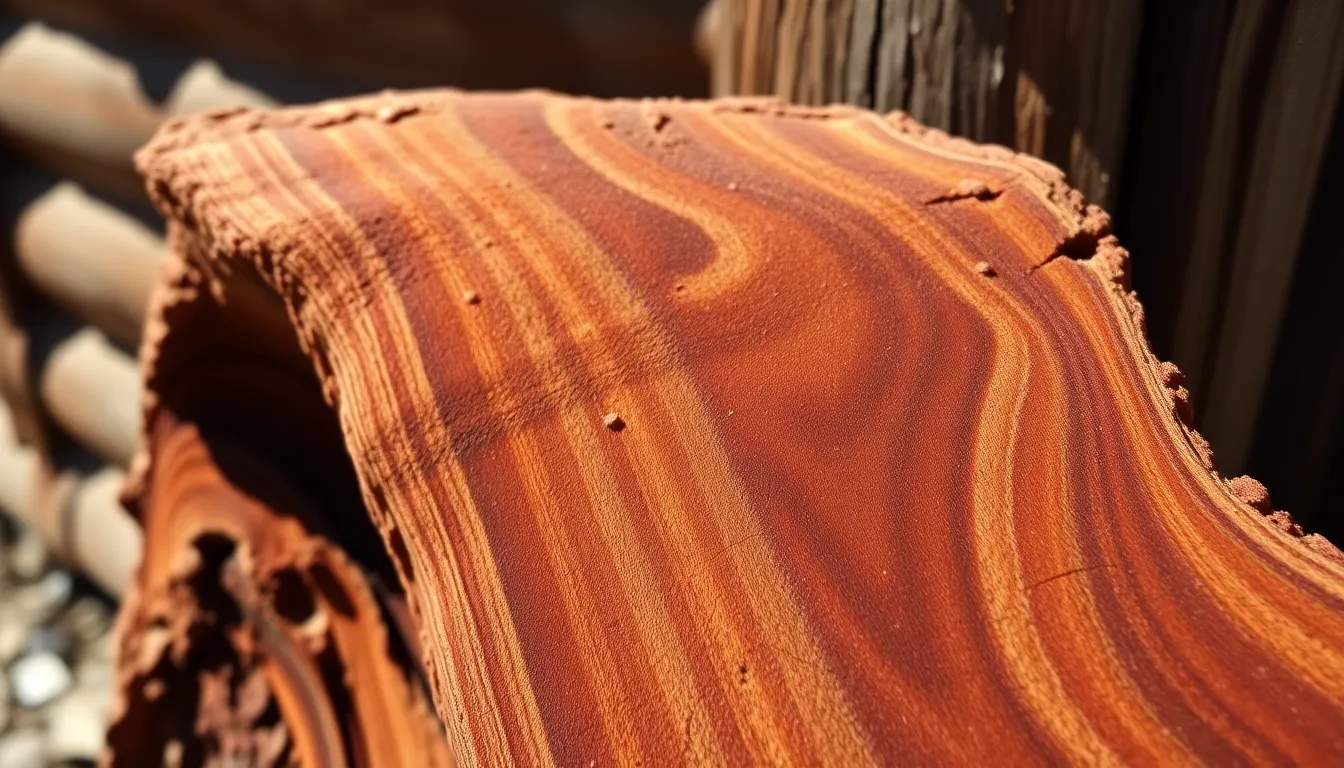
This long-standing relationship with humans speaks volumes about cedar's enduring value and appeal. It's a material that has proven its worth time and time again.
Think about the satisfying sound a saw makes when cutting through cedar. It's a clean, crisp sound that signals you're working with a quality material. It's music to a woodworker's ears.
The slight resistance you feel is just enough to let you know it's not flimsy, but it's never a struggle. It's a balanced, enjoyable working experience.
And the finish? Cedar can be left natural to develop a beautiful silvery-gray patina over time, or it can be stained, painted, or sealed to enhance its natural beauty or match specific aesthetics. It’s versatile!
This adaptability means cedar can fit into almost any design plan. It's a chameleon of the woodworking world, always looking good.
So, when you hear someone ask, "Is cedar a hardwood or a softwood?", you can confidently say, "It's a softwood, but don't let that fool you! It's one of the most amazing and versatile woods out there."
It's a testament to the fact that classifications aren't always the whole story. Sometimes, you need to look at what a material does and how it makes you feel. And cedar excels at both.
It’s a wood that brings a smile, a sigh of relief (for your clothes!), and a sense of natural beauty into our lives. Cedar is more than just wood; it's an experience.