
Is Ash A Hard Or Soft Wood

So, you're staring at a piece of wood, maybe it's a nice new table, or perhaps that slightly wobbly chair you inherited from Aunt Mildred. You're wondering, "Is this thing built to last, or is it going to buckle faster than my New Year's resolutions after a slice of pizza?" And a big part of that question, my friends, boils down to whether that wood is a hardwood or a softwood. Think of it like choosing between a superhero and a slightly less heroic, but still pretty handy, sidekick.
Now, before you go thinking we're about to embark on a lengthy botanical lecture that would make a tree shed a tear, let's keep this light. This is about making sense of the world around us, one plank at a time. It’s about understanding why some furniture looks like it could survive a zombie apocalypse, while other bits… well, let's just say they might have a bit of a meltdown if you look at them too sternly.
The word on the street, or rather, the forest floor, is that ash wood falls squarely into the hardwood camp. Yep, this is the stuff that's got some serious backbone. It's not like those flimsy twigs you used to snap off a bush when you were a kid, imagining you were a mighty warrior. Ash is more like the sturdy staff of that very warrior, capable of withstanding a bit of a beating.
Must Read
What Makes a Wood "Hard" Anyway?
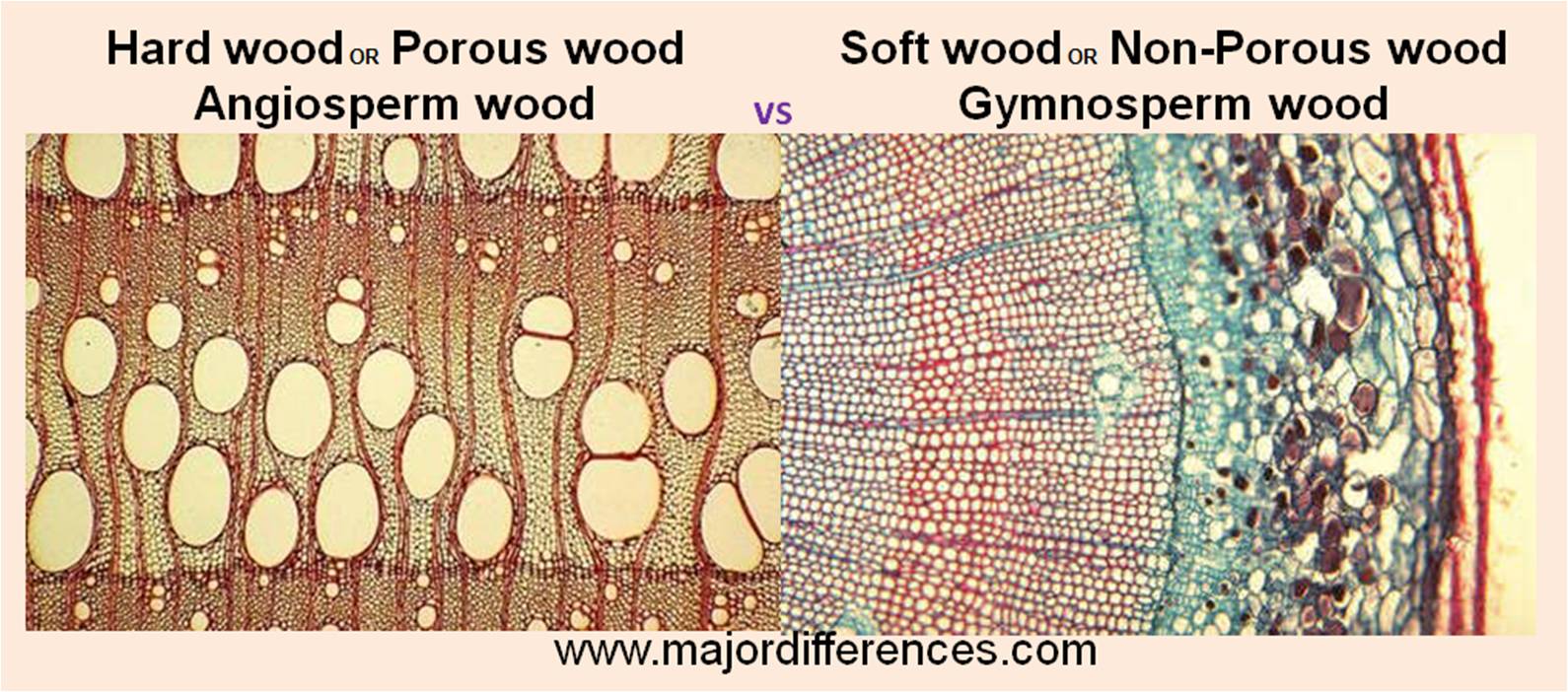
Alright, so what's the big deal with "hard" and "soft"? It's not as simple as seeing if you can dent it with your thumbnail. Trees, you see, have a couple of main ways of doing business. You've got your deciduous trees – the ones that are all dramatic and shed their leaves in the autumn like they’re auditioning for a tragic play. These are generally our hardwood producers. Think oak, maple, walnut, and, you guessed it, ash.
Then you have your conifers, the evergreens that stand there looking stoic all year round, like they’ve got their life perfectly together. These are the softwood guys. Pines, firs, spruces – they’re the ones you often see used for framing houses or making those big, cheerful Christmas trees that eventually become a bristly hazard in your living room.
The scientific bit, and I promise to keep it brief, has to do with how the trees reproduce. Hardwoods come from trees that have broad leaves and reproduce using flowers and seeds encased in a fruit or shell. Softwoods, on the other hand, are typically cone-bearing trees with needles or scales. Think of it as nature's way of categorizing: leafy types get the "hard" label, and the pointy-needled types get the "soft" badge. It’s like a schoolyard classification, but with more cellulose and lignin.
Ash: The Understated Champ
So, back to our star player, ash. Why is it considered a hardwood? Because it comes from the ash tree, a magnificent deciduous beauty that stands tall and sheds its leaves with flair. Ash wood is known for its strength, its toughness, and its ability to bounce back. It’s not brittle; it’s got a bit of give, like a well-trained boxer who can absorb a punch and keep going.
Imagine trying to build a sturdy baseball bat. You wouldn't want something that splinters on the first swing, right? You need wood that can take a hefty whack and still hold its shape. Historically, ash has been the go-to for exactly this kind of thing. Baseball bats, tool handles (think hammers and axes – you need those to be tough!), and even hockey sticks have traditionally relied on the robust nature of ash.
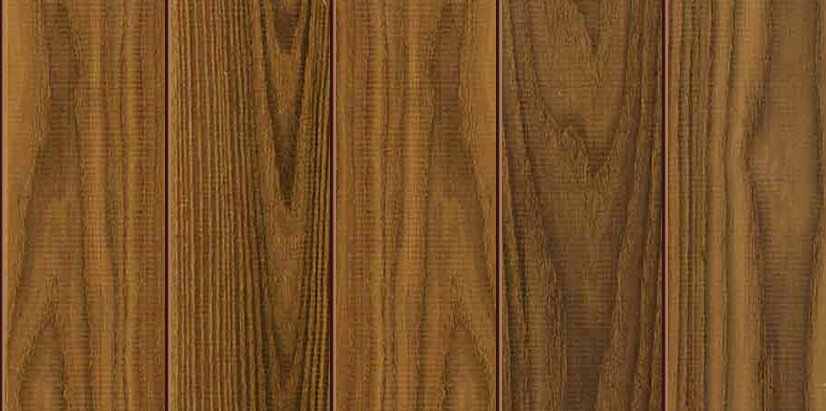
It’s also got a rather pleasing aesthetic. Ash often has a straight grain with a prominent, sometimes wavy, pattern. It can range in color from a pale creamy white to a medium brown. It takes finishes really well, meaning you can stain it to look like something else entirely, or you can let its natural beauty shine through. It's like the chameleon of the wood world, but a very dignified chameleon.
Why Should You Care About Hard vs. Soft Wood?
This isn't just about impressing your friends at your next dinner party with your newfound arboreal knowledge (though that’s a definite bonus). Understanding wood types helps you make better choices in your own life, whether you’re:
- Buying furniture: If you want something that will last through generations of kids jumping on it and pets scratching it, a hardwood like ash is probably a better bet than a softwood. Think of it as investing in a family heirloom versus buying something that might end up at the curb sooner than you'd like.
- DIY projects: Building a bookshelf that needs to hold the weight of your entire collection of vintage encyclopedias? You’ll want a hardwood for that. Trying to whip up some quick garden planters that won’t rot in the first rain shower? Some softwoods might do the trick, especially if treated.
- Flooring: Ah, wood floors. The dream! But walk into a busy kitchen with a softwood floor, and you’ll be cringing every time someone drops a fork. A hardwood floor, like one made from ash, is much more resilient. It’s the difference between a floor that looks pristine and one that tells a thousand stories of dropped toys and scuffed shoes.
- Musical instruments: Ever wondered why some guitars sound so rich and resonant? The type of wood used plays a massive role. Ash, with its tonal properties, has been a favorite for electric guitar bodies for decades, contributing to that classic, punchy sound. It's like the difference between a tin whistle and a Stradivarius – both make noise, but one has a certain je ne sais quoi.
Common Misconceptions and Fun Facts
Here’s where things get a little quirky. You might think that "hardwood" means it's physically harder to cut or saw. While it's generally true that hardwoods are denser and thus more challenging to work with, the terms are primarily about the tree's botanical classification, not just its physical hardness.
For instance, some softwoods, like yew, can be quite hard. And some hardwoods, like balsa wood (which is so soft it's used for model airplanes), are surprisingly… well, soft! So, while there’s a general correlation, it's not a perfect one-to-one rule. It’s a bit like saying all fast cars are red – usually true, but you’ll find a blue one now and then that can still outrun you.
Another fun tidbit: Ash is a type of wood that is naturally resistant to decay and insects. So, it’s not just tough; it's also got a bit of built-in armor. This makes it a great choice for outdoor furniture or any application where moisture might be an issue, though of course, proper sealing is always a good idea. It’s like a knight who not only has a strong shield but also a slightly magical, insect-repelling aura.
Ash in Your Home: From Tool Handles to Tabletops
When you encounter ash in your daily life, it’s often for practical reasons. That trusty shovel with the smooth, strong handle? Probably ash. The sturdy legs on a solid dining table? Could be ash. Even some fine cabinetry and decorative veneers utilize ash for its attractive grain and workability.
Think about your kitchen. If you’ve got wooden cutting boards, some of the really durable ones might be made from ash or a similar hardwood. They can take a beating from knives and can be cleaned without getting too dinged up. Compare that to a softer wood cutting board, which might start looking like it’s been through a cheese grater after a few uses.

It's this blend of strength, resilience, and aesthetic appeal that makes ash a consistent favorite. It’s not the flashiest wood on the block, like some of the exotic hardwoods that boast vibrant colors and intricate patterns. Ash is more of the reliable, dependable friend. The one who shows up when you need them, doesn't complain, and always has your back (or, in this case, your load).
So, is Ash Hard or Soft?
The short and sweet answer, the one you can tell your Aunt Mildred and she’ll nod sagely, is that ash is a hardwood. It comes from deciduous trees, has broad leaves, and is known for its impressive strength, shock resistance, and durability. It’s the wood that’s got grit.
It’s the kind of wood that doesn't throw a tantrum if you accidentally bump it with the vacuum cleaner. It’s the kind of wood that can handle the daily grind of life without falling apart. It’s the unsung hero of the timber world, quietly providing us with everything from the handles of our most essential tools to the solid surfaces we rely on every day.
So, the next time you’re looking at a wooden object and wondering about its backbone, just remember ash. It’s a hardwood. It’s built to last. And it’s probably been quietly serving you well, all this time. Now, go forth and impress someone with your knowledge of ash's inherent toughness. You’ve earned it!

