Hunan Chicken Vs Szechuan Chicken
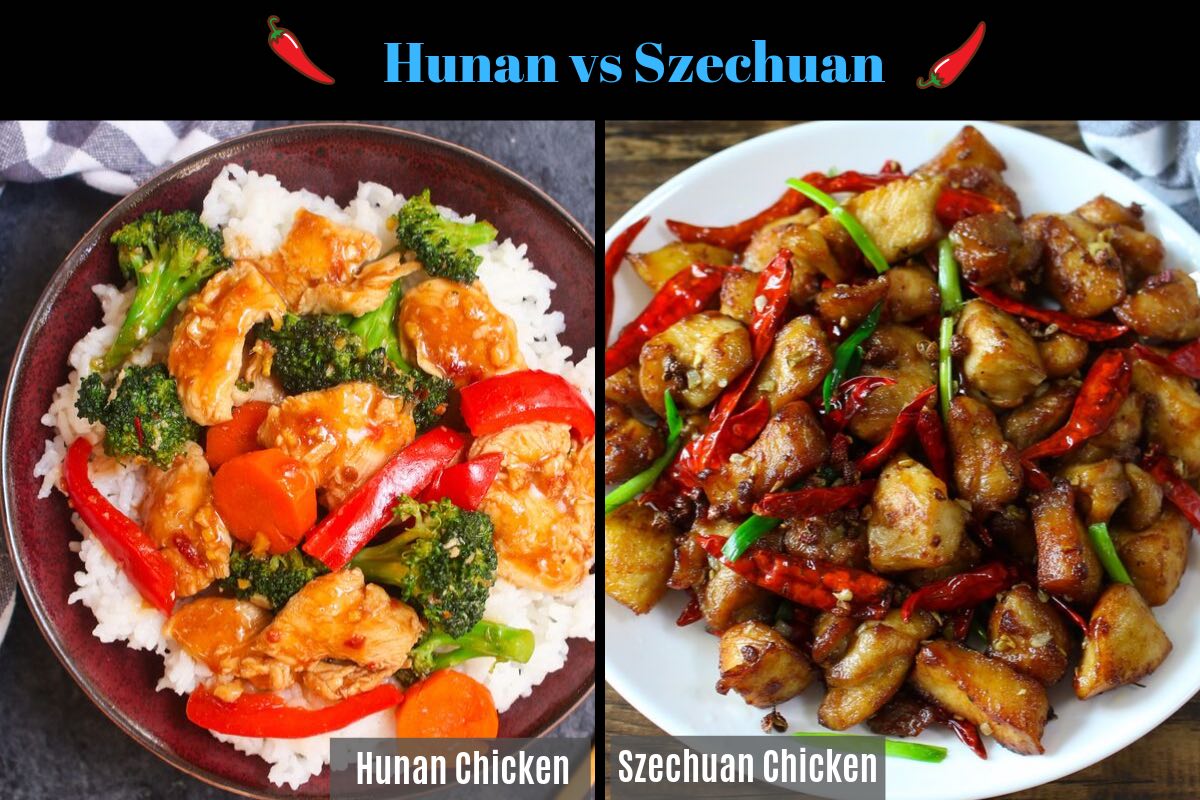
Okay, so picture this: It was a chilly Tuesday night, the kind where the wind sounds like it's telling you secrets through the cracks in your window. I was staring into my fridge, a wasteland of half-empty condiments and a single, lonely bell pepper. The craving hit hard, you know? That primal urge for something spicy, something that would wake up my taste buds and my soul. But what? The usual suspects weren't cutting it. And then, like a culinary angel descending from a Kung Pao cloud, it hit me: Chinese takeout. Specifically, the eternal question that haunts every indecisive Chinese food orderer: Hunan chicken or Szechuan chicken?
See, this isn't just about picking two dishes. It's a philosophical debate, a spicy showdown that has probably led to more than a few dinner table disagreements. We're talking about two titans of the Chinese takeout world, both promising a kick, but oh boy, do they deliver it in very different ways. It’s like choosing between a lightning bolt and a volcanic eruption – both powerful, both undeniably exciting, but with their own distinct personalities.
And honestly, how many of us have found ourselves in that exact same spot? You’re scrolling through the menu, eyes glazing over the endless options, and then BAM! You land on those two familiar names. You’ve probably ordered them before, maybe even loved them, but can you really articulate the difference? I certainly couldn't, at least not with any real confidence. So, I decided to dive in, to really get to the bottom of this spicy mystery. Let's unpack these flavour bombs, shall we?
Must Read
The Great Chicken Divide: Hunan vs. Szechuan
So, what's the deal? Are they secret twins? Distant cousins twice removed? Let's break it down, starting with our fiery contender from the south: Hunan chicken.
Hunan Chicken: The Smoky, Savory Sensation
Hunan chicken, my friends, is a bit of a sleeper hit. It’s not always the first one you think of, but once you’ve had a truly good rendition, you’ll be haunted by its deliciousness. Think less about aggressive heat and more about a deep, complex, and often smoky flavour profile. This is where the magic of preserved ingredients and fermented beans really shines.
One of the hallmarks of Hunan cuisine in general is the use of smoked chili peppers. That's right, smoked. This isn't just about the immediate punch of spice; it's about a lingering warmth and an almost barbecue-like depth. It’s like the chilies have gone through a flavor spa treatment, emerging more sophisticated and nuanced. You’ll often find ingredients like fermented black beans (douchi), pickled chili peppers, and sometimes even a touch of vinegar to brighten things up.
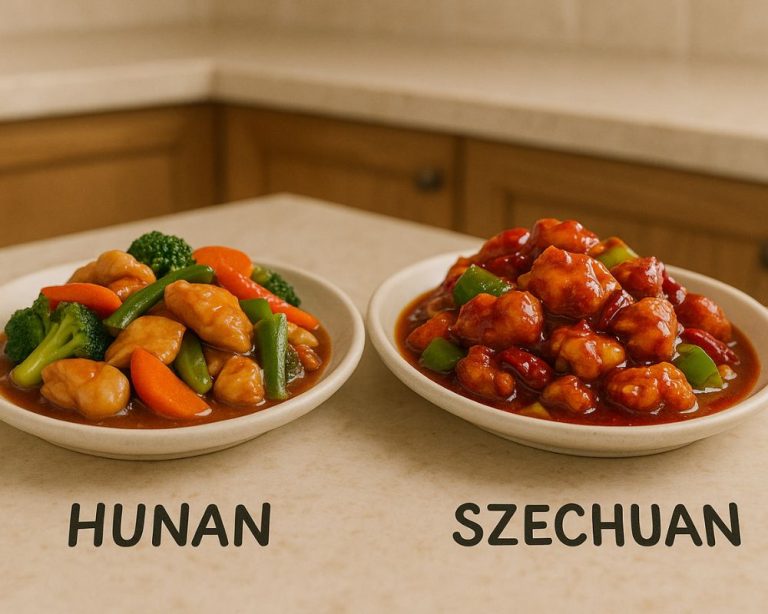
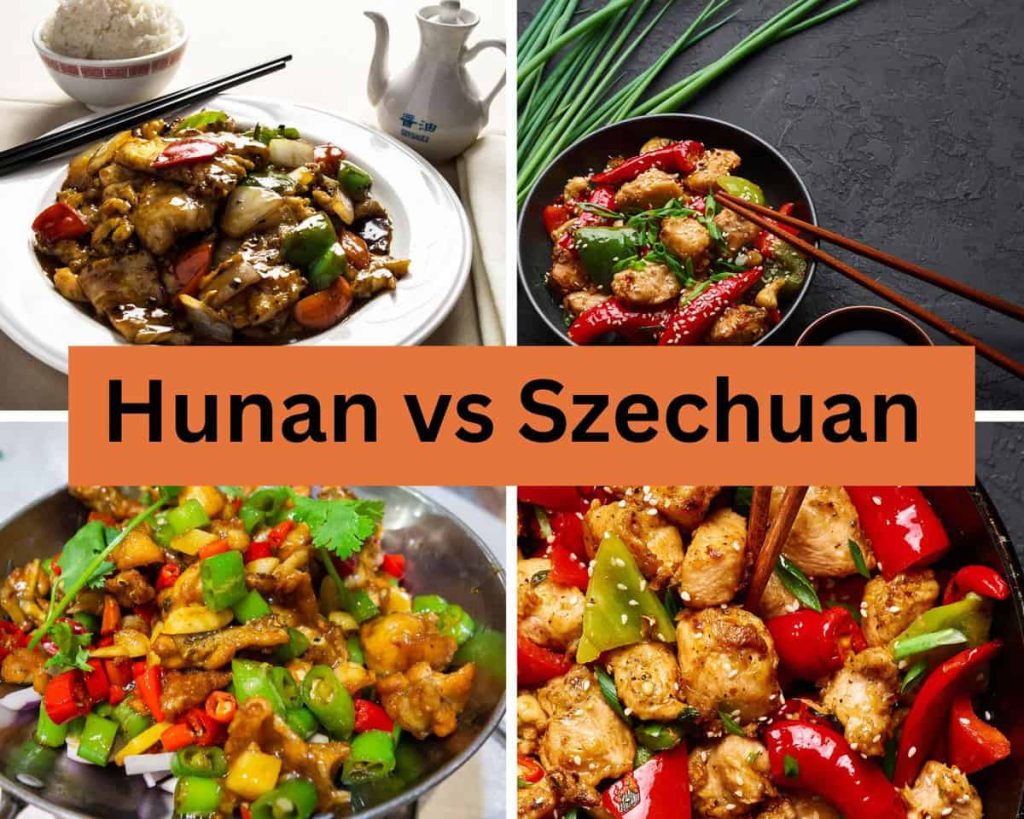
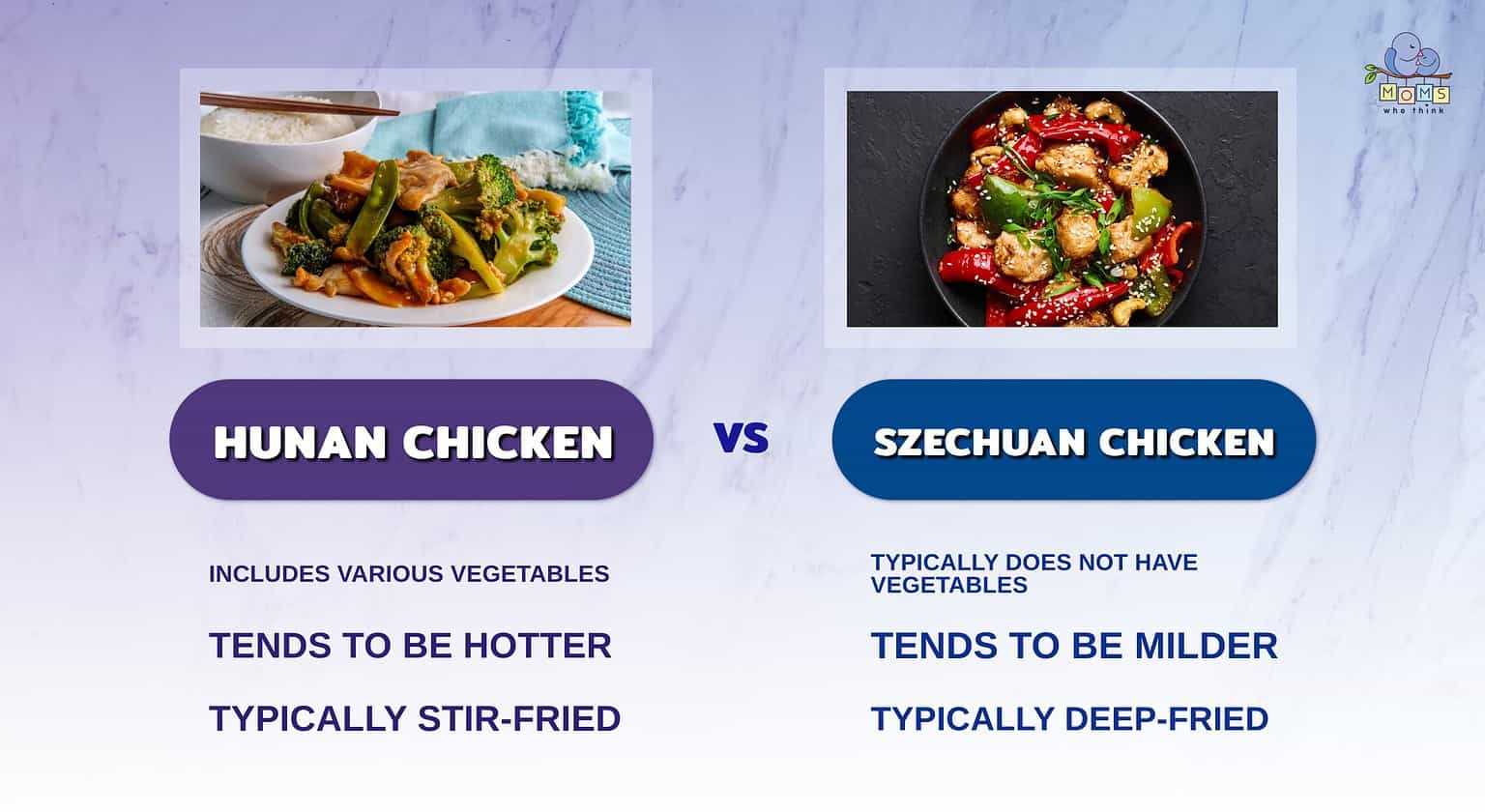
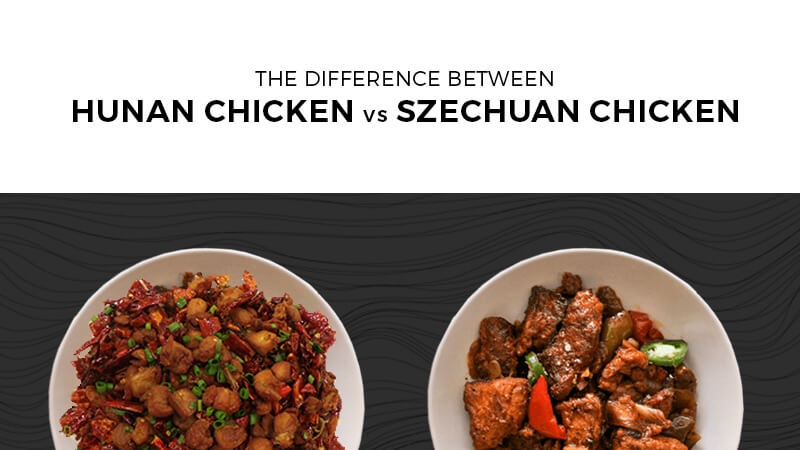
When you order Hunan chicken, you’re usually getting pieces of chicken stir-fried with a medley of vegetables. The sauce is where the real story unfolds. It’s often darker, richer, and less aggressively red than its Szechuan counterpart. The heat is definitely present, but it’s a smoldering ember rather than a wildfire. It builds gently, leaving you with a satisfying warmth that tingles rather than burns. And that subtle smokiness? It’s utterly addictive. It makes you want to go back for another bite, and another, until the plate is clean.
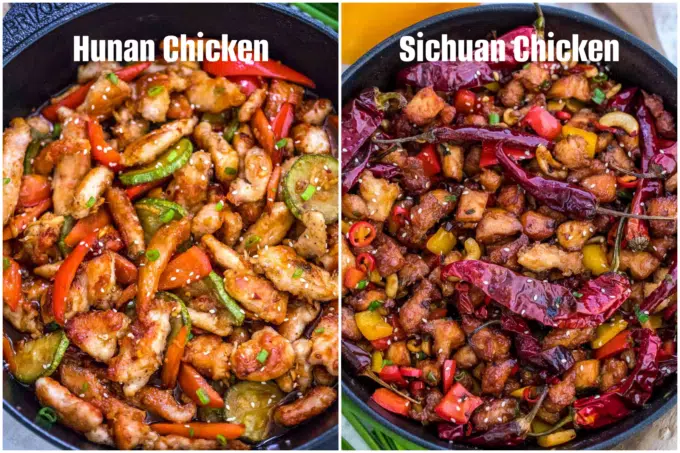
The texture is also key. The chicken is usually tender, coated in a sauce that’s more about savory umami than overpowering sweetness. The vegetables are crisp-tender, providing a welcome counterpoint to the richness of the sauce. Sometimes, you might even find little pops of pickled radish or other fermented goodness that add little bursts of tangy surprise. It's a dish that feels comforting and exciting all at once. It’s the kind of meal that makes you lean back in your chair and nod in appreciation.
Now, I know what some of you might be thinking. "But I like my food really spicy!" And that's fair. Hunan chicken isn't shy about spice, but its strength lies in its balance. It's a masterclass in how heat can be used to enhance other flavours, not just to mask them. It’s a sophisticated kind of heat, if you will. It’s like wearing a beautifully tailored suit that just happens to have a hidden, incredibly comfortable chili-pepper lining. You wouldn't know it's there until you feel its wonderful warmth.
And here’s a little secret: the heat level in Hunan dishes can vary wildly depending on the restaurant. Some places dial it way down, others crank it up. So, if you’ve had a mild Hunan chicken before, don’t write it off! Give it another shot at a different spot. You might just discover your new favorite. It’s a culinary adventure, really.
Szechuan Chicken: The Bold, Numbing Powerhouse
Now, let’s pivot to the undisputed king of the spicy takeout scene for many: Szechuan chicken. Ah, Szechuan. Just saying the name conjures images of vibrant red chilies and a distinct, almost electric sensation. If Hunan is the smoldering ember, Szechuan is the fiery dragon breathing a glorious inferno.
The star of the show in Szechuan cuisine is, without a doubt, the Sichuan peppercorn. These aren't your average peppercorns, oh no. They have this incredible ability to create a unique tingling, numbing sensation on your tongue and lips. It's often described as "mala" – a combination of "ma" (numbing) and "la" (spicy). And when you combine that with the heat from the dried red chilies? It's an experience. It's not just about feeling the burn; it's about feeling your entire mouth come alive.
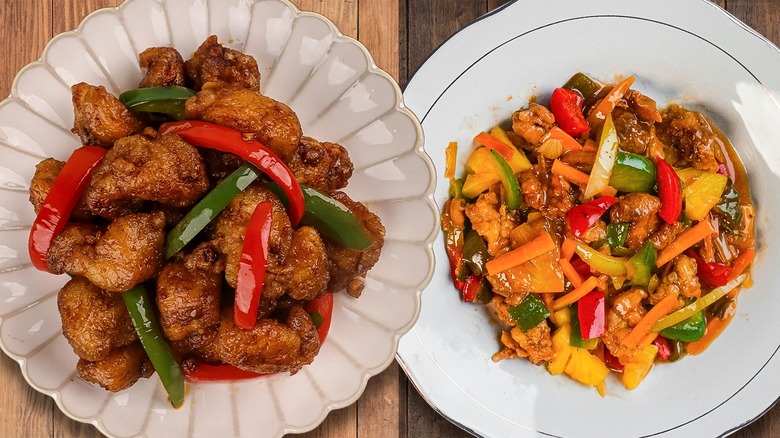
Szechuan chicken dishes are typically brighter in colour, often showcasing that vibrant red from liberal use of dried red chilies and chili bean paste (doubanjiang). This paste is a fermented concoction that is a cornerstone of Sichuan cooking, adding a salty, savory, and deeply spicy foundation. You’ll also frequently encounter ingredients like garlic, ginger, and scallions working in harmony.
The heat in Szechuan chicken is usually more immediate and intense. It’s a bold declaration of spice. But it's not just heat; it's that addictive numbing quality of the Sichuan peppercorns that sets it apart. It’s a sensation that can be almost electrifying. It distracts you from the sheer intensity of the chili heat for just a moment, allowing you to appreciate the layers of flavour before the spice kicks in again. It's a dance between the tingle and the burn.
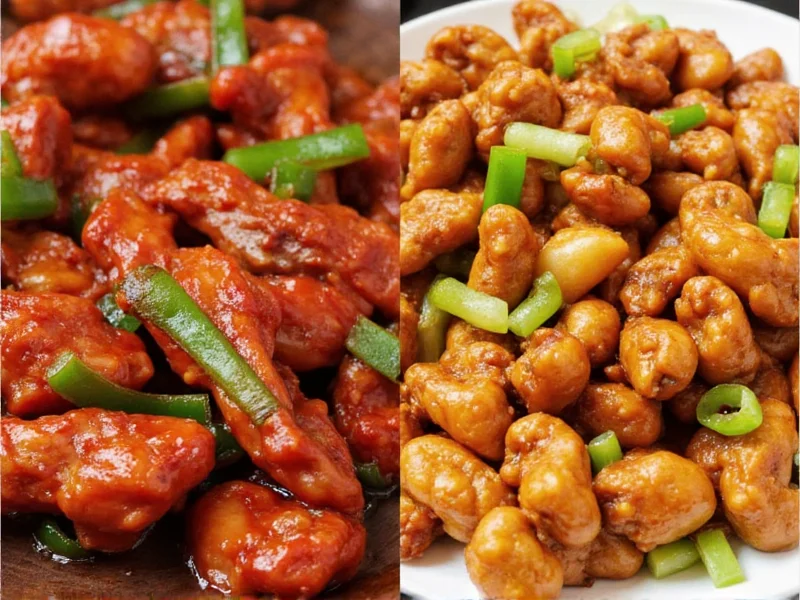
And the textures? Szechuan chicken often features larger pieces of chicken, sometimes battered and fried for an extra crispy element. This provides a satisfying crunch that stands up well to the robust sauce. The vegetables are usually stir-fried to maintain a bit of bite, adding to the overall sensory experience. It’s a dish that demands your attention, a true culinary adventure for those who crave intensity. It's the kind of food that makes you sweat a little, reach for your water glass, and then immediately go back for more because, honestly, it's that good.
This is where the irony comes in. You order Szechuan chicken expecting heat, and you get it in spades. But then you realize it's not just about the heat; it's about that fascinating numbness. It's like a cheat code for your taste buds, allowing you to enjoy more of the spice than you thought possible. It’s a flavour bomb that detonates with every bite, leaving you exhilarated. It's the dish that makes you feel alive, that wakes you up from your culinary slumber.
So, if you’re someone who loves that intense, lip-tingling, mouth-numbing sensation, Szechuan chicken is likely your jam. It's a dish that doesn't hold back. It’s unapologetic in its flavour, and that’s why so many of us are drawn to it. It's the culinary equivalent of a rock concert for your mouth.
The Verdict (Or Lack Thereof!)
So, which is better? Hunan chicken or Szechuan chicken? And here’s the kicker, folks: there’s no single answer. It’s entirely subjective, a matter of personal preference and what you’re in the mood for.
If you’re craving a more complex, smoky, and savory heat that builds slowly, with a focus on the depth of fermented ingredients, then Hunan chicken might be your champion. It’s the sophisticated choice, the one that lingers and warms you from the inside out. It’s perfect for a cozy night in, or when you want something deeply satisfying without feeling like your taste buds have gone through a wrestling match.

On the other hand, if you’re all about that bold, immediate, and mouth-numbing spice, that electrifying tingle combined with a serious chili kick, then Szechuan chicken is your undeniable victor. It’s the adventurous choice, the one that makes you sit up and pay attention, a true flavour explosion. It's for those who embrace the heat and love the unique sensation of Sichuan peppercorns.
Think of it this way: Hunan chicken is like a beautifully aged whiskey – smooth, complex, with layers of flavour that unfold with each sip. Szechuan chicken is more like a perfectly crafted cocktail with a kick – vibrant, exciting, and leaves you with a memorable jolt. Both are excellent, but for different occasions and different palates.
And let’s be real, the quality can vary so much from restaurant to restaurant. A fantastic Hunan chicken can be even better than a mediocre Szechuan, and vice versa. So, it’s also about exploring your local Chinese joints and finding the places that do these dishes justice. It’s a delicious mission, wouldn’t you agree?
Me? On that chilly Tuesday night, after all this culinary contemplation? I ended up ordering... well, I actually ordered both. I figured, why choose when you can have a spicy, flavourful comparison right there on your dining table? It was a delightful, slightly overwhelming, and ultimately very satisfying decision. Sometimes, the best answer to the spicy chicken question is simply to enjoy both. Don't you think that's a perfectly reasonable approach to life's most pressing culinary dilemmas? I certainly do. Now, if you'll excuse me, I have some very important research to continue. For science, of course.