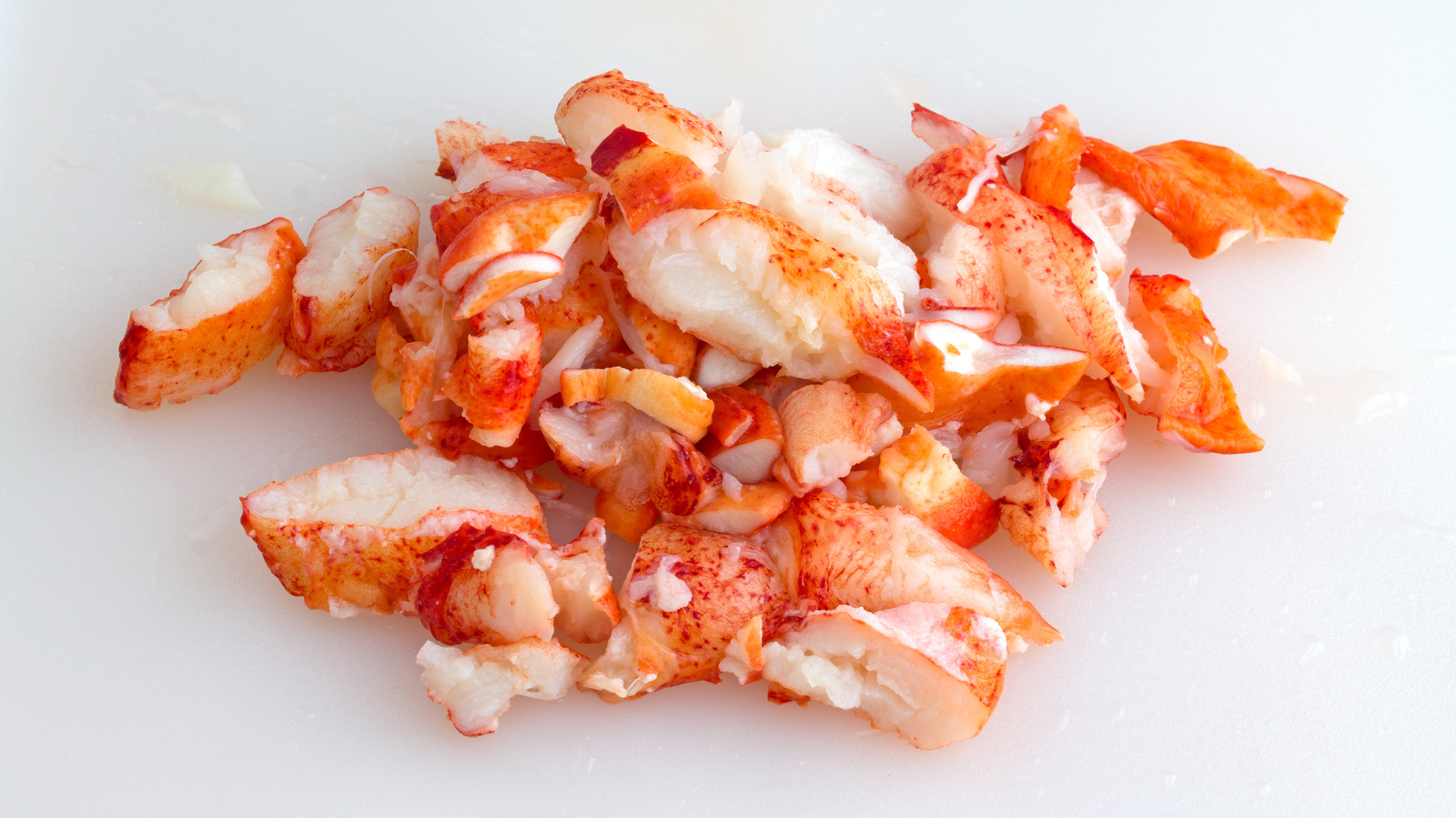
How To Warm Up A Cooked Lobster
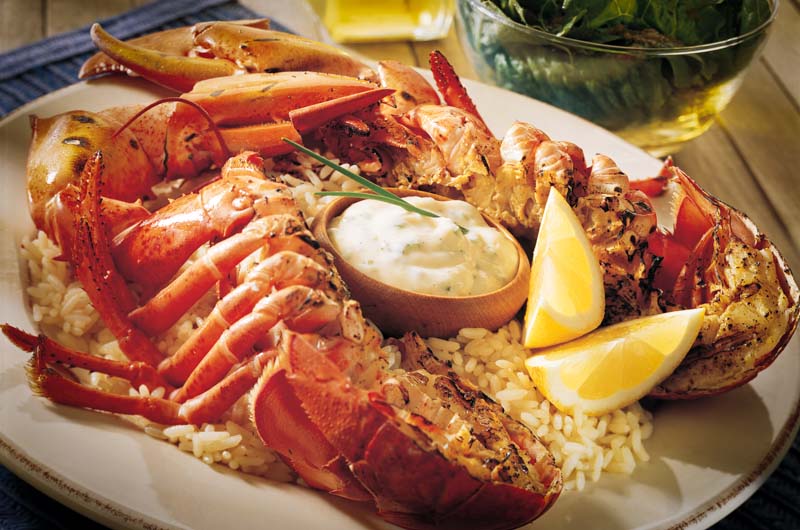
So, you’ve got yourself some cooked lobster. Maybe it was a gift, a special treat, or you just managed to snag one on sale. Either way, congratulations! There’s something incredibly luxurious about lobster, isn't there? But here's the thing: if it wasn't just cooked moments before it landed in your hands, it might be feeling a little… well, chilled. And nobody wants a sad, cold lobster. So, how do we bring this magnificent crustacean back to its former glory? Let's dive in!
You might be thinking, "Why bother warming it up at all? Can't I just eat it cold?" And sure, you absolutely can. Cold lobster is delicious, especially in a lobster roll or a fancy salad. But if you're dreaming of that warm, tender, juicy bite, the kind that practically melts in your mouth, then a little warming is definitely in order. It's like giving your lobster a gentle hug, coaxing out all those lovely, subtle flavors.
The Gentle Art of Lobster Reheating
Alright, so the biggest secret to warming up cooked lobster is… gentleness. Seriously, this is not the time to go all barbarian on your beautiful sea creature. Lobster is delicate. Overcook it, and you’re heading straight for rubbery disappointment. We’re aiming for just-heated-through, not re-cooked. Think of it like this: you’re not trying to win a staring contest with the sun; you just want to feel its nice, warm rays on your face.
Must Read
The good news is, there are a few super-simple ways to achieve this. No need for complicated gadgets or secret chef techniques. We're talking easy-peasy, lemon-squeezy.
Method 1: The Quick Steam Dream
This is, in my humble opinion, one of the best ways to reheat lobster. Why? Because steam is like a gentle spa treatment for your seafood. It infuses moisture and heat without drying anything out. It’s the culinary equivalent of a warm, humid day after a long winter.
Here’s how you do it:
First, grab a pot. Any pot will do, really. You don't need a dedicated lobster-warming vessel. Now, pour about an inch or two of water into the bottom. You can add a splash of white wine, some lemon slices, or a sprig of parsley if you’re feeling fancy. It’s like adding a little aromatherapy to your lobster’s last hurrah.

Next, get a steamer basket. If you don’t have one, no worries! You can often improvise. Sometimes, you can place a heatproof rack in the pot so it sits above the water. Or, you can even ball up some foil into little rings to create a platform. The key is that your lobster pieces shouldn't be sitting in the water. They need to be suspended above it, so they get steamed, not boiled. We're not making lobster soup here!
Now, arrange your cooked lobster pieces in the steamer basket. Make sure not to overcrowd it. You want the steam to circulate freely, like a good conversation at a party. Place the basket over the simmering water, put a lid on the pot, and let the magic happen.
How long, you ask? This is where that gentleness comes in. For lobster tails, about 5-7 minutes should do the trick. For whole claws or knuckle pieces, maybe a minute or two longer. You're looking for the meat to turn opaque and be heated through. You can test it by gently piercing the thickest part with a fork or a skewer. If it flakes easily and feels warm, you’re golden. Don't just guess and keep it on there for ages; that's how you end up with tough lobster. Less is more when it comes to reheating.
Method 2: The Quick Broil Boost
Feeling a bit more adventurous? Maybe you like a little bit of texture, a hint of crispness? The broiler can be your friend, but you’ve got to be super vigilant. This is a fast method, so you’ll want to stick around.
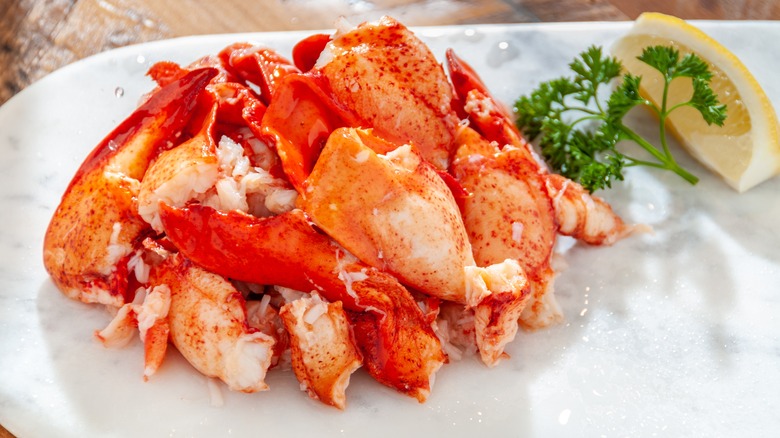
First, preheat your broiler. Make sure the oven rack is positioned about 4-6 inches from the heat source. We’re not trying to char the lobster; we just want to give it a quick kiss of heat.
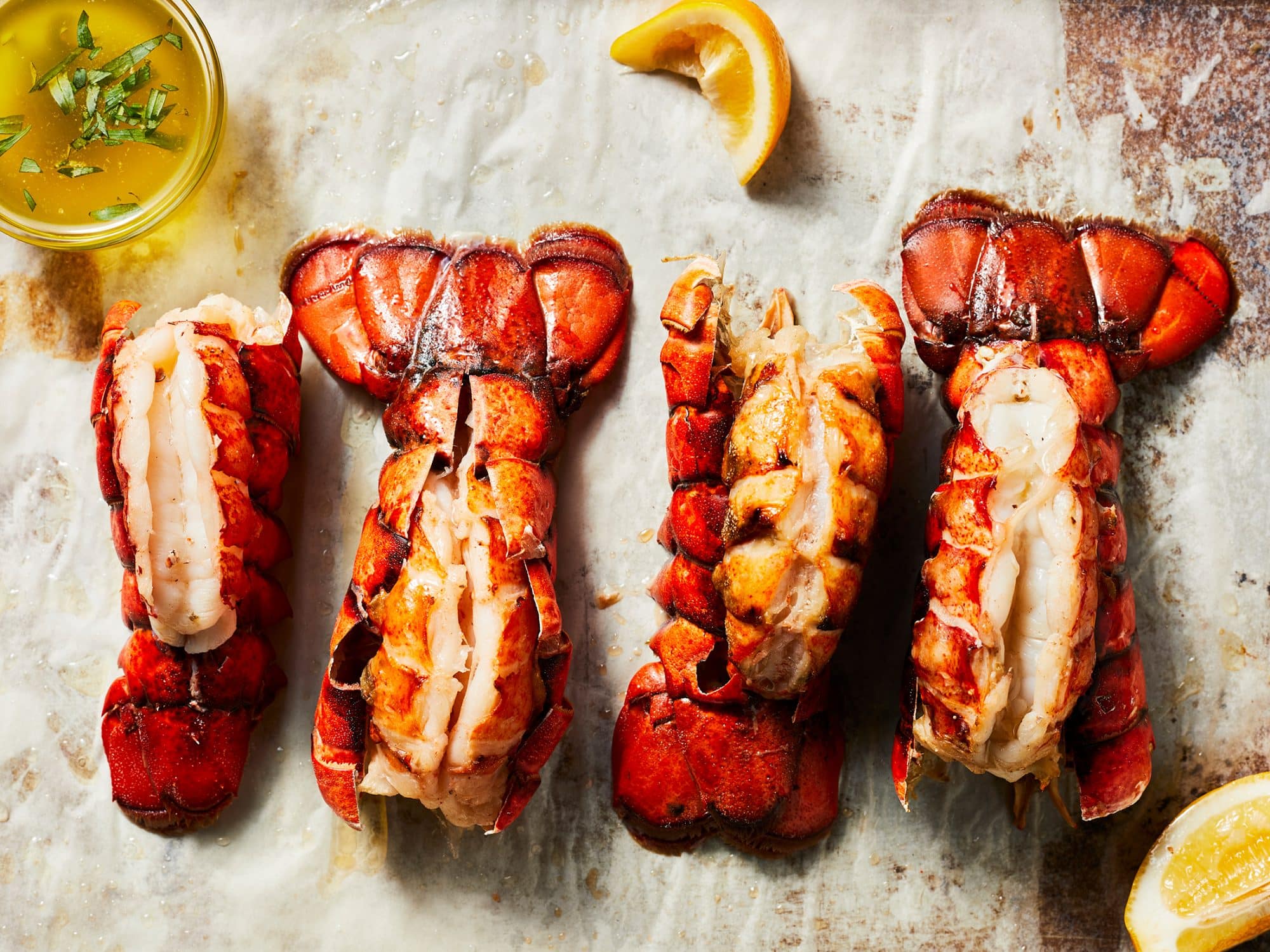
Prepare your lobster. If you have whole lobster halves, split them lengthwise. For tails, you can either leave them whole or cut them in half lengthwise. Drizzle them with a little melted butter. Oh, butter. Lobster and butter are like peanut butter and jelly, right? Or maybe more like Beyoncé and Jay-Z. A perfect pairing.
Place your buttered lobster pieces on a baking sheet. Pop them under the broiler.
Now, here’s the crucial part: watch it like a hawk. This can take as little as 2-4 minutes, depending on your broiler and the size of your lobster pieces. You want the butter to melt and bubble, and the lobster meat to just warm through and perhaps get a slight golden tinge. If you see any blackening or charring, it’s already too late! Pull it out immediately. This method is best if you're a bit of a broiler ninja.
Method 3: The Gentle Oven Hug
If you prefer a more hands-off approach and don't have a steamer basket handy, the oven can work too. It's a bit slower than steaming but still a good option for keeping things moist.
Preheat your oven to a low temperature, around 300-325°F (150-160°C). We're not baking a cake here; we're just gently coaxing the warmth back in.
Place your cooked lobster pieces in an oven-safe dish. You can add a tablespoon or two of water or melted butter to the bottom of the dish to create a little steam as it heats. Covering the dish with foil will also help trap that moisture and prevent drying.
How long? This will take a bit longer, probably 10-15 minutes, depending on the size of your lobster and how cold it is. Again, the goal is just to heat it through. Test a piece with a fork. It should flake easily and be warm to the touch.

This method is great if you’re reheating larger pieces or even a whole lobster that’s already cooked. It’s a nice, even heat that won’t shock the delicate meat.
What to Avoid: The Lobster Sins
Now that we know how to warm it up, let’s talk about what not to do. These are the cardinal sins of reheating cooked lobster:
- The Microwave Massacre: Unless you have a very advanced microwave with a specific seafood setting (and even then, I’d be cautious), avoid the microwave like it’s a kraken. It’s notorious for making seafood tough and rubbery. You’ll end up with unevenly heated, chewy lobster. It’s the culinary equivalent of a bad hair day for your lobster.
- Boiling Again: Just like the microwave, boiling will turn your beautiful lobster into something resembling a bouncy castle. We’ve already cooked it; we just need to warm it.
- Overheating: I can’t stress this enough. Once lobster is cooked, it’s pretty much done. Any extra cooking time, especially at high heat, will lead to a tough, dry texture.
Serving Your Revived Lobster
Once your lobster is warmed through, it's ready to be enjoyed! Serve it with some melted butter (obviously), lemon wedges, maybe a side of corn on the cob or a fresh salad. It’s perfect for a special occasion, a romantic dinner, or just because you deserve it.
Warming up cooked lobster is all about respecting the ingredient and giving it a gentle revival. It's a simple process that makes a huge difference in taste and texture. So go forth, embrace the warmth, and enjoy every delicious, tender bite of your reawakened lobster!