How To Use A Bike With Gears
So, you’ve got yourself a fancy new bike. It looks sleek. It’s got more levers and gizmos than a spaceship control panel. We’re talking about gears, my friends. Those magical spinning things that are supposed to make your life easier. And, for the most part, they do! But let’s be honest, sometimes it feels like you’re conducting a tiny symphony every time you want to go uphill.
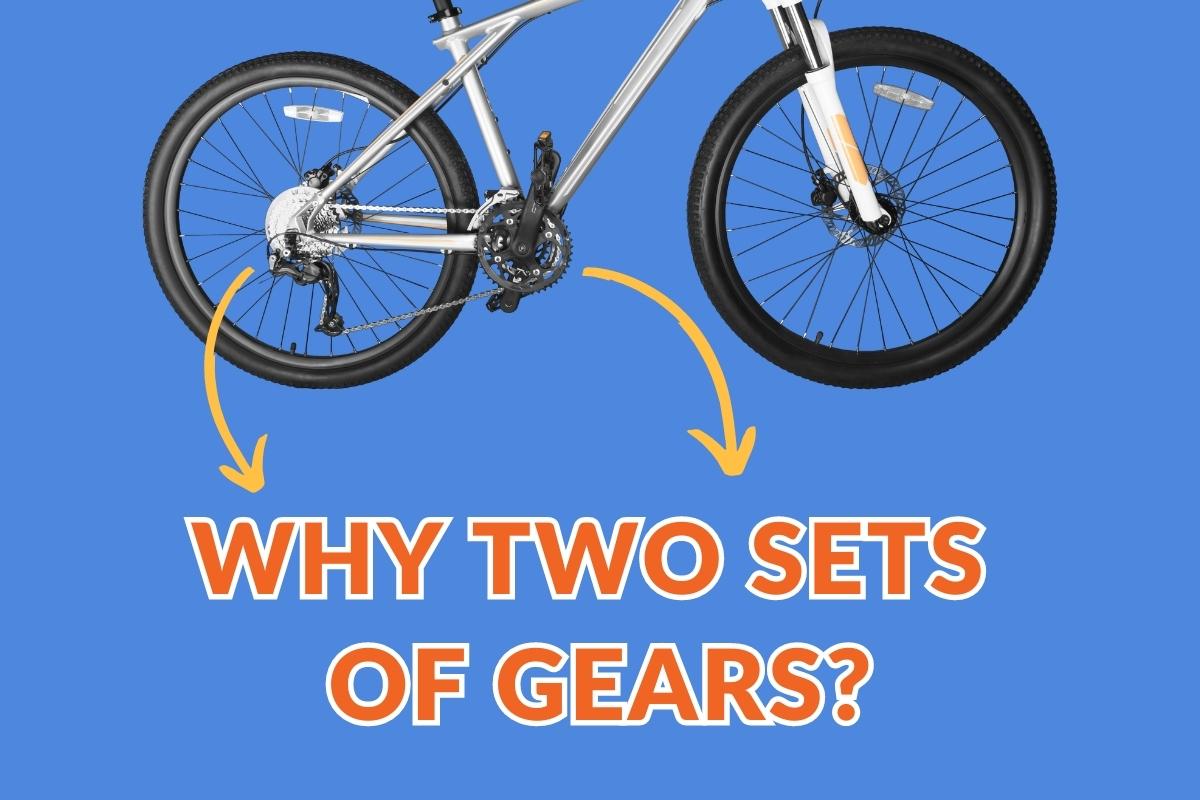
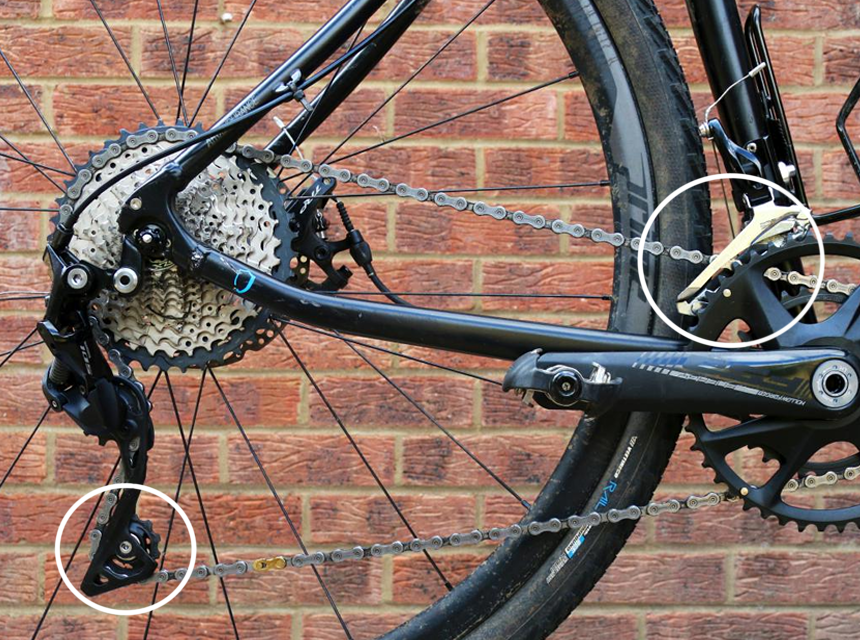
You see those shifters? They’re usually on your handlebars. One is for the front gears, and one is for the back gears. Think of the front gears as the big, chunky ones. They’re like your bike's main engine. The back gears are smaller and have a lot more of them. They’re more like the fine-tuning knobs.
Now, the secret handshake of gear usage, the move that separates the pros from the bewildered, is this: shift when you’re pedaling. Yep, it’s that simple. Imagine trying to change the channel on your TV while it’s completely frozen. Doesn’t work, right? Your bike’s gears are kind of the same. You gotta give them a little momentum.
Must Read
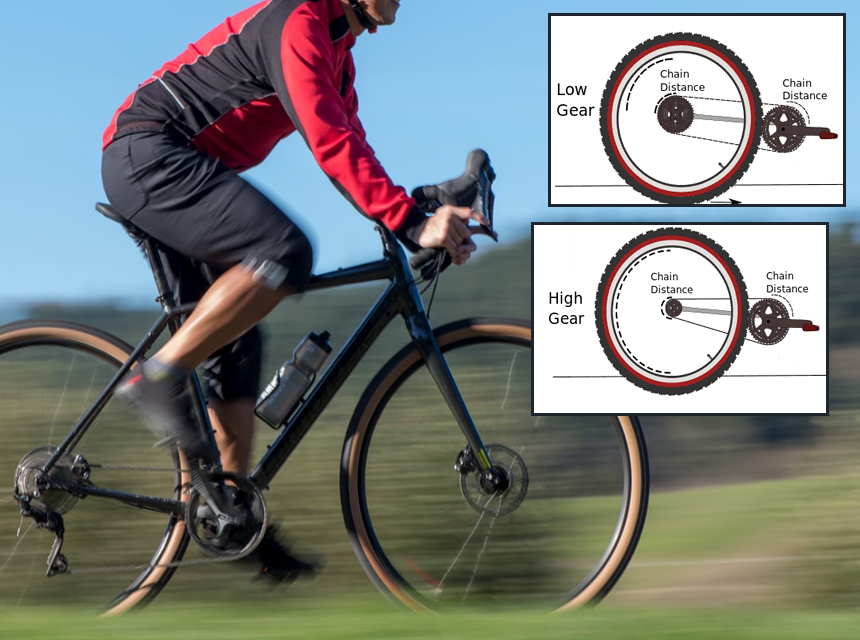
So, what’s the goal here? Why bother with all these options? It’s all about making your ride… well, rideable. When you’re going uphill, you want to make it easier, right? That’s where you use your smaller gears in the back. They give you more "turns" of the pedal for every turn of the wheel. It feels like you're pedaling through molasses, but hey, you're actually moving forward!
Think of it this way: when you’re starting from a stop, or tackling a monster hill, you want to be in a low gear. This usually means the smallest gear on the front and the largest gear on the back. It feels like you’re pedaling a lot but not going very fast, but it’s your superhero power for climbing.
Conversely, when you’re cruising on a flat road and want to pick up some speed, you shift into your high gear. This means the biggest gear on the front and the smallest gear on the back. You’ll feel like you’re barely pedaling, but you’ll be flying. It’s the "let’s show off a little" gear.
Now, for the unpopular opinion: sometimes, the best gear is the one that’s already there. You know, the one you started in. There’s a certain zen to just pedaling without fiddling. Especially when you’re just pootling around the park. But then, you hit that unexpected incline, and suddenly you’re frantically searching for the right lever. Don't worry, we've all been there.
Here's another golden rule, or perhaps a gentle suggestion: try to avoid cross-chaining. This sounds complicated, but it’s just a fancy way of saying don't put your chain on the biggest gear in the front and the biggest gear in the back at the same time. Or the smallest in the front and the smallest in the back. It’s like wearing socks with sandals. It just… isn’t right. Your chain will be at a weird angle, and it’ll make unhappy noises. Your bike is telling you, "Please, don't do this to me."
So, what happens when you shift? You usually hear a little click. Or sometimes, a rather dramatic clunk. That's the chain happily jumping from one cog to another. It’s like a tiny metal dancer doing a pirouette. If you hear grinding, that’s the dancer tripping over their own feet. Time to ease up on the pedaling for a second.
Let’s talk about the front shifters. They’re typically larger and change the chainrings. These are your “big picture” gears. The smallest front ring is for super steep hills. The middle one is for most general riding. And the biggest one? That’s for when you feel the need for speed on the flat or downhill.
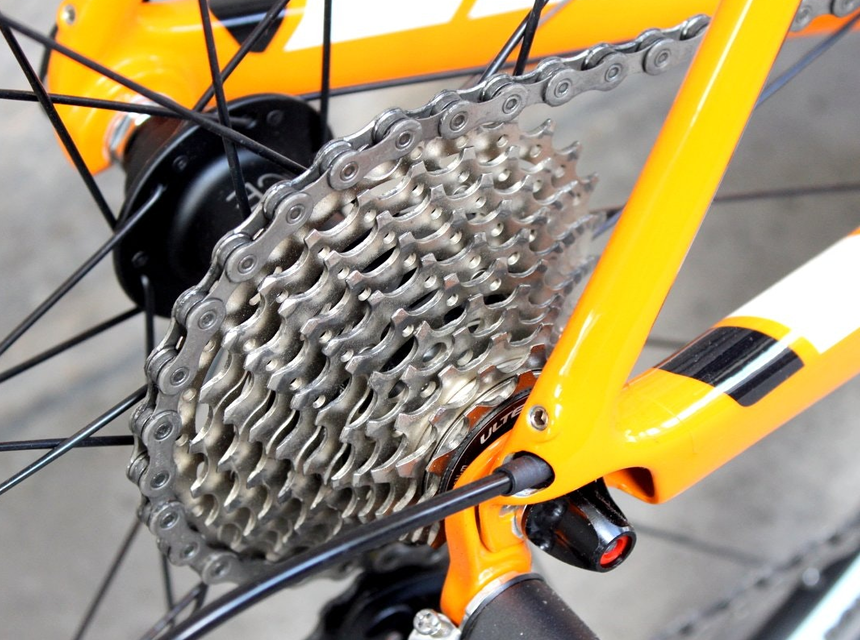
The rear shifters, the ones often found on the right handlebar, control the cassette. This is where you have all those smaller cogs. Think of these as your “fine-tuning” gears. The smallest cog in the back makes it harder to pedal but faster. The biggest cog in the back makes it easier to pedal but slower.
Here’s a funny thing: most people overuse the back gears and underuse the front. Why? Because fiddling with the back gears feels like it has a bigger impact. And it does! But the front gears are your powerhouses. Don’t be afraid of them.
Remember that feeling when you’re just cruising, and the road suddenly starts to slope upwards? You might feel that little surge of panic. You see the hill. You feel your legs start to burn. And you instinctively grab for your shifters. This is where the magic happens.
Here’s a little trick that might sound counter-intuitive: when you see a hill coming, start shifting before you get to it. Give yourself time. Don't wait until you're struggling. A few gentle shifts to a lower gear will make the climb feel like a gentle stroll. If you wait until you're halfway up, you'll be fighting gravity with every pedal stroke. And nobody wants that.
Let’s consider those moments when you're just enjoying a leisurely ride. The sun is shining. The birds are chirping. And then, you realize you're still in that low gear from the last time you climbed a mountain. Your legs are spinning like crazy, but you're barely moving. It's like trying to drive a race car in first gear on the highway. You can do it, but it’s not exactly efficient. That’s your cue to shift up!
My personal philosophy? If it makes a weird noise, it's probably not happy. Listen to your bike. It's trying to tell you something.
And finally, don't be intimidated. Gears are there to help you. They’re not a test. They’re a tool. Think of them as your helpful sidekicks in your cycling adventures. With a little practice, you’ll be shifting like a pro, making hills seem like mere bumps in the road, and flats feel like rocket launches. So go forth, shift with confidence, and enjoy the ride!