How To Tell If Lemon Is Bad
Okay, let's talk about lemons. They're bright, they're zesty, they're basically sunshine in fruit form. But even sunshine can go a little… murky sometimes. And nobody wants a sad, spoiled lemon ruining their water, their salad dressing, or that much-needed splash in their tea. So, how do we become lemon detectives? It's actually kind of fun, like a mini culinary mystery!
Think of your lemon as your bestie. You know them, you love them, and you can usually tell when they’re not feeling their best. The same goes for our citrus pals. It’s all about paying attention to the little details. And trust me, once you know what to look for, you’ll be a lemon-reading pro in no time. No PhD in fruitology required, promise!
The Visual Clues: What Your Lemon Is SHOWING You
First things first, let’s give our lemon a good once-over. This is where the real detective work begins. Forget CSI; we’re talking about CSI: Citrus Science Investigation!
Must Read
The Skin Game: Toughness or Softness?
A good, healthy lemon usually has a skin that’s got a bit of a spring to it. Give it a gentle squeeze. Does it feel firm, maybe with a few tiny little bumps that look like they’re ready to burst with flavor? That’s a happy lemon. Now, what if it feels… squishy? Like it’s given up on life? That’s a big red flag, my friend. A soft, yielding lemon is often a sign that its juicy days are behind it. It might be starting to break down internally. And let’s be honest, nobody wants a mushy lemon experience.
Conversely, if the skin feels rock-hard and leathery, that’s another clue. It’s not necessarily bad, but it's definitely not fresh. Think of it as a lemon that’s been marinating in its own drama for too long. Super wrinkly and tough skin means it’s lost a lot of its moisture. It’ll be a pain to zest and won’t give you that glorious juice you’re craving. So, aim for that happy medium: firm, but not like a stress ball.
Color Me Bad: The Hue of Despair
Lemons are supposed to be gloriously yellow. Like a tiny, edible sun. If your lemon is sporting any weird green patches that weren't there when you bought it, that’s a bit suspicious. Sometimes a slight green tinge is okay, especially if it’s a specific variety or hasn’t fully ripened. But if it’s a widespread, dull green, it’s probably not your friend anymore. Think of it as the lemon wearing its "I'm not feeling well" pajamas.
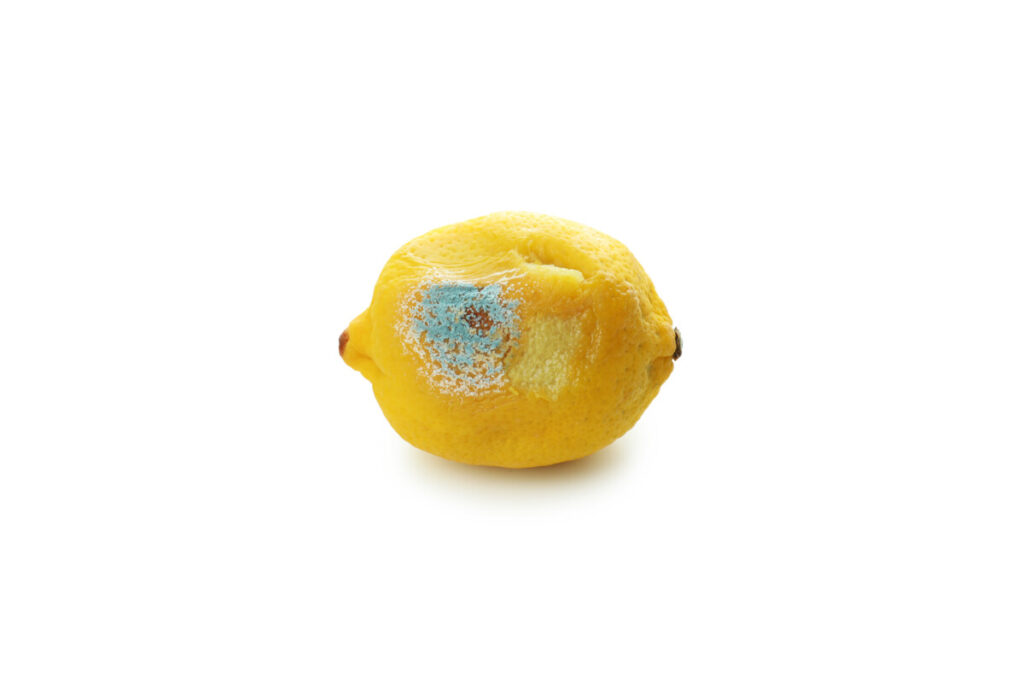
And then there are the brown spots. Oh, the dreaded brown spots! A few tiny little dots might be okay, especially if the rest of the lemon is in good shape. But if you’re seeing large, dark brown or black patches, especially if they look a little fuzzy or sunken, that’s a clear sign of trouble. These are likely mold colonies setting up shop. And while some molds are trendy in cheese, they are decidedly not trendy on your citrus.
Moldy Business: The Fuzzy Menace
Speaking of mold, let’s talk about the fuzzy stuff. This is probably the most obvious sign that your lemon has gone rogue. If you see any fuzzy patches, whether they’re white, green, or even black, it’s time to say goodbye. Mold is the ultimate party crasher when it comes to fresh produce. And once you see mold on one part of the lemon, it’s highly likely that the rest of it has been infiltrated, even if you can’t see it yet. It’s like a stealth bomber mission for spoilage.
Don’t be tempted to just cut off the moldy bit and use the rest. That’s a recipe for disappointment (and potentially a stomach ache). The mold’s tendrils, called hyphae, can spread unseen. So, when in doubt, throw it out. It’s the cardinal rule of produce safety, and it applies to our cheerful yellow friends too.
The Olfactory Test: What Your Lemon Smells Like
Our noses are powerful tools, people! And they can tell us a whole lot about the state of our citrus. This is where the real scent-sational discoveries happen.
The Fresh Scent of Sunshine
A good, ripe lemon smells… well, like a lemon! It’s bright, zesty, and invigorating. It smells clean and fresh. You can practically taste the sunshine in its aroma. If you pick up a lemon and it makes you want to do a little happy dance, that’s a great sign.
The Scent of Sadness: When Things Go Wrong
Now, what happens when things go south? One of the first things to change is the smell. If your lemon starts smelling a bit… off, it’s time to pay attention. A sour, fermented smell is a big indicator of spoilage. Think of it as the lemon’s way of saying, “Help me!” It’s the scent of decay starting to set in.
Sometimes, it can smell a little alcoholic, like it’s been experimenting with some… questionable fruit juices. That’s definitely not the smell of freshness. Another less common, but still important, clue is a lack of smell altogether. If you can’t detect that characteristic lemon fragrance, it might mean the oils have evaporated, and the lemon is past its prime. It’s lost its citrusy spark.
The Tactile Experience: How it Feels (Beyond the Skin)
We’ve touched on the skin, but let’s talk about the overall feel of the lemon. This is where you get a sense of its internal health.
Juicy vs. Dry: The Great Divide
When you hold a good lemon, it should feel heavy for its size. That’s the juice! It’s packed with all that lovely liquid gold. A heavy lemon is a happy, juicy lemon. You want that satisfying weight in your hand.
Now, if you pick up a lemon and it feels surprisingly light, like it’s full of air instead of liquid, that’s a bad sign. It means the juice has likely dried up or started to break down. It’s the lemon equivalent of a deflated balloon. You’ll probably find it yields very little juice when you try to squeeze it, and that juice might even be a bit cloudy or syrupy instead of clear and refreshing.
The Quirky Lemon Facts You Didn’t Know You Needed
Did you know that lemons actually float? Yep, thanks to their buoyancy, they’re perfect for that simple sink or float experiment you might have done in elementary school. And get this: a single lemon can produce enough juice to flavor about four cups of water! Talk about efficient!
Also, historically, lemon juice was used as a bleaching agent and even a mild antiseptic. So, lemons have been helping us out in all sorts of ways for ages. They're basically tiny, edible superheroes. It’s no wonder we want to make sure they’re in tip-top shape when we bring them into our kitchens.
When in Doubt, Toss it Out (But Have Fun Doing It!)
The golden rule, as we’ve mentioned, is this: if you’re questioning whether your lemon is bad, it probably is. Better safe than sorry, right? Nobody wants to be the person who accidentally added a questionable citrusy note to their dinner. It’s not a good look.
But don’t let this deter you! Think of it as an opportunity to practice your detective skills. Each lemon is a little puzzle. And when you find a good one, it’s so rewarding! That burst of fresh flavor is worth the brief investigation. So go forth, my friends, and be the best lemon detectives you can be. Your taste buds will thank you!