
How To Tell If Lamb Is Spoiled

Hey there, fellow food adventurers! Ever find yourself staring at a beautiful cut of lamb, maybe a juicy rack for a special occasion, or perhaps some ground lamb for a quick weeknight meal, and a little whisper of doubt creeps in? You know, that tiny voice that asks, "Is this still good?" It's a totally normal question, and honestly, it's pretty smart to ask it! Being curious about your food is a sign of a healthy relationship with your kitchen, and understanding when lamb has passed its prime isn't just about avoiding a tummy ache; it's actually a fascinating little peek into the science of food and how it changes over time.
Think of it like this: meat is a bit like a living thing, even after it's been prepared. It's made of cells and proteins, and when it starts to age, those things begin to break down. It’s not necessarily a "bad" thing in the beginning – aging can actually make some meats more tender and flavorful! But there's a fine line, and once that line is crossed, things can get a little… well, less than delicious. So, let's dive into how we can be our own little food detectives and make sure that lamb on our plate is singing with flavor, not quietly complaining about its life choices.
The first and often the most obvious clue comes from our trusty nose. Yep, our sense of smell is like a built-in food spoilage detector, and it's pretty darn good at its job. When lamb is fresh, it has a mild, almost sweet aroma. It shouldn't smell offensive or overpowering. But, if you lift that package to your nose and get a whiff of something sour, ammonia-like, or just plain "off," it's a pretty strong indicator that things are heading south.
Must Read
Imagine the difference between the fresh, clean scent of a spring breeze and the pungent, slightly funky smell of a gym sock left in a locker for a month. That's the kind of jump you might notice. It’s a strong signal, so if that sourness or ammonia smell is there, it’s probably best to err on the side of caution. This isn't the time to be brave; it's the time to be wise!
The Visual Cues: What to Look For (and Not Look For!)
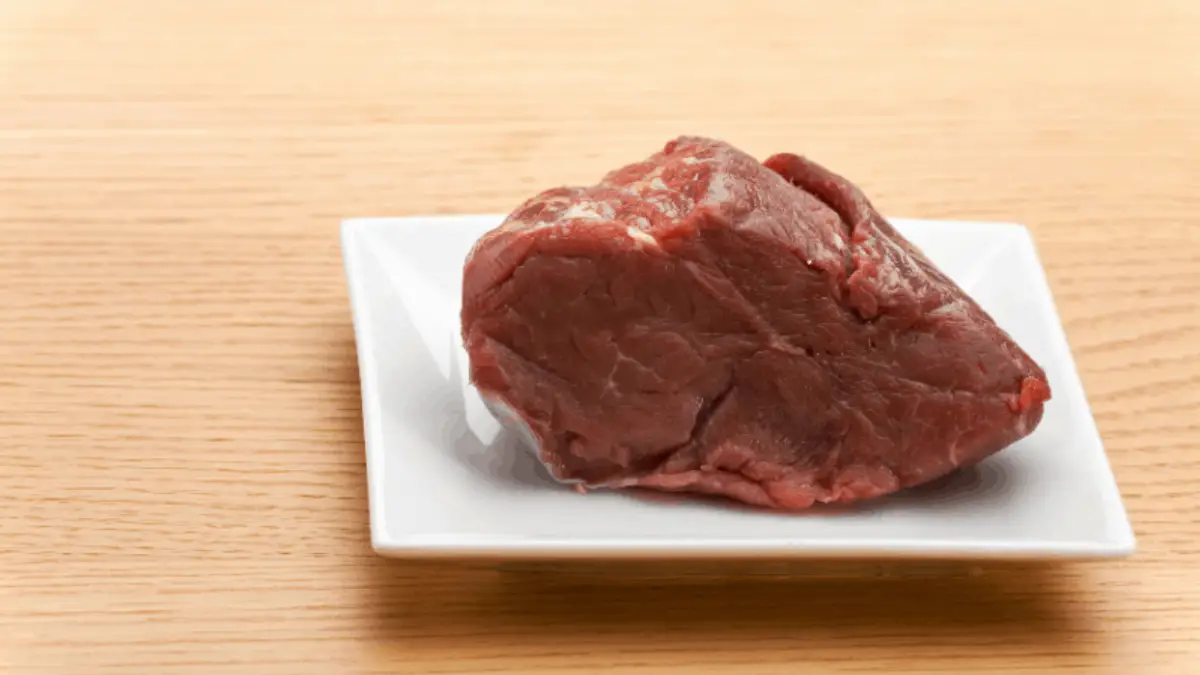
Beyond the sniff test, our eyes are our next best friends. Fresh lamb, whether it’s whole cuts or ground, usually has a vibrant, reddish-pink color. It might have a little bit of marbling, which is those thin streaks of fat that add so much flavor and tenderness. This color can vary slightly depending on the cut and how it was aged, but a healthy, fresh look is generally consistent.
Now, what happens when lamb starts to spoil? You’ll likely notice a change in color. It might start to look duller, and it can develop a grayish or even greenish tint. Sometimes, especially with ground lamb, you might see brown spots appear. These are often signs of oxidation, which is a natural process, but in combination with other factors, it can point to spoilage.
Think of it like a perfectly ripe tomato turning mushy and brown, or a bright red apple developing dark, soft spots. The vibrancy is gone, and something has fundamentally changed. While some slight browning on the surface of a cut of meat might just be due to exposure to air, if it's widespread, or if it's accompanied by other signs, it's a red flag.
Texture Talk: Feel the Difference
Our sense of touch can also tell us a lot. When lamb is fresh and safe to eat, its surface should feel somewhat firm and slightly moist. It shouldn't be slimy or sticky. If you press gently on a piece of fresh lamb, it should spring back a little.
On the flip side, spoiled lamb can feel distinctly slimy or sticky to the touch. This is because bacteria, which thrive on decaying matter, produce a slimy film as they multiply. It’s like touching a patch of moss that's gotten a little too… enthusiastic. If it feels slippery or tacky in a way that feels unnatural and unpleasant, that’s another sign to pay attention to.
Imagine the difference between a firm, smooth peach and a mushy, slightly sticky one that’s past its prime. The texture tells a story, and with lamb, a slimy or sticky texture is usually telling a story we don't want to hear. It’s a biological cue that the meat is breaking down at a faster rate than we’d like.
The Final Verdict: Putting It All Together
So, how do we put all these clues together? It’s all about using your senses as a team. You might get a faint off-smell, and then you notice the color is a bit dull, and then, oh no, it feels a little slimy. When you have multiple signs pointing in the same direction, the conclusion becomes much clearer.
It's like being a detective at a crime scene. You gather fingerprints, you look for clues, you interview witnesses (in this case, your senses!). If the smell is bad, the color is off, and the texture is questionable, it’s highly likely that the lamb is not safe to eat. There's no need to be a culinary daredevil here; your health is way more important than a questionable meal.
And what about the "best by" or "sell by" dates? While these are helpful guidelines, they aren't always the absolute end-all-be-all. Sometimes, food can be perfectly good a day or two past a "best by" date if it's been stored properly, and sometimes, it can go bad before that date if it hasn't been. So, while you should definitely take those dates into consideration, don't rely on them solely. Your senses are your ultimate guide.
Remember, the goal is to enjoy delicious, safe food. If you’re ever in doubt, it’s always better to be safe than sorry. Dispose of the lamb and head to the store for a fresh piece. After all, a great lamb dish is worth waiting for, and knowing these simple tips will help you ensure that every bite is a good one. Happy cooking, and even happier eating!

