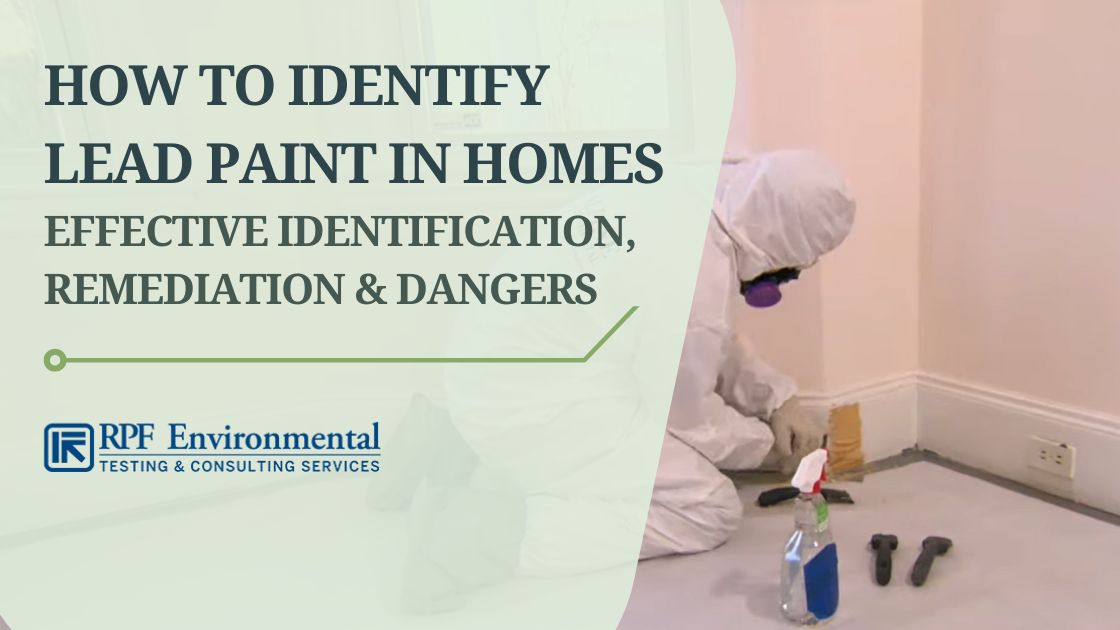
How To Tell If It Is Lead Paint

Ever wonder about the hidden histories in your home? It's a bit like being a detective, but instead of clues, you're looking at paint! Knowing if your home has lead paint isn't just about following regulations; it's about protecting yourself and your loved ones, and honestly, it can be a surprisingly intriguing little home investigation. Think of it as uncovering the layers of your house's past, and in doing so, ensuring a healthier future.
For anyone new to homeownership or renovations, this knowledge is a real game-changer. It's your first line of defense against potential health hazards. Families with young children or pregnant women will find this information particularly crucial. Little ones are naturally curious, and anything they can reach, they might chew or ingest. Knowing about lead paint helps you prevent lead exposure, which can have serious developmental consequences. Even if you're just a casual DIYer or a seasoned hobbyist who loves to refinish old furniture, understanding lead paint is essential for safe and successful projects. You wouldn't want to bring that old charm into your home without making sure it's safe, right?
So, what are we actually looking for? The most common culprit is paint applied before 1978, when lead was widely used in residential paint. Homes built before this year have a higher chance of containing lead-based paint. You might find it on windowsills, door frames, stairs, or anywhere that gets a lot of wear and tear. Think about that adorable vintage dresser you snagged at an antique shop – it could be a lead paint hotspot if it's from the pre-1978 era! Variations in lead paint can also appear in different colors; historically, certain colors like bright reds, yellows, and greens were more likely to contain lead pigments. But really, any old paint could be a suspect.
Must Read
Getting started is simpler than you might imagine. The easiest and most direct way is to use a lead paint testing kit. You can find these at most hardware stores. They're usually quite affordable and straightforward to use. You'll typically swab a small area of the paint, and if it contains lead, the swab will change color. It's a quick and easy visual confirmation. For a more definitive answer, especially if you're planning significant renovations or have concerns about chipping paint, you can hire a certified lead inspector. They use specialized equipment and provide a detailed report. But for a quick check, those DIY kits are your best bet!
Learning to identify potential lead paint is a valuable skill that empowers you to make informed decisions about your living space. It’s about taking proactive steps to ensure a safe and healthy environment for everyone. Plus, there's a real satisfaction in knowing you've looked after your home and its inhabitants. It’s a win-win of practicality and peace of mind!