How To Tell If Honey Is Real
Ah, honey! That golden elixir, nature's sweet reward, a staple in our kitchens for everything from drizzling on toast to sweetening our tea. But have you ever stopped to wonder about the honey you're buying? In a world where authenticity is increasingly prized, figuring out if your honey is the real deal can feel like a fun little detective mission. It’s a topic that’s become surprisingly popular, and for good reason! Knowing you're getting pure, unadulterated goodness is not only satisfying but also ensures you're reaping all the amazing benefits that genuine honey has to offer.
So, what's the big deal about real honey? Well, for starters, it’s packed with natural enzymes, antioxidants, and beneficial compounds that can contribute to your well-being. Think of it as a sweet treat that actually does your body some good! Unlike processed sugars, pure honey has a lower glycemic index and can even offer soothing properties for sore throats and coughs. Plus, the sheer variety of flavors – from delicate wildflower to robust buckwheat – is a testament to the incredible diversity of nature's work. Identifying real honey means you’re not just getting sweetness; you’re getting a natural, complex food with a rich history and a spectrum of potential health perks. It's about savoring the true taste of nature and trusting what you're putting into your body.
Now, let's get down to the nitty-gritty. How can you tell if that jar of liquid gold is genuinely from the hive? Forget complicated lab tests; we're talking about simple, at-home checks that anyone can do. These little tricks can help you become a more informed consumer and a savvier shopper. Think of it as empowering yourself with knowledge, one delicious spoonful at a time.
Must Read
The Thumb Test: A Sweetly Simple Indicator
One of the most popular and easiest tests involves your thumb. Place a small drop of honey on your thumb. If it's pure, it should stay put, like a little bead. If it’s adulterated with syrup or other liquids, it's likely to spread out quickly or even drip off. This is because pure honey has a thick, viscous consistency due to its high sugar concentration. Think of it this way: the purer the honey, the more it resists gravity!
The Water Test: A Classic Check for Purity
This method is a classic for a reason. Take a spoonful of honey and drop it into a glass of water. If it’s pure honey, it will sink to the bottom as a lump, or at least take a while to dissolve. Adulterated honey, which is often mixed with corn syrup or other sugary liquids, will dissolve much faster. It's a visual confirmation of honey's denser structure.
The Flame Test: A Fiery (But Careful!) Approach
This one requires a bit more caution, but it can be very telling. Dip the tip of a cotton swab or a dry matchstick into honey and then try to ignite it. Pure honey is flammable and should catch fire, burning with a small flame. If it doesn't ignite, or if it sparks, it’s a strong indication that it contains water or other impurities. Remember to do this in a safe, well-ventilated area and have water or a fire extinguisher nearby!
The Vinegar Test: A Surprising Reaction
This test is a bit less common but can be quite effective in detecting adulteration. Mix a small amount of honey with a few drops of vinegar and a bit of water. If the mixture foams up, it might suggest the presence of impurities, particularly if chalk or plaster of Paris has been used as a thickener (though this is less common nowadays). This reaction is thought to occur due to the acidity of the vinegar interacting with these specific adulterants.
The Crystallization Clue: Patience is a Virtue
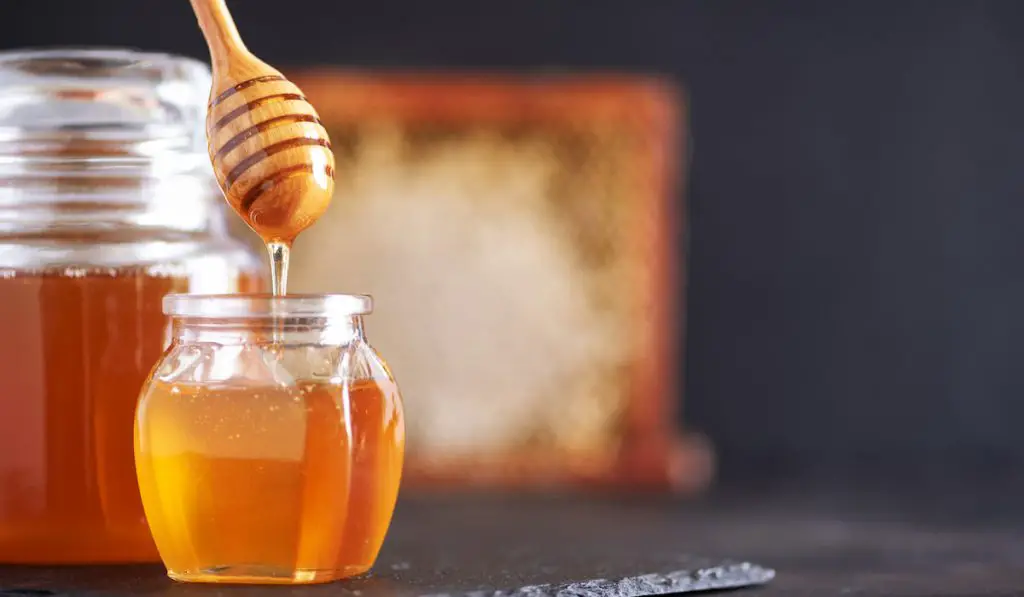
Don't be afraid if your honey crystallizes! In fact, it's often a sign of its purity. Over time, most real honey will naturally crystallize, forming a thicker, granular texture. This is a normal process and doesn't mean the honey has gone bad; it simply means it hasn't been overheated or filtered excessively, which can prevent crystallization but also strip away beneficial compounds. If your honey stays perfectly liquid indefinitely, it might be a cause for suspicion, as highly processed or blended honeys are often treated to prevent this natural change.
Label Literacy: Reading Between the Lines
Beyond these at-home tests, become a savvy label reader. Look for terms like "pure honey," "raw honey," or "unfiltered honey." Avoid products that simply say "honey blend" or list other ingredients like high-fructose corn syrup. Local beekeepers are often the best source for genuine honey, and they're usually happy to talk about their process. Supporting them not only guarantees authenticity but also helps preserve the vital work of bees.
Ultimately, becoming a discerning honey buyer is a rewarding journey. By using these simple tests and paying attention to what you're buying, you can ensure that every sweet bite you take is the real deal, straight from the hive. Happy tasting!