How To Tell If Cats Have Fleas
:strip_icc()/fleas-and-your-cat-552346-Final-742910b7cca544ed95622e97fd075d22.jpg)
Alright, let's chat about our feline overlords. You know, the ones who demand cuddles on their terms and nap like they invented it. Ever looked at your kitty, all fluffy and purring, and wondered… are those tiny, hopping fiends invited to the party?
Yeah, we're talking about fleas. Those minuscule ninjas of the insect world. It’s not the most glamorous topic, but hey, it’s a crucial part of being a responsible cat parent. And honestly, there's a weirdly fascinating, almost Sherlock Holmes-y vibe to figuring this out.
Think of it as a mini-detective mission. You’re not just spotting bugs; you’re uncovering a secret, wiggly world that’s happening right under your nose… or rather, under your cat’s luxurious fur.
Must Read
The Flea Frenzy: Spotting the Culprits
So, how do you know if your cat is hosting an unscheduled flea convention? It’s all about observation, my friend. Your cat might not be able to tell you in words, but they’ll definitely give you clues.
First off, sudden, intense itching is a big one. Is your cat suddenly a professional scratcher? Like, REALLY professional? Are they going at themselves like they're trying to win an award for the most vigorous scratch? That's a flashing neon sign that something's up.
They might be biting or chewing at their skin, too. Picture this: your usually regal cat is suddenly doing a frantic little dance, gnawing at their tail base like it owes them money. Not cute, but definitely telling.
Another classic sign? Restlessness. If your cat is normally a creature of habit, content to snooze in sunbeams, but is now pacing, twitching, and generally looking like they’ve had too much catnip espresso, fleas could be the culprit.
They might even be exhibiting odd behaviors, like suddenly getting the zoomies at 3 AM for no apparent reason. While that can be a normal cat thing, when paired with other symptoms, it’s worth investigating.

The 'Flea Dirt' Clue: Tiny Black Specks of Truth
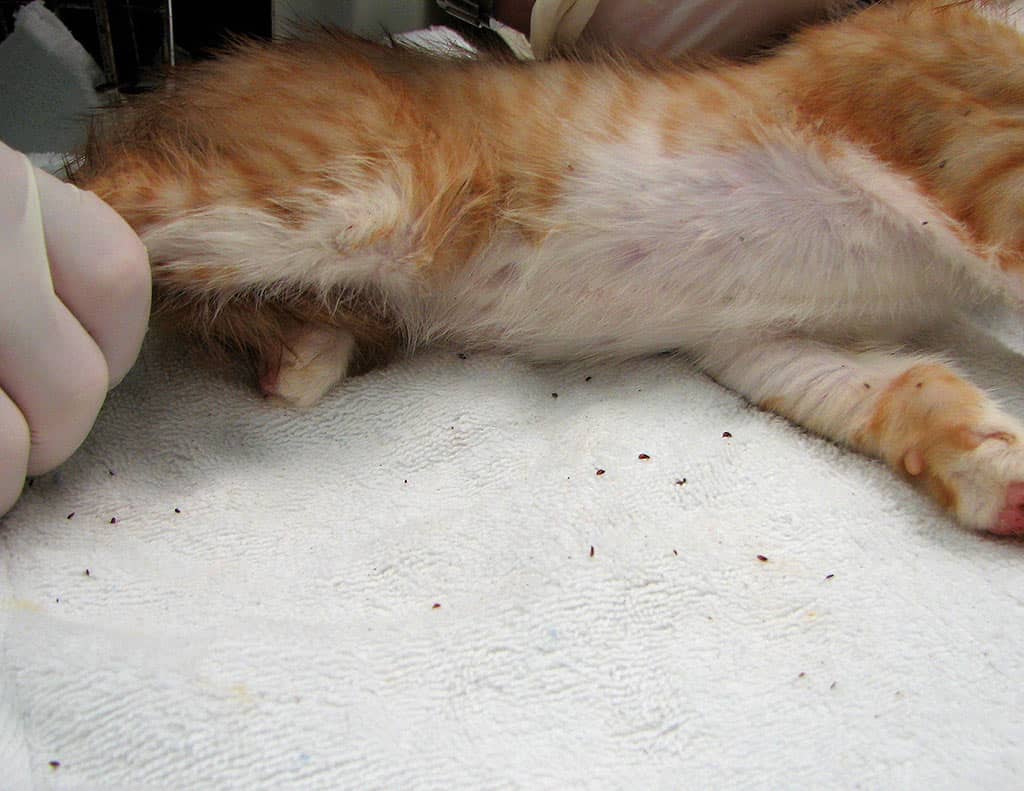
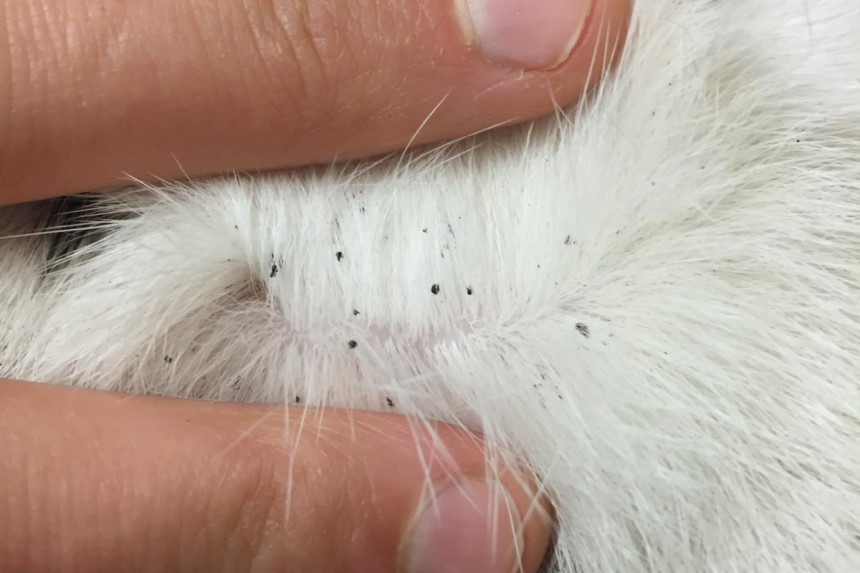
Now, for the real detective work. We’re looking for… drumroll please… flea dirt! Don't let the name fool you; it's not actual dirt. It's flea poop. Yes, we're talking about microscopic insect droppings. Fun, right?
This is where a little tool comes in handy: a fine-toothed flea comb. Think of it as your secret weapon. Gently comb through your cat’s fur, especially around their back, tail, and belly. Fleas and their "dirt" tend to hang out in these warmer, hidden spots.
What does flea dirt look like? It’s usually tiny, black, or reddish-brown specks. They can be mistaken for regular dirt or bits of dried blood. But here's the cool trick:
Take a few of those specks you've collected on a damp paper towel or cotton ball. If it’s flea dirt, it will dissolve and turn reddish-brown, like dried blood. That's because it's made of digested blood. Ew, but also, super definitive proof!
Seeing these little specks is a pretty solid indication that you’ve got a flea situation on your hands. No need to panic, but it’s definitely time to take action.
Visualizing the Invaders: Seeing the Actual Fleas
Sometimes, you might actually see the fleas themselves. They’re small, fast, and brown. Like tiny, living commas that hop.
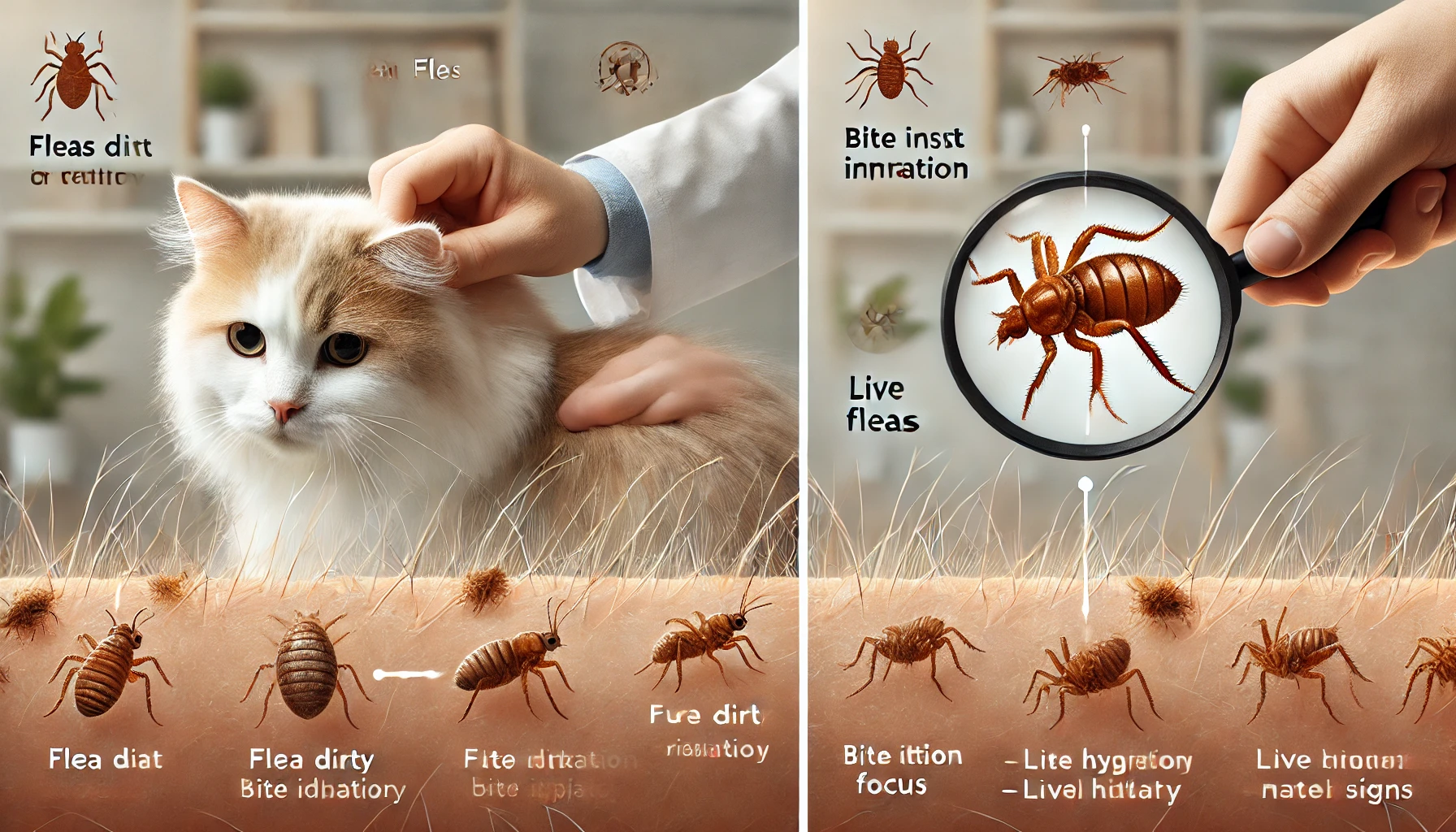
If your cat has a lighter coat, you might be able to spot them more easily. Look for quick movements in their fur. It’s like trying to spot a ninja in a fluffy white cloud. Good luck with that!
Fleas love to hide in warmer areas. So, pay close attention to their belly, groin area, armpits, and the base of their tail. These are prime real estate for flea squatters.
Don’t be surprised if you only see one or two at first. Fleas are sneaky! They reproduce quickly, so even a small infestation can turn into a big problem before you know it.
Beyond the Itch: Other Flea-Related Signs
Fleas can cause more than just discomfort for your kitty. They can also lead to other health issues if left untreated.
One of the most common secondary problems is flea allergy dermatitis (FAD). This is basically a fancy term for an allergic reaction to flea saliva. Even a single flea bite can cause intense itching and skin irritation in a flea-allergic cat.
You might notice red, inflamed skin, scabs, or even hair loss in areas where your cat is scratching or biting excessively. It can look pretty rough.
Fleas are also carriers of tapeworm larvae. If a cat ingests a flea while grooming, they can get tapeworms. So, if you notice little rice-like segments around your cat's rear end or in their stool, fleas might be the hidden link.
And let's not forget the potential for anemia, especially in kittens or older cats. A severe flea infestation can lead to a significant loss of blood, which can be dangerous.
The Fun (and Not-So-Fun) Facts About Fleas
Let’s dive into some quirky flea trivia. Did you know that a single female flea can lay up to 50 eggs a day? That’s like a tiny, creepy egg-laying machine!
And get this: the flea lifecycle has four stages: egg, larva, pupa, and adult. The pupal stage is particularly tenacious. Those little cocoons can survive for months, waiting for the perfect opportunity – like a warm, furry host – to hatch. It’s like they have their own built-in survival strategy.
Fleas can jump up to 7 inches high and 13 inches long. That might not sound like much to us, but for a tiny bug, it’s like them leaping over Mount Everest! They're basically tiny Olympic athletes of the pest world.
Why is talking about fleas kind of fun? Because it’s a universal cat-owner experience. It’s a challenge we all face at some point. Plus, it gives us a chance to use words like "microscopic ninjas" and "flea dirt." It’s a little gross, a little fascinating, and a lot relatable.
It’s also about protecting our precious fur babies. When you’re able to identify the signs and take action, you’re a superhero in their eyes. They might not give you a cape, but they’ll probably give you an extra head boop.
When to Call in the Professionals (or the Vet!)
If you're seeing signs of fleas, don't delay. The sooner you act, the easier it will be to get rid of them.
First step: talk to your veterinarian. They can recommend the best flea treatment options for your cat. There are topical treatments, oral medications, and even flea collars. Your vet knows your cat’s individual health needs and can guide you.
It’s also super important to treat your home. Fleas don't just live on your cat; they live in your environment too. You’ll need to vacuum thoroughly and frequently, wash all bedding (cat beds, your bedding, blankets) in hot water, and consider using a pet-safe household flea spray or fogger.
Remember, the goal is to break the flea lifecycle. You need to get rid of the adults on your cat AND the eggs, larvae, and pupae in your home. It's a whole-house operation!
So, there you have it. A quick guide to spotting those sneaky fleas. It might not be the most glamorous topic, but it’s an important one. And hey, at least now you’ve got some interesting (and slightly gross) facts to share at your next cat-themed trivia night!