How To Tell If A Pearl Is Real
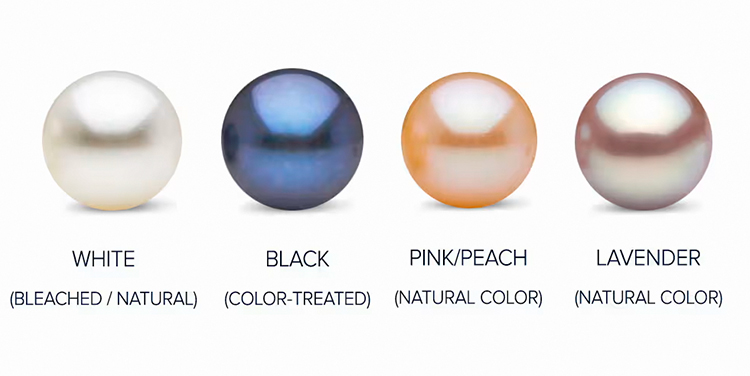
Pearls! They’re like tiny treasures from the sea. Each one is a little miracle, formed inside an oyster. And oh boy, are they beautiful! From shimmering white to deep, mysterious black, pearls have been making people swoon for ages. They’re a symbol of elegance, grace, and a touch of magic. Think of all the famous ladies who’ve worn them – queens, movie stars, your grandma, maybe even you! There’s just something so special about a real pearl. They catch the light in a way nothing else can. They have this soft glow, this inner luminescence that’s totally captivating. It’s no wonder people go gaga for them. But here’s the tricky part: there are a whole lot of fakes out there. Some look pretty convincing, too! So how do you know if that sparkly gem you’re eyeing is the real deal? Don’t worry, it’s not as complicated as you might think. It’s actually kind of fun, like a little treasure hunt for your senses. We’re going to dive into some easy ways to tell if a pearl is genuine, and you might be surprised at what you discover. Get ready to become a pearl detective!
One of the coolest ways to check a pearl is to use your teeth. Yep, your teeth! Now, don’t go chomping down like you’re trying to crack a walnut. We’re talking about a very gentle rub. Take the pearl and gently rub it against the edge of your front teeth. If it’s a real pearl, it should feel a little gritty, like fine sand. It’s the natural surface of the nacre, that’s the stuff the oyster makes, that creates this texture. It’s like a tiny, organic exfoliation! If the pearl feels super smooth, like glass or plastic, then it’s probably not the real deal. It’s kind of like the difference between rubbing your hand on a rough stone versus a polished marble statue. The real pearl has that subtle, natural roughness. It’s a sensation you can really feel. Imagine the oyster working its magic over years, layer by layer, to create that unique texture. It's that organic imperfection that makes it so special. So, a gentle wiggle of the pearl against your teeth can tell you a lot. Think of it as a little handshake with the pearl, a way to get acquainted with its true nature. It's a simple test, but incredibly effective, and it doesn't require any fancy tools. Just your own trusty pearly whites!
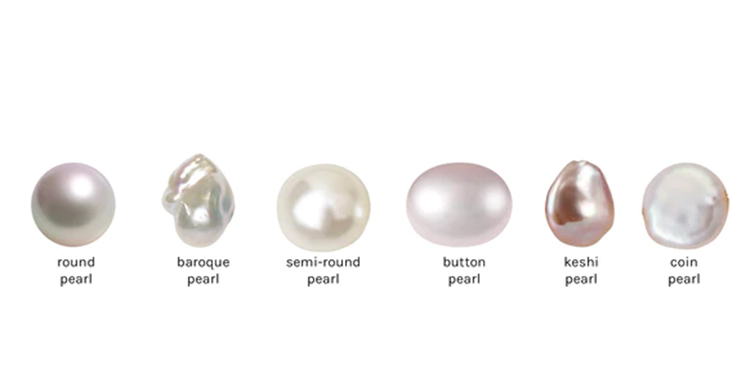
Next up, let’s talk about look. And I mean really look. Real pearls are rarely perfectly round. They’re often a little bit oval, or teardrop-shaped, or even a bit lumpy. That’s part of their charm! Think of them as unique little personalities. Perfectly round pearls are super rare and super expensive. If a pearl looks like it was manufactured by a robot, all flawless and identical, it’s probably a fake. Also, pay attention to the lustre. Real pearls have this amazing, soft glow that seems to come from within. It’s not a harsh shine, but more of a gentle radiance. It’s like they have their own little spotlight. If the shine is too bright, too uniform, or looks like it’s painted on, it could be a sign of a fake. The lustre of a real pearl is dynamic; it changes as you move it. It’s a living glow. It’s what makes them so mesmerizing. You can spend ages just watching how the light plays on the surface of a good pearl. It’s like a tiny, ever-changing galaxy. Some fakes try to mimic this, but they usually end up looking flat or artificial. The depth of the lustre is key. It’s that subtle interplay of light and shadow that gives a real pearl its soul.
Must Read
Then there’s the weight. This is a fun one. Real pearls, especially good-sized ones, tend to feel a bit heavier than you might expect. They have a certain density to them. If you’re comparing pearls, and one feels significantly lighter than the other, that might be a clue. It’s like holding a smooth stone versus a hollow plastic ball. The real pearl has substance. Of course, this is easier to judge when you have something to compare it to, or if you’ve held a lot of pearls before. But it’s a sense you can develop. Think of it as a little secret whisper from the pearl, telling you about its origins. It’s a physical attribute that speaks volumes. This subtle difference in weight can be a tell-tale sign for those in the know. It’s a tactile experience that adds to the allure of the genuine article. It's about feeling that satisfying heft in your palm, a testament to its natural formation.
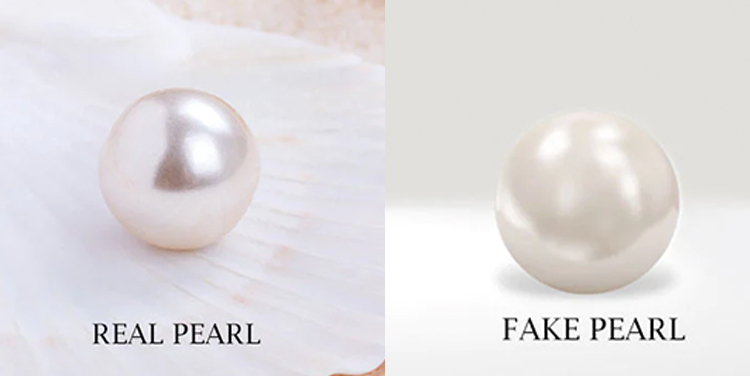
Let’s talk about the surface for a moment more. While we mentioned the grittiness with your teeth, also just look at the surface with your eyes. Real pearls, even the most beautiful ones, often have tiny imperfections. You might see a slight bump, a little ripple, or a subtle variation in the surface. These aren't flaws; they're marks of authenticity! They show that the pearl grew naturally, not in a factory. It's like a fingerprint, unique to that specific pearl. Flawless pearls are usually a big red flag that they might be man-made. Think of it this way: nature isn’t perfect, and that’s what makes it so beautiful. The little quirks and quirks of a real pearl are part of its story. It’s the journey it took inside the oyster, the subtle changes in its environment, all recorded on its surface. These imperfections are like little badges of honor, telling the tale of its creation. They add character and depth, making each real pearl truly one-of-a-kind. The more perfect a pearl appears, the more suspicious you should be. It's the subtle irregularities that often betray the fakes.
Another interesting test is the heat test. Now, this one requires a little more care and isn’t something you should do with a pearl you’re about to buy unless the seller agrees! But for curiosity’s sake, real pearls are formed from organic material. If you gently warm a real pearl for a moment (like by holding it in your hand for a bit), it should feel a little cooler at first, and then gradually warm up. If it feels instantly warm or stays unnaturally cool, it could be a sign it’s not real. The idea is that natural materials react differently to heat than synthetic ones. It’s like the pearl has its own internal temperature regulation. It’s a more subtle test, for sure, but it’s another piece of the puzzle. It’s about understanding how these organic gems behave. It’s a way to connect with the pearl on a more fundamental level, observing its natural properties. This test can sometimes reveal the truth when other methods are less clear. It’s another tool in your pearl-prowling kit!
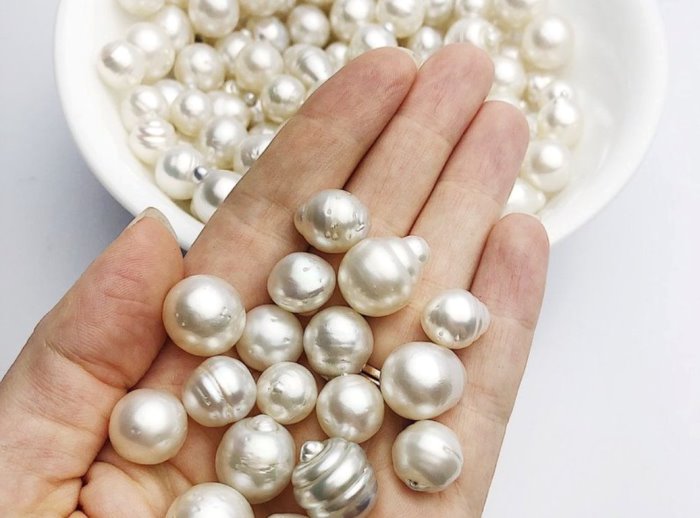
Finally, let’s consider the hole if the pearl is drilled. Real pearls are usually drilled with a very fine drill bit, and the edges of the hole should be clean but not perfectly sharp. Sometimes, if you look very closely, you might see tiny flakes of nacre around the edge of the hole, which is another sign of authenticity. If the hole looks too large, too uniform, or has perfectly smooth, almost melted edges, it might suggest it was made with a laser or some other artificial method. The drilling of a real pearl is a delicate process, and the result is often a subtle indication of its natural origin. It's like looking at a handcrafted item versus a mass-produced one. The small details around the drilled hole can be surprisingly revealing. They are the subtle fingerprints left by the tools of its creation, guiding you towards the truth. It's about appreciating the craftsmanship, both natural and human, that goes into making a pearl ready for adornment.
So there you have it! A few simple ways to get a better sense of whether a pearl is a genuine treasure or a clever imitation. It’s not about being a jewelry expert, but about using your senses. The feel, the look, the weight – they all tell a story. And that story is what makes real pearls so incredibly special. It’s the history they carry, the journey they’ve taken, and the natural beauty they possess. Next time you see a beautiful string of pearls or a single, lustrous gem, don't be afraid to try a little pearl detective work. You might just uncover a hidden truth and gain a whole new appreciation for these magnificent gifts from the ocean. Happy pearl hunting!