How To Stop Brake Squeal On Car
Ah, that dreaded sound. That high-pitched, metallic wail that seems to announce your arrival (and your impending brake issues) to the entire neighborhood. Yes, we’re talking about brake squeal. It’s the automotive equivalent of a toddler having a tantrum in aisle five – attention-grabbing, a little embarrassing, and definitely something you want to make go away. But before you dive headfirst into a DIY abyss or start mentally budgeting for a full brake overhaul, let’s take a deep breath. Most of the time, that squeal is more of an annoyance than a dire emergency. Think of it as your car’s way of whispering (or, more accurately, screaming) for a little TLC.
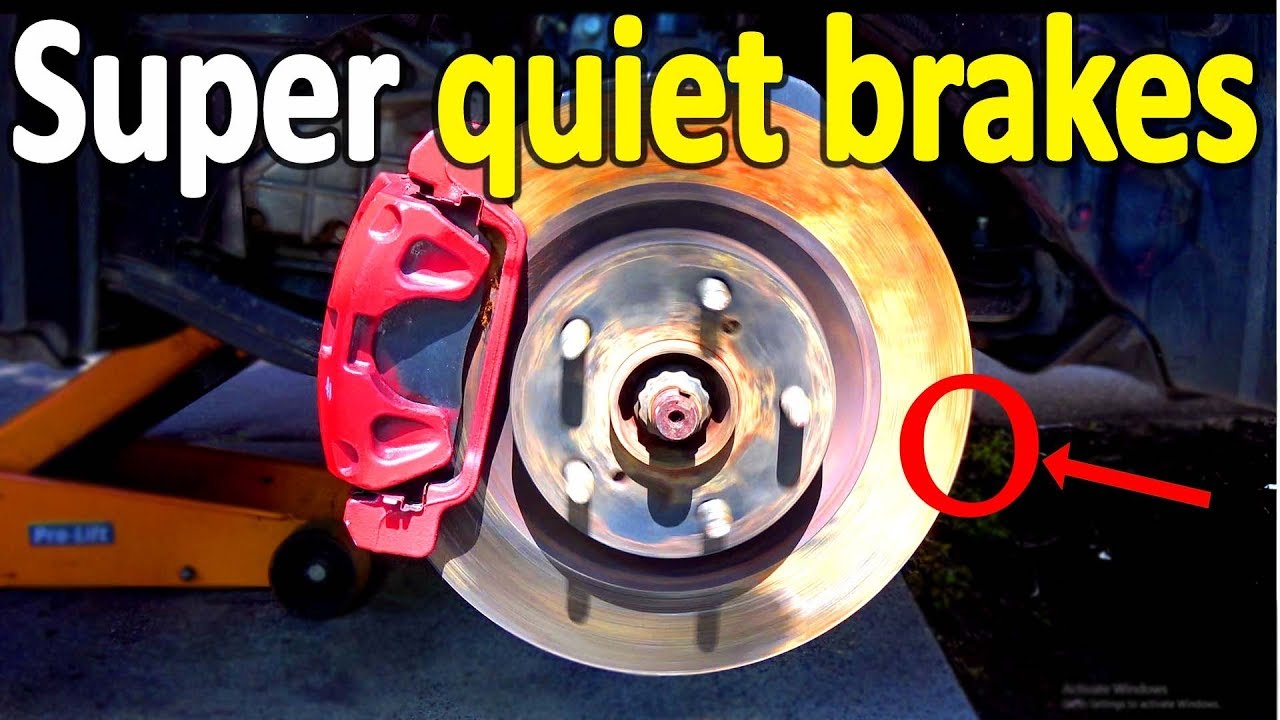
So, what’s the deal with this sonic assault? It’s usually a symphony of tiny vibrations happening when your brake pads rub against your brake rotors. Imagine tiny dancers doing a frantic jig on a metal stage – sometimes they get a little out of sync and the music (aka, the squeal) gets a bit… energetic.
Let’s break down the usual suspects, shall we? Think of it like a detective novel, but instead of a smoky backroom, we’re looking at your wheels. The first culprit is often something as simple as dust and debris. Over time, your brakes collect all sorts of road grit, brake pad residue, and general automotive detritus. This gunk can get lodged between the pad and the rotor, causing friction and, you guessed it, squeal. It’s like trying to enjoy a quiet moment with a pebble in your shoe – it just doesn’t feel right.
Must Read
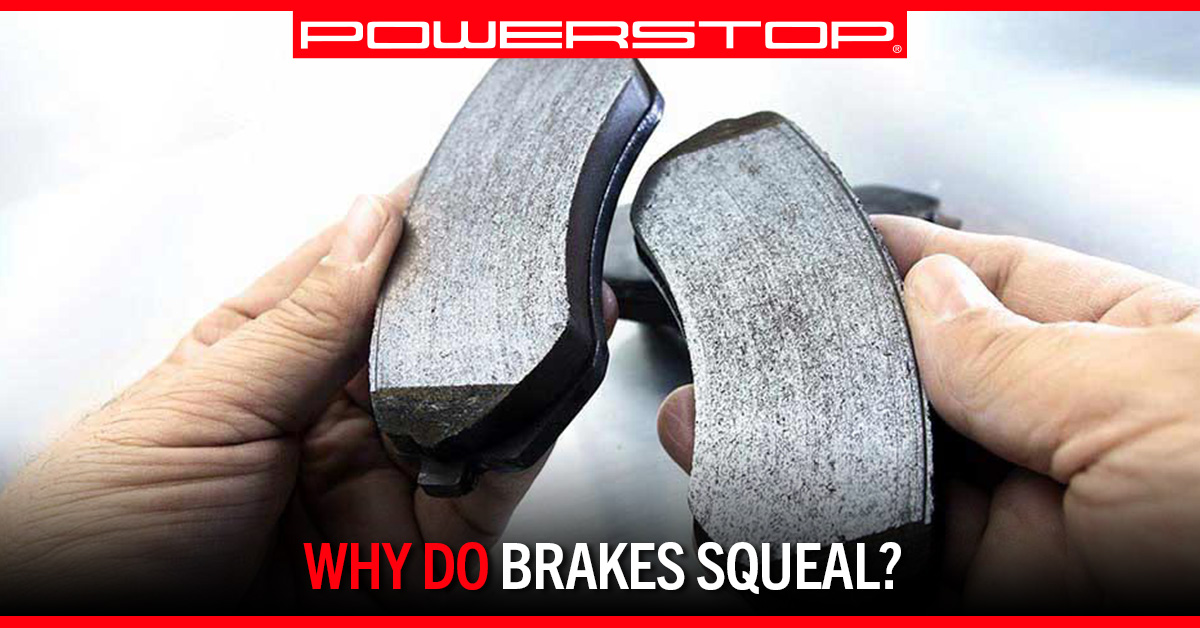
Another common troublemaker is worn-out brake pads. These little guys are designed to wear down over time; that’s their job! But as they get thinner, they can start to lose their effectiveness and, unfortunately, their ability to play nice with the rotors. Many brake pads have a built-in wear indicator – a small metal tab that starts to scrape against the rotor when the pad is getting low. That’s your car’s polite nudge, a gentle reminder that it’s time for a replacement. Some even sound like a screeching banshee when they hit this point, a sure sign to get them checked.
Then there's the matter of moisture. Ever notice how your brakes might squeal a bit more after a rainstorm or on a dewy morning? That’s perfectly normal. A thin layer of rust can form on the rotors overnight, and that first application of brakes will often clear it off with a little squeak. Think of it as your car clearing its throat before a big performance.
The Easy-Going Approach to Banishing the Squeal
Now that we’ve got a general idea of what might be going on, let’s talk solutions. And because we’re all about that easy-going lifestyle, we’re going to aim for the simplest, most effective fixes first. No need to channel your inner automotive engineer unless absolutely necessary.
Step 1: The Gentle Audit (AKA, Listen Carefully!)
Before you do anything drastic, take a moment to really listen to the squeal. Does it happen every time you brake? Only when you brake hard? Does it sound more like a high-pitched whine or a dull groan? This subtle detective work can give you clues. If it’s only when braking hard, it might be a sign of worn pads that are struggling to grip. If it’s constant, it could be something more persistent.
Think of it like understanding your favorite playlist. You know when a particular song’s bass is too heavy or the vocals are a little off. Your car’s brakes have their own subtle sonic signatures, and learning to decipher them is a valuable skill.
Step 2: The "Shake and Bake" (Loosely Speaking!)
Sometimes, the simplest solution is just to get things moving. If you suspect it's just a bit of dust or a light surface rust, a good, firm brake application on a safe, open stretch of road can work wonders. Find an empty parking lot or a quiet road where you won't interfere with traffic, and give your brakes a few good, strong presses. This isn't about slamming on the brakes, but rather applying firm, consistent pressure. It’s like doing a few vigorous stretches to warm up your muscles.
This action can help to clear away any superficial debris that might be causing the noise. It’s a bit like when you’re on a long road trip and you feel a little stiffness – a good stretch and a few miles at a decent speed can work wonders. Just make sure you’re in a safe environment to do this!
Step 3: The Anti-Squeal Secret Weapon (For the DIY-Curious)
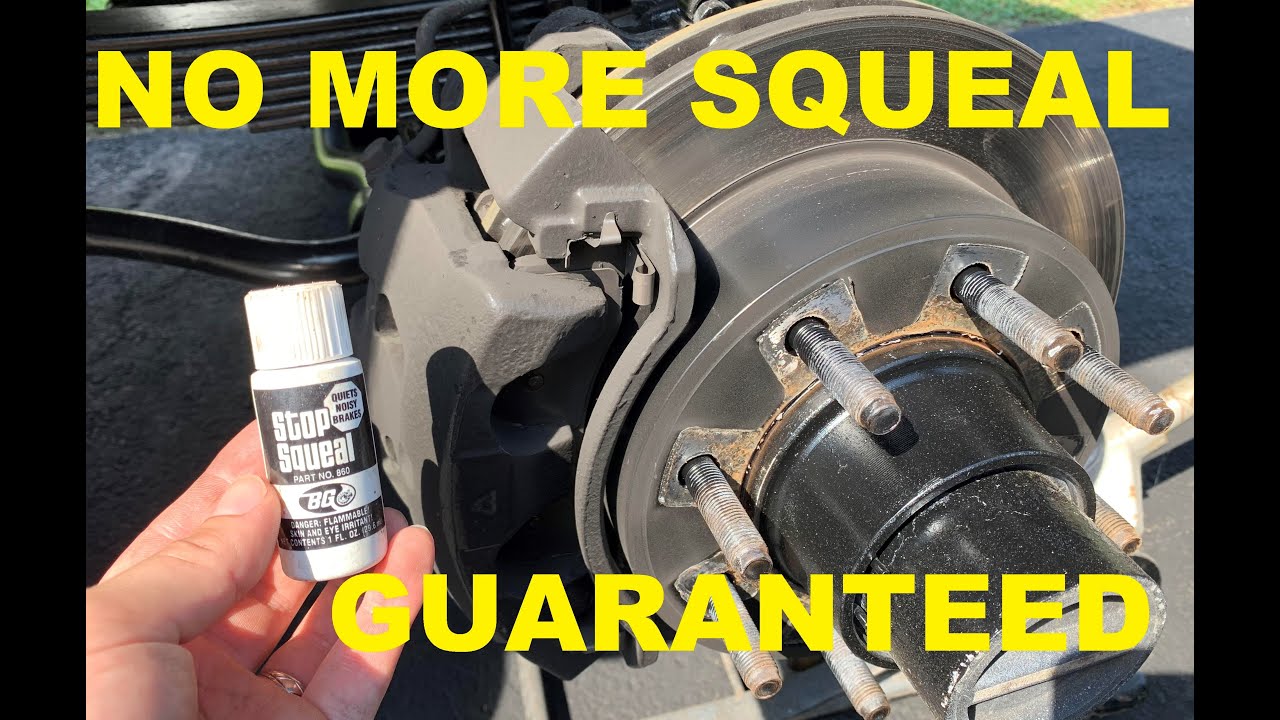
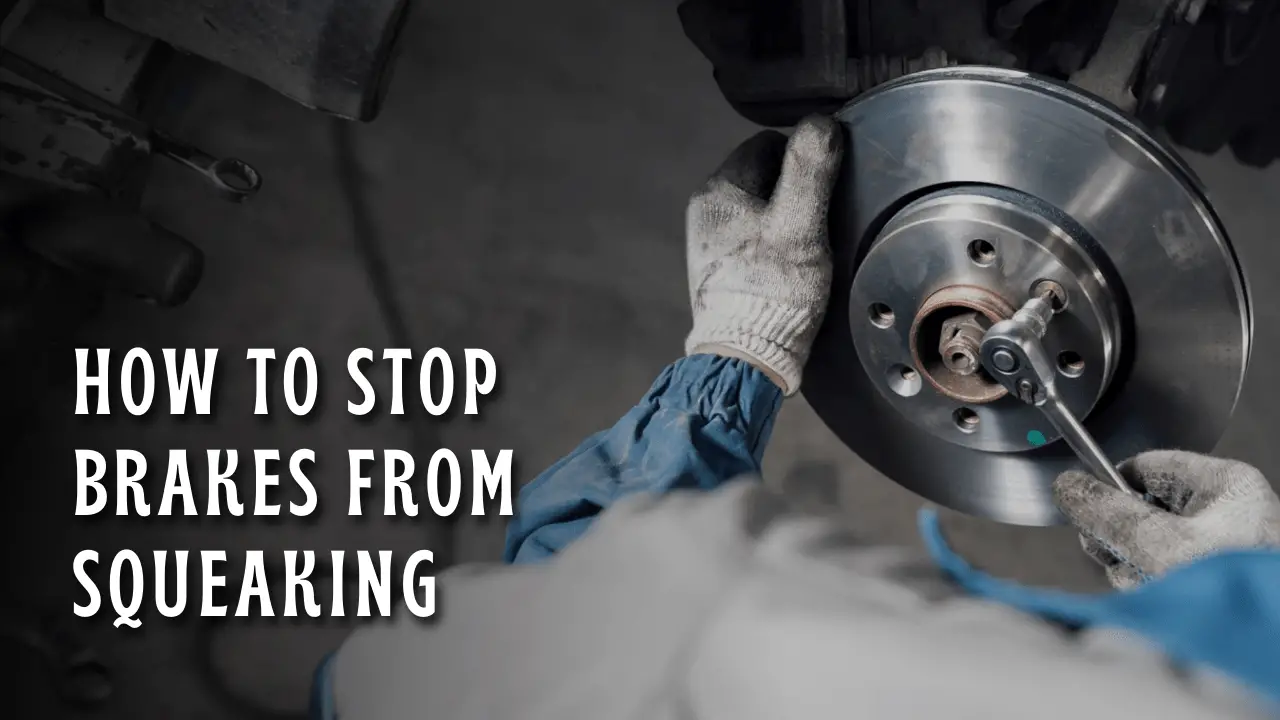
If the gentle audit and the "shake and bake" haven't done the trick, it might be time for a slightly more hands-on approach. Many people find that applying an anti-squeal lubricant to the back of their brake pads can solve the problem. This isn't something you'll find at your average convenience store, but it's readily available at auto parts stores. You'll want a specialized brake lubricant, often a ceramic-based compound.
This is where you'll need to get a little friendly with your car’s underbelly. You’ll need to remove the wheels to access the brake pads. A word of caution: if you’re not comfortable with this, it’s absolutely okay to skip this step and leave it to the pros. But if you’re feeling adventurous, here’s the gist:
- Jack up your car and remove the wheel. Make sure you’re using jack stands for safety!
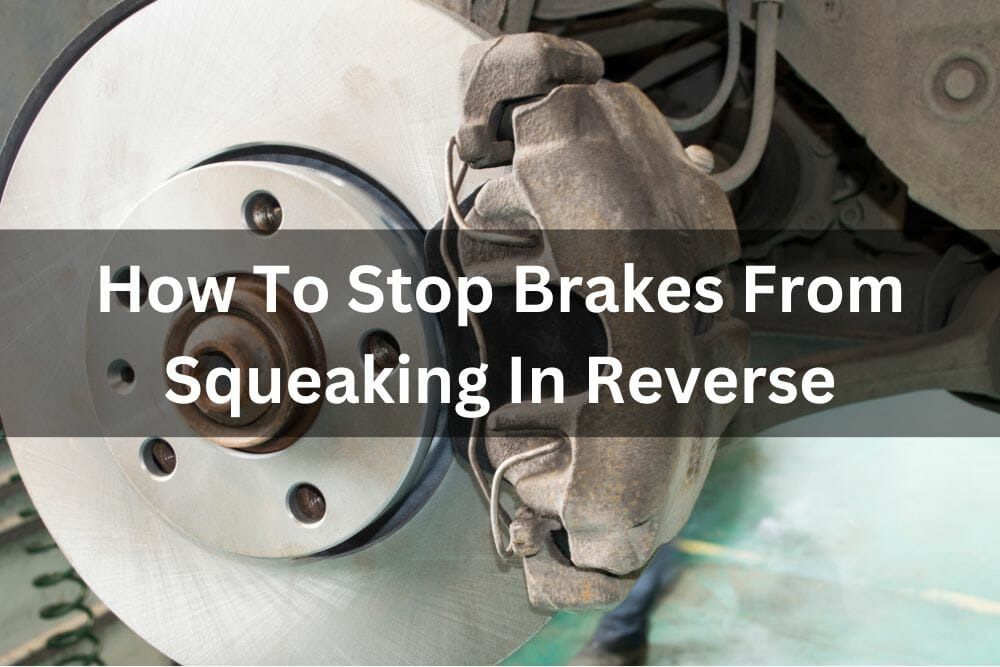
- Locate the brake caliper. This is the component that squeezes the brake pads against the rotor.
- Carefully remove the brake pads. There are usually a couple of retaining clips holding them in place.
- Clean the back of the brake pads. A wire brush can be helpful here.
- Apply a thin, even layer of the anti-squeal lubricant to the metal backing plate of the brake pad (the part that doesn’t come into contact with the rotor).
- Reassemble the brake pads and caliper.
- Put the wheel back on and lower the car.
This lubricant acts as a damper, absorbing some of the vibrations that cause the squeal. Think of it like putting a little cushioning between two objects that are rubbing together. It’s the automotive equivalent of a perfectly placed pillow to stop a squeaky bed frame.
Fun Fact: The concept of using lubricants to reduce friction and noise is as old as civilization itself! From the ancient Egyptians lubricating chariot wheels with animal fat to modern-day engineers developing advanced synthetic greases, the desire for smooth, silent operation is a constant.
Step 4: When to Call in the Cavalry (The Professional Mechanic)
If you’ve tried the above and the squeal persists, or if you’re not feeling confident about the DIY route, it’s definitely time to visit a trusted mechanic. There could be more complex issues at play, such as:
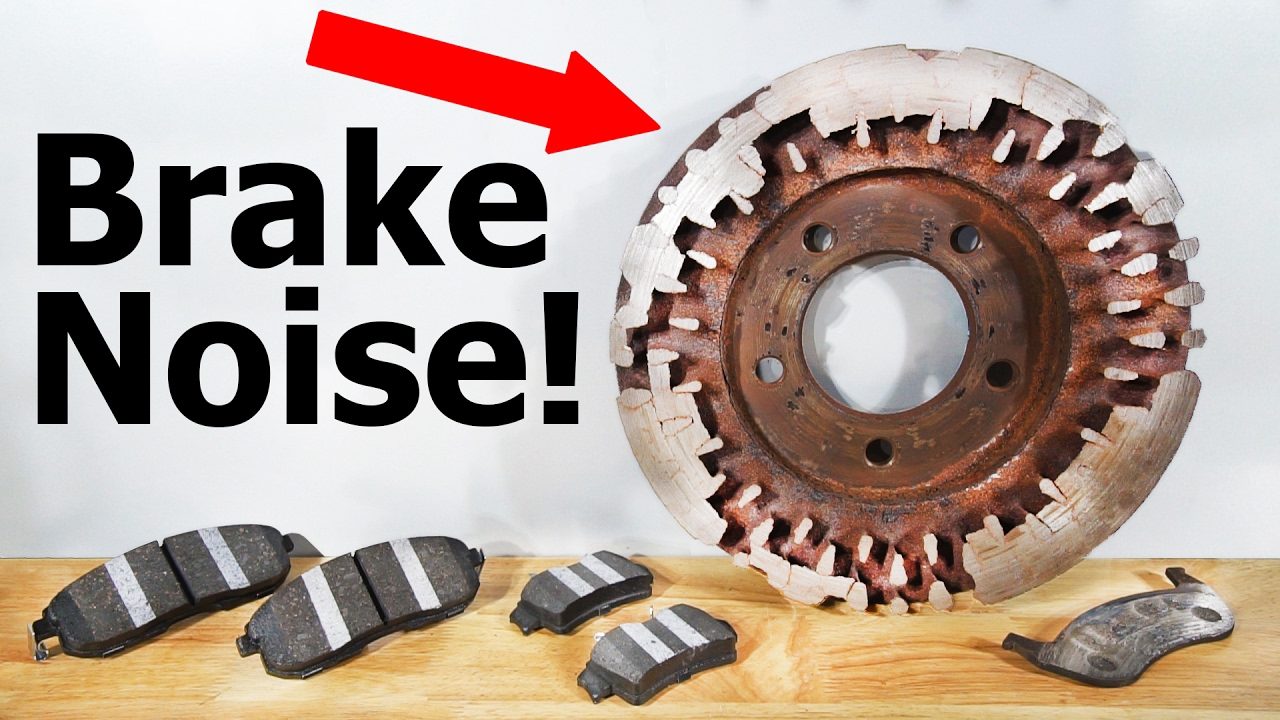
- Worn-out rotors: If the rotors have developed grooves or are uneven, they can cause squeal.
- Sticking caliper pins: These can prevent the brake pads from releasing properly, leading to noise.
- Issues with brake hardware: Springs, clips, and other small parts can become worn or damaged.
A good mechanic has the tools and expertise to diagnose the exact cause and perform the necessary repairs. Think of them as the specialized surgeons of the automotive world. They can spot things you might miss and have the precision to fix them right the first time.
Beyond the Squeal: A Smoother Ride
Stopping brake squeal isn’t just about silencing an annoying noise; it’s about ensuring your car is performing optimally and, most importantly, safely. When your brakes are functioning correctly, you have confidence on the road. It’s that feeling of being in control, whether you’re navigating a busy city street or cruising down a scenic highway. You know that when you need them, your brakes will respond smoothly and effectively.
Consider the peace of mind that comes with knowing your car is in good shape. It’s like decluttering your living space – the physical space feels better, and so does your mental space. A quiet car just feels more relaxed, doesn't it? It’s one less thing to add to your mental to-do list.
This whole brake squeal saga is a great metaphor for life, really. Sometimes, things just get a little noisy, a little jarring. Life throws us little pebbles of stress, minor inconveniences that can throw off our rhythm. The key, just like with our cars, is to notice them, assess them with a calm approach, and tackle them with the right tools and a bit of know-how. Most of the time, it’s not a catastrophic failure, but simply a sign that something needs a little adjustment, a little lubrication, or perhaps a chat with someone who knows what they’re doing.
So next time you hear that squeal, don't panic. Embrace your inner detective, try a few of these easy-going solutions, and remember that a little bit of attention can go a long way in ensuring a smoother, quieter, and ultimately, more enjoyable ride – both on the road and in life.