
How To Stop A Hen Being Broody
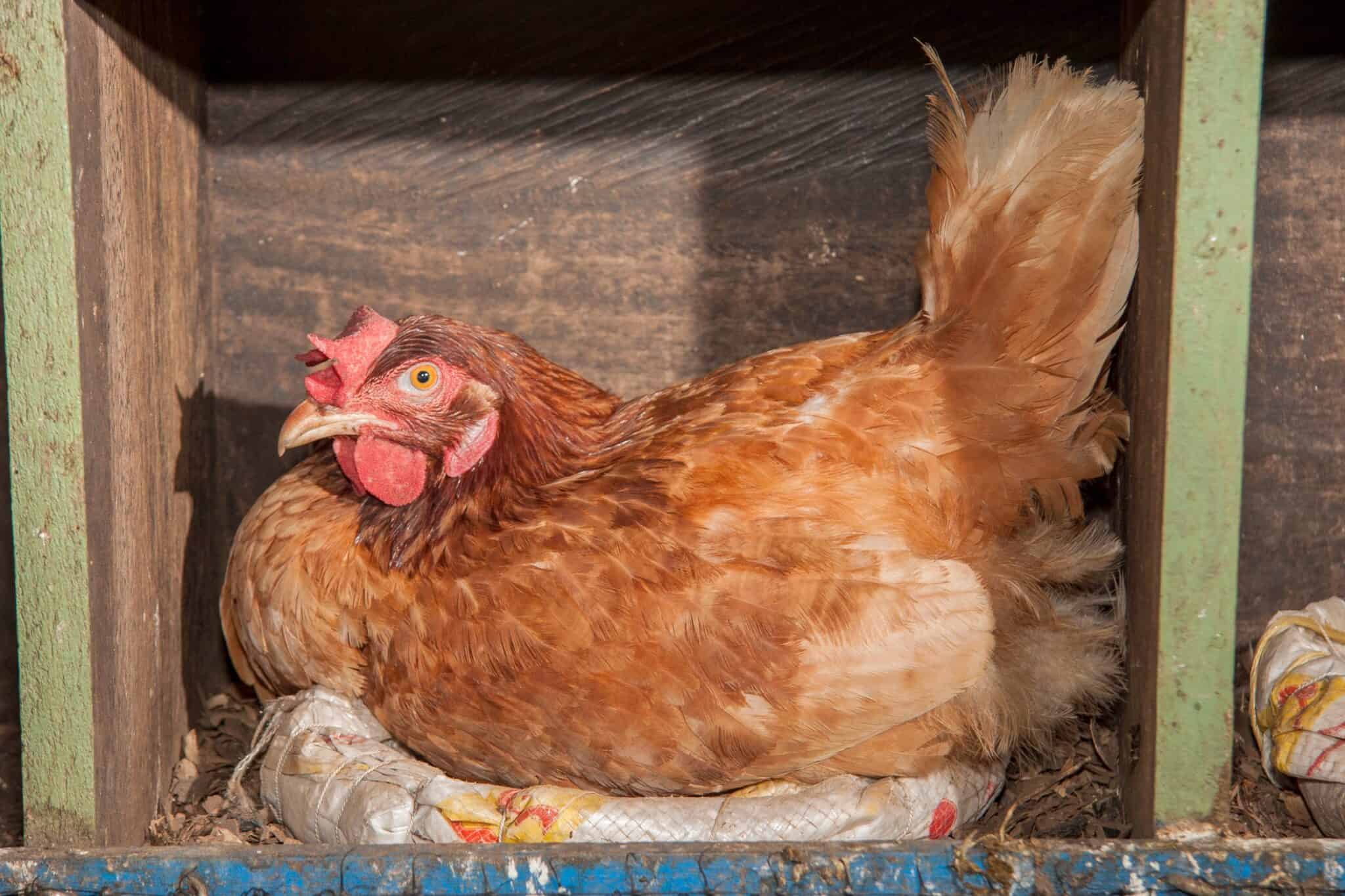
Ah, hens. Those feathered marvels of the backyard, dispensing breakfast with a cheerful cluck. But sometimes, even the most contented hen can develop a rather… stubborn streak. We’re talking about the dreaded broodiness. That intense, laser-focused desire to sit on an imaginary nest, day in and day out, ignoring all pleas and, crucially, her egg-laying duties. It’s enough to make even the most zen chicken keeper a little flustered. But fear not, fellow fowl enthusiasts! We're here to gently guide your broody birds back to their egg-laying, life-affirming selves, all with a dash of humour and a sprinkle of practical wisdom.
Think of broodiness as nature’s way of saying, “I’m ready for a family!” It’s a primal instinct, deeply ingrained in their DNA. They flatten themselves onto their nesting box, fluff up their feathers, and adopt a look that screams, “Don’t even think about moving me, peasant.” This isn’t a personal attack on your housekeeping skills or your delicious organic feed. It’s just… hen stuff.
Culturally, a broody hen has been a symbol of nurturing and fertility for centuries. In ancient Greece, they were associated with the goddess Demeter, and in some folklore, a broody hen was seen as a good omen. Fast forward to today, and while we appreciate the nurturing instinct, we also appreciate a steady supply of fresh eggs for our avocado toast and weekend frittatas. So, it’s a delicate balance.
Must Read
The Broody Blues: Identifying the Signs
So, how do you know if your prize hen has officially gone broody? It’s not usually a subtle affair.:
- The "Nest Occupation": This is the big one. She'll spend an unnatural amount of time glued to a nesting box, even when it’s empty. If she’s usually a social butterfly, flitting around the run, and suddenly becomes a nesting box hermit, that’s a major clue.
- The "Don't Touch Me!" Stance: If you dare to approach her while she’s on her “nest,” you’ll likely be met with a series of indignant hisses, ruffled feathers, and perhaps even a nip or two. It's her way of saying, "Back off, human! This is mama bear territory!"
- The "Fluffed Up Fella": Broody hens often puff up their feathers, making them look larger and more imposing. This is part of their defensive display.
- Decreased Appetite: Because they’re so focused on sitting, they might not be eating or drinking as much as usual. This is a cause for concern if it continues for too long.
- The "Broody-Specific Squawk": Some hens develop a distinct, lower-pitched, mournful sort of cluck when they're broody. It's their lament of an unhatched destiny.
Recognizing these signs is the first step to a speedy resolution. It’s like diagnosing a common cold; you know what you’re dealing with, and now you can seek the appropriate remedies.

Operation: Break the Brood – Gentle Strategies
Now, for the fun part! Gently coaxing your hen out of her maternal trance requires a blend of patience, persistence, and a touch of strategic silliness. Remember, the goal is not to punish your hen, but to help her remember her true purpose: being a magnificent egg-laying machine.
The Classic "Chicken Anti-Broody Butler" Method
This is perhaps the most well-known and effective approach. It involves physically removing your broody hen from the nesting box and placing her somewhere she’d rather not be for a while.
- The Relocation Rotation: Each morning (and sometimes again in the evening, if she’s particularly determined), gently lift your hen out of her nesting box. Place her on the floor of the coop or run. Don’t just plop her down and walk away; make sure she’s aware she’s been moved.
- The "Free-Range Freedom" Fun: If possible, let her out into the main run or yard after you’ve moved her. The lure of fresh grass, bugs, and social interaction can be a powerful distraction. She'll often be too busy foraging to think about nesting.
- The "Nesting Box Nudge": While she’s out, quickly remove any nesting material from the offending box. Some keepers even place a few fake eggs in there to encourage her to lay, not to sit. The idea is to make the nesting box less appealing for prolonged sitting.
This method often works within a few days. It’s like taking a toddler away from a favourite toy; they might protest initially, but eventually, they’ll find something else to occupy their attention. Think of yourself as the unflappable nanny to your feathery charges.

The "Cool Down" Camp
Sometimes, all a broody hen needs is a change of scenery and a little less warmth. This is where the "broody breaker" or "bachelor coop" comes into play.
- The "Chilly Chamber": Designate a separate, wire-bottomed cage or small coop. This cage should be elevated off the ground so the hen can’t easily try to nest on the floor. The wire bottom allows for good air circulation, which helps to cool her down and discourages nesting behaviour.
- The "Isolation Station": Place your broody hen in this cage for a few days. Provide her with food and water, but make it clear that this is not a nesting zone. The slight discomfort and lack of cozy nesting spots should help break the spell.
- The "Re-entry Ritual": After 3-5 days, depending on her persistence, you can try returning her to the main coop. Observe her carefully. If she seems to have forgotten her brooding ways, great! If she heads straight back to the nesting box, she might need a little more time in the "cool down" camp.
This method is particularly useful for hens who are truly dedicated to their broody mission and don’t respond as well to simple relocation. It's like a little mini-vacation, albeit a slightly chilly one!
The "Visual Distraction" Technique
Sometimes, a simple visual cue can do wonders. This is a more passive approach, but it can be surprisingly effective.

- The "Shiny Stuff": Place a few shiny objects, like old CDs, tin foil, or reflective garden decorations, in the nesting box. Hens are often wary of anything new and unusual in their space, and the shininess might distract them from their nesting urges.
- The "Awkward Obstacle": Another trick is to place a large, uncomfortable object in the nesting box, like a rubber ball or a sturdy piece of wood. This makes it difficult for them to get comfortable and settle in for a long sit.
These methods rely on disrupting the hen's sense of security and comfort in the nesting box. It's about making her think, "Hmm, this doesn't feel quite right anymore."
Fun Facts and Cultural Tidbits
Did you know that in some cultures, the sound of a broody hen was believed to ward off evil spirits? It’s a comforting thought, isn’t it? And speaking of comforting, if your hen does successfully hatch chicks, it’s a truly magical experience. The sight of a mother hen carefully guiding her fluffy brood is one of nature’s most heartwarming spectacles. It’s a testament to their incredible maternal instincts.
Interestingly, not all breeds are equally prone to broodiness. Some, like the Silkie and Cochin, are renowned for their mothering instincts and will go broody readily. Others, like the Leghorn, are bred for high egg production and rarely exhibit broody behaviour. So, if you're looking to avoid broodiness altogether, perhaps consider your breed choices for your next flock!

When to Seek Expert Advice (or Just a Good Laugh)
If you’ve tried these methods for a week or two and your hen remains stubbornly broody, or if she’s showing signs of distress, like significant weight loss or lethargy, it might be time to consult a veterinarian or an experienced poultry keeper. They might have additional insights or be able to identify any underlying issues.
And sometimes, you just have to accept that some hens are just extra maternal. If you’re not too concerned about a temporary dip in egg production, you could even consider letting her hatch a clutch of eggs. It’s a rewarding experience, and you’ll have adorable fluffy chicks to admire!
A Gentle Reflection
Dealing with a broody hen is a gentle reminder of the rhythms of nature and the fascinating complexities of animal behaviour. It’s about understanding their instincts, responding with patience, and finding a harmonious balance between our needs and theirs. Just as we navigate our own moments of intense focus or desire, our hens have their cycles too. And when we can successfully guide them back to their flock, to their happy clucking and diligent egg-laying, it’s a small victory, a quiet affirmation of our connection to the natural world. It’s a lesson in gentle persuasion, in understanding what makes another creature tick, and sometimes, in simply letting nature run its course, with a little helpful nudge from us.

