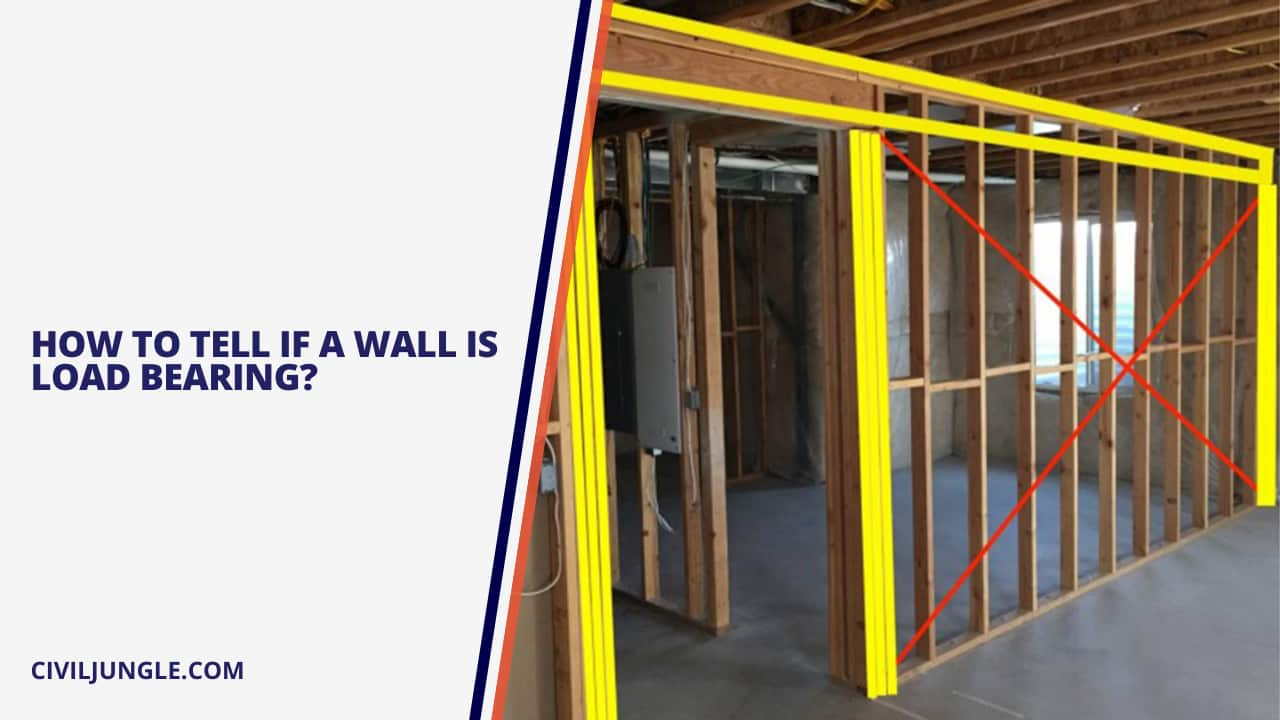
How To Spot A Load Bearing Wall

Ever find yourself staring at your walls, a cup of artisanal coffee in hand, wondering if that particular plaster behemoth is just for show or if it’s secretly holding up your entire existence? You're not alone. In the laid-back world of modern living, where open-plan spaces are as coveted as a perfectly ripened avocado, the mystery of the load-bearing wall can feel like a plot twist you weren't expecting. But fear not, intrepid homeowner or curious renter! Unraveling this architectural enigma is less about decoding ancient hieroglyphs and more about channeling your inner detective, with a dash of common sense and maybe a quick peek at your house's blueprints (if you can find them, that is). Think of it as a DIY adventure, minus the actual DIY part, for now at least. It’s about gaining knowledge, the most comfortable kind, the kind that makes you feel a little more in control of your abode.
Let's set the scene. Picture this: You're flipping through a glossy interiors magazine. Beautifully styled living rooms, sleek kitchens, all seamless and airy. Perhaps you're inspired to knock down a wall or two to achieve that coveted flow. Or maybe you’ve just noticed a particularly thick wall that feels… significant. Before you grab a sledgehammer (please, for the love of all things structural, don't!), let's get our detective hats on and figure out what’s what. This isn’t about becoming a structural engineer overnight; it’s about developing an informed intuition, a superpower for navigating your living space with confidence.
The Foundation of Knowledge: What Exactly IS a Load-Bearing Wall?
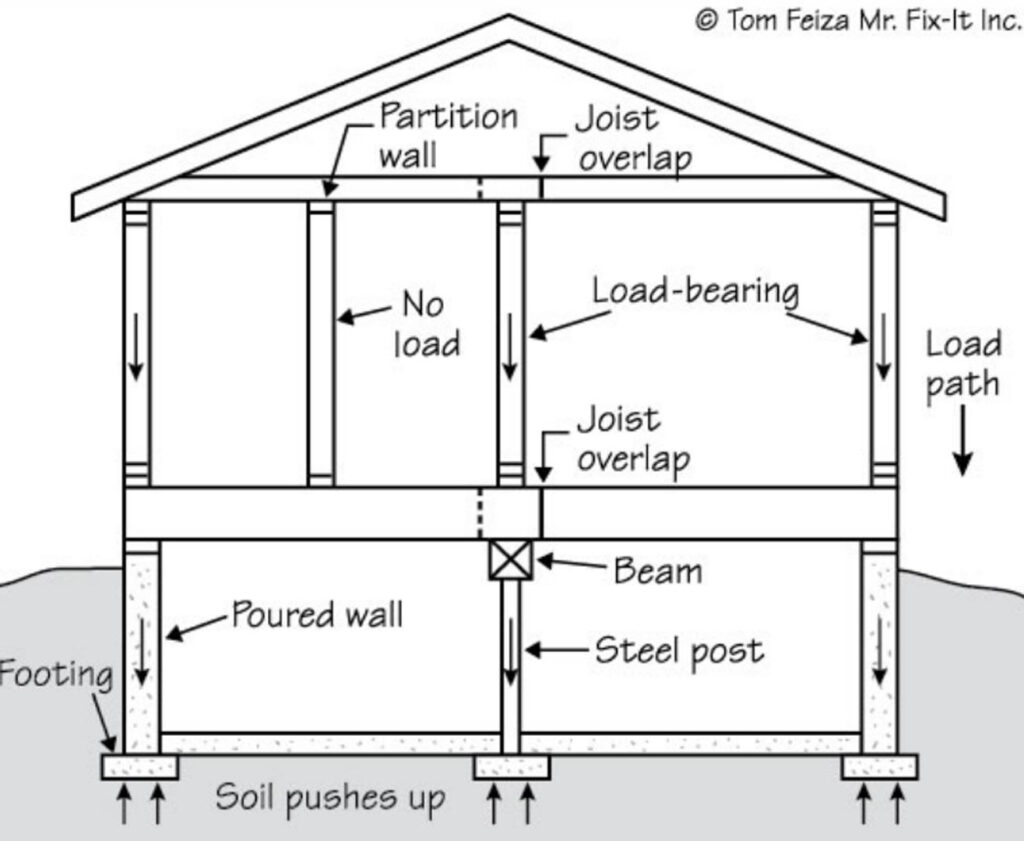
So, what's the big deal with load-bearing walls? Simply put, these are the unsung heroes of your home’s structural integrity. They carry the weight of the floors and roof above them, distributing that load down to the foundation. Think of them as the supportive friends in your social circle – the ones who always have your back, no matter what. Without them, your house would be, well, a pile of rubble. Not exactly the vibe we’re going for, right? These walls aren't just decorative partitions; they're working overtime, silently holding everything together. They’re the backbone, the bedrock, the silent guardians of your domestic bliss.
Must Read
Contrast this with a non-load-bearing wall, often called a partition wall. These are the social butterflies of the wall world. They're there to divide rooms, create privacy, and maybe hang your favorite art, but they don't carry any significant structural weight. Removing one of these is generally a lot less… dramatic. It's the difference between asking your best friend to help you move a couch versus asking them to hold up your entire apartment building. You get the picture.
Where to Look for Clues: The Detective's Toolkit
Alright, detective, time to gather your evidence! The first and often most telling clue is location, location, location. Load-bearing walls tend to run perpendicular to floor joists and ceiling beams. Think of it like this: if your joists are like the ribs of a ship, the load-bearing walls are often the main supports running across them. If you’re lucky enough to have access to a basement or crawl space, this is your prime real estate for investigation. Take a look at the beams running across the ceiling. Are there any walls directly above them? If so, there's a good chance that wall is doing some heavy lifting.

Another key indicator is the thickness of the wall. While not a foolproof method (some partition walls can be surprisingly chunky!), load-bearing walls are often thicker than non-load-bearing ones. This is because they need to be stronger to support the weight. Imagine trying to build a sturdy shelf for your extensive book collection versus a flimsy one for your postcards. The book shelf needs to be more robust, right? The same principle applies here. So, give that wall a gentle tap – does it sound solid and substantial, or a bit hollow?
Consider the layout of your home. Load-bearing walls are typically found in the center of the house, running from the foundation to the roof. They often support the main beams that hold up the floors above. If you’re looking at a wall that seems to run through the middle of your home, dividing spaces that have been there since the house was built, it’s a stronger contender for being load-bearing. Think of them as the central nervous system of your home’s structure. They’re not usually tucked away in a corner or along an exterior edge without good reason.
What about exterior walls? Generally speaking, all exterior walls are load-bearing, as they support the roof and upper floors. This is a pretty safe bet, but it’s always good to have other corroborating clues. They’re the first line of defense, both against the elements and for structural integrity. So, if you’re eyeing that exterior wall for an epic window installation, proceed with extreme caution.

The Blueprint Bonanza (Or Lack Thereof)
Ah, the blueprints. The holy grail of homeownership. If you have access to the original building plans, this is your cheat sheet. Load-bearing walls will be clearly marked on these documents. This is the most definitive way to know for sure, much like having a map when you’re navigating a new city. If you’re a new homeowner, these might be tucked away in a dusty binder or perhaps passed down from the previous owner. Digging them out could save you a world of trouble (and expense).
However, let's be real. Most of us don't have immediate access to pristine architectural blueprints. Life happens, plans get lost, and houses get renovated over the years, sometimes without meticulous record-keeping. If you're in this boat, don't despair. It just means we need to rely more on our observational skills. It’s like trying to find a hidden gem in an antique shop – you have to look closely and trust your instincts, informed by knowledge.
When in Doubt, Call in the Cavalry!
Now, here’s the most crucial tip, delivered with the warmth of a well-worn armchair: If you are in any doubt whatsoever, always consult a professional. This isn't a "good enough is fine" situation. We’re talking about the structural integrity of your home. A qualified structural engineer or a reputable contractor will be able to assess the situation with certainty. They have the tools, the knowledge, and the experience to tell you precisely what’s what, ensuring your home remains a safe and sound sanctuary. Think of them as the wise elders of the construction world, dispensing invaluable advice.
Tampering with a load-bearing wall without professional guidance can lead to serious structural damage, cracks in walls and ceilings, uneven floors, and in extreme cases, even collapse. It’s the architectural equivalent of performing your own appendix surgery – definitely not recommended. The cost of a professional consultation is a tiny fraction of the potential cost of fixing structural damage. It’s an investment in peace of mind, and in the long-term health of your home.
Fun Facts and Cultural Connections
Did you know that in some older homes, particularly those built with timber framing, the load-bearing walls might not always be the most obvious? The entire structure could be a web of interconnected beams, making the distinction between load-bearing and non-load-bearing a bit more nuanced. It's like a giant, intricate puzzle where every piece plays a role. This is where the expertise of a seasoned professional truly shines.
Think about the evolution of home design. For centuries, homes were built with very defined rooms. The need for load-bearing walls was paramount. As architectural styles evolved, particularly in the 20th century with the advent of steel and reinforced concrete, designers gained more freedom to create larger, more open spaces. This is when non-load-bearing walls became more common, allowing for that desirable "open-plan" feel that many of us love today. It’s a fascinating journey from the enclosed cottages of yesteryear to the expansive lofts of today, all tied to the evolving understanding of structural engineering.

And then there's the sheer psychological impact. Knowing which walls are load-bearing can empower you. It can help you plan renovations, understand the limitations of your space, and even appreciate the engineering marvel that your home truly is. It’s like learning a secret language of your house, a way to communicate with its very bones. It fosters a deeper connection to the place you call home.
A Gentle Reminder: The Power of Patience
So, when you’re dreaming up your next home reno, whether it’s a sleek new kitchen or a blissful bathroom update, take a moment. Look at your walls. Feel their presence. Are they silent guardians or playful dividers? Embrace the process of discovery. It’s not about rushing into major changes; it’s about understanding your space, respecting its structure, and making informed decisions. After all, your home is your sanctuary, and ensuring its stability is the first step to creating the peaceful, easy-going lifestyle you desire.
Ultimately, understanding load-bearing walls is about more than just construction. It’s about appreciating the invisible forces that keep our lives grounded. It's about making thoughtful choices that enhance our living spaces without compromising safety. It’s a reminder that even in the most modern, seemingly effortless lifestyles, there’s often a strong foundation supporting it all. So, the next time you’re admiring a beautiful open-plan living room, take a moment to appreciate the engineering that made it possible, and the load-bearing walls that might have been carefully, expertly, relocated.