
How To Put On A Knee Brace
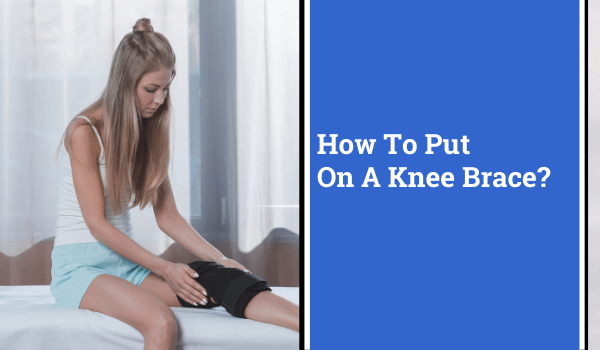
Okay, so you’ve found yourself needing a knee brace. Don't panic! It's not like you’re suddenly a professional wrestler (though, wouldn't that be a cool story?). It’s usually just a little blip, right? Maybe you went a little too hard at that pickup basketball game, or maybe your knee just decided to stage a tiny rebellion. Whatever the reason, you're here, and I'm here to help you navigate this whole knee brace thing. Think of me as your friendly, slightly-caffeinated guide through the land of neoprene and straps.
First things first, let's talk about why you're even wearing this thing. Is it to, you know, stop that annoying little twinge when you bend over? Or maybe to give your knee some extra support after a little oopsie-daisy moment? Knowing why you have it can sometimes help you figure out which kind you have. There are, like, a million kinds out there, aren't there? It’s enough to make your head spin, and probably your knee too, if it’s feeling particularly dramatic.
So, you’ve got the brace. It’s probably sitting there looking a little intimidating. All those straps and maybe even some metal bits? It’s like a miniature medieval torture device, but, you know, for healing. We’ve all been there, staring at it like it’s a puzzle designed by a mischievous goblin. But don't worry, it's really not that complicated. Promise. We're going to tackle this together, one step (or strap) at a time.
Must Read
The first crucial step, before you even think about wrestling it onto your leg, is to identify the front and the back. This sounds super obvious, right? Like, “Duh, I know my knee!” But seriously, some braces are designed to hug a certain way. Look for any labels, seams, or even just the general shape. Usually, the fatter, more padded part is meant for the front of your knee, where your kneecap hangs out. Think of it as giving your kneecap a little cozy hug.
And hey, while you’re at it, make sure you’ve got the brace for the correct leg. It’s a classic blunder, isn't it? You accidentally put the left brace on your right leg and wonder why it feels like you’re trying to put a sock on a banana. Just a quick glance to make sure it’s the right side can save you a lot of awkward shuffling and muttering under your breath. We’ve all done it. No judgment here!
Now, for the actual putting-on part. This is where things get… interactive. Most braces are designed to be slipped on like a giant, extra-supportive sock. So, find the opening, and start sliding. Imagine you’re putting on a very snug, very technical pair of leggings. You might need to wiggle a bit. Don't be afraid to use your hands to guide it up your leg. Sometimes, getting the heel of the brace (if it has one) positioned correctly is key. It’s all about getting it to sit nicely, like it belongs there.
Once it’s roughly in place, usually around your calf and just above your knee, it’s time for the magic of the straps. This is where the customization happens! These straps are your best friends, seriously. They're there to provide that just right amount of compression and support. Think Goldilocks, but for your knee. Not too tight, not too loose. Just right.

Start with the lowest straps, usually those around your calf. Pull them snug, but not so tight that you’re cutting off circulation. You want to feel supported, not like you’re trying to squeeze a watermelon into a shoebox. Give your leg a little wiggle. Does it feel secure? Is it sliding down already? If it is, you might need to tighten those straps a smidge more. It’s a delicate balance, I know.
Then, move up to the straps around your thigh. Again, snug but not too snug. These are often important for keeping the brace from rolling down. Nobody wants a brace that ends up around their ankles halfway through the day, right? That’s just… embarrassing. And a little bit annoying, to be honest.
Some braces have straps that cross over your knee. These are often there for extra stability, especially if you have issues with ligaments. When you’re tightening these, pay attention to how your knee feels. You want to feel a gentle support, not like someone’s actively trying to twist your leg in a pretzel. If you feel any pinching or discomfort, loosen it up. This is about healing, not about creating new problems!
The Art of the Perfect Fit
So, how do you know if it's perfectly fitted? Great question! It's a bit of an intuition thing, but there are some solid clues. First, it should feel supportive. When you walk, the brace should move with your leg, not against it. You shouldn't feel like it's constantly trying to escape or pinch you.

Second, check for pressure points. If you can feel a specific strap digging into your skin uncomfortably, it's too tight in that spot. You might need to adjust the tension on that particular strap or even redistribute how you're tightening them. Sometimes, moving a strap a centimeter can make all the difference.
Third, test your range of motion. Can you bend your knee comfortably? Can you straighten it? You might not have your full range of motion, depending on the brace and why you're wearing it, but it shouldn't feel like it's completely locking your leg. If it feels like your knee is encased in concrete, you've probably overdone it with the tightening. Loosen up, my friend!
Fourth, and this is crucial, try walking around a bit. Stand up, take a few steps. How does it feel? Does it provide that comforting sense of stability? Or does it feel like you’re walking with a wobbly bowling pin attached to your leg? A little bit of adjustment might be needed after a few steps. It's a dynamic process, you know?
A Few Extra Tips from Your Friendly Neighborhood Brace Whisperer
Now, let's get into some nitty-gritty, super-helpful stuff. Because who doesn't love a good pro-tip? Especially when it comes to not feeling like a cyborg.

Moisture management! Let’s be real. Neoprene can get… a little swampy. Especially if you’re active, or, you know, human. Some braces have moisture-wicking linings, which is a lifesaver. If yours doesn’t, consider wearing a thin sock underneath. It can help absorb some of that sweat and prevent chafing. Plus, it adds an extra layer of cushioning. Win-win!
Chafing is the enemy. Seriously. Nothing makes you want to rip off a brace faster than the relentless, maddening itch of chafing. Make sure the edges of the brace aren't digging in. If they are, try adjusting the straps again. Sometimes, repositioning the whole brace slightly can solve the problem. It’s all about finding that sweet spot where it’s supportive but not irritating.
Don't over-tighten! I know I’ve said it a million times, but it’s worth repeating. Over-tightening can actually hinder your recovery. It can restrict blood flow, which is definitely not what you want. It can also lead to nerve irritation. So, err on the side of slightly looser and then gradually tighten if you feel you need more support. Listen to your body!
When in doubt, ask for help. If you’re really struggling, or if you’re unsure about how tight things should be, don’t hesitate to ask your doctor, physical therapist, or even a knowledgeable pharmacist. They’ve seen it all. They can give you personalized advice and make sure you’re getting the most out of your brace. They’re the real knee-brace gurus!
Cleanliness is next to godliness (and less funkiness). You’re going to sweat in this thing. It’s a fact of life. So, make sure you clean it regularly. Most braces can be hand-washed with mild soap and water. Just make sure to rinse it thoroughly and let it air dry completely. Nobody wants to put on a smelly, damp brace. It’s just… no.

Take breaks! Unless your doctor has specifically told you otherwise, it’s usually not necessary to wear your brace 24/7. Your muscles still need to do some work to stay strong. Take it off when you’re resting at home, or when you’re doing activities that don’t put stress on your knee. Consult your healthcare provider about how long and how often you should be wearing it. They’re the boss of this situation!
Understand its purpose. Is it for ligament support? Patella tracking? General compression? Knowing the why behind your brace helps you understand how to best use it. For example, a patella brace might have specific straps designed to keep your kneecap aligned, and you'll want to make sure those are adjusted correctly. A ligament brace might focus on limiting certain movements, and you'll want to ensure it's providing that stability.
It's a tool, not a magic wand. A knee brace is there to help you. It’s a support system. But it’s not going to magically fix everything overnight. You’ll likely still need to do exercises, follow your doctor’s advice, and be mindful of your knee. The brace is a piece of the puzzle, a really important piece, but still just a piece.
So, there you have it! Putting on a knee brace might seem a little daunting at first, like you’re about to embark on a complex surgical procedure in your living room. But it’s really just about getting it positioned correctly and adjusting those straps to feel just right. Think of it as giving your knee a personalized, high-tech hug. You’ve got this! Now go forth and conquer… or at least, walk around without wincing.
And if, after all this, you’re still feeling a bit confused, or your knee is still staging a full-blown protest, don’t be afraid to seek professional guidance. Seriously. They have special magic fingers and years of knowledge. They can probably put it on faster than you can say “ouchy knee.” But hopefully, this little guide has given you the confidence to tackle it yourself. Cheers to a less-painful knee!

