
How To Plant Onion Sets In Pots

Ever scrolled through a beautifully curated Instagram feed and felt a pang of envy for those lush, green herb gardens cascading from charming terracotta pots? Or perhaps you've admired a farmer's market stall overflowing with plump, vibrant onions and thought, "I wish I could grow my own!" Well, guess what? You absolutely can, and it's way simpler than you might think. Today, we're diving headfirst into the wonderfully rewarding world of growing onions from sets, right in the comfort of your own pots. Forget about acres of land or complicated greenhouse setups; all you need is a sunny spot, a few trusty containers, and a little bit of patience. Get ready to add a fresh, homegrown kick to your cooking and a dash of green goodness to your life.
Think of onion sets as little pre-packaged promises of deliciousness. They’re essentially tiny, immature bulbs that have been grown from seed, harvested, and then stored, which pauses their growth. This makes them super easy for us beginners to handle. You just pop them in the soil, and nature does the rest. It's like receiving a starter pack for an onion adventure, minus the in-game purchases. Plus, unlike starting from seed, which can be a bit fiddly, onion sets give you a head start, meaning you'll be harvesting your own onions sooner. Who doesn't love instant gratification, even if it's a slightly delayed gratification in the gardening world?
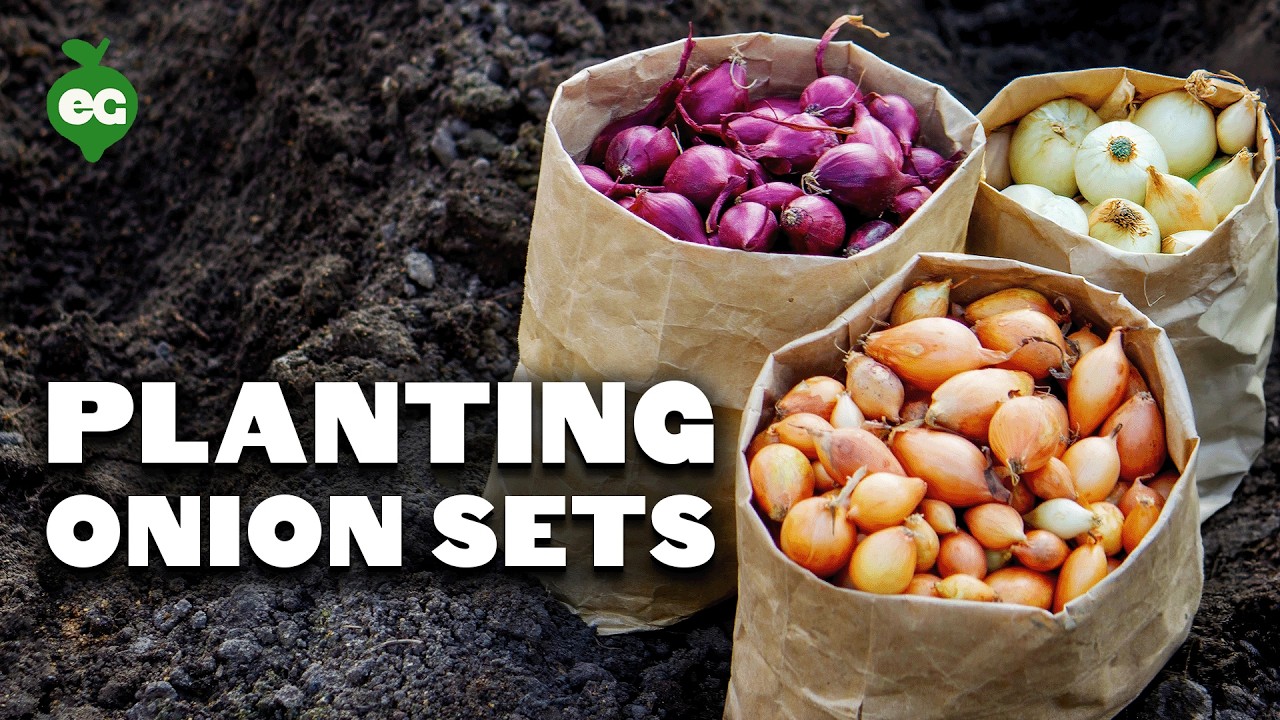
So, what exactly do you need to get this onion-growing party started? It's a refreshingly short list, and you probably have most of it already. First up, your star players: the onion sets. You can find these at your local garden center or even order them online. They come in various types – red, white, yellow – each offering its own unique flavor profile. Think of them as your flavor palette for culinary creations. A red onion might bring a sweet, mild bite to a summer salad, while a yellow onion is your go-to for that classic, robust flavor in stews and roasts. For pots, aim for varieties that are generally known to do well in containers or are described as "shallots" or "bunching onions," as these tend to be more compact.
Must Read
Next, let's talk pots. The beauty of growing in containers is the flexibility. You can have a mini onion patch on your balcony, a windowsill garden, or even tuck a few pots into a sunny corner of your patio. The key is drainage. Onions, like most plants, hate soggy feet. So, make sure your pots have plenty of drainage holes at the bottom. Terracotta pots are gorgeous and breathable, but plastic pots are lighter and retain moisture better, which can be a bonus if you're in a hotter climate. The size of the pot matters too. For a few onion sets, a pot that's at least 6-8 inches deep and 10-12 inches in diameter is a good starting point. If you're aiming for larger bulbs, go bigger. It's like giving your future onions a spacious penthouse suite – they'll thank you for it with plumpness.
Then there's the soil. Don't just grab any old dirt from the backyard. For container gardening, a good quality potting mix is your best friend. Look for something that’s light, airy, and well-draining. You want to avoid compacted soil that will suffocate those developing roots. A mix that contains compost or perlite is ideal. Think of it as a gourmet meal for your onion sets – they deserve the best to grow strong and healthy. Some gardeners like to add a bit of well-rotted compost to their potting mix for an extra nutrient boost, which is always a fantastic idea. It's like adding a secret ingredient to your family's favorite recipe.
And finally, the unsung hero: sunlight. Onions are sun-worshippers. They need at least 6-8 hours of direct sunlight per day to thrive. So, choose a spot that’s bathed in sunshine, whether that's a south-facing balcony, a bright patio, or a sunny windowsill. If your sun situation is a bit more… limited, don't despair. You might have to opt for smaller varieties or accept that your harvest might be a little less abundant. It’s all about working with what you've got, right? It’s the garden equivalent of making lemonade when life gives you lemons… or in this case, less sunshine.

Alright, now that we’ve got our supplies sorted, let's get our hands dirty! The actual planting process is incredibly straightforward, making it perfect for even the most gardening-averse individuals. It’s so simple, you might find yourself wondering if you’re doing it right. You are. Trust the process. First things first, fill your pots with your chosen potting mix, leaving about an inch or two of space from the rim. This is crucial for watering. You don't want water spilling over the sides like a toddler at a juice box party.
Now, let’s talk about the onion sets themselves. You'll notice they have a pointed end and a root end (which is usually flatter or a bit nubby). The pointed end is where the green shoots will emerge, and the root end is where the magic of anchoring and growth begins. So, here’s the golden rule: plant them root-end down. It’s counterintuitive for some, but believe me, the onion knows what it's doing. If you plant them pointed-end down, they'll likely struggle to establish themselves properly. It’s like trying to put on your shoes backwards – it might technically work, but it’s not going to be comfortable or efficient.
When you’re placing your onion sets, give them some breathing room. For larger pots, you can typically fit 3-5 sets, depending on the size of the pot and the variety of onion. Aim to space them about 3-4 inches apart. This ensures each onion has enough space to grow and develop without competing for resources. Think of it as a friendly little onion neighborhood – everyone gets their own plot of land.
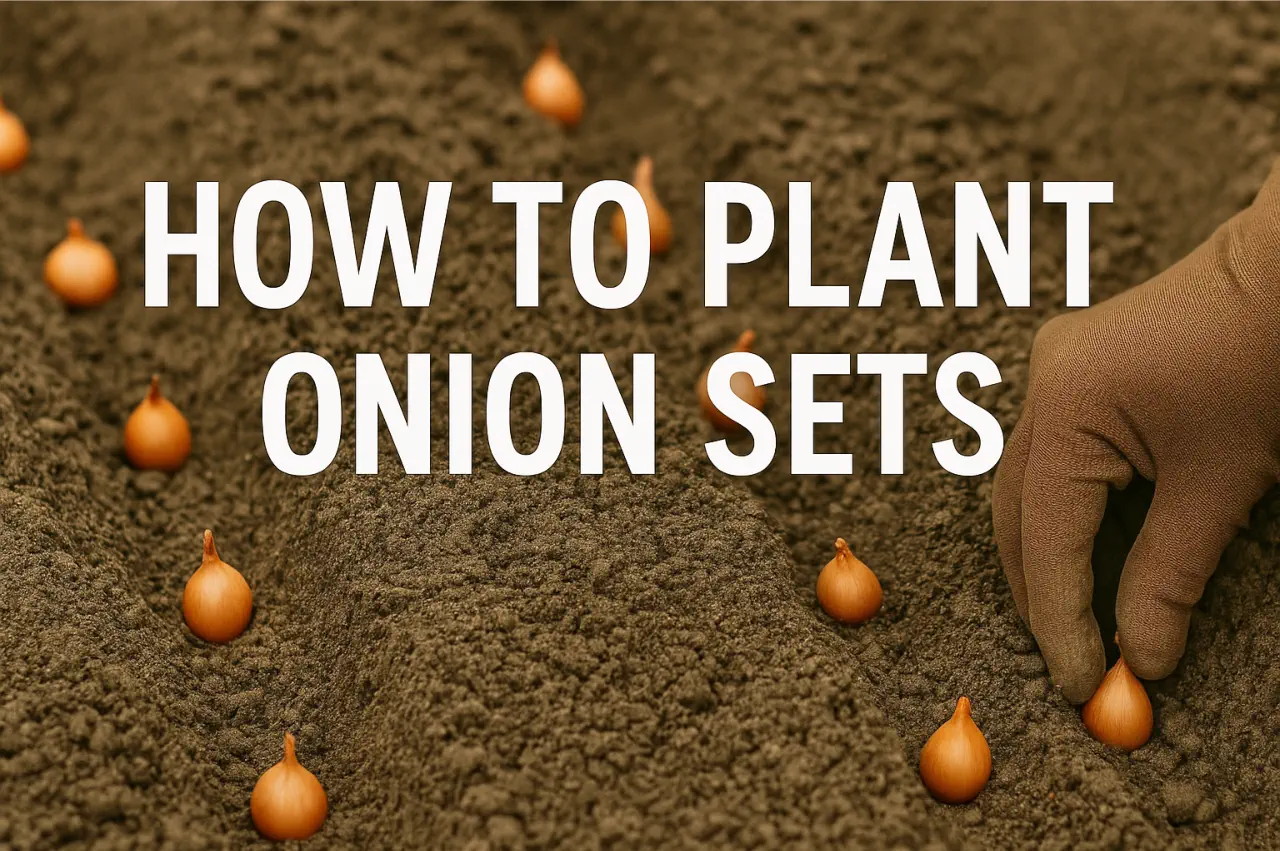
Next, gently push each set into the soil so that the tip is just peeking out or is completely covered by about an inch of soil. Different gardeners have slightly different preferences here. Some like to see the very tip of the set poking out, believing it encourages faster green growth. Others prefer to cover them completely with soil. Both methods can work, but covering them slightly usually provides a bit more protection. It’s like tucking your little onion sprouts into bed, keeping them snug and secure.
Once all your sets are nestled snugly in their new homes, it’s time for a good drink. Water them thoroughly. You want the soil to be evenly moist, but not waterlogged. Think of it as a gentle, refreshing shower. The initial watering is important for settling the soil around the sets and encouraging root development. After that, you’ll want to maintain consistent moisture. Don't let the soil dry out completely, but also avoid the dreaded "swamp" effect.
The watering rhythm is key. In warmer weather, you might need to water more frequently, perhaps every other day. In cooler, more humid conditions, you might get away with watering once or twice a week. The best way to tell if your onions are thirsty is to stick your finger about an inch into the soil. If it feels dry, it’s time to water. If it feels moist, you can hold off. It’s like listening to your plants’ whispers; they’ll tell you what they need.
Now, the waiting game begins. And while you wait, you can marvel at the wonder of nature. Within a couple of weeks, you should start seeing those first brave green shoots emerging from the soil. It’s a truly magical moment, like watching tiny green flags pop up, signaling that your onion adventure is well underway. These are your onion greens, and they're edible too! You can snip some of them off to add a mild onion flavor to salads or omelets. It’s a little bonus harvest even before you get your main bulbs.
![Step-by-Step Guide: How To Grow Onions In Pots - [Updated December 2025 ]](https://styves.co.za/wp-content/uploads/2023/09/step-by-step-guide-how-to-grow-onions-in-pots.jpg)
As your onions grow, you’ll notice the green tops getting longer and thicker. Keep them well-watered and in that sunny spot. If you notice any weeds popping up in your pots, gently remove them. Weeds are the freeloaders of the gardening world, stealing nutrients and water from your precious onions. It’s like decluttering your mental space; removing the unnecessary allows for better growth.
So, what are the signs that your onions are ready to be harvested? This is where the real excitement builds! The most common indicator is when the green tops start to yellow and fall over. This usually happens in late summer or early autumn, depending on when you planted them. When about half to two-thirds of the tops have fallen over, it’s a good sign that the bulbs underground have matured.
When harvest time arrives, it's a simple process. Gently loosen the soil around the base of each onion plant with a trowel or your hands. Then, carefully pull the onion out of the pot. It’s a satisfying feeling, like unearthing treasure. If the soil is dry, you might want to water the pot lightly a day or two before harvesting to make it easier to pull them out without damaging the bulbs.
Once you've harvested your beautiful homegrown onions, you'll need to cure them. This is an important step for long-term storage. Lay them out in a warm, dry, well-ventilated spot, out of direct sunlight, for about a week to ten days. The skins should become papery and dry, and the necks should seal up. This process helps prevent them from rotting.
After curing, you can trim off the roots and tops (saving the tops for future planting or propagation if you're feeling adventurous!). Store your cured onions in a cool, dry, dark place, and they'll last for months. Imagine, a pantry stocked with your very own onions! It’s a little slice of self-sufficiency that feels surprisingly empowering.
Growing onions in pots is more than just a gardening activity; it's a gentle nudge towards a more mindful and connected way of living. It's about slowing down, observing, and participating in the natural rhythm of growth. It’s about the quiet satisfaction of nurturing something from a tiny, unassuming bulb into a flavorful staple in your kitchen. In our fast-paced, often digitally driven lives, there's something incredibly grounding about the simple act of planting a seed (or a set!) and watching it flourish.
Every time you chop one of your own onions, you’re not just adding flavor to a dish; you’re adding a story. A story of sunshine, water, patient waiting, and your own two hands. It’s a reminder that even in the smallest of spaces, we can cultivate something beautiful and nourishing. So, the next time you're in the mood for a little green magic, or simply craving the freshest possible onion for your favorite recipe, remember the humble onion set. It's waiting patiently in its little pot, ready to bring a burst of homegrown goodness to your table and a little bit of garden joy to your everyday life. It’s a small act, but like a well-placed onion in a soup, it can elevate everything.

