How To Lower Ph In Fish Tank
Ah, the humble fish tank! For many of us, it's more than just a glass box filled with water; it's a miniature underwater world, a calming oasis in our busy lives. There's something incredibly therapeutic about watching colorful fish glide gracefully through their aquatic home, the gentle bubbling of the filter creating a peaceful soundtrack. And if you're a proud fish parent, you know that keeping these finned friends happy and healthy involves a bit of science, and a key part of that is understanding and managing their environment – specifically, the pH level of the water.
Now, before you start imagining complex laboratory experiments, let's demystify pH in your fish tank. Think of it as a scale that measures how acidic or alkaline your water is, ranging from 0 to 14. Most freshwater fish thrive in a neutral to slightly acidic range, usually between 6.5 and 7.5. Why is this so important? Because just like us needing the right temperature to feel comfortable, fish have specific pH requirements for their optimal health and survival. Incorrect pH levels can stress them out, weaken their immune systems, and even lead to serious health issues like gill damage or ammonia poisoning. So, maintaining the right pH isn't just a chore; it's an act of love and responsibility towards your aquatic companions.
You might be wondering, "When would I ever need to lower the pH?" It's a common concern for many aquarists, especially those keeping fish that originate from naturally softer, more acidic waters, like many South American species (think Tetras, Angelfish, or Discus). Sometimes, your tap water might be naturally more alkaline, or certain decorations and substrate materials can leach into the water, causing the pH to creep up. So, the ability to safely and effectively lower the pH is a valuable skill in the fishkeeping world.
Must Read
So, how do we go about this delicate operation? Thankfully, there are several practical ways to adjust your tank's pH. One of the most natural and popular methods is using driftwood or Indian almond leaves. These aquarium-safe items release tannins into the water, which can gradually lower the pH and even provide some beneficial antibacterial properties. Another common approach involves using specialized aquarium pH-lowering substrates. These can be a bit more direct but require careful monitoring. For a more immediate (but often temporary) fix, some aquarists use diluted solutions of phosphoric acid, but this should be approached with extreme caution and only after thorough research and understanding of the dosage. And, of course, regular water changes with a pre-tested, lower-pH water source are always a fundamental part of maintaining a healthy aquarium.
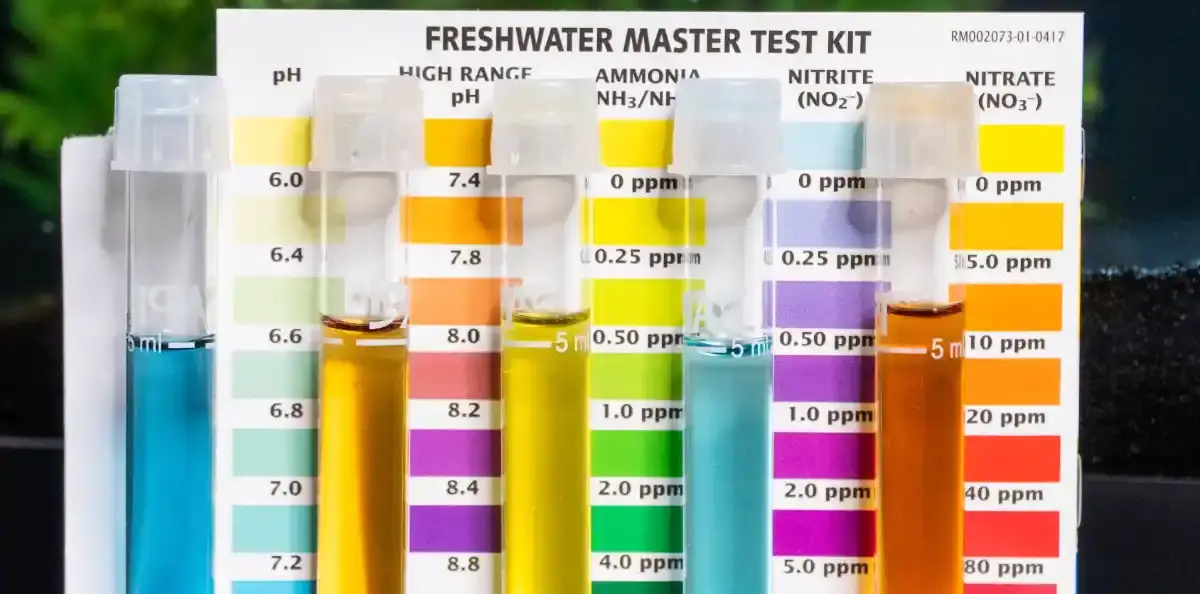
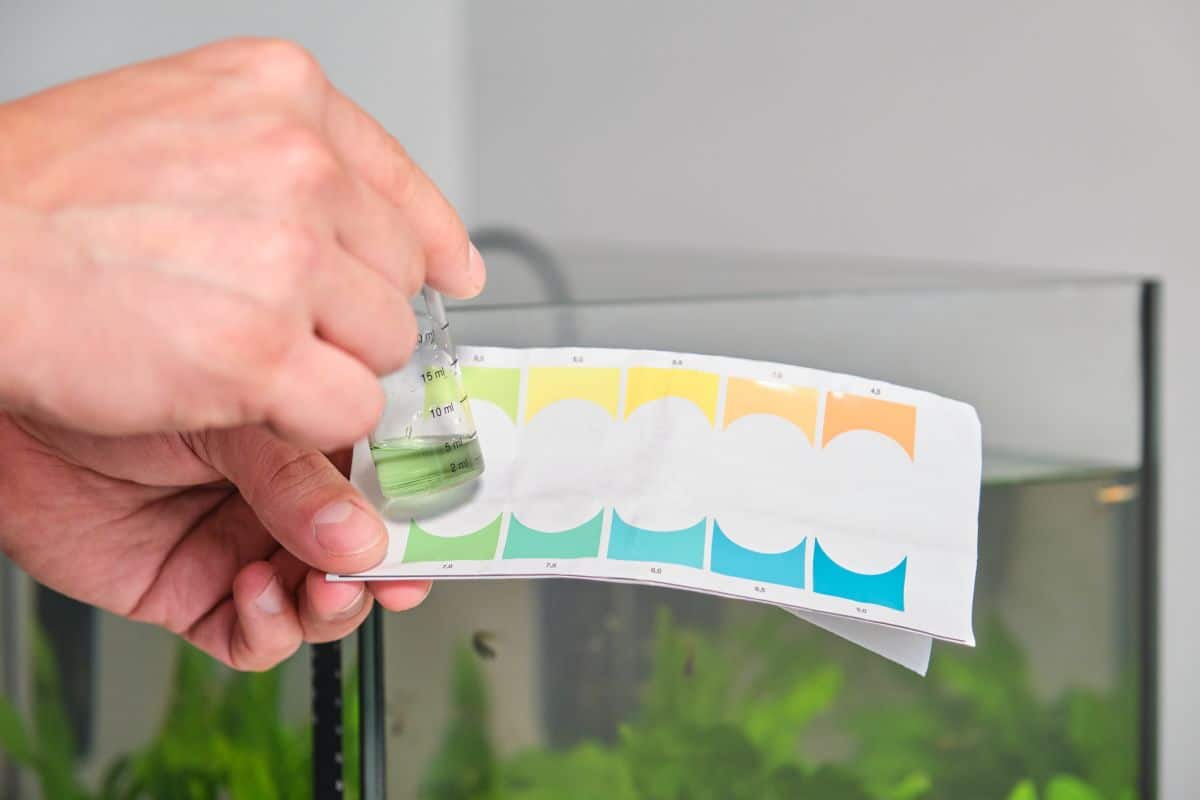
To really enjoy the process and ensure success, remember these key tips. First and foremost, always test your water before and after making any adjustments. Invest in a reliable pH test kit; it's your most important tool. Secondly, make changes gradually. Rapid pH shifts are incredibly stressful for fish. Think small, incremental adjustments over days, not hours. Thirdly, understand the source of your pH issues. Is it your tap water? Your substrate? Identifying the cause will help you choose the most appropriate and sustainable solution. Finally, don't be afraid to do your research and ask for advice from experienced aquarists or your local fish store. With a little knowledge and patience, you can create a perfectly balanced aquatic paradise for your beloved fish, ensuring they thrive in their beautiful, watery home.