How To Look After A Olive Tree
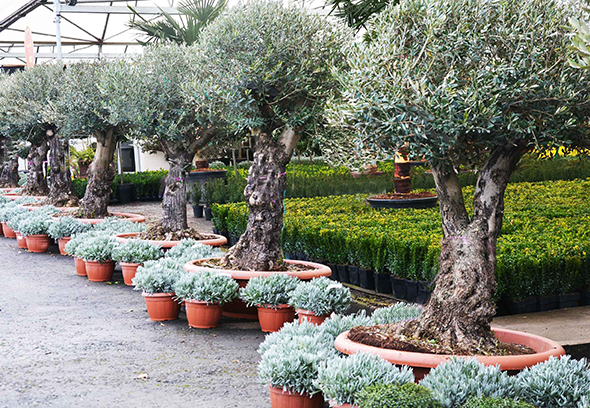
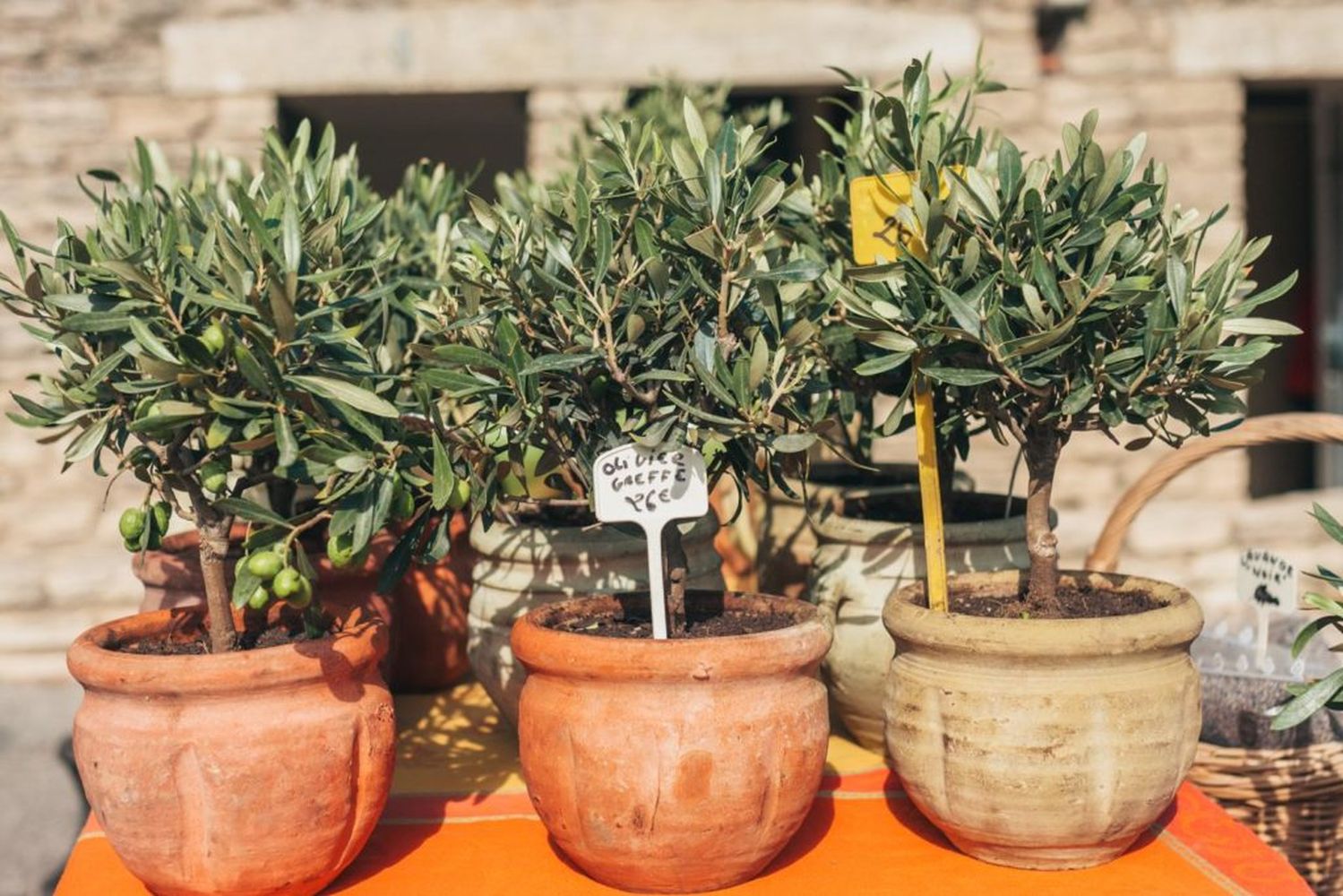
So, you've got yourself an olive tree! Maybe it’s a cute little sapling you picked up on a whim, or perhaps a more established, venerable specimen gracing your patio. Whatever the size, welcome to the wonderful world of olive tree ownership! These trees are like the quiet, wise elders of the plant kingdom. They’ve seen it all, weathered countless seasons, and have a certain je ne sais quoi that just makes you feel… calmer. And the best part? Looking after them isn't a chore; it's more like making a new, incredibly low-maintenance friend.
Think of your olive tree as that friend who’s super chill. They don't need constant attention, but when you do give them a little TLC, they really appreciate it. They’re not the type to demand daily spa treatments or a gourmet meal. A little sun, a bit of water, and the occasional snack is all it takes to keep them happy. And trust me, a happy olive tree is a thing of beauty. Those silvery-green leaves shimmering in the breeze? Pure magic.
Why Bother With An Olive Tree, Anyway?
Okay, let’s get real for a second. Why would you even want an olive tree? Well, besides the fact that they look absolutely stunning, like a little piece of the Mediterranean has landed in your garden (or on your balcony!), they offer a unique connection to nature. They’re a symbol of peace and longevity, which, let’s be honest, we could all use a bit more of in our busy lives. Plus, imagine the bragging rights! "Oh, this old thing? Just my olive tree. It’s been with me for years."
Must Read
And for those of you with a slight foodie streak (guilty as charged!), there’s the tantalizing prospect of eventually harvesting your own olives. Now, don't get your hopes up for a commercial olive oil operation overnight! It takes time, but the idea of snipping a few ripe olives off your own tree for a salad or a fancy cheese board? That's pretty darn special. It's like having your own miniature farm, without the early morning milking or chasing escaped chickens.
The Sunshine Situation: They Love It!
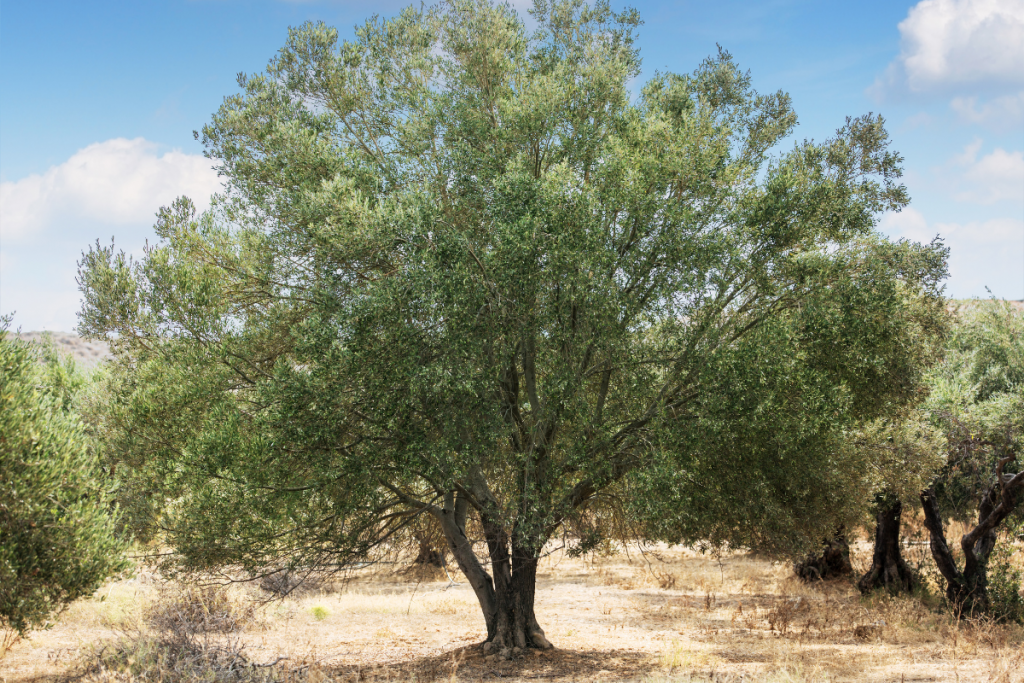
Olive trees are sun-worshippers, plain and simple. Think of them like your favourite holiday destination – the hotter and brighter, the better. They absolutely thrive in full sun. So, if you’ve got a spot that bakes in the afternoon sun, your olive tree will be doing a happy little jig there. South-facing walls, sunny patios, open garden spaces – these are all prime real estate for your olive pal.
If you live somewhere that’s a bit more, shall we say, temperate with its sunshine, don't despair! Even a few hours of direct sunlight a day will make them content. Just aim for the sunniest spot you’ve got. They'll soak it up like a sponge, turning those solar rays into energy to grow those gorgeous leaves and, eventually, those precious olives. It’s their main job, and they’re really good at it.

Watering Wisdom: Not Too Much, Not Too Little
This is where olive trees really earn their ‘low-maintenance’ badge. They’re not thirsty plants. In fact, overwatering is probably the quickest way to make them unhappy. They’re used to dry Mediterranean climates, so they actually prefer to dry out a bit between waterings. Think of it like this: would you want to be constantly wading through a swimming pool? Probably not. Your olive tree feels the same way.
The best way to figure out if it’s time to water is to stick your finger about an inch or two into the soil. If it feels dry, then it’s time for a good drink. If it feels moist, leave it be. In the summer, you might need to water more often, maybe once a week or so, especially if it’s particularly hot and dry. In the winter, when they’re taking a break and it’s cooler, you might only need to water once a month, or even less!
When you do water, give them a good soak. Let the water run all the way through the pot (if it's in one) until it drains out the bottom. This encourages the roots to grow deep and strong. It’s like giving them a big glass of water after a long day, rather than a sip of an espresso – a proper, satisfying drink.
Soil Secrets: Drainage is Key!
Olive trees are picky about their feet. They don't like sitting around in soggy soil. This is crucial, especially if your tree is in a pot. Good drainage is non-negotiable. Imagine trying to run a race with your shoes full of water – it’s not going to be a pleasant experience. For your olive tree, waterlogged roots can lead to root rot, which is a big no-no.

If you're planting in the ground, make sure the soil isn't heavy clay that holds water. If it is, you might want to amend it with some grit or sand to improve drainage. For potted olive trees, use a good quality potting mix that's specifically designed for drainage, or mix in some perlite or gravel yourself. A terracotta pot is also a good choice as it allows the soil to breathe and dry out more effectively than plastic.
Feeding Your Friend: A Light Touch
Olive trees aren’t big eaters. They’re perfectly happy with what nature provides. However, if your tree is in a pot and you want to give it a little boost, a light feed in the spring can be beneficial. Think of it as a gentle vitamin supplement, not a five-course meal.
A slow-release, balanced fertilizer is your best bet. Follow the instructions on the packet carefully, and remember that less is more. Overfeeding can actually be harmful. For trees planted in the ground, they often get all the nutrients they need from the soil naturally, so you might not need to feed them at all.
Pruning: The Stylish Haircut
Pruning an olive tree is less about strict rules and more about shaping and tidying. It’s like giving your friend a trim to keep them looking their best. The best time to prune is usually in late spring or early summer, after the risk of frost has passed and the tree has had a chance to recover from winter.
You'll want to remove any dead, damaged, or crossing branches. This helps with air circulation and keeps the tree healthy. You can also prune to maintain a desired shape or size. If you want to encourage fruit production, some light pruning can help too. Don’t be afraid to get in there with some clean, sharp secateurs! It's satisfying to see the difference you make. Just imagine you're giving it a stylish, breezy haircut.
Winter Woes (and How to Avoid Them)
This is where olive trees can be a little more sensitive, especially if you live in an area with harsh winters. While many olive varieties are hardy, prolonged periods of freezing temperatures and icy winds can be a problem.
If you have a young or particularly vulnerable tree, or if you live in a very cold climate, it’s wise to offer some protection during winter. You can wrap the trunk with fleece or hessian, especially for the first few years. For potted trees, the best bet is to move them to a sheltered spot, like against a warm wall, or even bring them into a cool greenhouse or conservatory. Just make sure it’s not too warm indoors, as they need a cool period to thrive.

The goal is to protect them from the harshest frost and wind. Think of it as putting on a cosy jumper and a scarf for your tree. It’s all about making sure they stay snug and safe until spring arrives.
Pest Patrol: Generally Healthy, But Keep an Eye Out
Olive trees are pretty tough cookies and don’t often fall prey to pests. They’re like the athletes of the plant world – usually in good health. However, occasionally, you might spot things like scale insects or aphids.
If you do notice any unwelcome visitors, the first line of defence is usually a good blast of water from the hose to dislodge them. If that doesn’t work, a natural insecticide like neem oil or insecticidal soap can be effective. It’s usually a quick fix, and your tree will be back to its sprightly self in no time.
Enjoy Your Olive Tree!
Looking after an olive tree is a journey, not a race. It’s about enjoying the process, observing your tree, and learning what it needs. They’re forgiving plants, and with a little bit of sunshine, the right amount of water, and a sprinkle of attention, you’ll have a beautiful, serene addition to your life for years to come. So, relax, enjoy those silvery leaves, and maybe, just maybe, one day you’ll be enjoying your very own homegrown olives. Cheers to that!