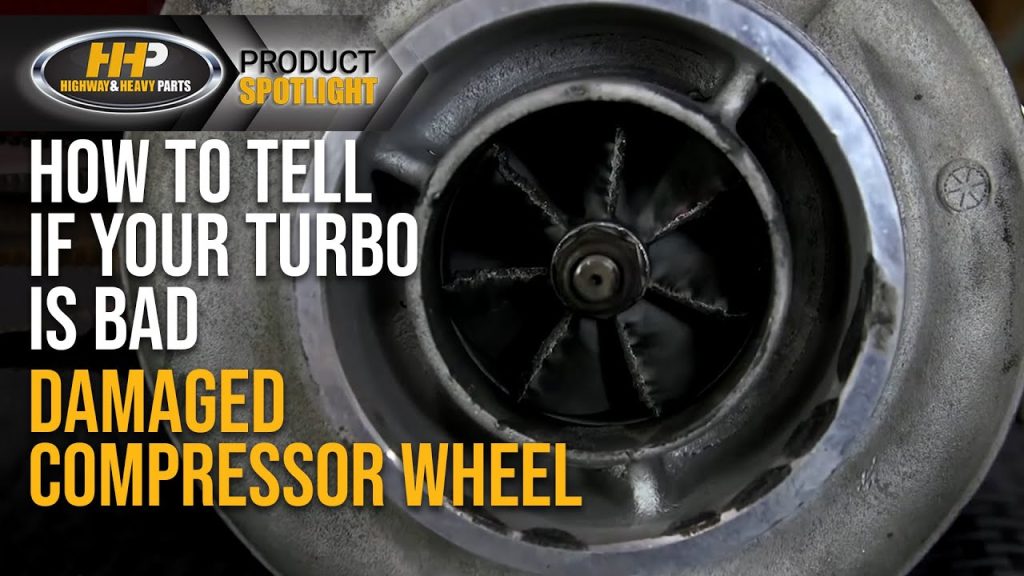
How To Know If Turbo Is Bad
So, picture this: I was cruising down the highway, feeling pretty smug in my slightly-less-than-new sedan. You know, the kind where the seats have that “lived-in” feel and the radio only reliably gets one station. Anyway, I decided to overtake a particularly slow-moving tractor (hey, it happens to the best of us!). I hit the gas, expecting that familiar, satisfying surge of power. Instead… nada. Just a pathetic wheeze, and the tractor, bless its agricultural heart, sailed ahead like it was in the Indy 500. My car sputtered, coughed, and generally acted like it had just remembered it was late for a nap. That, my friends, was my first, rather dramatic introduction to a potentially dying turbocharger.
Now, I’m no master mechanic. My mechanical skills extend to knowing which end of a wrench to hold (usually the wrong one). But that experience got me thinking. What exactly is a turbo, and how can you tell if yours is throwing in the towel before you end up staring down the rear bumper of a combine harvester?
Let’s dive in, shall we? Because let’s be honest, nobody wants their car to suddenly decide it identifies as a Prius on a downhill slope.
Must Read
So, What Exactly is This "Turbo" Thing?
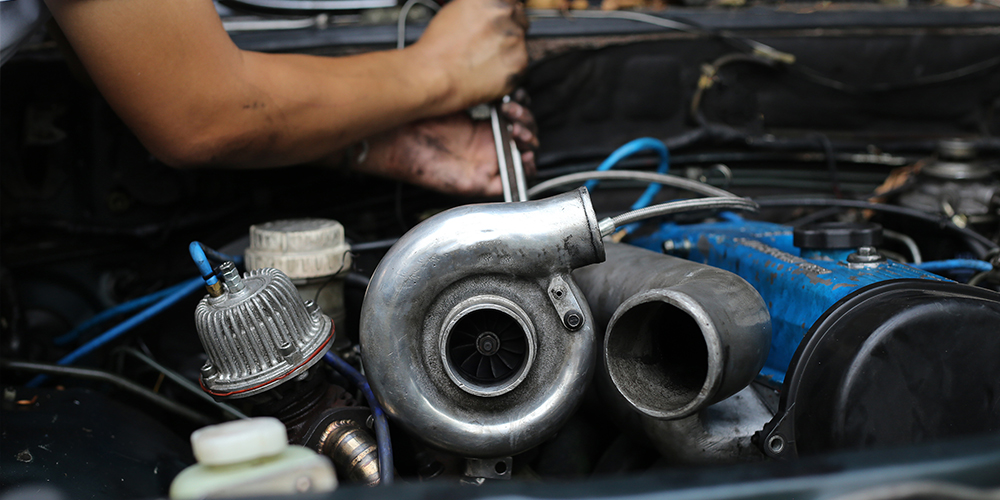
Alright, before we get to the nitty-gritty of what happens when your turbo goes rogue, let’s do a super quick, totally non-technical rundown of what a turbocharger even is. Think of it as a tiny, incredibly enthusiastic fan for your engine. It harnesses the waste energy from your exhaust gases – those yucky fumes you’re not supposed to breathe – and uses them to spin a turbine. This turbine, in turn, spins another wheel, called a compressor, which forces more air into your engine’s cylinders.
More air, plus more fuel (that’s the engine’s job, don’t worry), equals a bigger, more powerful bang inside the engine. And that, my friends, translates to more power for you to shove your car forward. It’s like giving your engine a shot of espresso. Niiiiice.
So, when it’s working, it’s a beautiful thing. A symphony of controlled explosions, all orchestrated by this little metal marvel. But, like anything that works really hard and gets super hot, turbos can eventually get… well, tired.

The Usual Suspects: Signs Your Turbo Might Be on Its Last Legs
The good news is, your turbo doesn’t usually just die silently in its sleep. It tends to give you some pretty clear (and sometimes alarming) signals that something’s not quite right. Think of them as its final, desperate pleas for attention. You just need to know what to listen (and look) for.
1. The Mysterious Loss of Power: It's Not Just a Bad Day
This is probably the most common and noticeable symptom. Remember my tractor incident? That was a classic case of the turbo phoning it in. You’ll notice your car feeling sluggish, especially when you try to accelerate. It’s like it’s trying, but it just can’t get that extra push.
You might feel it most when you’re trying to merge onto a highway, overtake someone (unless it’s a tractor, apparently), or even just go up a hill. That feeling of your car just… hesitating when it should be lunging forward? That’s a big red flag waving furiously.
It’s not just in your head. The turbo’s job is to force more air into the engine, and if it’s not doing its job efficiently, your engine simply won’t get the air it needs to produce optimal power. It’s like trying to run a marathon after a really big, heavy dinner. You’re not going to win any races.
2. The Unsettling Sounds: When Your Car Starts Singing the Blues (or the Grinding Blues)
This is where things get a bit more dramatic, and honestly, a bit scarier. A healthy turbo is relatively quiet. You might hear a slight whistle or a gentle whoosh when it spools up, which is totally normal and even a little bit cool. But when things go south, the soundtrack changes.
Listen for:
- A high-pitched whining or whistling sound: This can sometimes indicate a leak in the intake or exhaust system, or it could be the turbo itself straining. It’s often described as a siren-like noise.
- A grinding or rattling sound: This is the big one. This usually means the bearings inside the turbo are shot, or there’s internal damage. Think of tiny metal bits having a rave party inside your engine. Not good.
- A loud hissing sound: This often points to a leak somewhere in the boost pipes or the turbo itself. The pressurized air is escaping before it can do its job, and your car is making a very unhappy noise about it.
If you hear any of these sounds, especially the grinding or rattling, I’d recommend not driving your car very far. Seriously. Pull over, call a tow truck, and pretend you’re a character in an action movie who just had their getaway car mysteriously break down.
3. The Ominous Smoke Signals: Your Car is Trying to Tell You Something (Literally)
Ah, smoke. The universal sign that something is definitely not right. And when it comes to turbos, the color of the smoke can tell you a surprising amount.

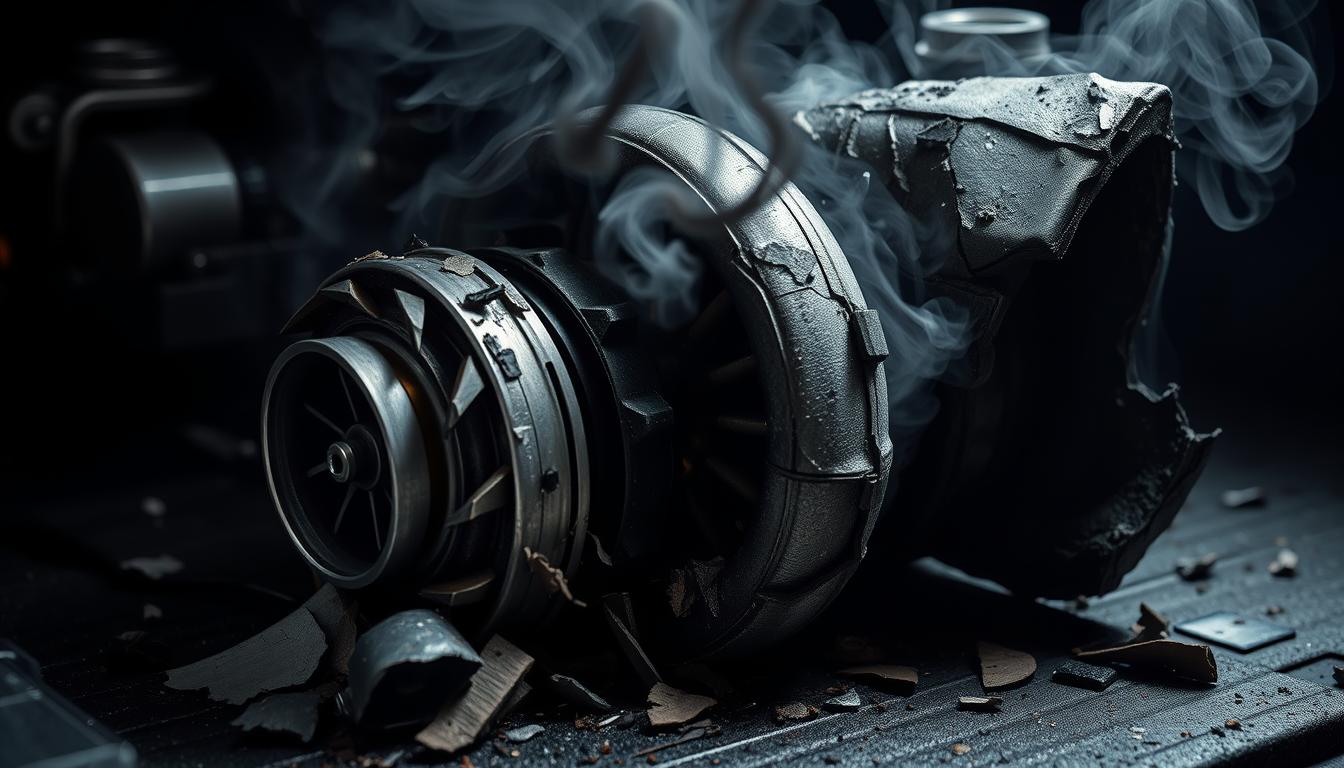
- Blue or bluish-grey smoke: This usually means your turbo is allowing engine oil to leak into the combustion chamber. The oil gets burned along with the fuel, and voila! Blue smoke. This is bad news, and it can lead to significant engine damage if left unaddressed. Your turbo’s seals might be worn out.
- Black smoke: While black smoke can sometimes indicate a fuel mixture problem, if it’s accompanied by other turbo symptoms, it could mean the turbo isn’t getting enough air or is malfunctioning in a way that causes rich fuel combustion.
- White smoke: This is usually associated with coolant leaks, which might not directly be a turbo problem, but a severely overheating engine (which can be exacerbated by a failing turbo) could lead to such issues.
So, if you’re looking in your rearview mirror and seeing a mini bonfire behind you, it’s time to investigate. And by "investigate," I mean find a mechanic, not a fire extinguisher.
4. The Check Engine Light: The Digital Finger-Pointing
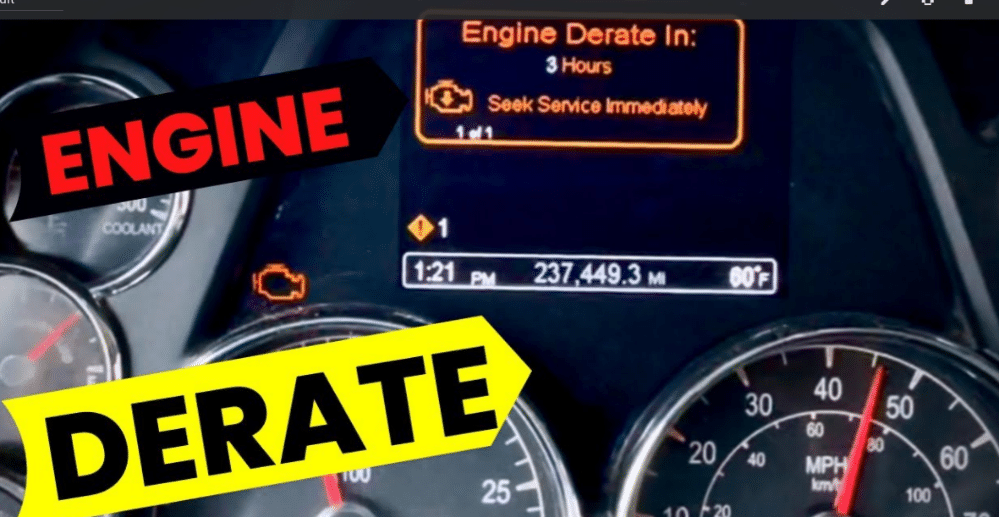
This is the car equivalent of your doctor saying, "We need to talk." The dreaded check engine light can illuminate for a gazillion reasons, but when it’s related to the turbo, it’s usually because the engine’s computer is detecting a problem with the boost pressure. It’s too high, too low, or the system isn’t performing as expected.
While the check engine light itself doesn’t definitively scream "BAD TURBO," it’s a strong indicator that something is amiss. If it comes on, especially in conjunction with any of the other symptoms we’ve discussed, it’s definitely worth getting a diagnostic scan done. Don’t just ignore it and hope it goes away. It rarely does, and it usually gets more expensive when it doesn’t.
5. Oil Leaks and Consumption: The Greasy Truth
Turbos require oil for lubrication and cooling. If you notice oil leaks around the turbocharger itself, or if you’re suddenly burning through oil at an alarming rate, it could be a sign that the turbo’s seals are failing. This is the same issue that often leads to that lovely blue smoke we talked about.
Keep an eye on your oil levels. If they’re dropping faster than your motivation on a Monday morning, and you can’t find any obvious leaks elsewhere, your turbo might be drinking up all that precious oil.
So, What Do I Do If I Think My Turbo is Kicking the Bucket?
First off, don’t panic. A failing turbo isn’t usually an instant “total car destruction” event, but it’s definitely something you don’t want to ignore. Here’s the sensible, non-dramatic approach:
- Stop driving if symptoms are severe: If you’re hearing grinding noises or seeing excessive smoke, it’s time to park it. Continuing to drive can cause further, more expensive damage to your engine.
- Get a professional diagnosis: This is where those lovely mechanics come in. They have the tools and the know-how to properly diagnose the issue. They can check for leaks, test boost pressure, and inspect the turbo for physical damage.
- Consider the age and mileage of your car: Turbos, like most car parts, have a lifespan. If your car is getting up there in years and miles, a turbo failure might be more of an expected maintenance item than a complete surprise.
- Compare repair costs vs. car value: Depending on the severity of the damage and the overall condition of your vehicle, you might need to weigh the cost of repairing or replacing the turbo against the value of the car itself. Sometimes, it’s just not economically viable to fix older cars.
It’s a bummer, I know. Nobody likes facing expensive car repairs. But on the flip side, a healthy turbo is what makes those turbocharged cars so fun to drive. That exhilarating surge of power? That’s the turbo working its magic. And when it’s not working, well, you’re left with the memory of what used to be.
So, keep your ears peeled, your eyes on the rearview mirror, and your fingers crossed. Hopefully, your turbo continues to serve you faithfully for many miles to come. And if not, at least you’ll be a little more prepared to recognize when it’s time for it to retire.