How To Know If Salmon Is Done

Ah, salmon! That beautiful, flaky pink fish that graces so many dinner plates. Whether you're a seasoned home chef or just starting your culinary journey, knowing when your salmon is perfectly cooked is a game-changer. It's not just about avoiding an undercooked, slightly mushy bite or a dry, disappointing morsel; it's about unlocking that tender, buttery texture and rich flavor that makes salmon so beloved. Plus, getting it right means impressing yourself and anyone you're cooking for!
For beginners, this is an essential skill. No more guesswork! You'll gain the confidence to prepare this healthy and delicious protein without fear. For families, it means ensuring everyone, from picky eaters to the most adventurous palates, enjoys a well-cooked, appealing meal. And for hobbyist cooks, it's about refining your technique, mastering a popular ingredient, and exploring different cooking methods with certainty.
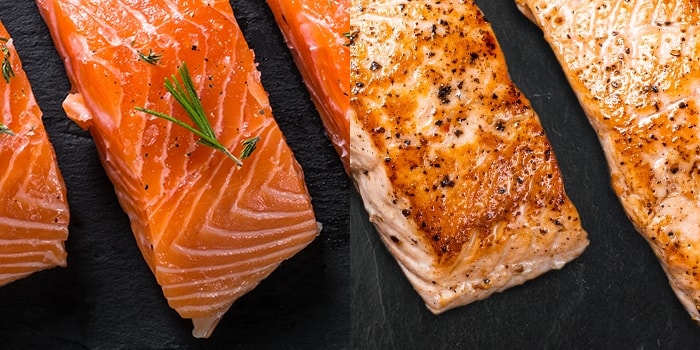
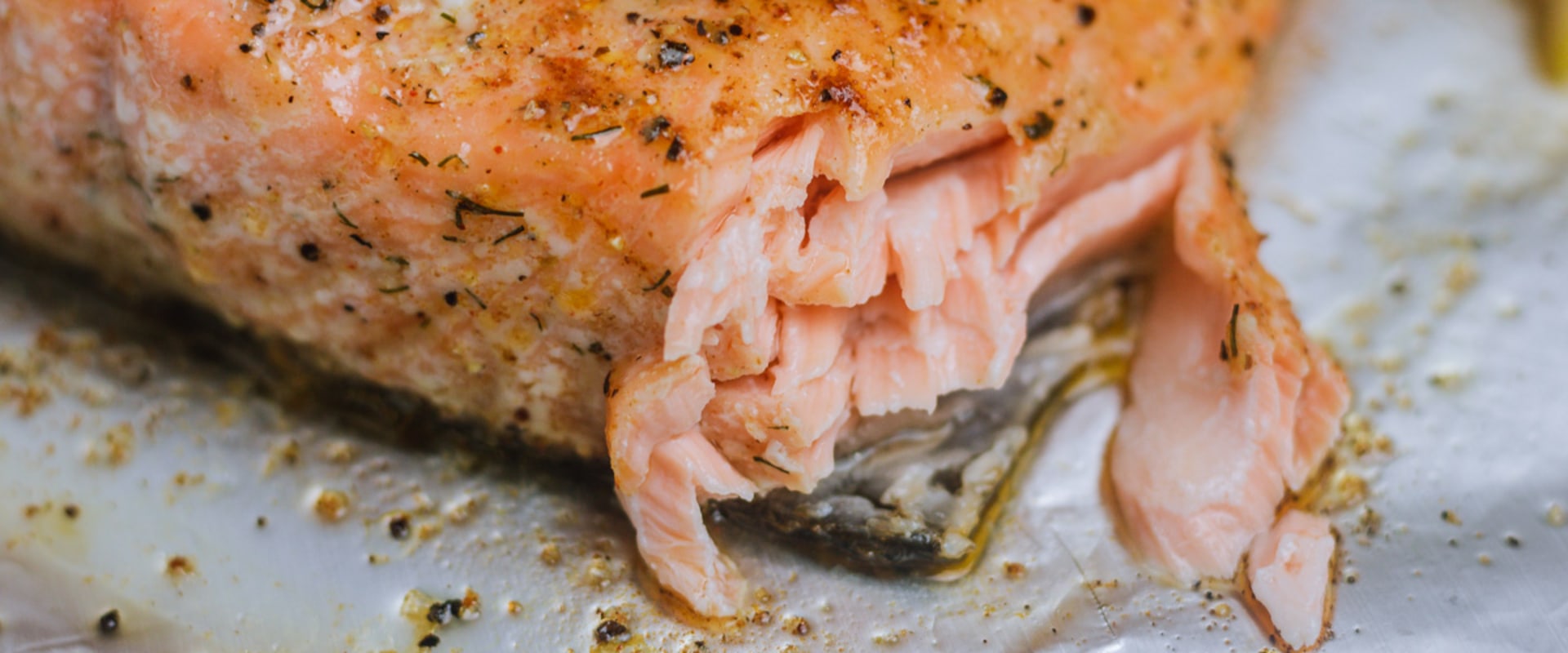
There are several easy ways to tell if your salmon is ready to dive into. The most common and arguably the simplest is the flaking test. Gently press down on the thickest part of the fillet with a fork. If it easily flakes apart into distinct, moist sections, it's done. You want it to separate easily, but not turn to mush. Another excellent indicator is the color. Raw salmon has a vibrant, translucent pink. As it cooks, the color will become more opaque, turning a lighter, more solid pink. You'll also see the tiny white dots (albumin) that sometimes appear on the surface – a little is okay, a lot might mean it's starting to overcook.
Must Read
For a slightly more precise approach, especially if you're using a thermometer, aim for an internal temperature of 125-140°F (52-60°C). For medium-rare to medium, 125-130°F is ideal, offering a wonderfully tender and moist result. If you prefer it more cooked, aim for 135-140°F. Remember, salmon will continue to cook a bit after you remove it from the heat, so pulling it off a degree or two before it reaches your target temperature is a smart move.
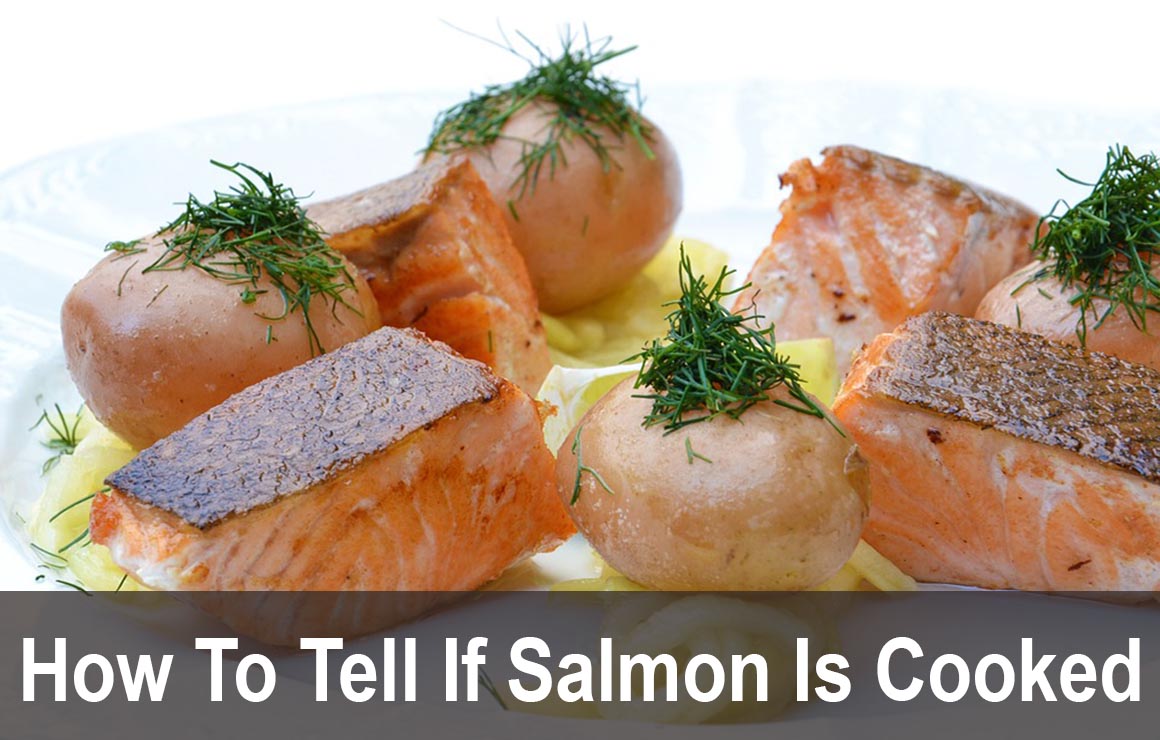
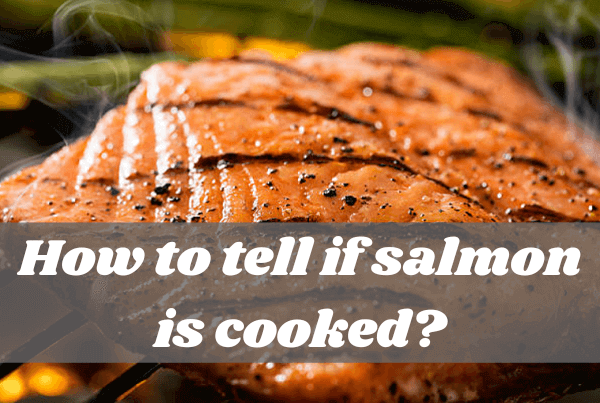
Think about the variations! Whether you're pan-searing, baking, grilling, or poaching, the signs of doneness are largely the same. For a beautifully seared crust, you'll still perform the flaking test. For baked salmon, the opaque pink and easy flaking are your guides. Grilling might give you some lovely char marks, but don't let them fool you; the internal texture is still the key.
Getting started is as simple as paying attention to these cues. Watch the fish as it cooks. Feel its texture gently with a fork. And if you have one, use a thermometer! It's an inexpensive tool that provides a lot of certainty. Don't be afraid to peek. Overcooked salmon is a sad sight, but with a little practice, you'll be a salmon-doneness expert in no time.
Mastering how to know if salmon is done is a rewarding skill. It transforms a potentially intimidating dish into a guaranteed success, bringing delicious, healthy meals to your table with confidence and ease. Happy cooking!