
How To Know If A Gold Is Real
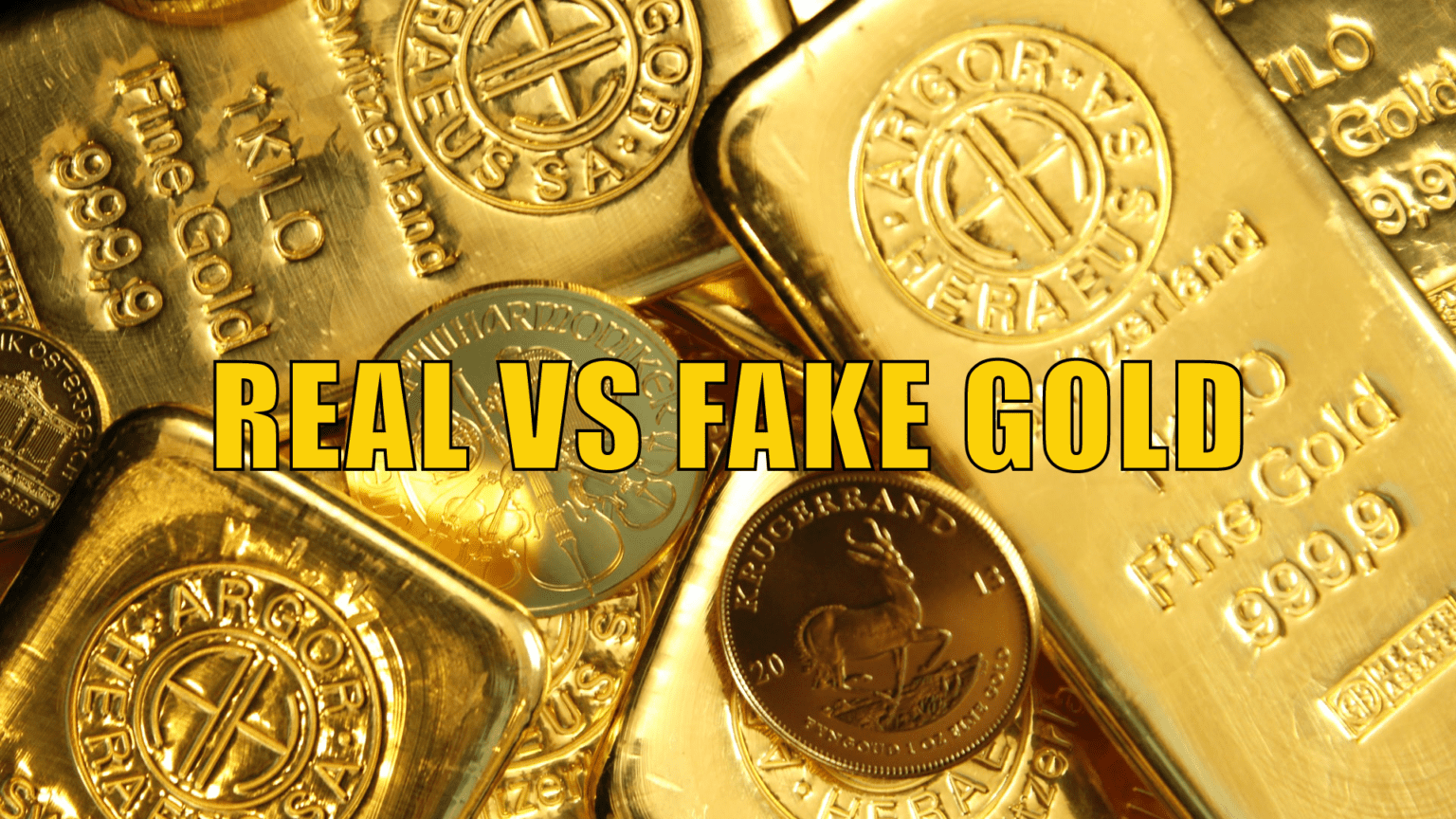
So, you've stumbled upon a shiny piece of treasure, huh? Maybe it's a dazzling ring from a mysterious antique shop, a bracelet inherited from a great-aunt who might have been a pirate, or just something you found tucked away in a dusty old box. Whatever the case, the question pops into your head: "Is this the real deal, or am I holding a very convincing piece of painted tin?" Fear not, my fellow treasure hunters! We're about to embark on a grand adventure to uncover the secrets of real gold, and it’s going to be easier than finding a needle in a haystack (and a lot more fun!).
Think of me as your friendly neighborhood gold guru, armed with nothing but common sense and a sprinkle of playful suspicion. We're not breaking out the fancy lab equipment or calling in the forensic jewelers. Nope, this is all about simple tricks and keen observation. Get ready to channel your inner detective, because we’re about to become gold-detecting wizards!
First things first, let’s talk about those tiny markings. Most real gold, especially jewelry, has a little secret it’s willing to share. Look for something that looks like a stamp or a tiny inscription. This is often where the magic happens, revealing the gold's purity.
Must Read
This stamp is usually on a less visible part of the item, like the inside of a ring band or the clasp of a necklace. It's like the gold's tiny birth certificate, telling you its lineage. If you can’t find anything, don’t immediately panic. Older pieces, or those from different countries, might have different marking systems or none at all. But a good starting point is always to hunt for those little letters and numbers.
What are we looking for in these mystical markings? The most common indicators for gold purity are numbers followed by "K" or "karat." Think 10K, 14K, 18K, or even 24K. The higher the number, the more pure gold it is. 24K is basically pure, unadulterated, sunshine-yellow goodness!
You might also see numbers like 417, 585, or 750. These are the metric equivalents. For example, 585 means 58.5% gold, which is the same as 14K. It’s like a secret code for the discerning treasure hunter. Don’t get flustered by the different systems; it’s all just different ways of saying "This is some fancy stuff!"
Now, what if there are no markings? Don’t throw your sparkly find out the window just yet! Some very old pieces, or artisan-made items, might not have these standard stamps. This is where we move on to some more hands-on (but still super easy!) testing methods. Think of it as a gold-themed Rorschach test.

One of the simplest ways to get a clue is the magnet test. Real gold is not magnetic. So, grab a magnet – not your fridge magnet, you need something a bit more robust, like a strong craft magnet. Gently hold it near your gold piece. If your treasure piece leaps into the magnet's embrace like a long-lost lover, chances are it’s not pure gold. It might be something else masquerading as gold, like brass or iron, which are definitely magnetic.
However, a word of caution! Some clasps or internal parts of jewelry might contain small springs or pieces made of magnetic materials to help them function. So, while a strong magnetic attraction is a big red flag, a slight attraction to a small part doesn't automatically mean your whole piece is fake. It’s a bit like checking if your unicorn has real wings; you need to look at the whole majestic creature!
Next up, let’s talk about the density. Gold is heavy. Like, really, surprisingly heavy. If you have a piece that feels super light for its size, it might be a sign that it’s hollow or made with less dense materials. Imagine holding a solid lead fishing weight versus a similarly sized Styrofoam ball – there's a big difference in heft!
You can do a rough density test yourself. Get a small bowl of water and a measuring cup. Carefully submerge your gold item and note how much the water level rises. Then, weigh your gold item. You can then roughly estimate its density. If it feels too light for its volume, or if the calculations are way off from what gold should be, it’s another hint.

This test requires a bit more precision to be definitive, but the basic idea is: real gold has a satisfying weight to it. If your "gold" bracelet feels like a feather, it might be time to rethink its golden status. Unless, of course, it's a hollow fashion piece made to look like gold, which is a whole different ballgame!
Now, for a slightly more involved, but still very doable, test: the ceramic plate test. This one comes with a bit of a dramatic flair, so gather your courage! You’ll need an unglazed ceramic tile or plate. Find a spot that’s not too obvious, like the underside of a piece of jewelry or the edge of a coin.
Gently rub the gold item across the unglazed ceramic surface. If it leaves a gold streak, congratulations, you're likely holding the real deal! This happens because gold is soft enough to leave a mark. If, on the other hand, it leaves a black streak, or no streak at all, it’s a strong indicator that it’s not real gold. It’s like the gold is saying, "I'm so genuine, I’ll even leave my mark!"
The caveat here is that if the gold is very thinly plated, you might scratch through to a different metal underneath, which could give a misleading result. Also, don't go vigorously scrubbing your precious heirloom; a gentle rub is all you need for the test! We're aiming for information, not destruction.
Let’s talk about another important aspect: the color and shine. While this can be subjective, real gold has a certain warmth and richness to its color that is hard to replicate. It doesn't typically look brassy or have an overly dull, lifeless sheen. It should gleam with a natural, inviting glow.

Think about the difference between a truly golden sunset and a hastily painted imitation. Real gold possesses that deep, inherent brilliance. If a piece looks too perfect, almost artificial, or has a hue that seems a bit "off," it might be worth investigating further. Sometimes, the eyes can tell a story, and real gold has a very particular narrative.
And what about that pesky tarnish? Real gold, especially higher karats like 18K and 24K, doesn't really tarnish. It might get a bit dirty or smudged over time, but it won't develop that greenish or blackish patina that base metals often do. If your gold piece is looking decidedly… un-gold-like, with discoloration, that’s a big warning sign.
Of course, lower karats of gold, like 10K, contain more other metals and can react with certain chemicals over time, showing some slight discoloration. But extensive, unsightly tarnishing is usually a sign that it’s not genuine gold. It’s like a signpost that says, "Proceed with caution, and maybe bring a magnifying glass!"
One more fun trick: the acid test. Now, this one is for the truly adventurous, and it’s best done with caution and maybe even a little eye protection. You can buy gold testing kits online or at some jewelry supply stores. These kits come with different acids, each designed to test specific karats of gold.

You'll typically scratch a tiny bit of metal from your item onto a testing stone, and then apply a drop of the corresponding acid. The reaction (or lack thereof) will tell you the karat of the gold. If the acid eats away at it like a tiny, hungry monster, it’s probably not real gold. If it just sits there looking bored, then your gold is likely authentic!
This test is generally quite reliable, but remember, always follow the kit’s instructions very carefully. Acids can be tricky things, and we want to test the gold, not our own well-being. If you're unsure, it's always best to skip this one and stick to the easier methods.
Finally, when in doubt, trust your gut and consider a professional opinion. If you have a piece that’s particularly valuable or sentimental, and you’re still on the fence, take it to a reputable jeweler. They have the tools and expertise to give you a definitive answer. Think of it as consulting a wise elder for their golden wisdom!
They can perform more sophisticated tests, like using an X-ray fluorescence (XRF) analyzer, which is like a super-powered scanner for metals. It’s the ultimate gold reveal, and it will tell you exactly what you’re holding. So, while our fun home tests are great for getting a good idea, a professional can offer absolute certainty.
Ultimately, knowing if gold is real is about combining a few simple observations and tests. It’s about being a little bit curious, a little bit skeptical, and a whole lot of fun. So go forth, armed with your newfound knowledge, and examine your treasures with confidence. May your gold be ever so real, and your discoveries be always dazzling!

