How To Know How Old A Tree Is
Ever looked up at a towering oak or a graceful willow and wondered, "How old is that magnificent thing?" It’s a question that sparks a sense of wonder and connection to the natural world. Knowing a tree's age isn't just a fun bit of trivia; it can tell us a lot about its history, the environment it’s grown in, and even the stories it could tell if it could speak!
For beginners, it’s a simple way to start appreciating the slow, steady life of trees. It’s like learning to tell time by looking at a sundial instead of a digital clock – there’s a certain charm to it. Families can turn this into an exciting outdoor adventure. Imagine your kids excitedly counting rings on a fallen log, making it a hands-on science lesson that’s anything but boring. For hobbyists, whether you're a budding botanist, a nature photographer, or just someone who loves a good walk in the park, understanding tree age adds a deeper layer to your observations. You can begin to understand the history of a landscape just by looking at the trees.
Now, the most famous way to know a tree's age is by counting its growth rings. When a tree is cut down, you can see these rings on the stump. Each ring represents one year of growth. A wide ring usually means a good year with plenty of sunlight and water, while a narrow ring might indicate a tough year with drought or competition. It’s like a tree’s personal diary, etched in wood!
Must Read
But what if the tree is still standing tall and proud? Don't worry, we have a few tricks up our sleeves! One popular method is the "ring count estimation". This involves measuring the circumference of the tree’s trunk (the distance all the way around) at about chest height. Then, you can use a simple formula. For many common trees, you can estimate the age by dividing the circumference by a specific number, often around 2.5. So, if a tree's circumference is 100 inches, you might estimate its age to be around 40 years (100 / 2.5 = 40). Keep in mind this is an estimate, and different tree species grow at different rates. For instance, a fast-growing poplar will have a larger circumference than a slow-growing oak of the same age.
Another interesting variation is looking at the bark. While not an exact science, older trees often have thicker, more furrowed, or deeply grooved bark compared to younger trees of the same species. Think of a baby's smooth skin versus an elder's wise wrinkles – trees are similar!
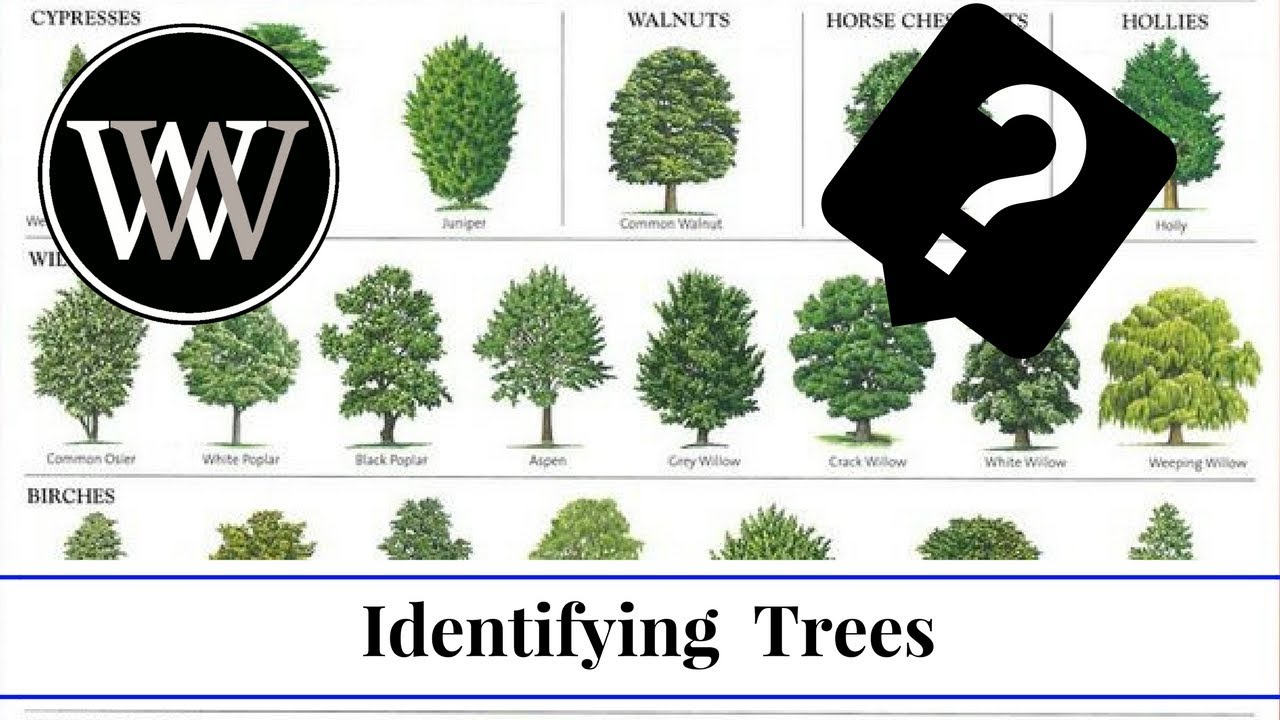
Getting started is super easy! Grab a measuring tape. Go for a walk in your local park, forest, or even your backyard. Find a tree that has been cut down, if possible, and gently examine its stump. If not, find a standing tree and measure its circumference. You can do this by wrapping the tape measure around the trunk at about 4.5 feet (or 1.4 meters) from the ground. Make a note of the measurement and the type of tree if you know it. You can then look up average growth rates for that species online to get a rough idea of its age. It's a fantastic way to connect with nature and become a more informed observer.
So, the next time you’re out and about, take a moment to look at the trees around you. Estimating their age adds a whole new dimension to their story, turning a simple walk into a fascinating journey through time. It’s a simple pleasure that connects us to the enduring beauty and quiet wisdom of the natural world.