How To Keep A Pond Water Clear
So, you’ve got a pond. Awesome! Whether it’s a majestic koi haven or just a charming little water feature in your backyard, there’s something undeniably peaceful about having a bit of nature’s sparkle right outside your door. But let’s be honest, sometimes that sparkle can turn into a bit of a murky mess, right? And then you’re left wondering, “What’s going on in there?”
Don’t worry, fellow pond pals! Keeping your pond water crystal clear isn't some mystical art reserved for ancient water wizards. It’s more like understanding a tiny, aquatic ecosystem and giving it a little nudge in the right direction. Think of it like tending a garden, but instead of flowers, you're cultivating a thriving underwater world. Pretty cool, huh?
Why even bother with clear water, you ask? Well, beyond the obvious “it looks way better,” clear water means your aquatic buddies, if you have any, can actually see each other! Imagine trying to make friends in a foggy room all the time. Not ideal, is it? Plus, clear water is a sign of a healthy pond. It means the good guys (think beneficial bacteria) are winning the battle against the not-so-good guys (like algae that loves to throw a green party when you’re not looking).
Must Read
Alright, so where do we start this clear-water quest? Let’s dive in, shall we?
The Great Algae Debacle: Your Pond's Arch-Nemesis (or Tiny Green Roommate)
Ah, algae. The bane of many a pond owner’s existence. It’s that fuzzy green stuff that can turn your pristine water into pea soup faster than you can say “uh-oh.” But here’s the thing: a little bit of algae isn’t the enemy. It's actually part of the natural cycle. It’s when it explodes that we’ve got a problem.
So, what fuels this green frenzy? Usually, it’s too much sunlight and too many nutrients hanging around. Think of it like a super-sized buffet for algae. If your pond is basking in direct sun for most of the day, you’re basically handing algae an invitation to a rave. And if you’ve got stuff decomposing in there, like fallen leaves or uneaten fish food, that’s just adding extra goodies to the algae’s party platter.

Sunlight: Your Pond's Solar Panel (Too Much of a Good Thing?)
We all love a bit of sunshine, but for your pond, a little goes a long way when it comes to preventing that green gloom. Is your pond practically a sunbathing champion? If so, you might want to explore some ways to give it a bit of shade.
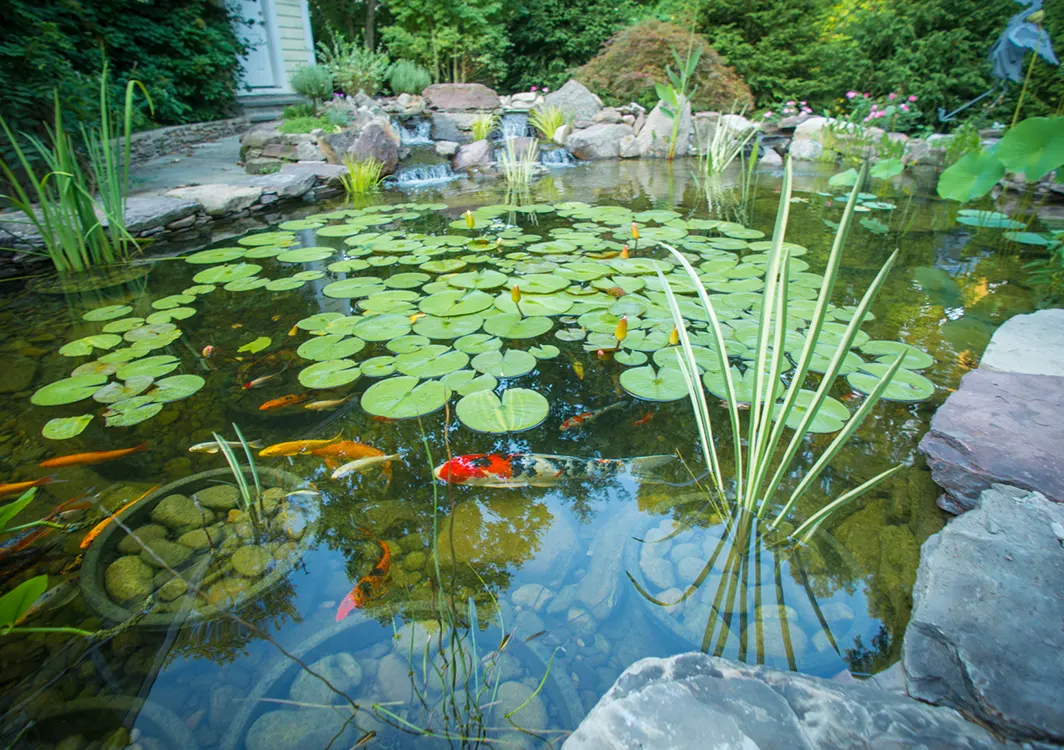
This doesn’t mean you have to build a giant umbrella over your pond (though that might be a fun project!). You could strategically plant some water lilies or floating plants. They act like natural parasols, casting cool shadows and helping to keep the water temperature down. Plus, they look gorgeous! Or, perhaps some taller plants or even a small shrub nearby could offer some dappled shade during the hottest parts of the day. It’s all about finding that sweet spot – enough light for any plants you want to thrive, but not so much that algae throws a full-blown disco.
Nutrient Control: The "Less is More" Philosophy
Remember that algae buffet? We need to limit the spread of those nutrient-rich invitations. A big culprit is often overfeeding your fish. Seriously, it’s a common mistake! Fish are like us; they’ll eat until they’re stuffed, and any excess food just sinks to the bottom and starts to break down, releasing those precious nutrients that algae just adores.
Feed your fish only what they can eat in a few minutes, once or twice a day. And if you have a lot of decomposing leaves or debris in your pond, it’s a good idea to skim them out regularly. Think of it as a gentle de-cluttering for your underwater paradise. A fine-mesh pond net is your best friend here. Regular clean-ups prevent the pond from becoming a compost bin for algae fuel.
The Power of Plants: Nature's Own Water Filters
Okay, this is where things get really interesting. Plants are like the superheroes of your pond! Not only do they look beautiful, but they actively help keep your water clean. How? Well, they soak up those excess nutrients that algae would otherwise feast on. It’s like a natural competition, and the plants are here to win!
You’ve got a few types of plant superheroes to consider. Submerged plants, like hornwort or anacharis, live entirely underwater. They're like tiny underwater vacuum cleaners, constantly filtering the water. Then there are the floating plants, like water hyacinth or water lettuce. These guys are the shade-casters we talked about earlier, but they also absorb nutrients directly from the water surface.
And let’s not forget the emergent plants, which have roots in the pond but grow above the water line, like irises or reeds. They help create a balanced ecosystem and provide habitat for beneficial insects. So, the more plants you have, the more helpers you have in the fight for clear water. It's a win-win-win situation: beautiful, healthy, and clear!

The Unsung Heroes: Beneficial Bacteria
This is where it gets a bit scientific, but stick with me, because it’s fascinating. Your pond is teeming with microscopic life, and some of it is incredibly important for keeping things clean. We’re talking about beneficial bacteria. These little guys are the cleanup crew of your pond.
They work by breaking down waste products, like fish waste and decaying organic matter, into less harmful substances. Without them, your pond would quickly become a toxic soup. You can actually help these bacteria along! Introducing a good quality pond bacteria starter can give your microbial workforce a serious boost. It’s like sending in reinforcements to help with the cleanup. You can find these starters at most pond supply stores. It’s a simple step that makes a huge difference.
Filtration: Giving Your Pond a Helping Hand
While nature does a lot of the heavy lifting, sometimes our ponds need a little mechanical assistance. That’s where filters come in. Think of a pond filter as the pond's personal gym instructor, keeping everything in shape and efficient. There are different types, but generally, they work by circulating water through various media (like sponges or biological filters) that trap debris and provide surfaces for those beneficial bacteria to hang out on and do their thing.
A good filter system is crucial, especially if you have fish. It’s not just about removing visible gunk; it’s about providing a home for your essential bacterial buddies. Make sure you choose a filter that’s appropriately sized for your pond. A filter that’s too small is like asking a tiny hamster to clean up a whole stadium – it’s just not going to cut it!
And don’t forget to clean your filter! Just like anything else, they need a bit of maintenance to stay effective. But be gentle! You don’t want to sterilize it and kill off all those hard-working bacteria. Usually, a good rinse in some pond water (not tap water, which can be harmful) is all they need.
The Water Change Question: A Refreshing Dive
So, should you be doing water changes? It’s a common question, and the answer is… sometimes. For smaller ponds, especially those without fish, a partial water change can be beneficial every now and then to help dilute any accumulated waste or chemicals. Think of it like giving your pond a refreshing shower.
However, for larger, established ponds with a good balance of plants and filtration, frequent or large water changes aren’t always necessary and can sometimes disrupt the ecosystem. The key is to observe your pond. If the water quality is good and your pond looks healthy, there's no need to fix what isn't broken. If you do a water change, always remember to treat any new water with a dechlorinator before adding it to the pond, as chlorine can be harmful to fish and beneficial bacteria.
Ultimately, keeping your pond water clear is about fostering a healthy, balanced ecosystem. It’s a journey, not a destination, and the rewards are a beautiful, tranquil space that you can enjoy for years to come. So, embrace the process, have fun with it, and before you know it, you’ll be gazing into a sparkling oasis that makes you feel like you’ve stepped into a postcard!