How To Invest In S & P 500
Alright, settle in, grab your latte (or your suspiciously green juice, I don't judge), and let's chat about something that sounds super fancy but is actually, dare I say it, kinda like ordering the most popular dish on the menu. We're talking about investing in the S&P 500. Now, before your eyes glaze over and you start picturing guys in pinstripe suits yelling into phones like it's the plot of an old movie, let me assure you, this is way more chill. Think of it as dipping your toes into the kiddie pool of the stock market, but this kiddie pool is filled with the biggest, baddest, and most beloved companies in America. Like, the ones you’ve probably bought stuff from today. No joke.
So, what exactly is this mystical S&P 500? Imagine a party. Not just any party, but the ultimate insider party for the 500 largest, most influential companies in the United States. We’re talking Apple, Microsoft, Amazon, Google (or Alphabet, as they like to call themselves when they’re feeling fancy), Coca-Cola – you know, the usual suspects who are basically running the world. The S&P 500 is like a super-index that tracks how well these 500 giants are doing collectively. If they’re all doing great, the S&P 500 goes up. If they’re having a collective existential crisis, it might go down. It's like a really, really big popularity contest, and these companies are the prom queens and kings.
Why would you even want to invest in this S&P 500 party? Well, for starters, it's like having your money work for you while you're busy perfecting your sourdough starter or binge-watching that new show everyone's talking about. Instead of you doing all the heavy lifting, you’re essentially saying, "Hey, big companies, do your thing, and maybe throw some of that sweet, sweet profit my way." It’s the ultimate delegation of financial responsibility, and who doesn't love that? Plus, it’s a lot less stressful than trying to pick the next it stock. Remember that time you thought investing in a company that made novelty singing fish was a good idea? Yeah, the S&P 500 probably did better.
Must Read
Okay, So How Do I Actually Get In On This Party?
This is where things get exciting, folks. You don’t need a secret handshake or to know a guy who knows a guy. You need a brokerage account. Think of this as your golden ticket to the S&P 500 wonderland. There are tons of them out there, like Fidelity, Charles Schwab, Robinhood (the one that looks like it was designed by a millennial who loves rainbows), and many more. They’re basically the bouncers who let you into the club. You'll need to sign up, link your bank account (don't worry, it’s safe – unless you’re transferring money from a bank that only accepts payment in seashells), and then you’re ready to roll.
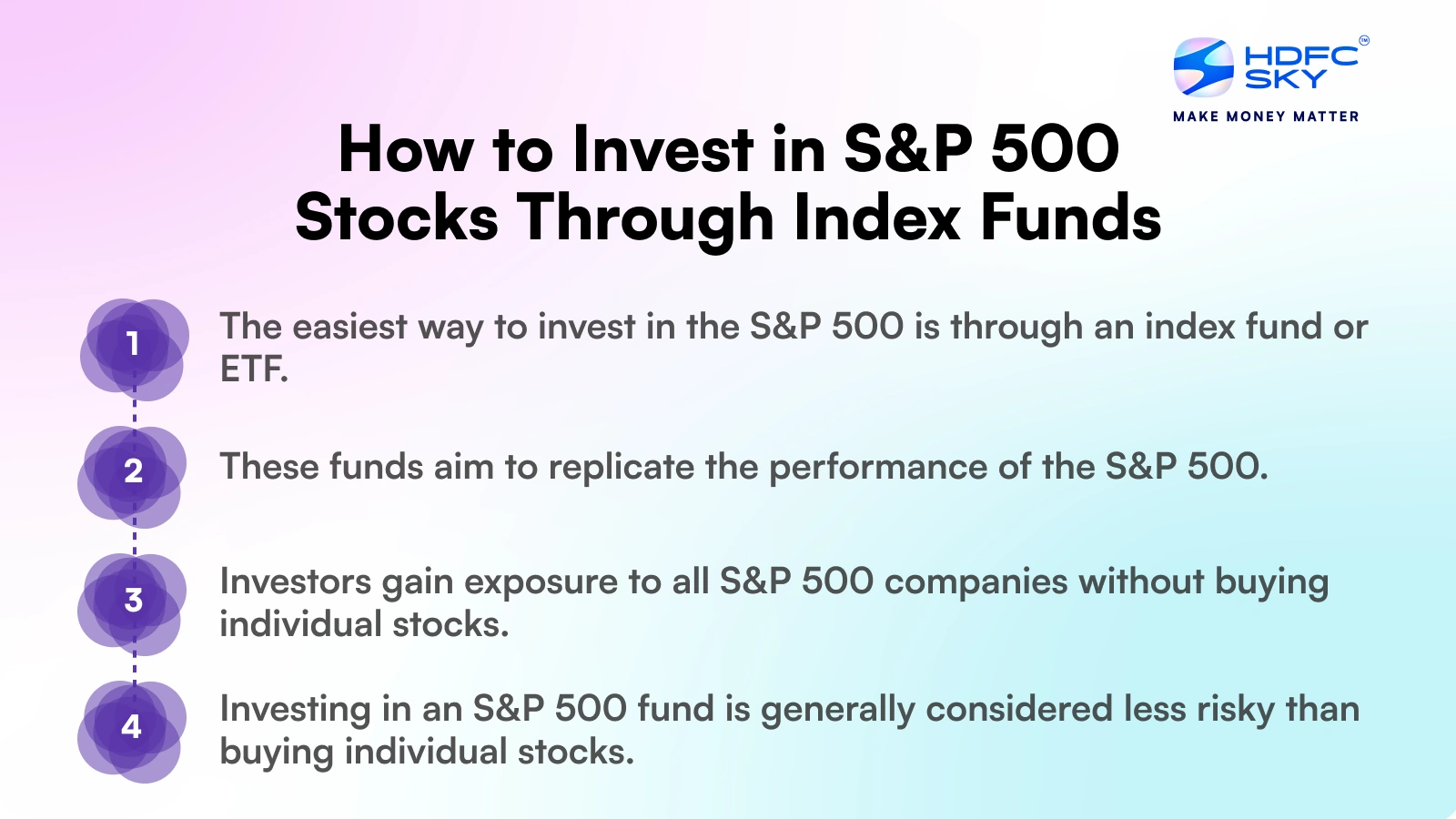
Once you’ve got your shiny new brokerage account, you can't just walk up to a physical representation of the S&P 500 and slap some cash on it. That would be weird, and probably get you escorted out by security. Instead, you’ll be investing in something called an S&P 500 index fund or an ETF (Exchange Traded Fund). These are like pre-packaged baskets of all those 500 companies. You buy a share of the fund, and BAM! You own a tiny sliver of each of those giants. It’s like buying a slice of a whole pizza instead of trying to make your own pizza from scratch, which, let’s be honest, usually ends with a smoke detector serenade.
Index Funds vs. ETFs: The Age-Old Debate (Or Not)
Don't sweat this too much, because for the beginner, they're practically twins separated at birth. Both are designed to track the S&P 500. Think of it this way: an index fund is like a mutual fund that’s specifically designed to mirror the S&P 500’s performance. ETFs, on the other hand, are a bit more flexible. They trade like stocks throughout the day, meaning their price can fluctuate a bit more. For most folks just starting out, the difference is like choosing between a perfectly brewed cup of coffee and a slightly fancier, latte-style coffee. Both get you caffeinated, and both will likely involve a small fee (called an expense ratio), so just pick the one that seems less complicated.
The expense ratio is just a small annual fee that the fund charges to manage your money. It’s usually a tiny percentage, like 0.03% or 0.10%. Think of it as the tip you give the waiter for not messing up your order. You want it to be low, because you want more of your money to actually be invested, not lining the pockets of fund managers who are probably having their own S&P 500 parties. Keep an eye on this number – a lower expense ratio is almost always better. It’s like getting a bigger slice of that pizza we talked about earlier!
How Much Money Do I Need to Start? (Spoiler: Less Than You Think!)
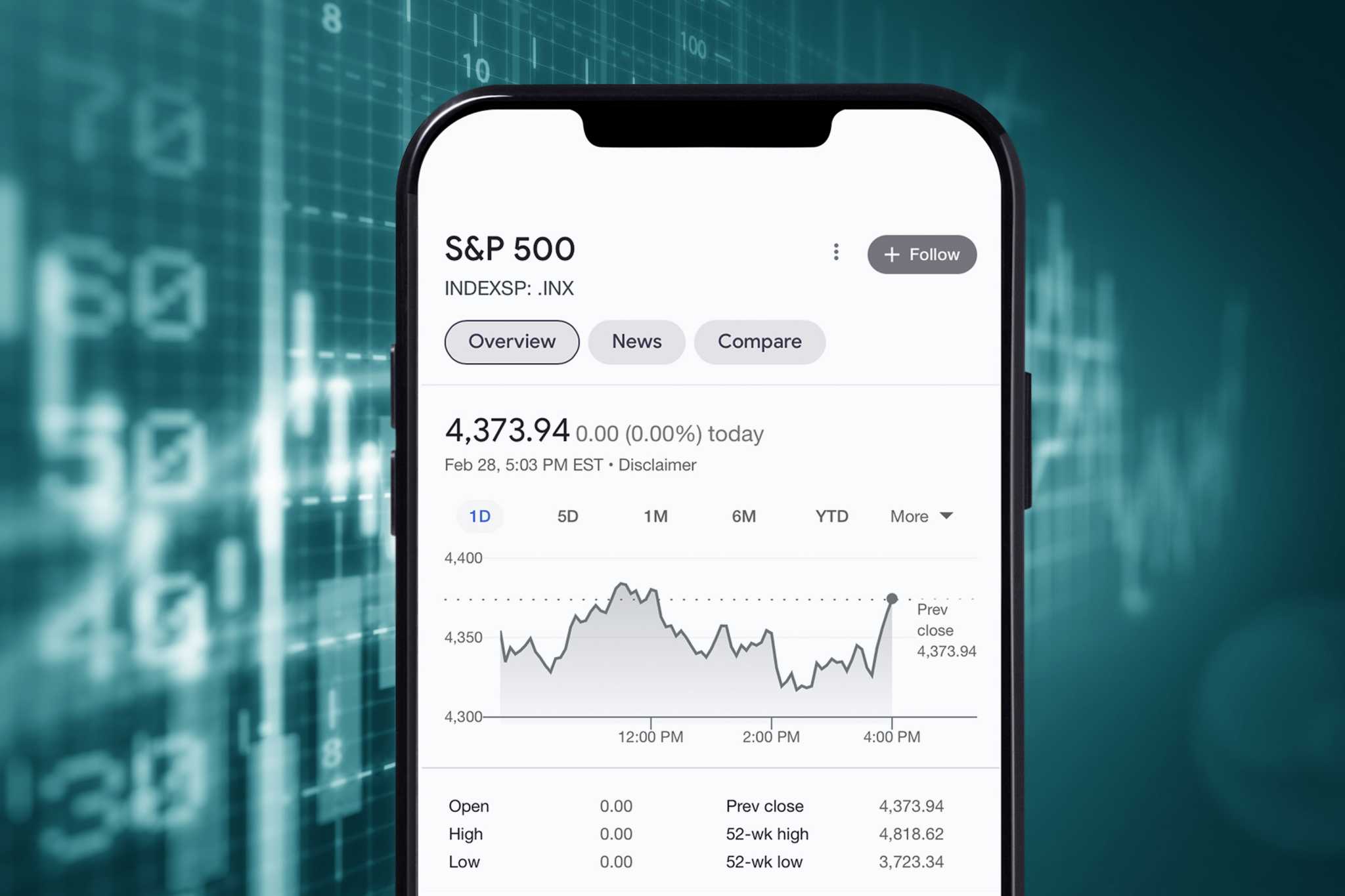
This is where a lot of people get intimidated. They picture needing a briefcase full of cash, like they’re starring in a heist movie. But here’s the beautiful truth: you can start investing in the S&P 500 with as little as a few dollars. Seriously! Many brokerage accounts allow you to buy fractional shares, meaning you can buy a piece of an ETF or index fund, even if a full share costs hundreds of dollars. It's like buying a single Lego brick instead of the whole Millennium Falcon set. You can start small, see how it goes, and then, if you feel like it, start adding more over time. Consistency is key, my friends. It's like eating your vegetables; you might not love it at first, but it's good for you in the long run.
The best strategy, and this is a secret I'm only sharing because we're friends over coffee, is dollar-cost averaging. This is a fancy term for investing a fixed amount of money at regular intervals, regardless of whether the market is up or down. So, you might decide to invest $100 every two weeks. When the market is high, you buy fewer shares. When the market dips, you buy more shares for the same amount of money. It's like buying things when they're on sale and stocking up! Over time, this strategy can help smooth out the bumps and potentially lower your average cost per share. It's a way to invest without trying to time the market, which, by the way, is harder than wrestling a greased pig.
Things to Keep in Mind (Don't Skip This Part!)
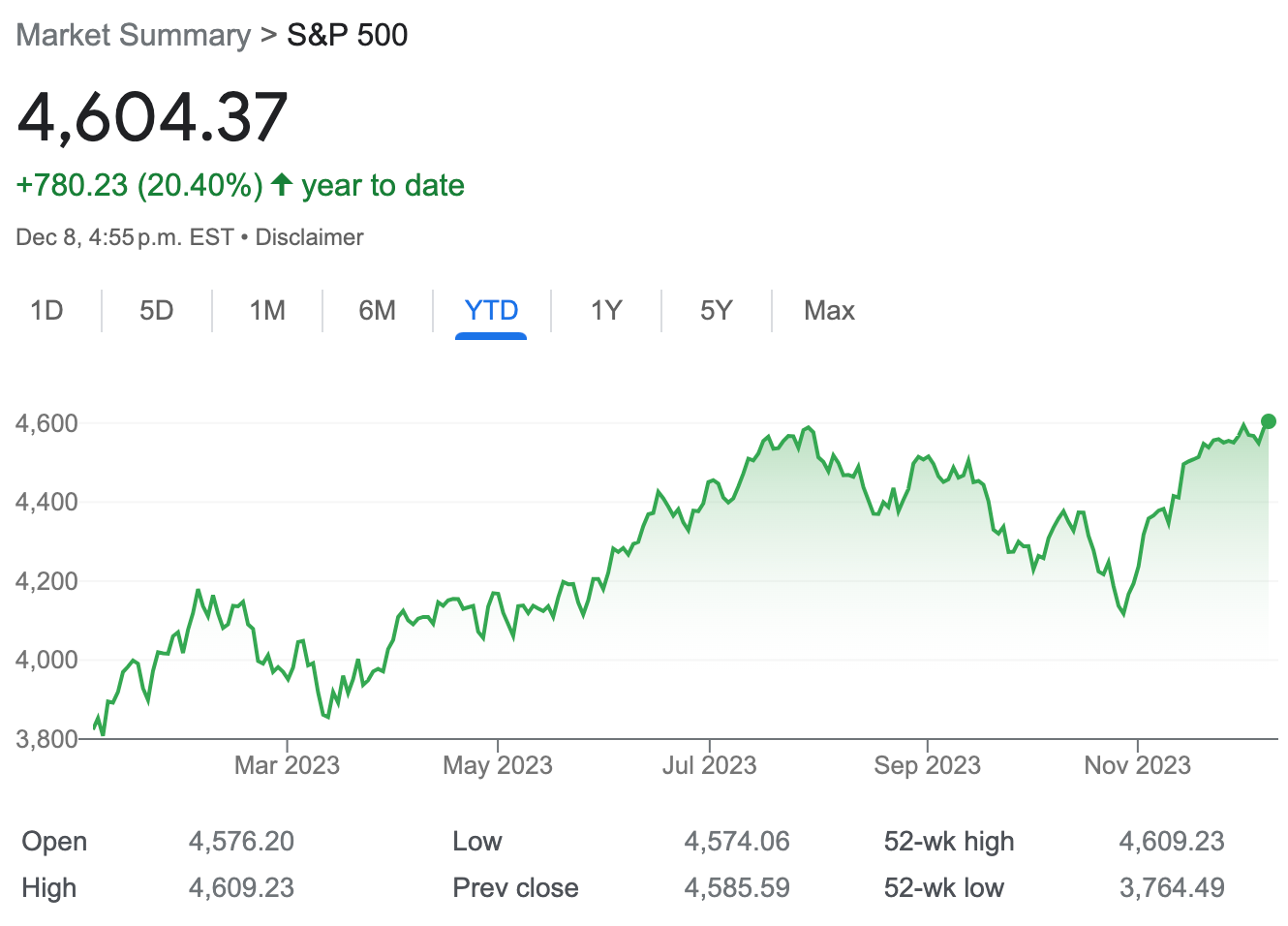
While investing in the S&P 500 is generally considered a pretty safe and effective way to grow your money over the long term, it's not without its risks. The stock market can be a roller coaster. There will be days, weeks, or even months where the value of your investment goes down. This is normal. It's like when you're on a roller coaster, and there are dips. The scary part is the dip, but you usually come out the other side, often higher than before. The key is to not panic sell. Remember, you’re invested in 500 of the biggest companies in the world. They’re not going to disappear overnight. Think of it as a temporary sale on your favorite companies!
Another important point is diversification. While the S&P 500 is diversified by nature (you're already invested in 500 different companies!), it’s still a good idea not to put all your eggs in one basket. This means, don’t put all your investment money into just the S&P 500. Maybe you have some in other types of investments too. But for a beginner, focusing on the S&P 500 is a fantastic starting point. It’s like having a great all-you-can-eat buffet; you don’t need to try every single item on the menu to have a satisfying meal, but it’s nice to know there are other options if you want them.
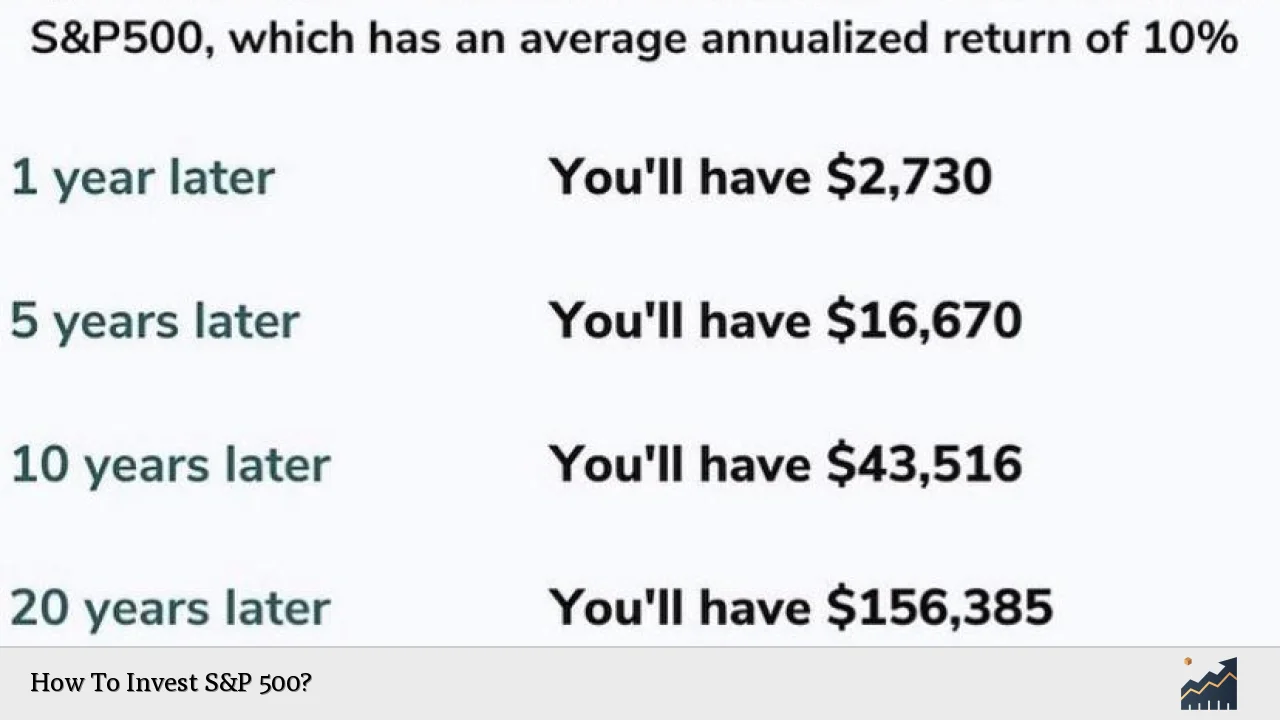
Finally, remember that investing is a long-term game. You’re not going to get rich quick. Anyone who tells you they can make you a millionaire overnight is probably selling something that sings and smells vaguely of desperation. The S&P 500 has historically provided good returns over decades. So, set it and forget it (mostly). Check in on it occasionally, but don't obsess over daily fluctuations. Let compounding do its magic. It's like planting a tree; you water it, give it sunlight, and over time, it grows into something magnificent. You don't dig it up every day to see if the roots are getting bigger. Trust the process, grab another coffee, and enjoy the ride!