
How To Grow Plants In Fish Tank

Hey there, plant pals! Ever look at your fish tank and think, "You know what this underwater paradise is missing? Some serious greenery!" Yeah, me too. It’s like, the fish are living their best life, doing their little fishy things, but the decor is just… a bit samey. Boring, even.
So, I’ve been doing some digging, and guess what? You can totally, absolutely, 100% grow plants in your fish tank. No, seriously. It's not some mythical unicorn-level gardening. It's totally achievable, and honestly, it’s a game-changer for both your fish and your eyeballs. Think of it as a little spa treatment for your aquatic buddies. They get the fresh air, the filtered water, and now, they get a lush jungle to swim through. Talk about living the dream!
Why would you even want to do this? Great question! Firstly, it looks ridiculously cool. Like, your tank goes from "okay, that's a fish tank" to "WHOA, is that a living, breathing ecosystem in my living room?!" Secondly, and this is the really neat part, plants are nature's little cleaning crew. They’re like tiny, green superheroes, gobbling up all those nasty nitrates and phosphates that your fish produce. So, less poop, more sparkle. Win-win, right?
Must Read
And let's not forget our finned friends. They love hiding places. It makes them feel safe and sound, like they’ve got their own little secret fortresses. Plus, some plants actually give off oxygen, so it’s like a little breath of fresh air for them. I mean, who wouldn’t want to live in a place that smells like a rainforest?
Alright, so you’re convinced. You’re ready to unleash your inner aquascaper. But where do you even start? Don’t panic! It’s not rocket science. Or, you know, fish tank science. It’s more like… plant-in-a-tank science. And it’s pretty straightforward.
The Basics: What Your Plants Actually Need
Just like us humans, plants have needs. Shocking, I know. They need a few key things to thrive. Think of it as their wish list.
First up: Light. This is probably the most crucial element. Plants use light to make their food. Without enough light, they’re basically starving. And a starving plant is a sad, droopy plant. You don't want sad plants, do you? Of course not. So, you’ll need a good aquarium light. Most standard tank lights are okay for beginner plants, but if you’re going fancy with some dramatic, leafy specimens, you might need something a little more powerful. It’s all about finding that sweet spot.
Next: Substrate. This is basically what your plants will root into. In a regular pot, it’s soil. In a fish tank, it can be gravel, sand, or special aquarium plant substrates. Now, for beginners, regular aquarium gravel is totally fine. It’s cheap, it looks good, and many plants can anchor themselves in it. But if you’re feeling adventurous, there are these amazing nutrient-rich substrates designed specifically for planted tanks. They’re like a five-star buffet for your plant roots. Magic!
Then we have Nutrients. Plants need food, just like fish do. Except they get it through their roots and sometimes through their leaves. In a well-established tank with fish waste, you’ll have some natural nutrients. But for optimal growth, especially with demanding plants, you might need to add some liquid fertilizers. Don't go overboard, though! We're not trying to create a plant smoothie here. Just a little sprinkle of goodness now and then.
And finally, Carbon Dioxide (CO2). This is where things get a little more advanced, but don’t let it scare you. Plants breathe CO2. In most tanks with just a few fish and some low-light plants, the fish produce enough CO2 to keep things happy. But if you get into high-tech planted tanks with super-bright lights and demanding plants, you might need to inject CO2. It’s like giving them an extra boost of fizzy water. Makes them perk right up!
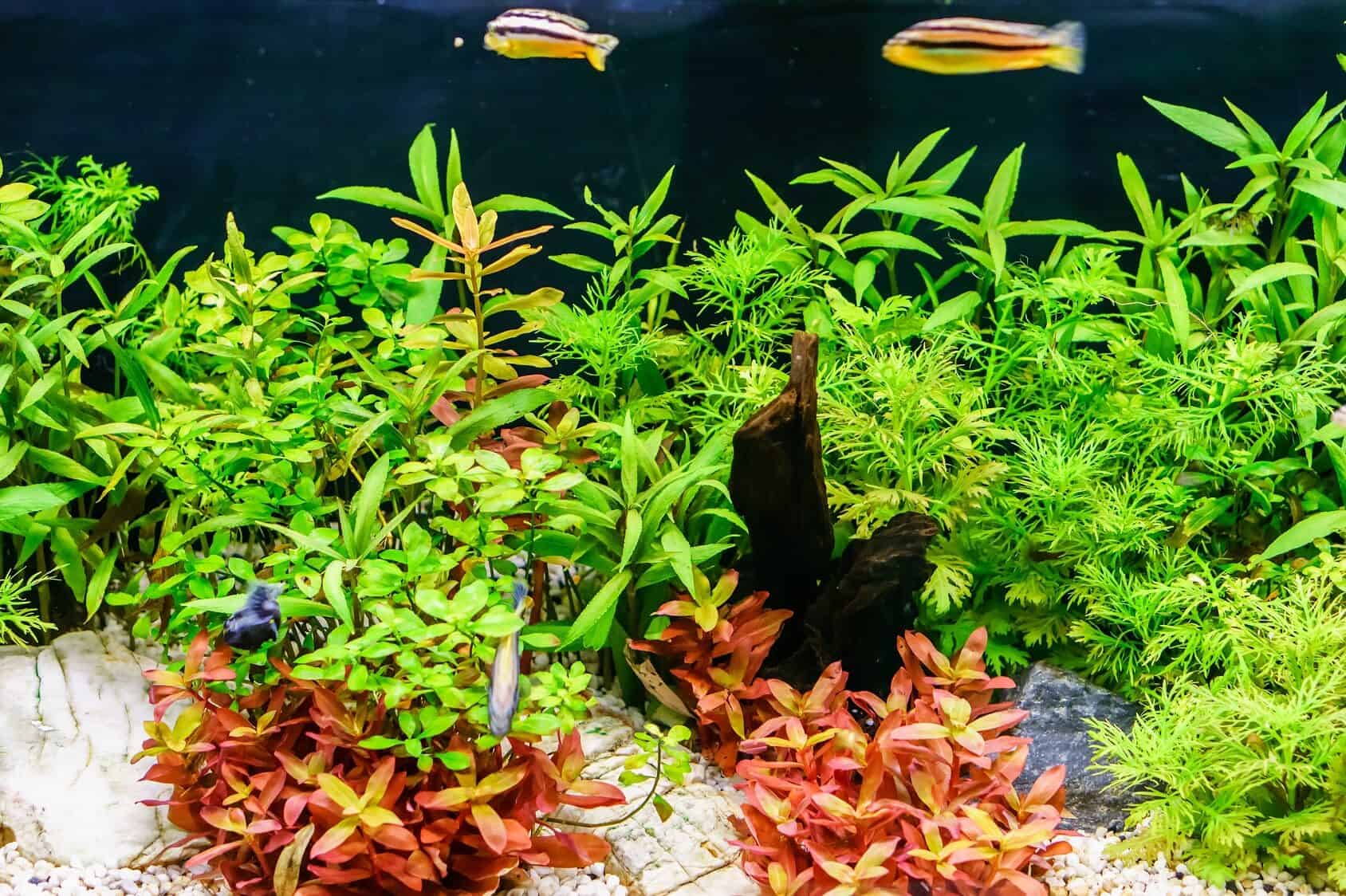
Choosing Your Aquatic Greenery: The Beginner-Friendly Bunch
Okay, so you’ve got the essentials. Now, what kind of plants should you be looking for? This is the fun part! There are so many gorgeous options out there. But for your first foray into the underwater garden world, it's best to start with the easy stuff. Think of these as the “foolproof” plants, the ones that forgive your occasional forgetfulness.
Java Fern. Oh, Java Fern, my old friend. This plant is practically indestructible. Seriously. You can practically neglect it, and it will still look amazing. It’s got these beautiful, dark green, leathery leaves. You can tie it to rocks or driftwood, or just let it sit on the substrate. It doesn’t even need to be planted in the substrate! It’s a real low-maintenance superstar. And it grows fairly quickly, which is always satisfying.
Anubias. Another rockstar of the easy-plant world. Anubias comes in various shapes and sizes, with those same tough, dark leaves. Like Java Fern, you can tie it to decorations or let it sit. It’s a slow grower, so don’t expect a jungle overnight, but it’s incredibly hardy. It can tolerate low light and even a bit of neglect. Perfect for us busy bees, right?
Moneywort (Bacopa). This little guy is super forgiving and looks really pretty with its small, round leaves. It’s a stem plant, meaning you can plant the stems directly into the substrate. It’s pretty adaptable and can handle a range of light conditions. Plus, it grows relatively fast, so you’ll see progress pretty quickly. It’s like watching a tiny plant miracle happen in your tank!
Hornwort. Now, Hornwort is a bit of a wild child. It’s a free-floating plant, meaning it just kind of drifts around. Some people anchor it, but it’s happy just chilling. It grows super fast, like, ridiculously fast. It’s a great plant for beginners because it’s so forgiving and provides lots of hiding places for small fish. However, be warned: it can take over if you’re not careful. You might find yourself doing a lot of Hornwort trimming. It’s the plant equivalent of a teenager who keeps outgrowing their clothes!
Floating Plants (like Duckweed, Frogbit, or Water Lettuce). These are the ultimate no-brainers. You just plop them on the surface of the water, and they’re like, "Thanks, I'll take it from here!" They’re amazing for soaking up excess nutrients and providing shade for your fish. Duckweed is the most common, but it can be a bit of a nightmare to get rid of if it takes hold. Frogbit and Water Lettuce are a bit larger and easier to manage. They have these cool, dangling roots that look like underwater fairy hair. Seriously, it’s mesmerizing!
Getting Your Hands Wet: Planting Techniques
Okay, decision time! You’ve picked your leafy friends. Now, how do you actually get them in the tank? It’s not as complicated as you might think.
For Plants Tied to Decorations (Java Fern, Anubias)
This is probably the easiest method. You’ll need some fishing line, cotton thread (make sure it’s natural and won't degrade weirdly), or super glue (cyanoacrylate, the kind that dries clear). You can get these special plant tweezers that make it super easy to position things.
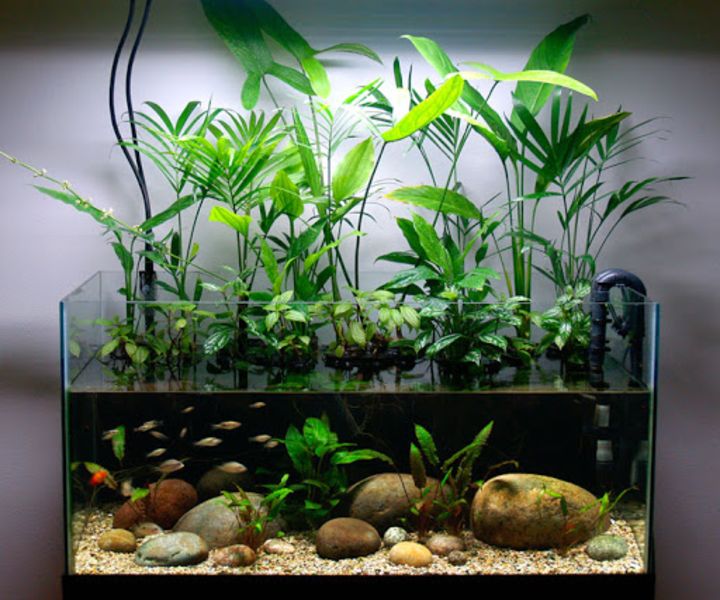
Take your plant, and gently tie or glue its rhizome (that’s the thick, horizontal stem part) to a piece of driftwood or a rock. Do not bury the rhizome in the substrate. This is a common mistake and can lead to rot. Think of the rhizome as the plant’s main body; it needs air. The roots are what go into the substrate, but these guys don’t really need them in the traditional sense.
It’s super satisfying to see your tank transform as you start adding these little green gems. It’s like decorating for a party, but the guests are your fish!
For Plants Planted in Substrate (Moneywort, Swords, Cryptocorynes)
If you’re using gravel or sand, you can use your fingers or some long tweezers to make a little hole. Gently place the roots of the plant into the hole and then lightly push the substrate back around them. Don't pack it too tightly; you want the roots to be able to breathe.
If you’ve opted for a special aquarium plant substrate, it's usually a bit finer, and the plants often have a more developed root system. You’ll still use a similar method, just being a bit more gentle with the richer substrate. It’s like tucking a baby plant into bed!
For Floating Plants
These are the divas of the plant world. Just… put them on top. Seriously. They’ll do the rest. They’ll spread out and create a lovely canopy. Just keep an eye on them, because, as I mentioned, some can be a little too enthusiastic about spreading.
The Little Extras: Fertilizers and Lighting Tips
So, you’ve planted your aquatic jungle. Now what? Well, a little bit of extra care can go a long way.
Fertilizers: The Plant's Multivitamin
As I mentioned, your fish will provide some nutrients. But if you want really lush growth, especially with brighter lights, you might want to consider liquid fertilizers. There are tons of options out there. You can get all-in-one fertilizers, or you can get specific ones for macros (like nitrogen, phosphorus, potassium) and micros (like iron).
For beginners, an all-in-one liquid fertilizer is your best bet. You just dose it into the water according to the instructions on the bottle. Don't overdo it! Too much fertilizer can cause algae blooms, and nobody wants a slimy tank. It’s all about balance. Think of it like adding a pinch of salt to your food; you don't want to dump the whole shaker in.
Some people also use root tabs, which are little fertilizer pellets that you stick into the substrate near the roots of your plants. These are great for plants that get most of their nutrients from their roots, like swords and cryptocorynes. Again, follow the instructions carefully. We're nurturing, not poisoning!
Lighting: Find That Golden Ratio
Lighting is a biggie. If your tank came with a basic hood light, it's probably fine for low-light plants. But if you’re aiming for more vibrant growth or have more demanding plants, you’ll want to upgrade.
LED lights are the way to go these days. They’re energy-efficient and come in a huge range of spectrums. For planted tanks, you want a light that has a good balance of red and blue wavelengths, as these are what plants use for photosynthesis.
The intensity of your light is also important. Too much light, and you'll encourage algae. Too little, and your plants will stretch and become leggy. A good rule of thumb for beginners is to start with around 6-8 hours of light per day. You can always adjust from there. Think of it like a human's sleep schedule; consistency is key!
And remember, don't put your tank in direct sunlight. That's a recipe for an algae explosion that will make you want to cry. Trust me on this one. It's like giving your tank a permanent sunburn.
The Big Picture: Fish and Plants Together
So, can your fish live happily with plants? Absolutely! In fact, they’ll probably thank you for it.
Make sure your plants aren’t toxic to your fish. Most common aquarium plants are perfectly safe. But it’s always a good idea to do a quick search if you’re unsure about a specific plant. Better safe than sorry, right?
Some fish are plant-eaters. Goldfish are notorious for munching on plants. So, if you have a goldfish or another herbivorous fish, you might need to stick to tougher, faster-growing plants that can withstand a bit of nibbling, or choose plants that have a less appealing taste. Java Fern and Anubias are usually too tough for most fish to really get into.
/landscape-scenery-in-the-fish-tank-1172944939-15e8aea0279044589fcc5f8154b44d4e.jpg)
Most small, peaceful fish, like tetras, guppies, corydoras, and bettas, absolutely love having plants. They provide cover, make them feel secure, and generally make the whole environment more enriching. It's like giving them a five-star resort with all the trimmings!
And for the fishkeepers among us, you'll notice that your water parameters will be more stable. Fewer water changes might be needed, and your tank will generally look cleaner and healthier. It’s like the plants are doing your chores for you!
Troubleshooting: When Things Go a Little Wonky
Even with the best intentions, sometimes things don't go perfectly. Don't beat yourself up! Every gardener has had a plant crisis.
Algae Blooms: This is the most common problem. It usually means too much light, too many nutrients, or not enough plant mass to use up the nutrients. Try reducing your light period, doing a water change, and maybe adding a few more fast-growing plants. Snails and certain types of fish (like otocinclus catfish) are also great algae eaters.
Melting Plants: Some plants, especially newly introduced ones or those that have been moved from emersed (grown in air) to submersed (grown in water) conditions, can melt a bit. This is usually temporary. Just trim away any mushy leaves and give it time. It's like a plant's awkward teenage phase.
Pearling: This is when tiny little bubbles appear on your plant leaves. It looks super cool, and it means your plants are happy and producing oxygen. It's a good sign!
Slow Growth: If your plants aren't growing much, check your light, nutrients, and CO2 levels (if you’re injecting). Sometimes, it’s just a matter of patience, especially with slow-growing species.
So there you have it! Growing plants in your fish tank is not only doable, but it’s also incredibly rewarding. It adds a whole new dimension to your aquarium, making it a more beautiful, healthy, and interesting environment for both you and your finned friends. So go ahead, get your hands a little wet, and transform your tank into an underwater oasis. You’ve got this!

