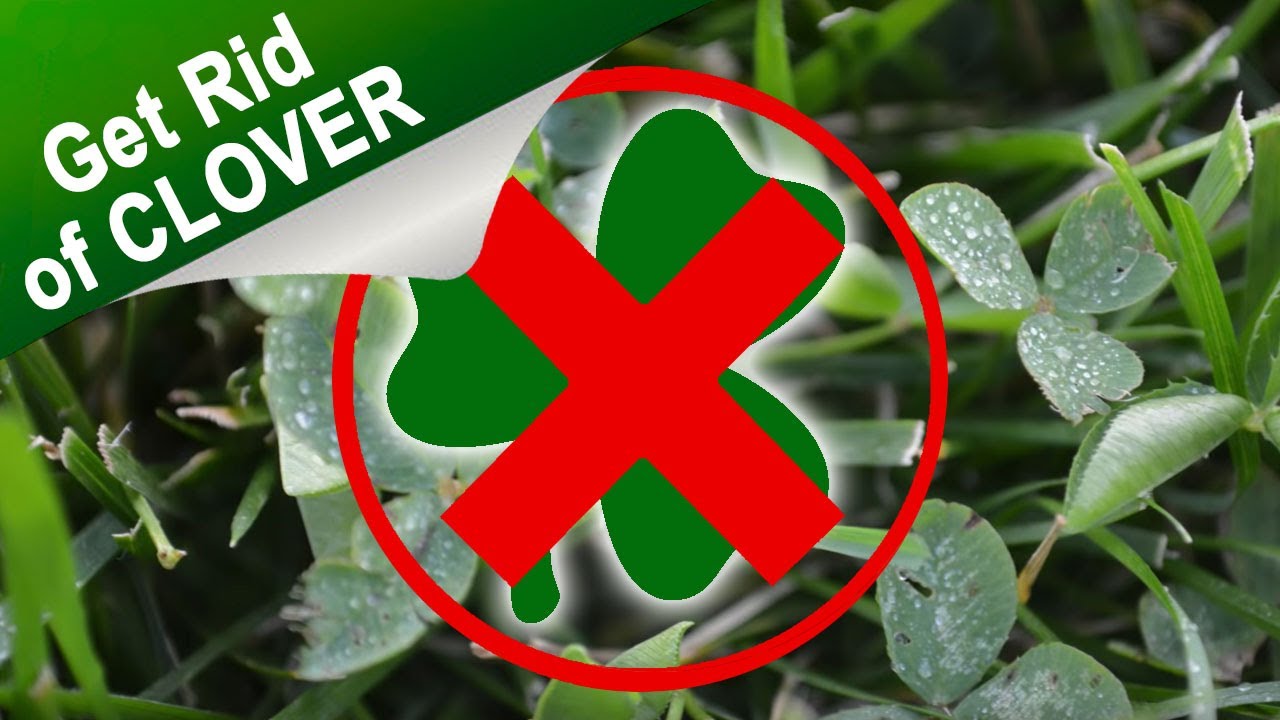
How To Get Rid Of Yard Clover

Ah, clover. That cheerful, three-leafed wonder that pops up in lawns everywhere. For some, it’s a symbol of good luck, a delightful splash of green. For others, it’s the tiny green invader that’s taken over their otherwise pristine turf. If you’re in the latter camp, and you’re staring out at a sea of tiny white blossoms threatening to turn your lawn into a meadow, then this is for you! We’re diving into the surprisingly fun and utterly satisfying world of getting rid of yard clover.
Why is this a fun topic, you ask? Well, imagine this: a beautifully manicured lawn, the kind that makes your neighbors do a double-take. That’s the dream, right? And while clover has its charms, it can often detract from that perfectly uniform green carpet. Getting rid of it isn't just about aesthetics; it’s about reclaiming your lawn's health and vibrancy. A lawn dominated by clover can sometimes mean it’s lacking in other essential nutrients, or that the soil conditions are just perfect for our leafy little friend. So, tackling clover is also a step towards a healthier, more resilient lawn overall.
The benefits of a clover-free lawn are pretty straightforward. For starters, there's the visual appeal. A uniform, deep green lawn is a classic look that many homeowners strive for. It’s tidy, it’s orderly, and it creates a fantastic backdrop for gardens and outdoor living spaces. Beyond the looks, a healthy lawn often means better grass growth. Grass, when given the chance to thrive without competition, can develop deeper roots, making it more drought-tolerant and better at outcompeting other weeds. This means less watering, less mowing (potentially!), and a more robust, enjoyable outdoor space for you and your family.
Must Read
So, how do we politely, or perhaps not-so-politely, encourage clover to find a new home? Let’s explore some of the most effective and engaging methods.
Embrace the Green Thumb: Manual Removal
For the dedicated and the eco-conscious, the most straightforward method is good old-fashioned pulling. If you’ve only got a few stubborn patches, grab a trowel or a sturdy pair of gardening gloves and get to work. The key here is to get the entire root system. Clover is tenacious, and if you leave even a tiny bit of root behind, it can regrow. This method is particularly effective in the spring when the soil is moist and the roots are easier to extract. Think of it as a bit of a garden workout – and the reward is a visibly cleaner patch of lawn. For those who are particularly thorough, you might even find satisfaction in seeing those little root systems come out clean!

The Power of the Spritz: Herbicides
When manual labor isn’t cutting it, or you’re facing a larger invasion, herbicides are often the go-to solution. Now, before you picture a scary chemical concoction, know that there are different types available, and responsible use is key. For clover, you’ll want to look for a broadleaf herbicide. These are designed to target plants with broad leaves, like clover, while leaving your grass (which has narrow leaves) largely unharmed. Popular choices include products with active ingredients like 2,4-D, MCPP, or Dicamba. Always read and follow the label instructions very carefully. Timing is also crucial. Applying herbicide in the cooler temperatures of spring or fall, when the grass is actively growing but the clover is also susceptible, often yields the best results. Some folks even opt for selective herbicides that are formulated to be extra gentle on turfgrass. It's like sending a polite, but firm, eviction notice to those clover plants!
"The right herbicide, applied at the right time, can be your best ally in the war against clover."
Nurturing Your Turf: The Preventive Approach
Sometimes, the best offense is a good defense. Clover often thrives in areas where the grass is struggling. This can be due to poor soil conditions, lack of proper nutrients, or even compacted soil. So, a fantastic way to keep clover at bay is to cultivate a thick, healthy lawn. This involves regular mowing at the correct height (typically higher is better for encouraging deep root growth), proper watering (deep and infrequent is ideal), and fertilizing at the right times of the year. Over-seeding your lawn in the fall with a high-quality grass seed can also help fill in bare spots and outcompete any emerging weeds. Think of it as making your lawn so inviting that the grass simply doesn’t have room for uninvited guests like clover!

The Natural Alternative: Vinegar and Soap?
For those who prefer to keep things natural, some homeowners explore household remedies. A solution of white vinegar and a few drops of dish soap can act as a contact killer for clover. The vinegar dehydrates the plant, and the soap helps it stick. However, this method is generally non-selective, meaning it can damage your grass too. It's best used for spot treating very small, isolated patches. You’ll likely need repeated applications, and it may not be as effective on the root systems as commercial herbicides. Still, for the truly committed eco-warrior, it’s an option to consider.
Getting rid of clover might seem like a daunting task, but with a little know-how and some elbow grease (or a well-timed spray), you can reclaim your lawn and enjoy that beautiful, uniform green carpet you’ve been dreaming of. Happy lawn battling!