
How To Get Rid Of Wax On Fabric

Ah, the dreaded wax stain! Whether it’s a rogue candle dripped on your favorite tablecloth during a romantic dinner, a bit of spilled wax from a craft project, or even that waxy residue left behind by a sticker, encountering wax on fabric can feel like a minor disaster. But fear not, fellow fabric fanatics and domestic goddesses (and gods!), because getting rid of wax is actually a surprisingly satisfying and relatively simple process. It’s a little bit of detective work, a dash of heat, and a whole lot of triumphant stain-busting. Think of it as a mini-challenge for your home-keeping prowess, a chance to revive your precious textiles and emerge victorious over sticky situations.
The purpose of learning how to tackle wax stains is, quite simply, to save your fabrics. So many beautiful garments, cozy blankets, and decorative items can be rendered unusable or unsightly by a wax mishap. Knowing these techniques means you don't have to despair, toss, or relegate beloved items to the rag pile. The benefits are clear: preserving your belongings, saving money by avoiding replacement, and the immense satisfaction of restoring something to its former glory. Plus, in a world where sustainability is key, extending the life of our textiles is a win-win for both our wallets and the planet.
The Cold Approach: Freezing Out the Wax
Before we dive into the warmer methods, let's consider the power of extreme cold. Sometimes, the best defense is a good chill! For thicker, more solidified wax deposits, the initial step is often to make that wax as brittle as possible.
Must Read
This is where your trusty freezer comes in handy!
Simply take the affected item of clothing or fabric and carefully fold it so the wax stain is exposed. Then, pop it into a plastic bag (to prevent it from sticking to anything else in the freezer) and place it in the freezer for a few hours, or until the wax feels completely hard. Once it’s frozen solid, you can often carefully scrape off the bulk of the wax. Use a dull knife, a credit card edge, or even your fingernail. The goal here is to break off as much of the brittle wax as you can without damaging the fabric fibers. Be gentle! This step is all about removing the excess, not erasing the stain entirely.
The Heat Treatment: Melting Away the Mess
Now, for the part that feels a little bit like alchemy: using heat to lift the remaining wax. This method relies on the principle that wax melts when heated, and we can then use an absorbent material to soak up the liquefied wax.
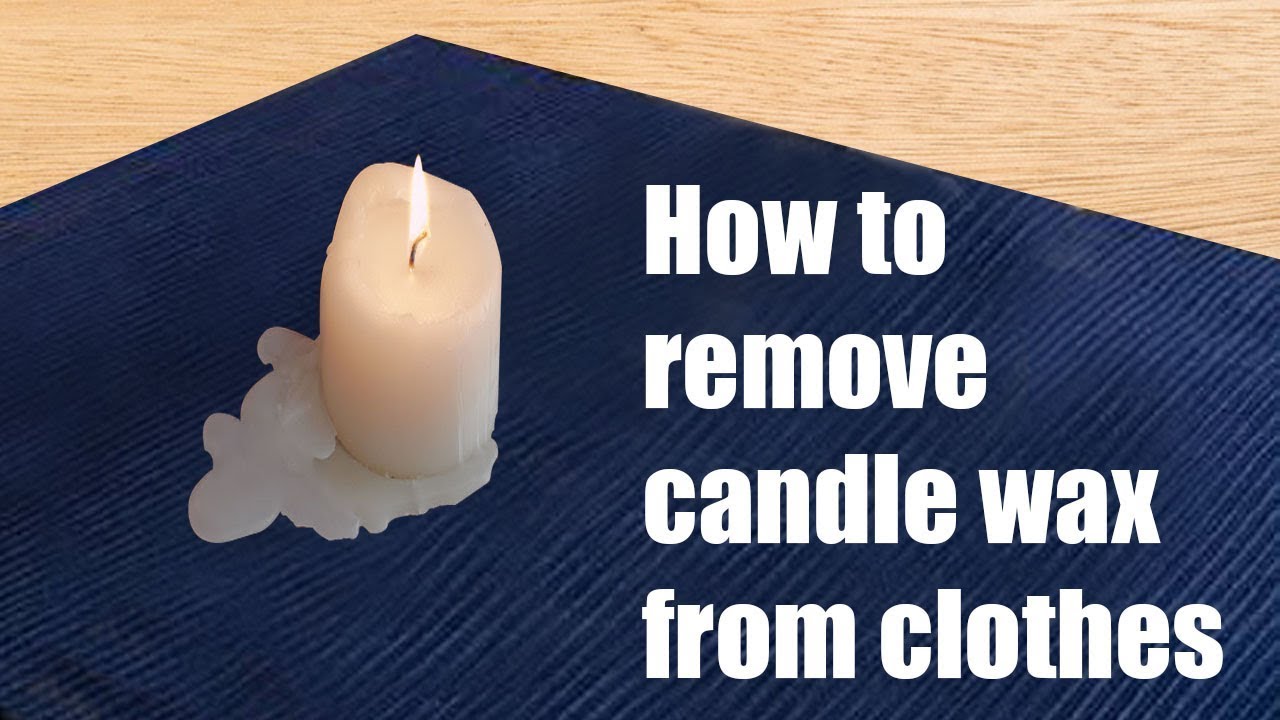
What You'll Need:
- Absorbent Paper: Plain brown paper bags (the kind without any printing or coatings), paper towels, or even old, clean cotton rags work wonderfully.
- An Iron: Your standard household iron is perfect.
- A Stable Surface: An ironing board or a flat, heat-resistant surface.
Lay the fabric item flat on your ironing board with the wax stain facing upwards. Place a piece of your absorbent paper (or several layers of paper towels) directly over the wax stain. Make sure the paper extends a good inch or two beyond the edges of the stain. Now, set your iron to a low to medium heat setting. Crucially, turn off the steam function! Steam will just make things wetter and less effective. Gently place the warm iron onto the absorbent paper, directly over the wax. Don't press down too hard, just let the warmth of the iron do its work.
You'll start to see the wax melting and being absorbed by the paper. Move the iron around slightly, but avoid prolonged pressure on one spot, which could potentially damage delicate fabrics. After a minute or two, lift the iron and check the paper. You'll likely see a waxy imprint. Discard the soiled paper and replace it with a fresh piece. Repeat the process of ironing, replacing the paper, until no more wax is being transferred to the paper. You might need to go through several sheets of paper – this is normal and a sign that the method is working!

Dealing with Lingering Marks: A Little Extra Care
Even after the bulk of the wax is gone, you might be left with a faint oily mark or a slight discoloration. For these stubborn remnants, a bit of gentle cleaning can do the trick.
For most washable fabrics, after the heat treatment, you can proceed with washing the garment as usual, perhaps with a pre-treatment for grease stains if the mark is particularly noticeable. However, for delicate fabrics that cannot be machine washed or dry-cleaned items, you might need to use a stain remover specifically designed for grease or oil. Always test any stain remover on an inconspicuous area of the fabric first to ensure it doesn't cause damage or discoloration.

One common and effective method for these residual marks is to apply a small amount of dish soap (known for its grease-cutting power) directly to the mark, gently work it in with your fingers or a soft brush, let it sit for a few minutes, and then rinse thoroughly before washing according to the fabric's care instructions. For dry-clean-only items, a professional cleaner can often handle these residual marks.
So there you have it! With a little patience and these simple techniques, you can conquer wax stains and keep your fabrics looking fabulous. It's a small skill that brings big rewards in fabric preservation and household harmony.


