How To Get Rid Of Paint Cans

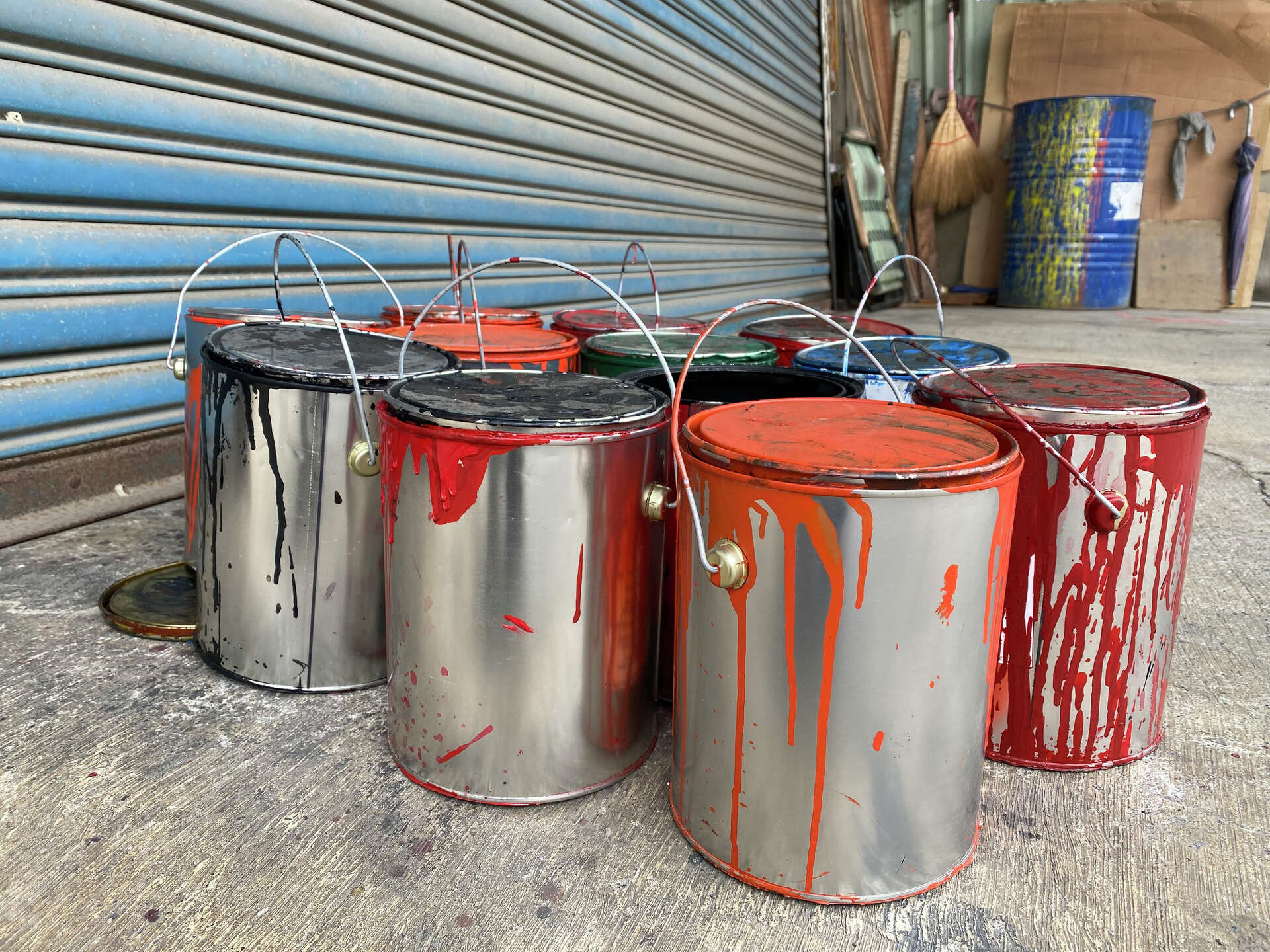
Hey there, DIY enthusiasts and weekend warriors! So, you've conquered that accent wall, spruced up the porch, or finally tackled that forever project. Awesome! But now, you're standing there, looking at a pile of empty or semi-empty paint cans. What's the deal with these metallic husks? They just kind of… hang around, don't they? It's like the forgotten souvenirs of your home improvement adventures. Well, let's dive into the not-so-glamorous, but surprisingly interesting, world of getting rid of these paint cans. Because honestly, who wants a graveyard of old paint cluttering up the garage?
First off, let's get curious. Why are paint cans so darn persistent? It’s not like they’re made of magic that makes them disappear after the last brushstroke. They’re metal, they’re plastic lids, and they’ve held onto that vibrant color for ages. And sometimes, they still have a little bit of paint clinging to the bottom, which makes disposal a tad more complicated than just tossing them in the recycling bin. So, what's the best approach to giving these tin soldiers their honorable discharge?
The Case of the Clinging Colors
You know that feeling, right? You tip the can, hoping for that last dollop of perfection, and… nothing. Or maybe just a sad, dried-up film. This is where things get a bit more involved than a simple chuck-and-forget. The key is to figure out if there's enough liquid paint left to warrant special handling. Think of it like this: if it's still sloshing around, it needs a different kind of send-off than if it's bone dry.
Must Read
If you’ve got just a tiny, dried-up residue at the bottom, you might be in luck! These are generally much easier to deal with. It’s like finding a tiny treasure at the bottom of a popcorn bag – a little bit of bonus to make things simpler. But if there's a significant amount of liquid paint, we need to be a bit more strategic. No one wants a leaky mess, and certainly not a hazardous one.
Drying Out the Dreams (or the Leftovers!)
So, what do you do with those cans that still have a bit of life in them? The most common and generally recommended method for small amounts of latex-based paint is to let it dry out completely. Seriously, just leave the lid off! Find a safe, well-ventilated spot – maybe outside, away from curious pets and little hands – and let nature do its thing. It might take a few days, or even a week or two, depending on how much paint is in there and the humidity.
It’s like watching paint dry, but in a good way! You're transforming a potential disposal headache into a solid, inert material. And hey, it’s kind of fascinating to watch the process. You can speed it up a little by adding absorbent materials. Think old newspapers, shredded cardboard, or even cat litter. These guys are like little paint sponges, soaking up all that liquid and helping it solidify. It’s a bit like a tiny art project, turning liquid color into solid, manageable bits.
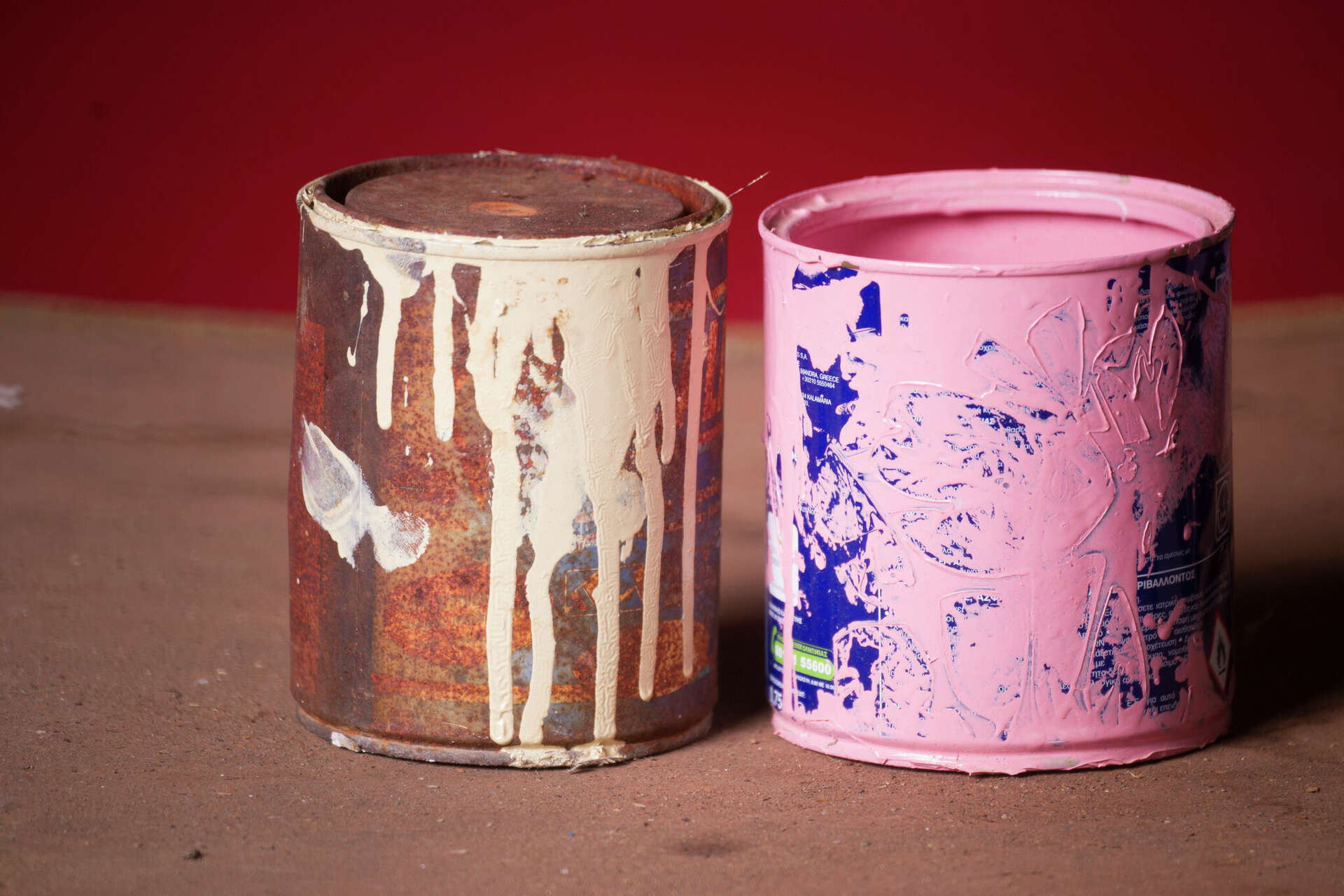
Once it’s completely dried out, and we’re talking rock solid, you can usually toss the can and the hardened paint into your regular trash. Always double-check your local waste management guidelines, though. They’re the ultimate paint-can gatekeepers, and their rules are usually pretty clear. Think of them as the wise elders of your community's waste disposal system.
When It's Not So Simple: Oil-Based and Hazardous Stuff
Now, let's talk about the trickier characters in our paint can drama: oil-based paints, stains, varnishes, and anything with solvents. These guys are a different breed. They’re not meant to be dried out and tossed in the regular bin because they can be hazardous. Think of them as the rebellious teenagers of the paint world – they need a special approach and can't just be left to their own devices.
Why are they so different? Well, oil-based paints contain volatile organic compounds (VOCs) that can be harmful to the environment and human health if they’re not disposed of properly. They’re also often flammable. So, leaving a can of turpentine-thinned masterpiece open to the air is generally a no-go. It’s like leaving a fireworks display unsupervised – a recipe for potential disaster.
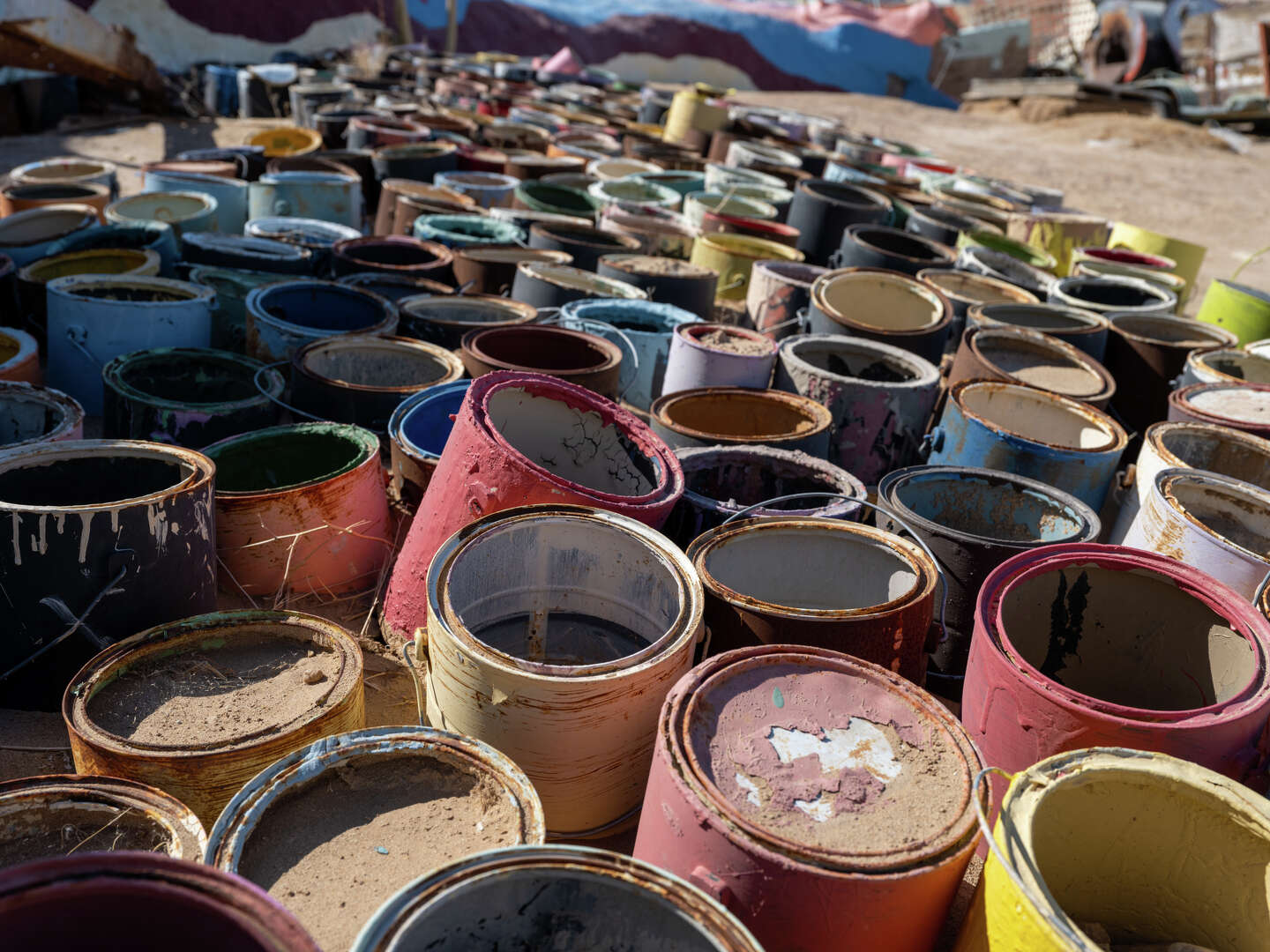
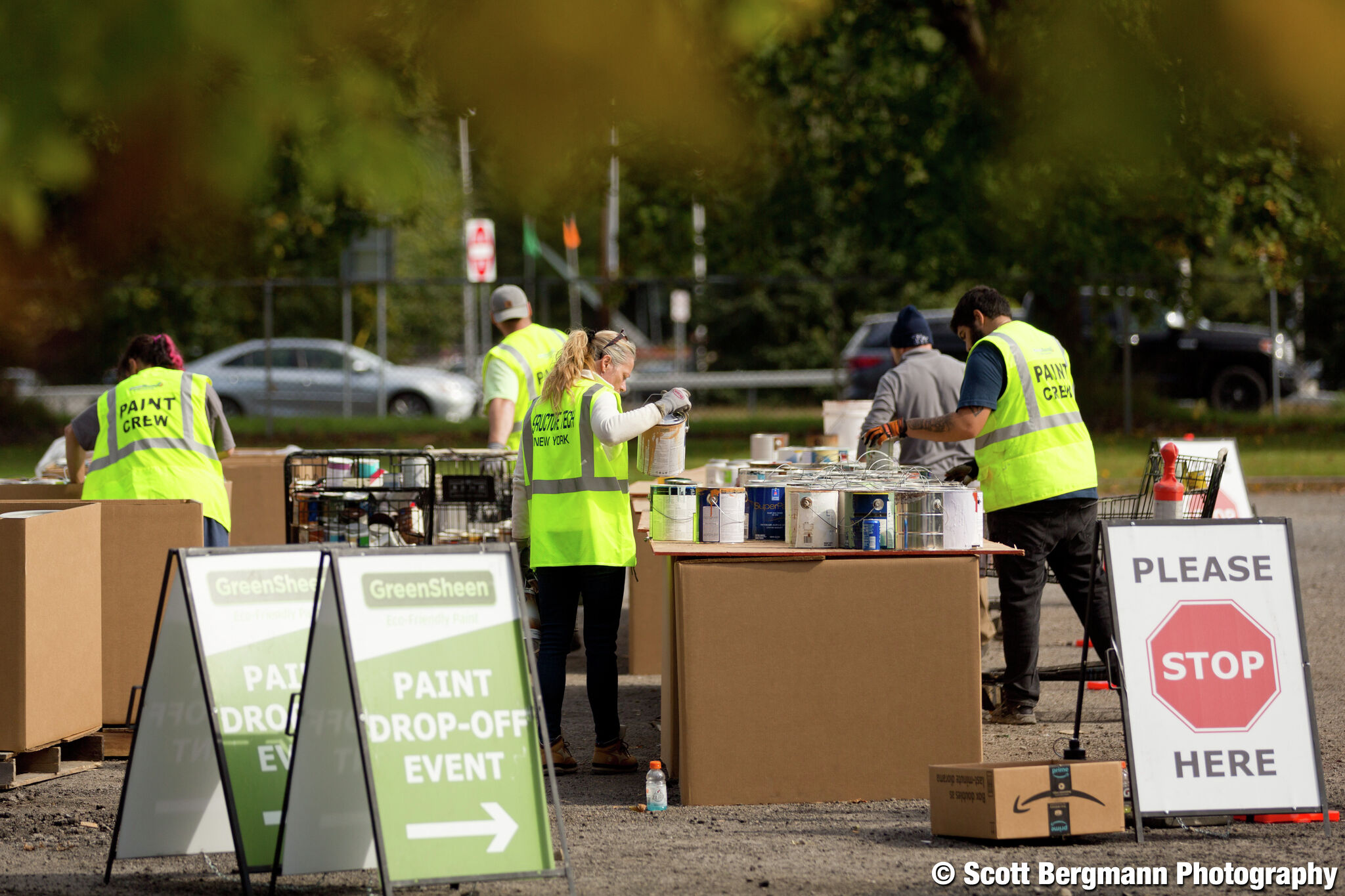
For these types of paints, you’ll typically need to take them to a household hazardous waste (HHW) collection site or a designated drop-off event. These are special places set up to handle materials that can’t go into the regular waste stream. It’s their job to make sure these things are dealt with in an environmentally responsible way. So, think of it as a spa day for your hazardous waste – they get special treatment!
Finding Your Local Paint Sanctuary
How do you find these magical HHW sites? It’s usually pretty straightforward. A quick search online for “household hazardous waste disposal [your city/county]” should give you all the information you need. Your local municipality’s website is often the best starting point. They'll have lists of what they accept and where and when you can drop it off. Some places even have curbside pickup programs, which is like hitting the jackpot!
Sometimes, paint stores also participate in take-back programs, especially for certain types of paint or if you're buying new paint from them. It's always worth asking them if they have any suggestions or programs available. They’re often the wizards of the paint world and might know the secret incantations for proper disposal.
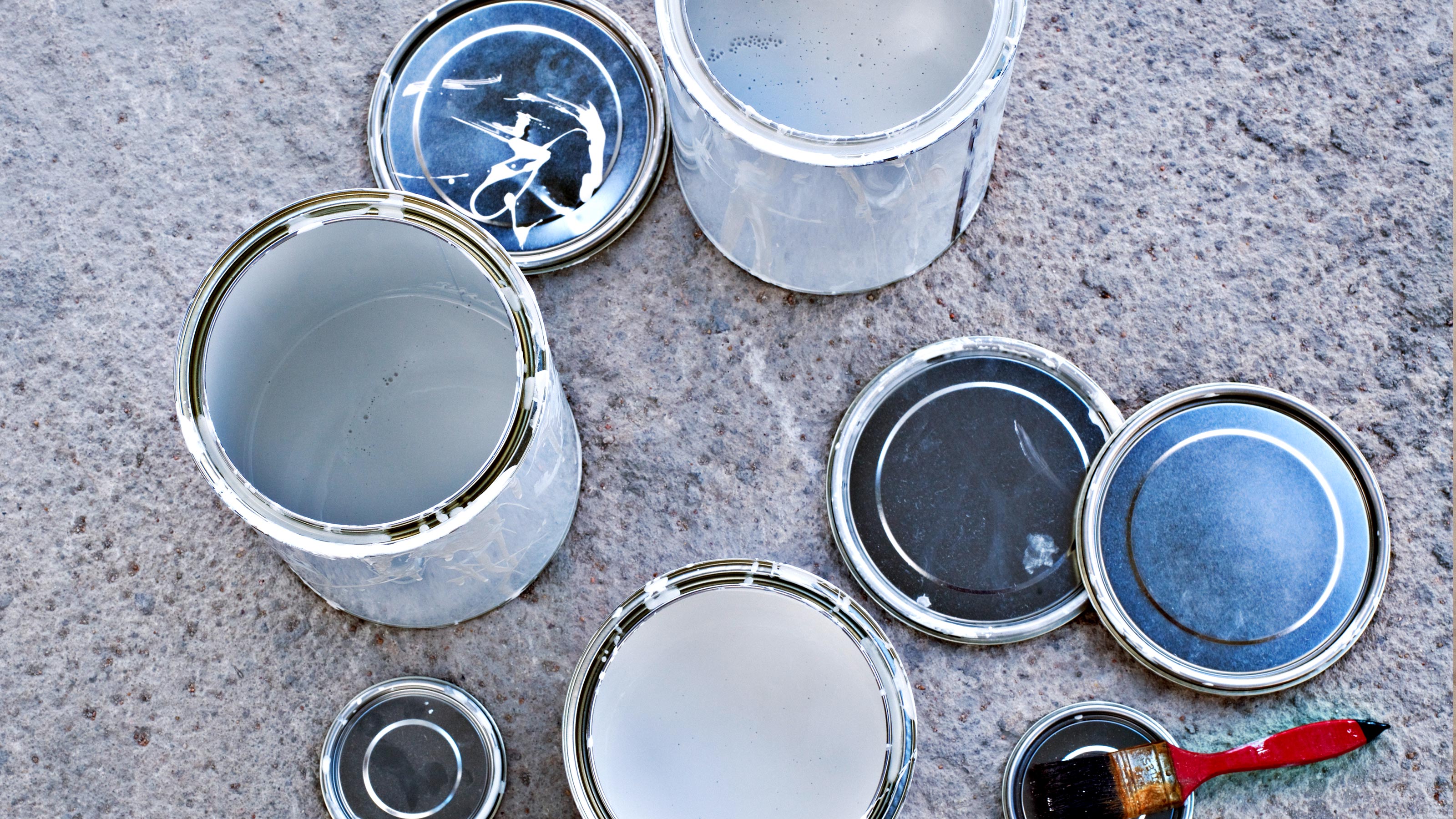
And what about those cans that are almost empty, but not quite dry? If you can't dry them out completely, or if they're oil-based, the best bet is still the HHW facility. It's better to err on the side of caution and give them the special treatment they deserve. It's like having a VIP section for your paint cans.
Recycling and Reusing: The Eco-Warrior’s Path
Beyond just getting rid of them, have you ever thought about giving those paint cans a second life? Recycling metal cans is a fantastic way to reduce waste. Once they're empty and dry (even if there's a little residue, as long as it’s dried latex), they can often be recycled with other metals. Check with your local recycling center to see if they accept them. It’s like giving the can a chance to become something new, maybe even a bicycle or another can!
And if the cans are in good condition, especially the metal ones with nice lids, they can be surprisingly useful for other things around the house. Think storage! They’re perfect for holding screws, nails, craft supplies, or even small gardening tools. You can clean them out, maybe give them a fresh coat of paint (meta, right?), and use them for all sorts of practical purposes. It’s like finding a hidden talent in an old friend.
Imagine, a paint can that once held your vibrant living room color could now be holding your collection of dried herbs or your son’s collection of tiny LEGO bricks. It's a charming little transformation, isn't it? So before you toss, consider a bit of creative reuse. It’s good for the planet and good for your organizational game!
The Bottom Line: Don’t Let Paint Cans Linger Unnecessarily
So, there you have it! Getting rid of paint cans isn't always as simple as it seems, but with a little knowledge and a touch of curiosity, you can handle them responsibly and even creatively. Remember the golden rule: latex-based, dried-out small amounts usually go in the trash (with local verification!), and oil-based and liquid paints go to a hazardous waste facility.
Don't let those cans become dusty monuments to unfinished projects. Give them a proper send-off, whether it's through drying, hazardous waste disposal, or a creative act of reuse. Your garage (and the environment) will thank you for it. Happy painting, and happy decluttering!