How To Get Rid Of Biting Midges

Hey there, fellow outdoor enthusiasts! Ever been out enjoying a beautiful sunset, a leisurely picnic, or even just a quiet evening on your porch, only to be suddenly ambushed by a tiny, relentless swarm of biting midges? Yeah, me too. Those little buzzers, often called "no-see-ums" because, well, you can barely see 'em until they've already left their itchy calling card, can really put a damper on an otherwise perfect moment. They’re like the unwelcome guests at the party, the ones who arrive uninvited and proceed to nibble on everyone’s ankles.
But before you resign yourself to a summer of frantic swatting and mysterious red bumps, let’s take a breath. Because dealing with these minuscule mosquitoes’ cousins doesn’t have to be a battle of epic proportions. In fact, it can be a rather fascinating little exploration into the world of tiny creatures and how we can coexist (or at least politely discourage their close contact). Think of it as a miniature science experiment happening right in your backyard. Pretty cool, huh?
So, what exactly are these pesky little guys? Biting midges are actually a diverse group of insects, and the biting ones are typically females looking for a blood meal to help develop their eggs. They’re not exactly picky eaters, either. Humans, livestock, birds, even other insects can be on their menu. They’re like tiny, airborne vampires, but without the brooding good looks or the immortality. Just the biting part, which, let’s be honest, is the most important part for us!
Must Read
Understanding Your Tiny Tormentors
The first step to getting rid of anything, right? Understanding what you're up against. These little fellas usually hang out in damp, humid areas. Think marshes, wetlands, forests, even just areas with standing water after a good rain. They tend to be most active during dawn and dusk, which, coincidentally, are often the most beautiful times to be outside. It’s like they have a personal vendetta against our golden hour vibes.
Their life cycle is pretty interesting, too. The larvae usually live in moist soil, decaying vegetation, or even in water. So, if you’ve got a perpetually soggy spot in your yard, you might be inadvertently hosting a midge nursery. It's not something you'd put on a postcard, but it's a little peek into the intricate web of life. These tiny creatures have a purpose, even if that purpose feels like it's solely to annoy us.
And here’s a fun fact that might make you feel a tiny bit better: while they’re called "biting midges," their bite is often more of a puncture or a scratch. They don't have those sharp, piercing mouthparts like mosquitoes. Instead, they have tiny little mandibles that saw through your skin. Ouch, right? But also, in a weird, scientific way, kind of neat. It's like they're tiny, biological scalpels.
The Defensive Arsenal: What Actually Works
Okay, enough about their biology. Let’s talk about how to reclaim your outdoor space! Getting rid of biting midges isn't about a single magic bullet, but rather a multi-pronged approach. It's like a good strategy game, where you need to think about offense, defense, and even a little bit of environmental manipulation.

Repellents: Your First Line of Defense
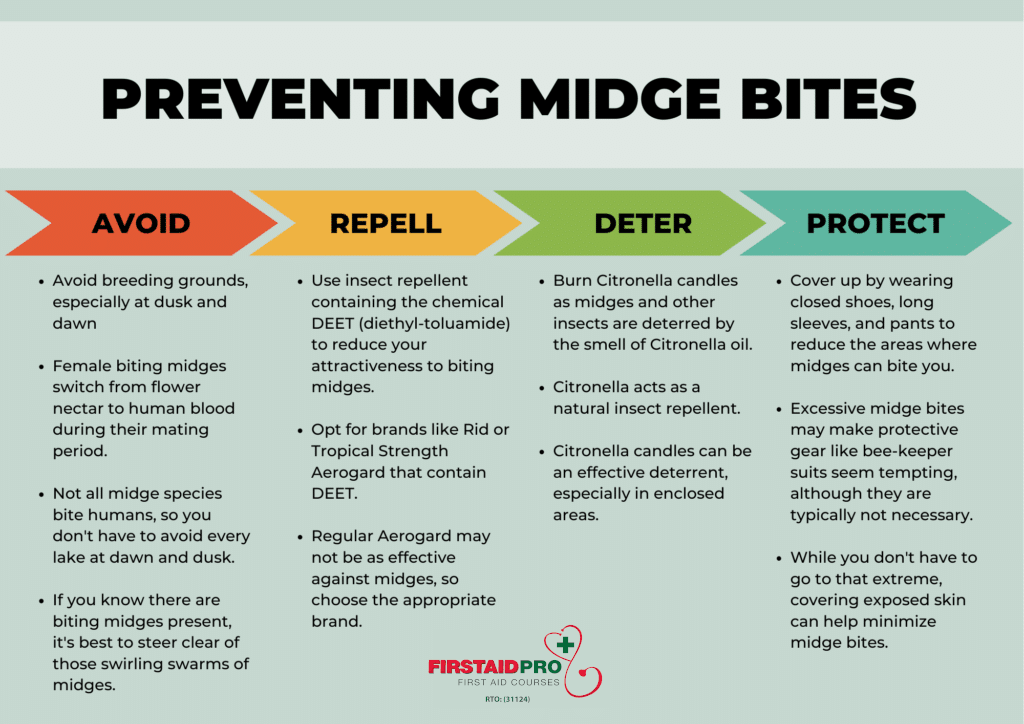
This is probably the most obvious, right? Just like you wouldn't go into battle without your trusty shield, you shouldn't go into midge territory without some repellent. Look for products containing DEET, Picaridin, or Oil of Lemon Eucalyptus. These are generally the most effective. Just remember to follow the instructions on the label, especially if you have sensitive skin. It’s your personal force field against those tiny biters.
Some folks swear by natural remedies, and while they might offer some relief, their effectiveness can be a bit hit-or-miss. Think of them as a mild deterrent, not a full-blown midge-repelling force. Essential oils like citronella, lavender, or peppermint can have some effect, but you’ll likely need to reapply them more frequently. It’s like using a gentle breeze to try and push away a determined storm.
Environmental Control: Making Your Yard Less Midge-Friendly

This is where things get really interesting. If you want to reduce the midge population around your home, you need to make your yard a less hospitable place for them. Remember how we talked about their love for damp areas? Well, that’s your golden ticket.
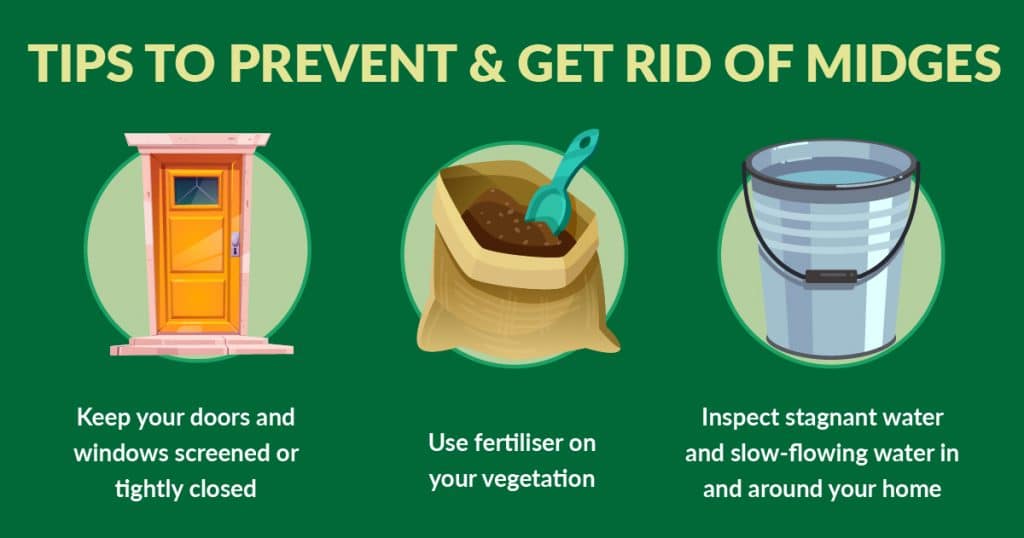
Drainage is Key: Go on a midge-hunting expedition, but instead of looking for the bugs, look for the puddles. Fix leaky faucets, ensure your gutters are clear, and fill in any low-lying areas where water tends to collect. Even a small amount of standing water can be a breeding ground. It’s like playing detective, but the crime is a midge infestation.
Manage Vegetation: Overgrown vegetation can create shady, humid microclimates that midges love. Keep your lawn mowed and trim back dense shrubs and bushes, especially those near your outdoor living areas. This also helps improve air circulation, which can make it harder for them to congregate.
Water Features (with caution!): Ponds and water gardens can be beautiful, but they can also attract midges. If you have one, consider introducing fish that eat midge larvae, or look into other methods of natural pond management. It’s about finding that balance between a serene outdoor space and a midge-free one.

Physical Barriers: Creating Your Own Safe Zone
Sometimes, the simplest solutions are the best. When you’re out and about, or even just relaxing on your porch, think about creating physical barriers.
Screens are Superb: Make sure your window and door screens are in good repair. A tiny hole is like an open invitation for these little guys. Think of them as your first line of defense against uninvited guests inside your home.
Fans are Fantastic: This is one of my favorite low-tech solutions. Midges are light flyers, and a good, strong fan can create enough air movement to keep them away from your immediate seating area. It’s like having your own personal midge-repelling wind machine. Seriously, give it a try on your patio!

Clothing Choices: When you know you're heading into midge territory, wear loose-fitting, light-colored clothing. Light colors are less attractive to them, and loose clothing makes it harder for them to get to your skin. Think of it as your midge-resistant fashion statement.
When All Else Fails: Professional Help and Patience
If you’ve tried everything and you’re still being plagued by these tiny terrors, it might be time to consider professional pest control. They have access to more potent treatments and can often identify specific breeding sites you might have missed. It’s like calling in the cavalry when the situation gets a little too intense.
And finally, a word on patience. Dealing with biting midges can be a bit of a cycle. They're more prevalent during certain times of the year and in specific weather conditions. Sometimes, you just have to ride it out, armed with your repellents and your fans. Think of it as a test of your resilience, your ability to enjoy the outdoors even when faced with minor, itchy challenges.
So, the next time you feel that tell-tale prickle, don't despair. Arm yourself with knowledge, a good repellent, and perhaps a strategically placed fan. You've got this! And who knows, maybe you'll even start to find a little bit of fascination in these tiny, tenacious creatures. They're a part of nature, after all, even if they are a bit… bitey.