
How To Get Rid Of Beauty Marks

Hey there, gorgeous! Let's chat about those little inkblots of destiny, those charming specks that make you, well, you. We're talking about beauty marks, of course! For some, they're a signature, a little something extra that adds a touch of intrigue. Think Marilyn Monroe’s iconic mole, or Cindy Crawford’s effortlessly chic facial accent. They’re practically celebrities in their own right!
But maybe yours isn't quite hitting the "glamorous" note for you right now. Maybe it feels a little... misplaced, or you're just craving a change. And guess what? That’s totally okay! In the grand tapestry of our looks, our feelings about our features can shift. And when it comes to beauty marks, the desire to smooth things over or subtly alter our canvas is a sentiment shared by many.
So, if you've been wondering "How To Get Rid Of Beauty Marks?", settle in, grab a cuppa, and let's explore the landscape of mole removal. It’s not about erasing yourself, but about reclaiming your comfort and confidence in your own skin. Think of it as a personal styling session, with a little help from science and a dash of savvy.
Must Read
The Lowdown on Your Lovelies: What Exactly IS a Beauty Mark?
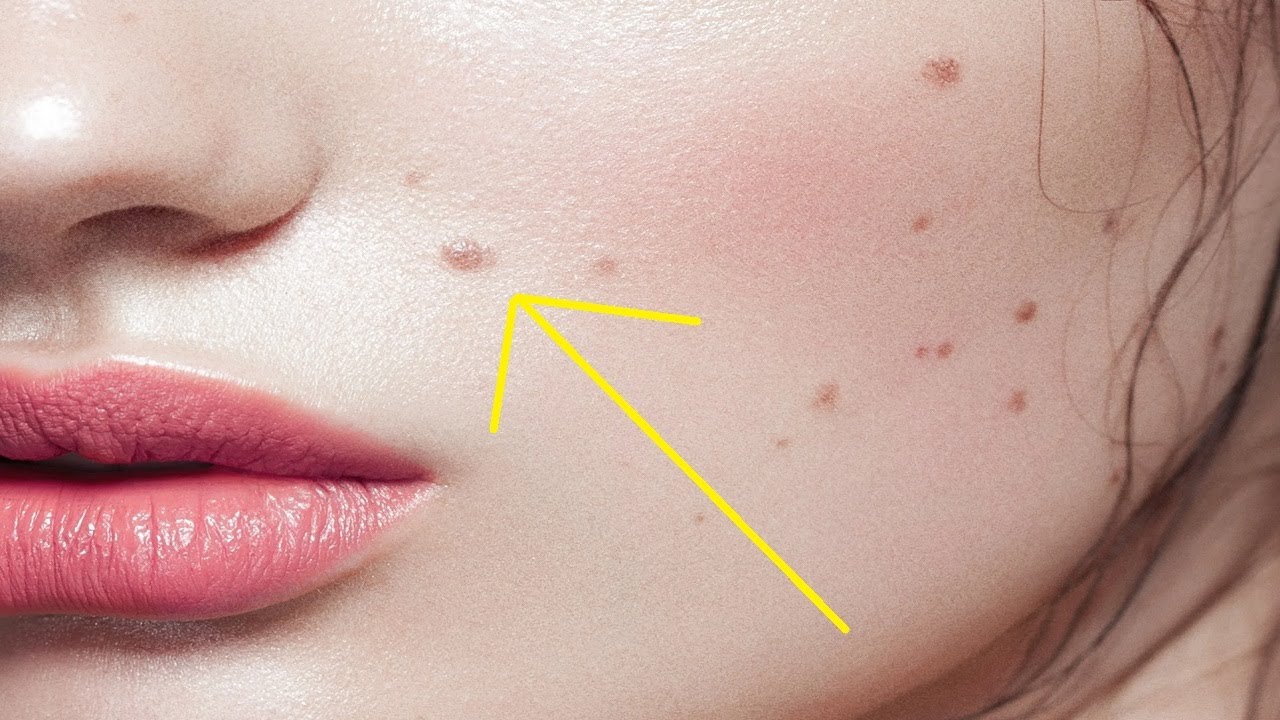
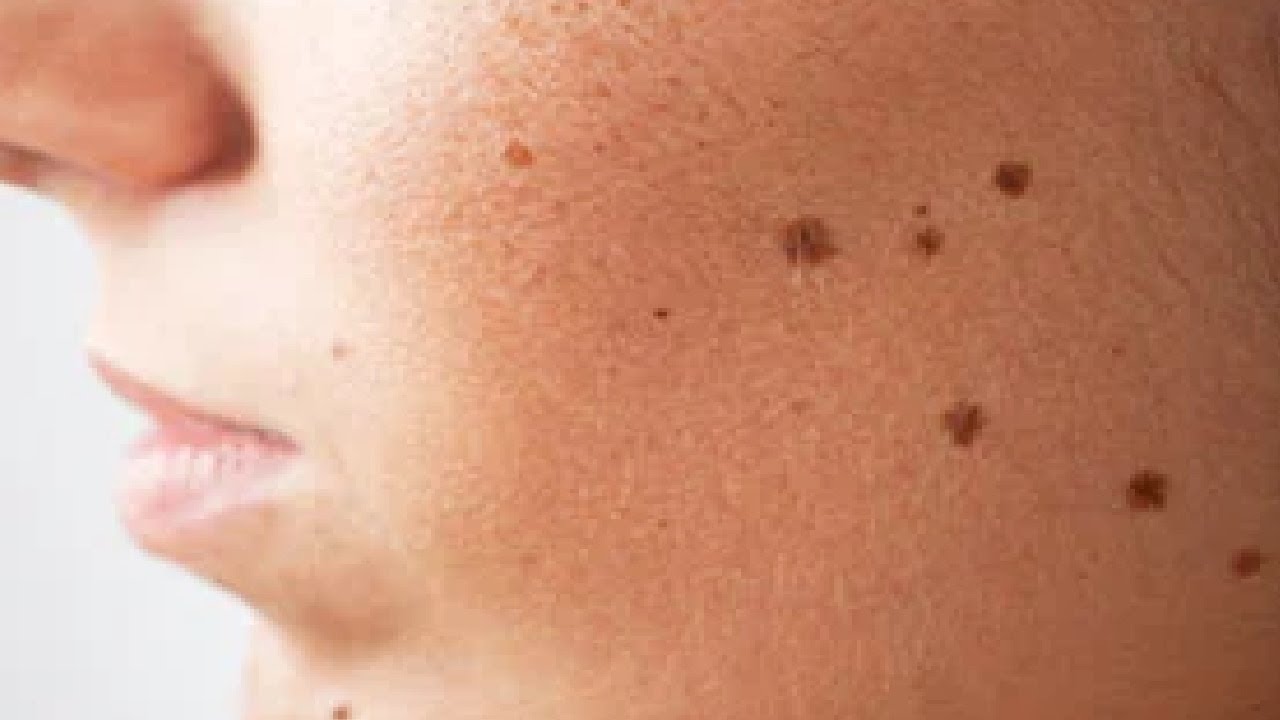
Before we dive into the "how," let's get a tiny bit science-y. What we commonly call beauty marks are usually moles, or nevi to the dermatologists. These are collections of pigment-producing cells called melanocytes. Most moles are perfectly harmless, just little clusters of your natural coloring.
They can pop up anywhere on your body, and some are present from birth, while others appear later in life. It's all part of the beautiful, messy, and wonderfully unique process of being human. Some cultures even believe moles have specific meanings – like a mole on your chin meaning good fortune in marriage, or one on your forehead signifying wisdom. Pretty cool, right?
However, it’s super important to remember that not all moles are created equal. While most are benign, some can, in rare cases, develop into melanoma, a serious form of skin cancer. This is why keeping an eye on any changes is key. We'll get to that in a sec.
When to See a Professional: The "ABCDEs" of Mole Vigilance
This is where we get a little serious, but in a proactive, empowering way. Before you even think about removal, it’s crucial to get any suspicious moles checked out. Your dermatologist is your best friend in this department. They can spot the difference between a harmless beauty mark and something that needs further investigation.
The American Academy of Dermatology has a handy guide called the "ABCDEs" to help you monitor your moles. Keep this in mind:

- A - Asymmetry: One half of the mole doesn't match the other.
- B - Border: The edges are irregular, ragged, notched, or blurred.
- C - Color: The color is not the same all over and may include shades of brown or black, sometimes with patches of pink, red, white, or blue.
- D - Diameter: Moles larger than 6 millimeters (about the size of a pencil eraser) are more suspicious, but some melanomas can be smaller.
- E - Evolving: The mole looks different from the others or is changing in size, shape, or color.
If you notice any of these changes in a mole, or if it starts to itch, bleed, or feel tender, book an appointment with your doctor immediately. Seriously, no hesitation. They can perform a biopsy to determine if the mole is cancerous or prec Conditions. This is the absolute first and most important step, and it’s all about prioritizing your health and well-being.
So, You've Got the "All Clear"! Now, Let's Talk Removal Options.
Great news! If your mole is deemed harmless by a medical professional, you have options. The key here is to understand that DIY mole removal is generally a big no-no. While you might find some questionable "home remedies" online, they can lead to scarring, infection, and even incomplete removal, which can be problematic.
The safest and most effective methods are performed by trained professionals. Let's break down the most common ones:
1. Surgical Excision: The Classic Cut
This is probably the most straightforward method. Your doctor numbs the area around the mole and then surgically cuts it out, along with a small margin of surrounding skin. The wound is then closed with stitches.
Pros: It's highly effective and allows for the mole to be sent to a lab for examination (even if it was already deemed harmless, this can be a good second check). It’s also generally a quick procedure.
Cons: It will leave a scar, though skilled surgeons aim to minimize its appearance. The recovery time is usually a week or two for the stitches to be removed.

2. Shave Excision: For the Lighter Touch
If your mole is more raised than flat, a shave excision might be the go-to. Similar to shaving, the doctor uses a special blade to shave off the mole layer by layer. No stitches are usually needed for this method.
Pros: Less scarring compared to surgical excision. The healing process is typically faster.
Cons: Might not be suitable for deeper moles. There’s a small chance the mole could grow back if not completely removed.
3. Laser Removal: The High-Tech Approach
Laser treatments use focused beams of light to break down the pigment cells in the mole. This is often used for smaller, flatter moles.
Pros: Can be very precise and result in minimal scarring. It's often a good option for moles on the face where scarring is a particular concern.
Cons: May require multiple sessions. Not as effective for deeper or raised moles. Can be more expensive.
4. Cryotherapy: The Freezing Method
This involves freezing the mole with liquid nitrogen. The extreme cold causes the mole tissue to die and eventually fall off.
Pros: Relatively quick and non-invasive.
Cons: Can sometimes lead to temporary blistering or discoloration of the skin. May not be effective for all types of moles.
The "At-Home" Dilemma: Why You Should Reconsider DIY
Let's be honest, the internet is a wild west of information. You might stumble across articles suggesting apple cider vinegar, salicylic acid, or even iodine for mole removal. While some of these ingredients can affect the skin, using them on moles is risky business.
Here's why you should steer clear:
- Infection: Breaking the skin without sterile equipment can introduce bacteria, leading to painful infections.
- Scarring: Home remedies often damage the surrounding skin, leaving behind more noticeable scars than professional treatments.
- Incomplete Removal: You might only remove the surface, leaving the deeper part of the mole intact, which could still pose risks or lead to regrowth.
- Misdiagnosis: The biggest danger is treating a potentially cancerous mole with a home remedy. You’re delaying crucial medical attention.
Think of it like this: you wouldn't try to perform your own appendectomy, right? Similarly, for skin procedures that involve potential risks, professional guidance is paramount. Your skin is your largest organ, and it deserves the best care.
The Aftermath: What to Expect Post-Removal
Once your mole is gone, the healing process begins. Your doctor will provide specific aftercare instructions, which might include:
- Keeping the area clean and dry.
- Applying antibiotic ointment to prevent infection.
- Protecting the area from sun exposure to minimize scarring.
- Avoiding strenuous activity that could put pressure on the healing wound.
It’s important to be patient. Scars can take time to fade, and sometimes they might be a little more visible than you’d hoped. But with proper care and a little time, they often become much less noticeable. Some people even embrace their scars as a unique part of their story!
A Little Fun Fact!
Did you know that the placement of a mole was once considered a significant indicator of personality and destiny in physiognomy, an ancient practice? While not scientifically proven, it’s a fun reminder of how people have always been fascinated by these little marks!
Embracing Your Canvas: A Final Thought
Ultimately, the decision to remove a beauty mark is a personal one. There's no right or wrong answer. If a mole makes you feel self-conscious, and you've explored all the safe and professional options, then go for it! It's about feeling your most confident and comfortable self.
But also, consider the charm. Those little marks have been with you, telling your story, adding character. Sometimes, the most beautiful thing we can do is learn to love the unique details that make us, us. Like a well-placed accent in a beautiful sentence, a beauty mark can add depth and intrigue.
Think about your day. We rush, we hustle, we try to tick all the boxes. But sometimes, the simplest act of self-acceptance, of appreciating the little things (even the ones on our skin!), can bring a surprising amount of peace. So, whether you decide to keep your beauty marks or explore removal, remember that your skin is your story, and you get to write every chapter. Be kind to yourself, embrace your journey, and shine on, you magnificent being!

