
How To Get Rid Of A Rust Stain

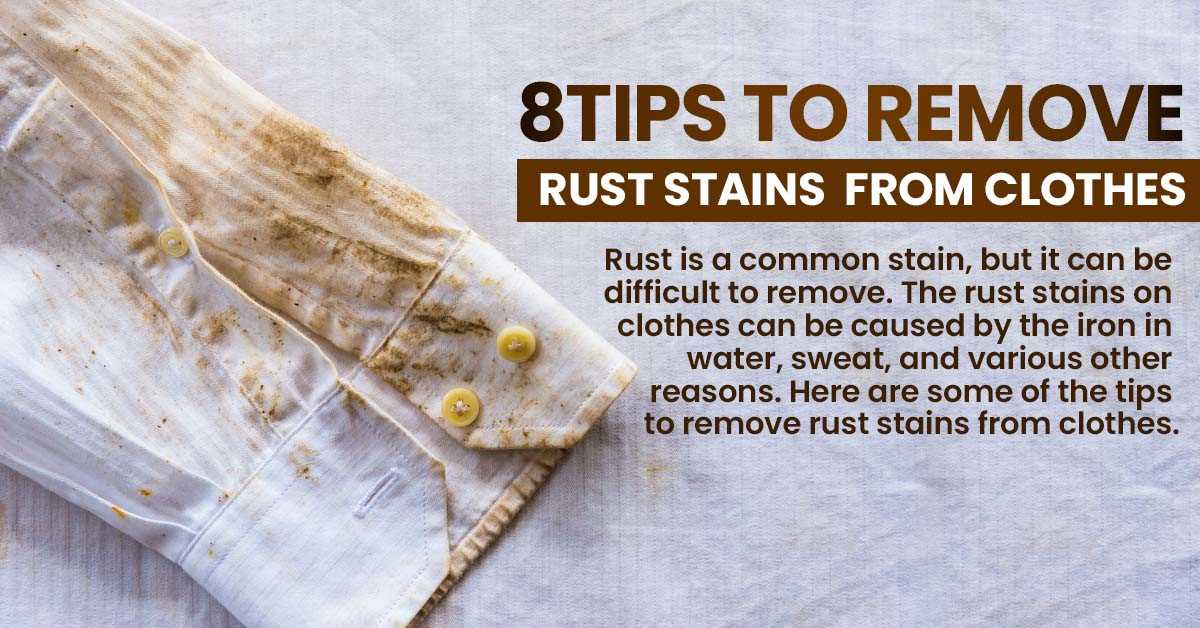
Ah, rust. That stubborn, reddish-brown nemesis of anything remotely metallic. It’s like that annoying houseguest who just won’t leave. You thought you were so clever, leaving your damp gardening tools on the patio, or your favorite cast iron pan to air dry. Big mistake. Huge. Suddenly, your pristine white grout has a tactical stain. Your favorite white t-shirt sports an accidental abstract expressionist artwork. Your once-gleaming sink looks like it's been through a particularly rough divorce.
Don't panic. We've all been there. Staring at that offending mark, feeling a tiny bit of your soul wither away. It’s enough to make you want to throw the whole thing out. But before you succumb to such dramatic (and expensive) measures, let’s have a little chat. Because as much as the world loves a pristine, rust-free existence, sometimes, just sometimes, a little rust has… character. Unpopular opinion, I know. But hear me out. A well-placed rust stain can be a conversation starter. It can whisper tales of outdoor adventures, of forgotten projects, of a life lived (and occasionally, a life left to rust). But if you’re firmly in the “get this orange menace gone NOW” camp, then buckle up, buttercup. We’re about to get a little… experimental.
First up, the classics. You know, the stuff your grandma probably used. Let's talk about lemon juice. Yes, the same stuff you squeeze onto your fish. Apparently, it’s also a secret weapon against rust. Who knew citrus had such a feisty side? Just grab a fresh lemon, squeeze its zesty goodness directly onto the stain. Let it sit for a while. The longer, the better, really. Think of it as a spa treatment for your fabric. Then, scrub. Gently, mind you. You’re not trying to win a wrestling match. You’re trying to persuade the rust to pack its bags and leave. If it’s a stubborn stain, you might need to repeat the lemon bath. Like a repeat offender, rust can be persistent.
Must Read
Then there’s vinegar. Another kitchen staple with a surprising double life. White vinegar is your friend here. Pour it liberally over the rust. Let it soak. Again, give it time to work its magic. It’s like a chemical negotiation. The vinegar is trying to convince the rust that this isn’t its forever home. After a good soak, you’ll probably need to give it a good scrub. A toothbrush is often your best bet for those nooks and crannies. Don't be afraid to get a little vigorous, but remember, we're not trying to create new holes, just remove the old ones (metaphorically speaking).
Now, for those who like to live on the edge, or perhaps have run out of lemons and vinegar, we venture into slightly more… industrial territory. Enter the mighty baking soda. This stuff is a wonder. Make a paste. Mix baking soda with a little water until it’s the consistency of toothpaste. Slather it onto the rust stain. Let it dry. Once it’s dry, you can brush it off. This might take a couple of applications, but it’s surprisingly effective. It’s like a natural, gritty exfoliator for your rust problems.

What about those really tough, "I'm-pretty-sure-this-is-permanent" stains? Sometimes, you need something a little stronger. We’re talking about commercial rust removers. Now, these are not for the faint of heart. They often contain some pretty serious chemicals. So, when you use them, for the love of all that is clean, follow the instructions. Wear gloves. Ventilate the area. Think of it as performing delicate surgery. You wouldn’t operate without a clean environment and the right tools, would you? So, treat your rust removal project with similar respect. Some common names you might see are CLR (which stands for Calcium, Lime, and Rust remover – catchy, right?) or Iron Out. These are the heavy hitters. Use them wisely, and sparingly.
For metal items, especially those beautiful vintage pieces that have succumbed to the orange menace, things get a little different. You can try a good old-fashioned scrub with steel wool. But be warned, this can scratch delicate surfaces. So, proceed with caution. For anything that’s really deeply rusted, you might need to consider something like a rust converter. These are pretty cool. They actually chemically change the rust into a stable, paintable surface. It’s like giving your rusty old garden gnome a facelift. No more flaking orange bits!
And then there's the art of prevention. You know, the “an ounce of prevention is worth a pound of cure” thing. Keep your metal items dry. Store them in a dry place. A little bit of oil on your cast iron pan after you’ve used it can work wonders. It’s like a tiny shield against the rust invasion. If you’re dealing with outdoor furniture, maybe give it a good clean and a coat of paint or a sealant. Think of it as putting tiny little rust-proof sweaters on your metal friends.
So, there you have it. A little guide to tackling those pesky rust stains. Remember, it’s not always about winning the war against rust, but about knowing when to negotiate, when to deploy the heavy artillery, and when to just… appreciate the character. Though, I'm still not convinced my white t-shirt needed that abstract rust masterpiece. Your mileage may vary.


