How To Get Mold Out Of Leather

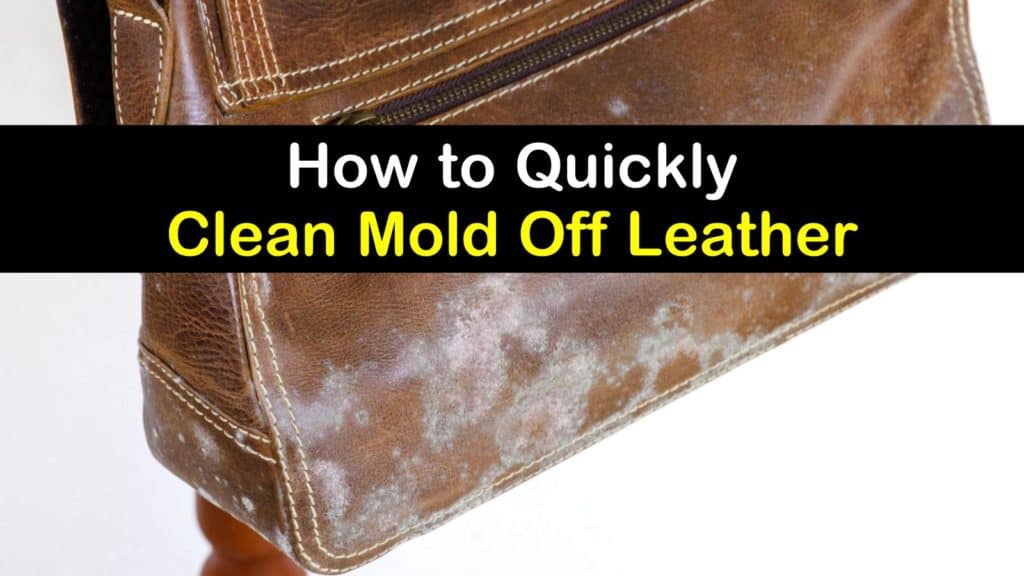
Uh oh. You’ve just discovered it. That fuzzy, greenish-black, unwelcome guest has decided to set up camp on your favorite leather item. Maybe it’s that gorgeous leather jacket you scored at a vintage shop, or perhaps it’s the comfy leather armchair you’ve sunk into countless times for movie nights. Whatever it is, the sight of mold on leather can send a little shiver down your spine. Don't panic! Getting mold out of leather is totally doable, and with a little gentle care, you can rescue your beloved belongings and banish those fuzzy invaders.
Why should you even bother with this whole mold-removal endeavor? Well, beyond the obvious “ew” factor, mold isn't just an eyesore. It can actually start to break down the leather over time, weakening it and making it brittle. Think of it like leaving a forgotten sandwich in your lunchbox for too long – eventually, things start to get… unpleasant. Plus, mold spores can sometimes cause allergic reactions or respiratory issues, so it’s a good idea to tackle it before it becomes a bigger problem. We’re talking about preserving those beautiful, supple pieces that add a touch of class (or cozy comfort) to your life!
The Great Mold Reconnaissance
First things first, let's get a clear picture of the situation. Where is the mold? How widespread is it? Is it just a few stubborn spots, or has it spread like wildfire across your leather item? For the most part, we're talking about surface mold. If it looks like the leather itself is deeply discolored or damaged beneath the fuzzy bits, that might be a different story and could require professional attention. But for typical household mold, we can usually handle it ourselves with some simple supplies.
Must Read
Imagine you’re a detective, carefully examining the crime scene (your leather item). You’re looking for clues, or in this case, fuzzy green or black patches. Knowing the extent of the problem will help you determine the best course of action. Most of the time, the mold hasn’t burrowed too deep into the leather’s structure. We’re trying to coax it out, not perform major surgery!
Gathering Your Mold-Busting Arsenal
Before you dive in, let’s assemble your team of cleaning superheroes. You probably have most of these on hand already. Think of it as assembling your favorite Avengers, but for leather care!
- A soft brush or cloth: Think a soft-bristled toothbrush, a microfiber cloth, or even a clean, soft rag. Nothing too abrasive, please!
- Mild soap: We’re talking about a gentle, pH-neutral soap. A tiny drop of dish soap or a specialized leather cleaner will do the trick.
- Vinegar (white): This is your secret weapon! White vinegar is acidic, which helps kill mold and mildew.
- Water: Distilled water is best if you have it, as it doesn't contain minerals that can leave spots, but regular clean water is usually fine.
- Clean cloths (plenty!): For wiping, rinsing, and drying.
- Leather conditioner: Essential for replenishing moisture after cleaning.
Think of this as your essential mold-fighting toolkit. You wouldn't go into battle without your trusty shield and sword, right? Well, your leather item needs its protective gear too.
Operation: Mold Eviction (The Gentle Approach)
Okay, detective, it’s time to get to work. We’re going to start with the least invasive methods and work our way up if needed.
Step 1: The Dry Brush-Off
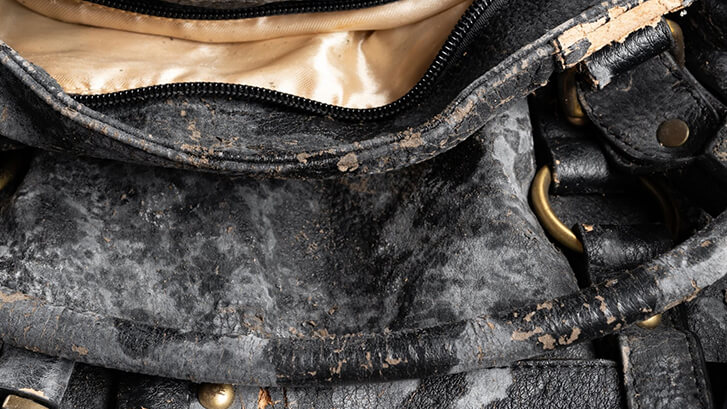
First, take your soft brush or dry cloth and gently try to brush away as much of the visible mold as possible. Do this in a well-ventilated area, or even better, outdoors. You don’t want to be breathing in those spores! Think of it as tickling the mold away. It might seem too simple, but sometimes, a good dry brush is all it takes for light, superficial mold.
Step 2: The Vinegar Solution (Your Mold's Nemesis)
This is where the magic really happens. Mix a solution of equal parts white vinegar and water. So, if you’re using a quarter cup of vinegar, use a quarter cup of water. Give it a good swirl.
Now, grab a clean cloth, dip it into your vinegar-water solution, and wring it out really well. You want it to be damp, not soaking wet. Think of it like wiping down a baby’s bottom – gentle and slightly moist!
Dab or gently wipe the moldy areas with your damp cloth. Don’t scrub aggressively! The vinegar will start to work its magic, killing the mold spores. You might need to rinse your cloth and re-dampen it as you go, especially if the mold is widespread.
After you've addressed the moldy spots with the vinegar solution, take a fresh, damp cloth (just with plain water this time) and gently wipe down the area to remove any vinegar residue. This is important because vinegar can be a bit drying to the leather.
Step 3: The Mild Soap Clean (For Stubborn Spots)
If the vinegar solution didn’t quite cut it, or if there’s some residual discoloration, you can try a mild soap solution. Mix a tiny amount of gentle, pH-neutral soap with water. Again, wring out your cloth until it’s just damp.
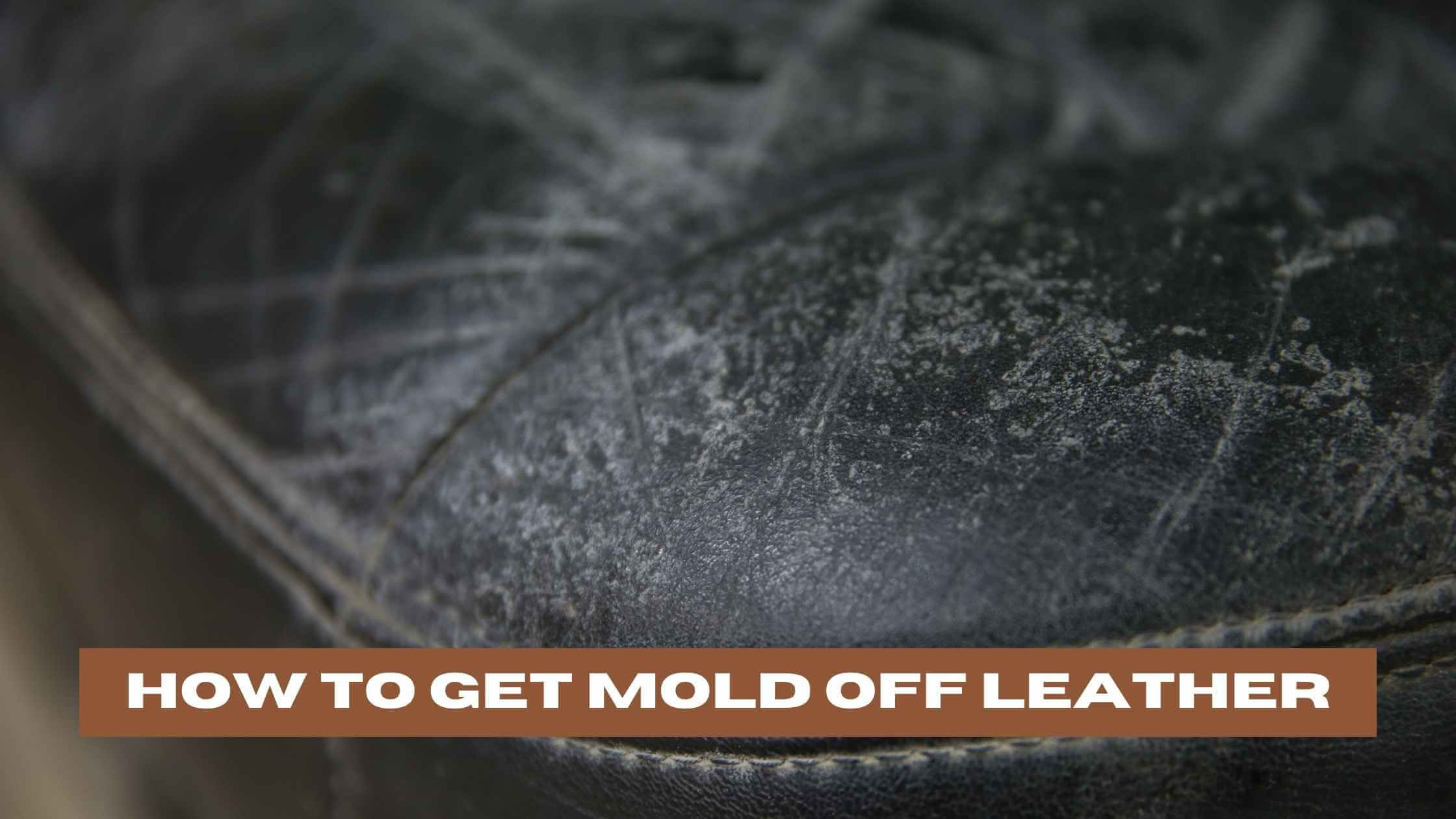
Gently wipe the affected areas. Follow up immediately with a clean, damp cloth to rinse away the soap. You don’t want soap residue lingering on your leather, as it can attract dirt and make the leather feel stiff.
Drying is Key! (Don't Skip This Step!)
Once you've cleaned the moldy areas, it’s crucial to let your leather item dry properly. Never use direct heat, like a hairdryer on a high setting or placing it in direct sunlight. This can cause the leather to dry out, crack, and become brittle. Think of it like letting your skin dry naturally after a shower, not blasting it with a heat gun!
Simply let it air dry in a well-ventilated area. You can even hang up items like jackets or bags to ensure good airflow. This might take a few hours, or even overnight, depending on how damp it got. Patience is a virtue here!
The Grand Finale: Leather Conditioning
After your leather item is completely dry, it’s time for the most rewarding step: conditioning! Cleaning, especially with vinegar, can strip some of the natural oils from the leather. Conditioning replenishes these oils, keeping the leather supple, soft, and protected. It’s like giving your leather a spa treatment after a tough ordeal.
Apply a small amount of a good-quality leather conditioner to a clean, soft cloth. Gently rub it into the leather in a circular motion, focusing on the areas you cleaned, but it’s generally a good idea to condition the entire item. Let the conditioner soak in for the time recommended on the product’s label, then buff off any excess with a clean cloth.
Your leather should now feel happy, healthy, and mold-free. You’ve done a fantastic job!
Prevention is Better Than Cure (And Less Hassle!)
Now that you’ve rescued your leather, how do you prevent this moldy menace from returning? It’s all about managing moisture and ensuring good airflow.
- Keep it dry: Avoid storing leather in damp or humid environments. Basements, humid bathrooms, or closets without good ventilation are mold magnets.
- Allow airflow: Don’t cram your leather items into tight spaces. Give them room to breathe!
- Regular cleaning: A quick wipe-down with a dry or slightly damp cloth now and then can prevent dirt and moisture from building up.
- Sunlight (in moderation): A little bit of natural light can be good for leather, as UV rays can inhibit mold growth. However, too much direct sunlight can damage and fade the leather, so find that happy medium.
- Be mindful of spills: If something spills on your leather, clean it up promptly.
Think of it like keeping your kitchen tidy. A quick wipe after cooking prevents grease buildup. Similarly, a little bit of regular care for your leather prevents bigger problems down the line. You’ve got this!
So, the next time you spot that tell-tale fuzzy patch, don't despair. With a little know-how and a gentle touch, you can banish mold and keep your cherished leather looking and feeling its best for years to come. Happy cleaning!