How To Get Color Out Of Hair

I remember my college roommate, bless her adventurous heart, deciding one Tuesday afternoon that she absolutely needed to be a mermaid. And not just any mermaid, but a vibrant, electric blue mermaid. She’d seen it on Pinterest, naturally. Fast forward about six hours, and after a whole lot of questionable fumes and what I can only describe as a “dye bomb” explosion in our tiny bathroom, she emerged with hair that was… well, it was blue. Like, the kind of blue that glows in the dark. It was magnificent, in a terrifying sort of way. For about a week, she strutted around campus, a shimmering beacon of questionable life choices. Then, reality hit. That electric blue was fading into a sad, swampy green, and suddenly, being a mermaid wasn't so fun anymore. She spent the next two weeks in a frantic, desperate attempt to get the blue out of her hair, a process that involved more conditioner than I thought humanly possible to apply without drowning. It was a saga. And it got me thinking: what happens when your hair color adventure goes a little… sideways?
So, you’ve had a hair color moment. Maybe it was a daring dip-dye that turned into a full-blown, unexpected disaster. Or perhaps that "subtle brown" box dye turned out to be, surprise!, practically black. We've all been there, right? That feeling of "Oh. My. Goodness. What have I done?!" is a universal beauty experience. Whether you're aiming for a chic balayage and end up with patchy highlights, or you decided to embrace your inner rockstar with a vibrant hue that's now making you feel more like a faded punk, the desire to undo it can be intense. Thankfully, you're not stuck with your hair horror story forever. While getting color out of your hair isn't always a walk in the park (or a single wash), there are definitely ways to dial back the intensity, lighten things up, or even banish it altogether. Let's dive into the sometimes messy, often miraculous world of hair color removal, shall we?
The "Oops, I Dyed My Hair" Survival Guide
First things first: deep breaths. Panicking is rarely the answer, especially when it comes to your precious locks. The method you choose will largely depend on what kind of color you're trying to remove and how drastic the change is. Are we talking about a semi-permanent fashion color that's already starting to fade, or a permanent dye that feels welded to your strands? The approach will differ, and so will the potential for damage. So, let's break down the options, from the gentlest of nudges to the more… robust interventions.
Must Read
The Gentle Approach: When a Little Fading is All You Need
Sometimes, your hair color isn't a complete catastrophe; it's just… a little too much. Maybe that fiery red is a bit too fiery, or the blonde is leaning more towards brass than buttercup. In these cases, you might not need a full-on color strip. Instead, you can encourage your hair to let go of some of that pigment with a few smart strategies.
Wash It Like You Mean It (But Wisely!)
This sounds obvious, I know. But you'd be surprised how many people skip this step or are too scared to wash their hair too often for fear of more fading. If you’ve just dyed your hair a color you instantly regret, and it’s not permanent, your first move should be to wash it multiple times with a clarifying shampoo. Seriously, go to town. Use warm water, lather up, and rinse. Repeat this process several times in one sitting. The longer the dye has been in your hair, the harder this will be, but it’s worth a shot, especially for semi-permanent colors.
Pro tip: If your hair is feeling dry after all this aggressive washing, follow up with a really, really good deep conditioner. Your hair will thank you, I promise.
The Vitamin C "Hack" (It Actually Works!)
This is a popular DIY method, and for good reason – it’s surprisingly effective for fading fashion colors and semi-permanent dyes without being overly harsh. Vitamin C is acidic, and when mixed with shampoo, it can help to break down the dye molecules. Think of it like a gentle exfoliant for your hair color. You’ll need a good amount of Vitamin C powder – I’m talking like, 10-20 tablets crushed up, or a couple of tablespoons of powder. Mix this with your shampoo (a generous dollop) until it forms a paste. Then, apply it to your damp, towel-dried hair, focusing on the colored sections. Cover your head with a shower cap and let it sit for about 30-60 minutes. Rinse thoroughly, shampoo again (without the Vitamin C this time!), and condition like your life depends on it.
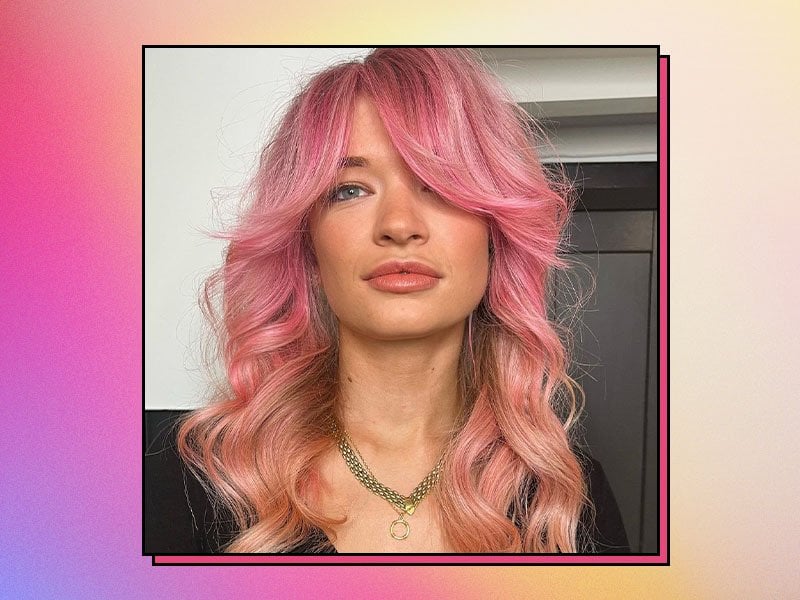
A word of caution: While generally safe, this can still be drying. Listen to your hair. If it feels straw-like, rinse it out and give it a mega dose of moisture. Also, it’s not a miracle cure. It works best on fading fashion colors, not so much on stubborn permanent dyes. But it's a great starting point if you're feeling brave and want to avoid chemicals.
Baking Soda: The Abrasive Ally
Similar to Vitamin C, baking soda can act as a gentle abrasive that helps to lift color. It's often used in DIY treatments to remove build-up, and it can also help to fade unwanted tones. Mix baking soda with your shampoo (again, a paste-like consistency is key) and apply it to your damp hair. Let it sit for a little while – maybe 15-20 minutes – and then rinse. You can repeat this a few times if needed, but be mindful of dryness. Baking soda can be quite drying, so always follow with a deep conditioner.
My two cents: This one feels a bit more aggressive than Vitamin C, so if you're going for it, keep an eye on how your hair is feeling. Overdoing it could lead to breakage, and nobody wants that.
The More Serious Stuff: When You Need to Go Deeper
Okay, so the gentle methods didn't quite cut it, or you're dealing with a permanent dye that's stubbornly clinging to your strands. This is where things get a bit more involved, and you might need to consider products specifically designed for color removal. These are generally more potent and can potentially be more damaging, so proceed with caution.
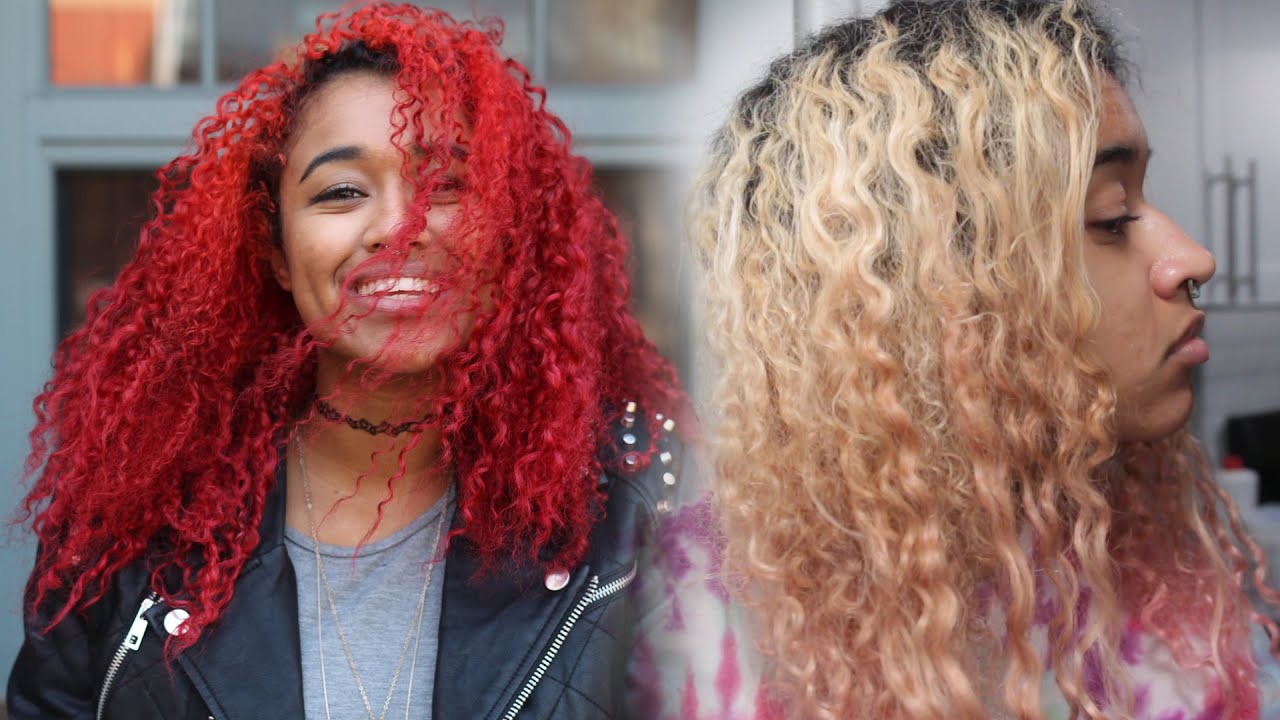
Color Removers: Your Chemical Crusader
These products are designed to shrink dye molecules so they can be washed out of the hair shaft. They come in two main types: color removers (often sold as "color reducers" or "color strippers") and bleach baths.
Color Removers: These are fantastic for removing oxidative (permanent) dyes. They work by breaking down the artificial pigment. You'll typically mix two or three solutions together, apply them to your hair, let them process, and then shampoo vigorously to remove the broken-down color. The key here is that they are designed to remove artificial color, not your natural pigment, which is a big plus. However, they can still be drying and can sometimes leave your hair a bit brassy or uneven, especially if the original dye job was patchy.
The process can be a bit… stinky. Like, really stinky. Open a window, get some ventilation, and prepare yourself for the smell. It’s a small price to pay for hair salvation, right?
Bleach Baths: This is essentially a diluted bleach mixture. You mix bleach powder, developer (usually a low volume, like 10 or 20), and shampoo. It’s less harsh than a full-on bleach application, but it's still bleach, so it has the potential to lighten your natural hair color and cause damage. It’s often used to fade out old color before re-dyeing or to lighten up a very dark, stubborn dye.
Important note: Bleach baths can be tricky. If you don't mix them correctly or leave them on too long, you can end up with uneven lightening or significant damage. If you're not comfortable with bleach, I’d strongly recommend leaving this one to the professionals. Seriously, a bad bleach job is way worse than a bad dye job.

Professional Help: When to Call in the Cavalry
Look, I'm all for DIY beauty. I’ve chopped my own bangs more times than I care to admit (and sometimes regretted it!). But when it comes to removing stubborn or complex color situations, sometimes the best course of action is to book an appointment with a professional colorist. They have access to stronger, more sophisticated products, and they have the expertise to assess your hair's condition and apply treatments safely and effectively. They can also help you strategize your next move, whether it’s correcting the color, going back to your natural shade, or achieving a new look without further damaging your hair.
Think of it as an investment in your hair's health and your sanity. A good colorist can save you a lot of time, money, and potential damage in the long run. They've seen it all, from patchy box dye jobs to DIY dye disasters, and they know how to fix them.
Aftercare: Because Your Hair Needs TLC
No matter which method you choose, the key to successful color removal (and healthy hair afterward) is intensive aftercare. Whatever you do, your hair is going to be compromised. It’s been through a chemical process, and it’s probably feeling a bit stressed out and thirsty.
Moisture, Moisture, and More Moisture!
This is not the time to skimp on conditioner. You need to be slathering on a deep conditioning treatment or hair mask at least once a week, if not more. Look for ingredients like shea butter, argan oil, coconut oil, and keratin. These will help to replenish lost moisture and strengthen your hair strands.

Seriously, go buy the most ridiculously expensive deep conditioner you can find. Your hair deserves it after that ordeal.
Be Gentle, Darling
When you’re washing and styling your hair, be as gentle as possible. Avoid using hot water, as this can strip away more moisture. Try to air dry your hair whenever you can, and if you absolutely must use heat styling tools, always use a heat protectant spray. Detangle your hair with a wide-tooth comb, starting from the ends and working your way up. Rough handling will only lead to breakage, and we’re trying to avoid that!
Color-Depositing Conditioners and Toners
Depending on what you’re trying to achieve, you might also find color-depositing conditioners or toners helpful. If you’ve managed to lift some color but are left with brassy tones, a violet or blue-toned conditioner can help to neutralize those unwanted yellow or orange hues. If you’re trying to achieve a specific shade, a color-depositing conditioner can help you get there gradually.
This is where you can start to play again, but carefully! Think of it as a gentle way to nudge your hair in the right direction, rather than a drastic overhaul.
So, there you have it. Getting color out of your hair is definitely achievable, whether you’re dealing with a subtle fade or a full-blown dye disaster. Remember to assess your situation, choose your method wisely, and always, always, prioritize your hair's health. And hey, if all else fails, there’s always a hat. Or a really good wig. We’ve all been there, right? Just keep experimenting, and don't be afraid to ask for help when you need it!